Where Elk Winter in the Northern Ranges
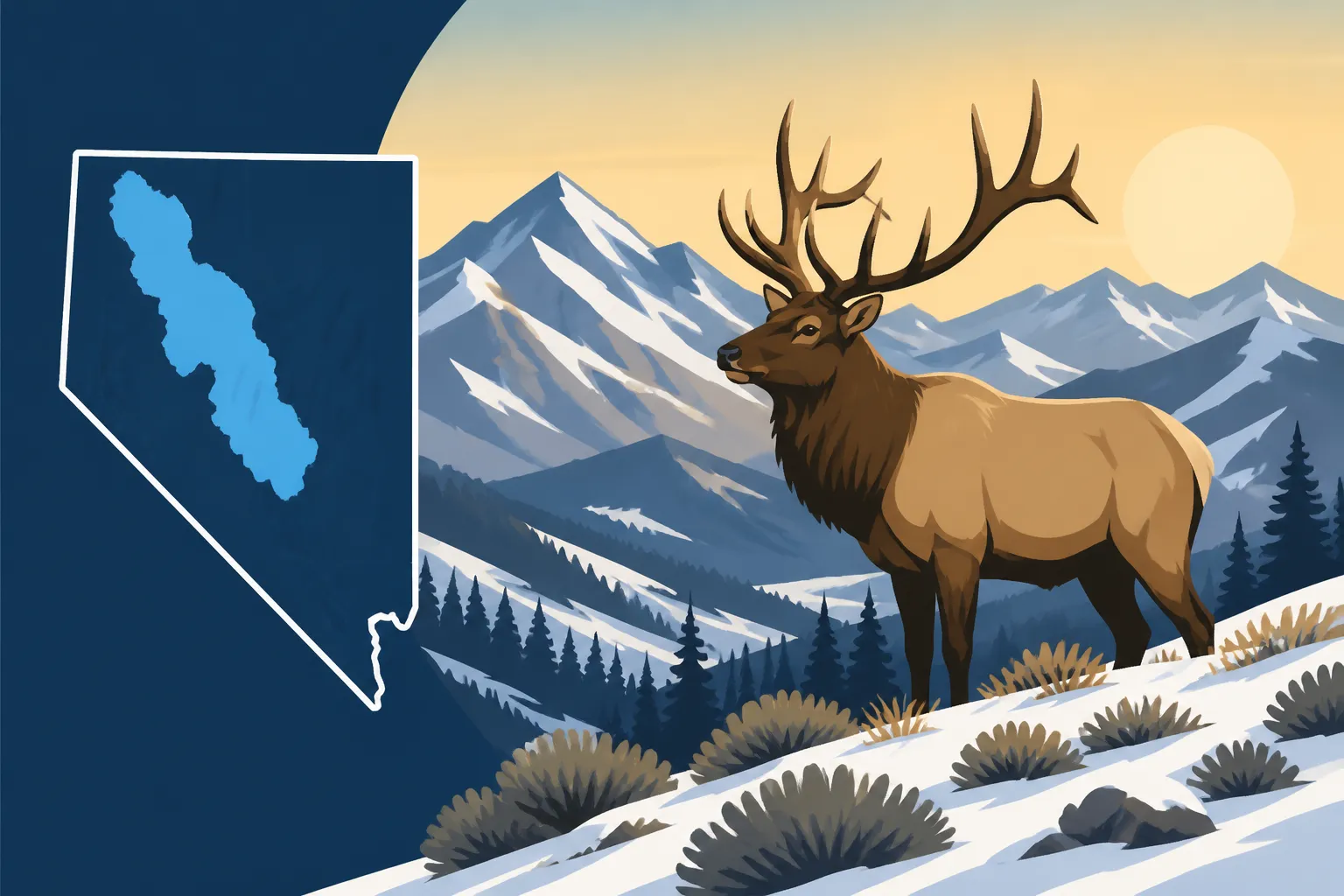
It can feel like chasing ghosts when the hunting season shifts from the crisp days of fall into the colder, often snowier, embrace of winter. Elk, those magnificent creatures we spend so much time dreaming about, don't just disappear; they make a strategic, often dramatic, shift to their winter ranges. For hunters in Nevada's northern reaches, understanding these movements is paramount to finding success, or at least finding sign, in the vast and sometimes unforgiving landscape. This guide will help you decipher where Nevada's northern elk herds spend their winters, and how you can apply that knowledge to your hunting strategy.
The Seasonal Migration: Why Elk Move for Winter
Nevada's landscape is a land of extremes, and nowhere is that more evident than in the seasonal movements of its big game. Elk, especially, are masters of adapting to these changes, migrating from high-elevation summer pastures to lower, more protected wintering grounds. This isn't just a leisurely stroll; it's a critical survival strategy driven by an innate understanding of their environment. If you've ever found yourself scratching your head trying to locate bulls after a significant snowfall, you're not alone – it means they've likely begun their descent.
The Pull of the Low Country
Think about what an elk needs to survive the winter: accessible food, shelter from the harshest weather, and a reduced energy expenditure. Higher elevations, while offering lush forage in summer, quickly become a frozen, snow-bound wasteland come winter. The deep drifts make travel exhausting and bury essential browse. So, the elk naturally drift downwards. They seek out the lower slopes, the protected canyons, and the more gentle terrain that offers a slightly milder microclimate. These areas often receive less snow, or the snow melts faster, exposing vital grasses and shrubs they can paw through. It’s a matter of survival, and their internal compass points them toward the path of least resistance when Mother Nature turns harsh.
Snow Depth as a Driving Force
There's no single calendar date that dictates when elk begin their winter migration. Instead, it's largely triggered by environmental cues, with snow depth being one of the most significant. A light dusting won't send them packing, but persistent, deep snow accumulation in their high-elevation haunts certainly will. For a mature bull, post-rut and trying to regain weight, pushing through chest-deep snow for days on end is a calorie burner they simply can't afford. Calf survival is also a huge factor; deep snow makes them vulnerable to predators and inhibits their ability to keep up with the herd. As a rule of thumb, when the snow gets consistently above their belly, you can bet the elk are either already down low or actively moving there. This dynamic relationship between snowfall and movement is why tracking weather patterns in their summer range can be a powerful scouting tool for predicting their winter whereabouts.
Identifying Northern Nevada's Prime Elk Wintering Grounds
When we talk about northern Nevada, we're discussing a vast and varied landscape that includes everything from the expansive Humboldt-Toiyabe National Forest to the rugged Jarbidge Wilderness. Within these sweeping areas, certain types of terrain and specific mountain ranges consistently host wintering elk, year after year. It's not always about finding the absolute lowest elevation, but rather the sweet spot that provides the best combination of food, cover, and easier travel.
Lower Slopes and Juniper Basins
One of the classic winter habitats for elk in northern Nevada is the transition zone between the high mountains and the open sagebrush valleys. This often means the lower to mid-elevation slopes, especially those with a south-facing aspect. South-facing slopes catch more sun, meaning snow melts faster and forage becomes available sooner. These areas are frequently characterized by scattered juniper and pinyon pine stands. This combination offers crucial thermal cover, shielding elk from harsh winter winds and providing a slight warming effect. The juniper-pinyon woodlands also often have a more diverse understory of bitterbrush, sagebrush, and various grasses that remain accessible even with some snow cover. Elk will browse on these woody plants when grasses are buried, so these "juniper basins" or "pinyon-juniper woodlands" become vital winter grocery stores and refuges.
Specific Mountain Ranges and Their Draws
While it's impossible to list every specific draw, certain mountain ranges in northern Nevada are well-known for their elk populations and, consequently, their wintering areas. The Ruby Mountains, for instance, are famous for their trophy bulls, and during winter, these elk will descend into the lower canyons and foothills surrounding the main peaks. Similarly, the Independence Range and areas within the Santa Rosa Range also offer prime wintering habitat on their lower, more accessible slopes. You’ll often find them hunkered down in deep draws or on sunny benches where they can conserve energy.
It’s not just the big, named ranges; smaller, isolated mountain groups throughout northern Nevada, like those near Elko Worth Scouting, can also hold surprising numbers of elk when the snow pushes them down. It pays to understand the local topography and how it funnels animals. A deep understanding of these landscapes, often gleaned by Reading a Nevada Hunt Unit Before You Apply and studying detailed maps, is invaluable.
Here's a general overview of common Northern Nevada ranges and their typical winter habitat characteristics:
| Mountain Range / Area | Typical Winter Elevation | Primary Habitat Type | Key Features for Elk |
|---|---|---|---|
| Ruby Mountains | 6,000 – 8,000 feet | Pinyon-Juniper, Mountain Browse | South-facing slopes, deep canyons, thermal cover |
| Independence Range | 5,500 – 7,500 feet | Sagebrush, Bitterbrush, Aspen | Lower foothills, sheltered pockets, diverse browse |
| Santa Rosa Range | 6,000 – 7,800 feet | Pinyon-Juniper, Grasslands | Sunny aspects, scattered timber, good forage |
| Jarbidge Mountains (lower) | 5,000 – 7,000 feet | Aspen, Conifer patches, Sage | Protected drainages, transition zones |
| Humboldt-Toiyabe NF (North) | 5,500 – 8,000 feet | Pinyon-Juniper, Mountain Mahogany | Varied terrain, crucial forage, abundant cover |
Remember that these are generalizations. Specific winter ranges can shift depending on the severity of the winter, localized snow patterns, and even hunting pressure.
Using Data and Tools to Pinpoint Winter Range
In today's hunting world, we have incredible resources at our fingertips to help us pinpoint where animals might be, even before we step foot in the field. Leveraging these tools for winter range scouting can save you countless hours and vastly improve your odds of locating elk. This is where modern e-scouting really shines.
E-Scouting Before the Snow Flies
Before any significant snow blankets the landscape, you can start your winter range research from the comfort of your home. Platforms like GoHunt offer incredible mapping features that allow you to analyze topography, vegetation types, and known elk distribution patterns. Look for those south-facing slopes, the drainages that offer protection from north winds, and areas with a good mix of pinyon-juniper or mountain mahogany. Pay close attention to vegetation changes that indicate different forage opportunities. You can also utilize satellite imagery to identify historical snow lines or areas that appear to hold less snow. GoHunt's research tools often integrate historic harvest data and herd unit information, which can provide clues about general elk concentrations within specific areas, like those described in Where Nevada Elk Herds Were Established. Overlaying public and private land boundaries is also critical, especially in the checkerboard patterns found in parts of Nevada.
Beyond mapping, don't underestimate the power of Reading a Nevada Winter Range Report. State wildlife agencies often publish data and maps related to big game wintering areas, sometimes even detailing crucial winter habitat. These reports are goldmines of information, offering insights into historical use and herd health that can inform your scouting strategy.
Reading the Landscape for Winter Sign
Once you're actually in the field, whether for a late-season hunt or just scouting for next year, learning to read the winter landscape is paramount. Elk leave plenty of clues. Tracks in fresh snow are obvious indicators, but even when snow is minimal, look for heavily browsed vegetation, fresh droppings, and rubbed trees. These telltale signs confirm elk presence and indicate active feeding areas. Pay attention to how the elk are using the terrain: are they bedding on sunny benches? Are they feeding in thick draws?
Understanding how elevation shapes Nevada hunting seasons and how animals respond to cold and snow will help you interpret these signs. Look for areas that offer a combination of necessities: bedding cover, thermal protection, and accessible forage. Often, elk will only travel as far as they absolutely must to find these conditions. The colder and deeper the snow gets, the more concentrated and predictable their movements can become, making your job a little easier if you know what to look for.
Strategies for Hunting Wintering Elk
Successfully hunting elk in their winter ranges requires a different approach than chasing them during the rut or early archery seasons. The challenges are amplified by colder temperatures, potentially deeper snow, and the elk's primary focus on survival. However, with the right tactics and a keen understanding of their winter habits, you can increase your chances of finding success.
Patient Glassing from Vantage Points
Just like in warmer months, patient glassing is king in Nevada, especially when hunting the open country of the Basin and Range. This holds particularly true in winter when elk might be more concentrated but also more reluctant to move. Find a high vantage point that overlooks those south-facing slopes, juniper basins, and protected draws we discussed. Spend hours, not minutes, meticulously picking apart the landscape with quality optics. Elk can blend in remarkably well, appearing as dark patches among rocks or trees. You'll be surprised what a good spotting scope can reveal when you're diligently Glassing Nevada's Basin and Range for Mule Deer, or in this case, elk.
In colder weather, elk are less likely to be moving around during the middle of the day. They'll feed during the morning and late afternoon, often bedding down in thick cover or on sunny slopes during the mid-day hours. Focus your intense glassing efforts during these transition periods, and then be prepared to wait and watch their core areas for movement. Your patience will often be rewarded.
Understanding Pressure and Movement
Winter ranges are typically smaller and more confined than summer ranges, which means elk can become more sensitive to hunting pressure. If an area gets hit hard early in the season, or if there's continuous recreational use, elk might shift to even more secluded, difficult-to-access pockets within their winter range. They prioritize security above almost all else once the weather turns, making them incredibly wary. Consider hunting mid-week if possible, or focusing on areas that require a bit more effort to reach, leaving the easily accessible spots to others.
When you do locate elk, your approach needs to be meticulously planned. Strong winds can be your friend, masking your sound and scent, but they can also make shooting incredibly challenging. Pay attention to thermals, which can be fickle in broken terrain, especially as temperatures fluctuate throughout the day. Learning to read wind on a long sage stalk, and applying those same principles to elk, is crucial. If you bump a herd, they might not travel far, but they'll likely move to denser cover or a more secure vantage point. Give them time to settle, reassess, and try another, more cautious approach. Remember that late-season hunts, even into December for Nevada Elk Rifle Hunts Stretch From October Into December, often find animals settled into these winter patterns, making your ability to adapt your strategy critical.
Disclaimer
This article is for general informational purposes only and does not constitute professional advice. Laws, prices and regulations vary by location and change over time. Consult a qualified professional for guidance on your specific situation.