When the Mule Deer Rut Actually Starts
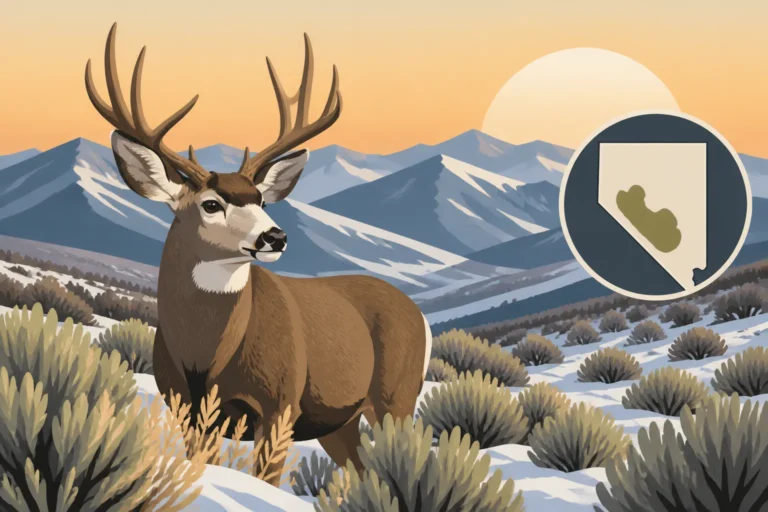
There’s arguably no period in the deer hunter’s calendar that sparks as much excitement, anticipation, and sometimes, outright frustration, as the mule deer rut. Many of us spend countless hours dreaming of catching that mature buck when he’s distracted and moving, but trying to pinpoint exactly when the mule deer rut actually starts in Nevada can feel like trying to catch smoke. It's not a single day on the calendar, but a dynamic period influenced by a complex interplay of factors that vary by region and even year to year. This guide will break down the science and field observations to help you understand when to expect this incredible phenomenon in the Silver State.
The Foundation of the Rut: What Triggers It?
Understanding when the mule deer rut actually starts means looking at what biological and environmental cues set the whole process in motion. It's not just a switch that gets flipped; it's a gradual buildup driven by ancient instincts.
Photoperiod: The Primary Driver
At its core, the mule deer rut is triggered by the shortening of daylight hours, a phenomenon biologists call photoperiod. As the days grow shorter after the summer solstice, a deer's brain registers this change. This isn't unique to Nevada, of course, but it’s the universal clock that sets the initial timing for deer species across the continent. This consistent environmental cue ensures that fawns are born in the spring, when forage is abundant and conditions are milder, giving them the best chance for survival.
This subtle shift in daylight hours is what really kicks off the hormonal changes in bucks and does alike. Testosterone levels in bucks begin to rise, leading to increased aggression and a heightened interest in does. Simultaneously, does start to cycle into estrus, though not all at once. This photoperiodic trigger is why we generally see the rut occur within a relatively predictable window each year, even if external factors can influence its intensity and peak activity. Without this consistent natural calendar, nature's timing for new life would be thrown completely out of whack.
Hormones and Behavior: The Internal Clock
Once the photoperiod starts the process, it’s a cascade of hormones that drives the dramatic behavioral changes we see during the rut. For bucks, rising testosterone levels lead to a noticeable shift in their demeanor. They become more aggressive, often sparring with other bucks, and their necks will swell, giving them that classic rutting appearance. Their primary focus shifts from feeding to seeking out receptive does.
Does also undergo hormonal changes, signaling their readiness to breed. They will enter estrus, a short period when they are receptive to breeding. A doe might only be in estrus for 24-48 hours, which means bucks must constantly be on the move, checking and chasing her. This intense, high-energy pursuit is what makes the rut so exciting for hunters. It’s a time when otherwise secretive and nocturnal bucks become much more visible, often throwing caution to the wind in their quest to find a mate. Many hunters find that "Glassing Nevada's Basin and Range for Mule Deer" becomes even more productive during this period, as bucks are moving through the open country at all hours.
The Nevada Rut's Timeline: More Than Just a Few Days
While the overall framework of the rut is governed by photoperiod, the exact timing and intensity within Nevada can be quite varied. Our state's diverse geography, from high mountains to vast desert basins, plays a huge role in how and when mule deer engage in this annual drama.
Pre-Rut: The Warm-Up Act (Late October – Early November)
Before the full-blown chaos of the peak rut, there’s a crucial "pre-rut" phase. This is when bucks start to get serious, but the does aren't quite ready to breed yet. You'll begin to see bachelor groups of bucks breaking up as aggression levels rise. They’ll start rubbing velvet off their antlers in late summer, but by late October, they’re actively establishing dominance and marking territory through rubbing trees and making scrapes. These are clear indicators that their minds are shifting from summer leisure to winter procreation.
During this pre-rut period, bucks are often very predictable. They’re still feeding heavily, trying to pack on calories before the exhausting main event, but they’re also starting to cruise. They'll be checking traditional doe bedding and feeding areas, leaving scent, and testing the waters. This can be an excellent time to target a specific buck you've patterned, as he might be easier to intercept before he becomes entirely consumed by chasing. Many hunters utilize tools like GoHunt to analyze historical patterns and unit reports to identify areas where this pre-rut activity often starts earliest.
Peak Rut: The Main Event (Mid-November – Early December)
For most of Nevada, the peak of the mule deer rut typically falls between mid-November and the first week or two of December. This is when the majority of does come into estrus, and buck activity hits its fever pitch. You’ll witness bucks relentlessly chasing does, often to the point of exhaustion for both animals. They’ll be much less cautious, focusing almost entirely on breeding, which can make them more visible during daylight hours. This is the period when "Why Late Seasons Produce Bigger Bucks" often proves true, as the largest bucks are out and about, competing for breeding rights.
During the peak rut, bucks are expending an incredible amount of energy. They're barely eating, constantly moving, and often sparring. It’s not uncommon to see multiple bucks pursuing a single doe, creating a chaotic but exciting scene. Hunters who have drawn a late season tag often aim for this window, as the chances of encountering a mature buck are significantly higher. The sheer amount of movement means that patient glassing, especially at dawn and dusk, can pay huge dividends.
| Rut Phase | Typical Nevada Timing | Buck Behavior | Hunting Strategy |
|---|---|---|---|
| Pre-Rut | Late October – Early November | Bachelor groups break, increased rubs/scrapes, cruising, feeding heavily | Pattern specific bucks, ambush travel corridors, focus on feeding areas |
| Peak Rut | Mid-November – Early December | Intense chasing, breeding, bucks less cautious, constant movement, sparring | Relentless glassing, still-hunting through known rutting areas, calling (sometimes) |
| Post-Rut | Mid-December – January | Bucks exhausted, seeking solitude/food, beginning migration, antler drop | Focus on food sources, winter range, "Hunting the Post-Rut Migration for Big Bucks" |
Regional and Elevation Variations
Nevada is a massive state with incredibly diverse topography, and this directly impacts the rut's timing. Generally, deer at higher elevations or in more northern, colder units might experience an earlier rut compared to those in warmer, lower desert environments further south. For instance, a mule deer herd in the high Ruby Mountains might kick off their peak rut a week or two before a herd in the low, arid ranges near Las Vegas.
Weather can also play a role, not in triggering the rut itself, but in its intensity and visibility. A sudden cold snap or early snowfall can often make bucks more active and visible, pushing them to move more during daylight. Conversely, unseasonably warm weather might make them more nocturnal, making them harder for hunters to locate. When you're "Reading a Nevada Hunt Unit Before You Apply", it's wise to consider the unit's elevation and typical weather patterns to better anticipate rut timing. Using e-scouting tools like GoHunt can help you overlay elevation data with historical weather trends to fine-tune your expectations.
Hunting the Rut: Strategies for Active Bucks
Catching the rut at its peak is the dream for many deer hunters, and rightly so. Bucks are often less cautious, more visible, and driven by a singular purpose. But it still takes smart strategies to capitalize on this frenzied period.
Glassing for Constant Movement
During the rut, bucks are on the move almost constantly. They're covering ground, checking for does, chasing, and occasionally fighting. This makes glassing an incredibly effective strategy, especially in Nevada's open, expansive terrain. Instead of still-hunting through thick timber, you'll want to find a high vantage point that allows you to survey vast swaths of country. Spend hours patiently picking apart draws, basins, and ridges. Bucks often follow established travel corridors between bedding and feeding areas, or between doe groups, and these can be hot spots during the rut.
Set up your spotting scope and binoculars early, ideally before first light, and stay put. Bucks can appear out of nowhere, often pushing a doe across a seemingly open flat. The "Best Time of Day to Glass a Basin" during the rut is essentially all day, as activity can spike at any moment. While dawn and dusk are still prime, the mid-day lull can often be interrupted by a hot doe drawing bucks out of their beds. Having high-quality optics and a steady tripod is absolutely critical for spotting these subtle movements from a distance, allowing you to plan your stalk before the buck disappears into the broken country.
Playing the Chase: Interception Tactics
When a buck is actively chasing a doe, he has one thing on his mind, and it's not you. This tunnel vision can be your greatest asset. If you spot a buck pursuing a doe, try to predict their likely travel path. Are they heading into a specific drainage, over a saddle, or along a bench? Often, these chases will lead them to a place where you can get ahead or intercept them. It’s a fast-paced game, and you need to be decisive.
Sometimes, a well-timed bleat or grunt call can get a buck's attention, especially if he thinks another buck is moving in on his doe. While not as universally effective as calling for elk, it can occasionally work if used judiciously. The key is to be in position, maintain your stealth, and be ready to shoot quickly. "Judging a Mule Deer Buck at Distance" becomes even more important, as opportunities can be fleeting. Remember, these bucks are often moving at a fast clip, so choosing a reliable rifle with a flat trajectory, suitable for "Choosing a Rifle for Basin and Range Country," is a smart move.
Tracking and Still-Hunting in Active Areas
While glassing dominates in open country, there are times when still-hunting or tracking can be effective, particularly in areas with more cover or patchy timber. During the rut, bucks leave a lot of sign: fresh tracks, rubs, and scrapes. If you find an area with concentrated fresh sign, it's worth slowing down and moving quietly through it. This might be a favored bedding area for does, or a travel corridor that bucks use to scent-check.
Pay close attention to recent buck activity. Large, distinct tracks, especially if they’re cutting through fresh snow or soft dirt, indicate a buck on the move. Listen for the rustling of leaves or the snapping of branches—bucks crashing through brush, focused on a doe, can sometimes give away their position. This technique requires patience and a keen eye for detail. Understanding "How Far to Stalk a Bedded Mule Deer" is also critical, as you might find rutting bucks bedded down in unexpected spots after a long chase.
Beyond the Peak: Late Season Opportunities
Even after the main event of the rut winds down, there are still significant opportunities for hunters, particularly for those holding later season tags. The post-rut period and the onset of winter migrations create unique scenarios for finding deer.
The Post-Rut Decline: Bucks Seeking Solitude
Once the peak breeding activity subsides, typically by mid-December, bucks enter the post-rut phase. They are often utterly exhausted, having spent weeks burning through their fat reserves, rarely eating, and constantly fighting or chasing. Their testosterone levels begin to drop, and their primary focus shifts dramatically to survival: finding food, recovering energy, and avoiding further stress. This is often when you'll find them seeking solitude, sometimes in surprising places, to recuperate.
During this time, big bucks can be particularly vulnerable if you know where to look. They'll be feeding aggressively, trying to regain the weight lost during the rut. They might also start to gather in smaller bachelor groups again or simply isolate themselves. Hunters targeting these animals will need to shift their focus from looking for chasing bucks to looking for bucks on prime feed in sheltered areas. This is where "Hunting the Post-Rut Migration for Big Bucks" truly shines, as deer move towards their winter range.
Winter Range and Migration Patterns
As winter progresses, especially with the arrival of snow at higher elevations, mule deer will begin their migration to lower, more hospitable winter range. This can create predictable movement patterns that hunters can exploit. Deer will funnel through specific saddles, canyons, and pinch points as they move from their summer feeding grounds to their winter havens. Understanding these migration routes, often through satellite imagery or historical knowledge, can be key to success.
Utilizing tools like GoHunt to scout and understand migration corridors and historical wintering grounds can provide a significant advantage. By identifying these areas, you can position yourself along these travel routes. The deer are focused on moving and feeding, often in larger groups, which can make them easier to spot. However, they are also wary, so stealth and patience remain paramount. Many "Late Rifle Deer Seasons in Nevada" are specifically timed to coincide with these post-rut migrations, offering a final opportunity to intercept these animals as they move to their winter range.
Disclaimer
This article is for general informational purposes only and does not constitute professional advice. Laws, prices and regulations vary by location and change over time. Consult a qualified professional for guidance on your specific situation.