How Nevada Bear Numbers Have Changed
For many hunters, the idea of black bears roaming the sagebrush and pine-covered mountains of Nevada can come as a surprise. The Silver State conjures images of vast, open deserts and mule deer, not necessarily dense forests teeming with Ursus americanus. But the truth is, Nevada's black bear population has undergone a fascinating and significant transformation over the decades, moving from a sparsely sighted species to a more established and even expanding presence in certain areas. This guide will explore that journey, delving into how bear numbers have changed and what factors contribute to their current status in the state.
The Historical Journey of Nevada's Black Bear Population
It's easy to assume that black bears have always been an integral, if elusive, part of Nevada's diverse wildlife. However, their history here is far more dynamic than a static presence. Understanding where they've come from helps us appreciate their current distribution and numbers.
Scarce Beginnings and Early Perceptions
If you were to consult historical records from the late 19th and early 20th centuries, you'd find accounts of black bears in Nevada, but they were certainly not abundant. The sheer vastness and arid nature of much of the state naturally limited their numbers to areas with reliable water sources and dense cover. These were primarily the forested mountain ranges along the state's western and eastern borders, often extensions of more robust populations in California and Utah. Think of the eastern flanks of the Sierra Nevada, where bears could find refuge in the aspen and pine forests.
During this era, settlement and resource extraction often led to direct conflict. Bears were sometimes viewed as competitors for resources or threats to livestock, leading to extensive trapping and hunting with little regulation. Combined with habitat alteration from early logging and grazing, these pressures severely reduced populations. For a long time, the prevailing perception was that Nevada was simply too dry and open to support a significant bear population, leading to less focus on their conservation compared to other game species. It was a time when many populations across the West were struggling, and Nevada's small, isolated groups were particularly vulnerable.
Resurgence and Range Expansion in Recent Decades
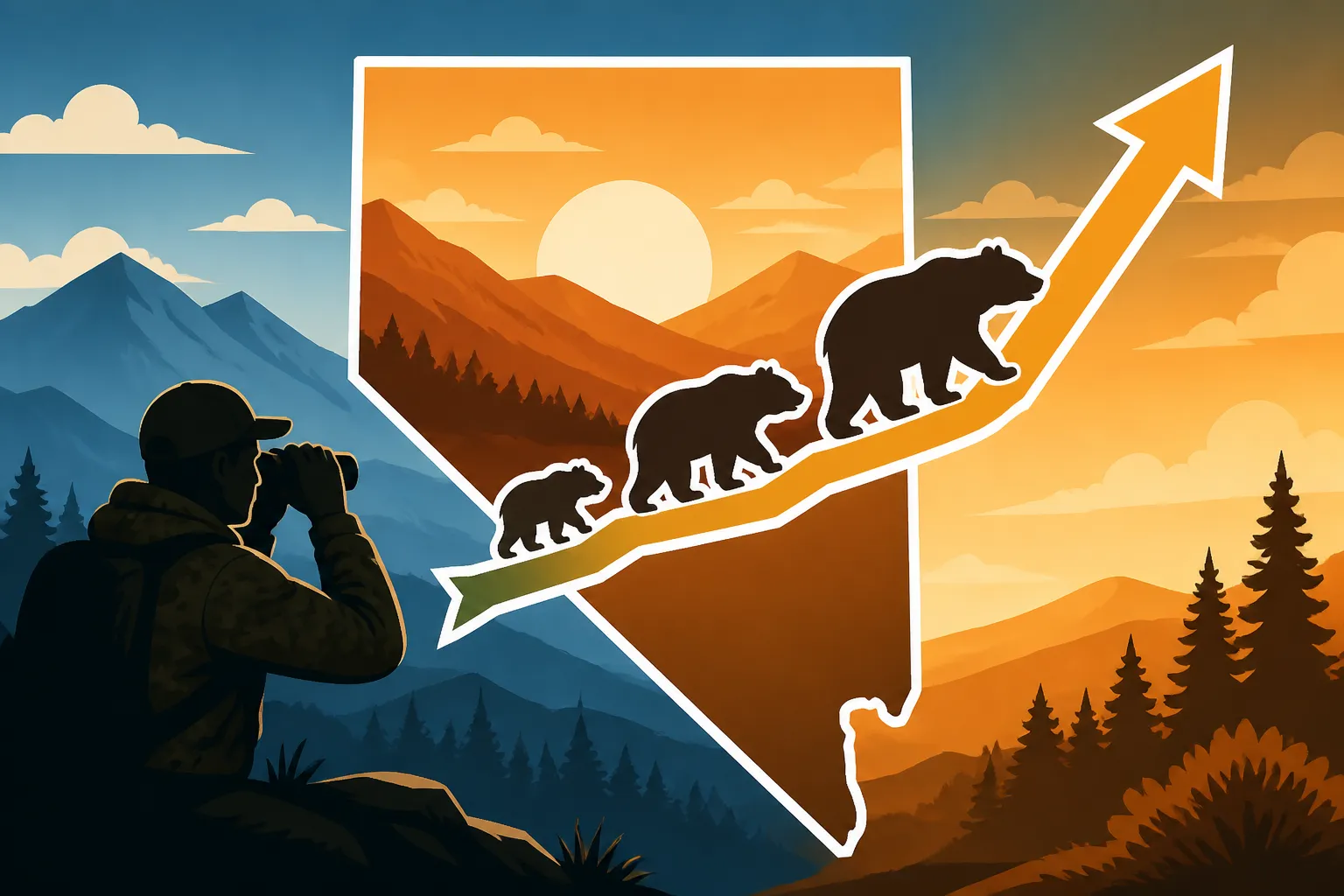
Fast forward to the latter half of the 20th century and into the 21st, and the story shifts dramatically. Nevada's black bear population has experienced a remarkable resurgence and a noticeable expansion of its range. This isn't just anecdotal; wildlife agencies have documented increasing numbers and territories. This comeback is largely attributed to several factors, including improved wildlife management practices, stricter regulations on take, and a natural expansion from neighboring states where bear populations were also thriving. We've seen a noticeable trend where Black Bear Returned to Western Nevada, particularly along the Sierra Front.
These highly adaptable creatures, given the right conditions, have demonstrated an incredible ability to recolonize historic habitats and even push into new ones. While the densest populations remain in the western mountain ranges, particularly those extending from California, there's been documented activity and even established breeding populations further east. The availability of food sources, the resilience of bear biology, and a general reduction in direct persecution have all played a crucial role. It's a testament to how robust wildlife populations can rebound when given a chance.
Key Ecological Drivers Behind Population Shifts
Understanding that bear numbers have changed is one thing, but knowing why is key to appreciating the complex dynamics at play. Several ecological factors fundamentally drive the ebb and flow of black bear populations in Nevada.
Habitat Quality and Connectivity
For any wildlife species, good habitat is non-negotiable, and for black bears, it's about more than just trees. They need a mosaic of dense cover for security and denning, reliable water sources, and diverse food options. In Nevada, this often means specific types of forests like Ponderosa pine, aspen groves, and mixed conifer stands, particularly at higher elevations. The presence of such habitats in the eastern Sierra Nevada, the Wassuk Range, the Ruby Mountains, and even parts of the Schell Creek Range provides the necessary backbone for bear populations.
Crucially, it's not just about isolated pockets of good habitat but also the connectivity between them. When bears can move safely between different mountain ranges and drainages, it allows for gene flow, aids in recolonization, and provides escape routes during times of stress. This connectivity explains why the Black Bear Range in Western Nevada has grown so consistently. Without these natural corridors, populations can become isolated and more vulnerable to local extinctions. Road networks, human development, and habitat fragmentation are constant pressures that can disrupt this vital connectivity, making sustained growth more challenging in some areas.
Food Availability and Environmental Factors
Black bears are opportunists, and their diet is incredibly varied, making them highly dependent on the availability of seasonal food sources. Berries (like serviceberry, chokecherry, and manzanita), acorns from oak species, pine nuts, roots, insects, and even carrion make up the bulk of their diet. The annual success of these mast crops directly impacts bear reproduction and survival, especially for cubs. A year with abundant natural foods means healthier sows, more successful breeding, and better cub survival rates.
Conversely, environmental factors like prolonged drought, which is an increasingly common concern across the Great Basin, can severely impact these food sources. When natural foods are scarce, bears are forced to travel farther and wider in search of sustenance, leading to increased stress, lower reproductive success, and unfortunately, more frequent encounters with humans. These environmental pressures are not just unique to bears; they impact all wildlife. When conditions are tough, we see it impact everything from deer populations, as discussed in "How Drought Affects Great Basin Deer," to the availability of water for all creatures. This push for food can drive bears into suburban areas, leading to conflict.
Human Development and Coexistence Challenges
As bear populations have grown and expanded, they inevitably come into closer contact with human settlements. This is where the challenges of coexistence really emerge. Bears are intelligent and quick to learn that human areas often represent easy food sources – garbage cans, pet food, bird feeders, fruit trees, and even unsecured beehives. This leads to a rise in human-bear conflicts, from property damage to public safety concerns.
This increase in interaction presents a significant management conundrum. On one hand, it's a success story of conservation; on the other, it requires proactive strategies to mitigate conflicts and ensure public safety while allowing bears to thrive. Education campaigns aimed at residents about securing attractants, deterrent methods, and, in some cases, relocation efforts are all part of the ongoing effort to manage this growing interface. It's a constant balancing act between nature and human expansion.
Monitoring and Management of Nevada's Black Bear Population
The increase in Nevada's black bear population has necessitated robust monitoring and management strategies by the state's wildlife agencies. This isn't just about controlling numbers, but about ensuring the long-term health of the species while addressing the realities of human-wildlife interaction.
How Bear Numbers Are Tracked and Estimated
Accurately estimating black bear populations is a complex task, especially for a wide-ranging and often elusive species living in varied terrain. Wildlife biologists employ a suite of sophisticated techniques to get the most reliable numbers possible. These often include extensive field surveys, which can involve hair snares where bears leave hair samples for DNA analysis as they pass through, or scat collection to study diet and genetics. Trap-and-release programs, where bears are safely captured, marked with ear tags or radio collars, and then released, provide invaluable data on movement, survival, and reproductive rates.
Direct observation, while useful, is often supplemented by these more scientific methods to develop comprehensive population estimates. Agencies use this data to understand the overall health of the population, assess reproductive success, and track range expansion. For hunters interested in digging into the raw data and understanding these trends, resources like GoHunt often aggregate state-published harvest statistics and population reports, offering a valuable tool to see the numbers behind "The Black Bear Population Estimate Explained." This transparency helps everyone, from biologists to the average citizen, understand the nuances of bear populations.
Regulating the Harvest: Season Structure and Quotas
To manage population growth, reduce human-bear conflicts, and provide recreational hunting opportunities, Nevada implements a highly regulated black bear season. This isn't a free-for-all; it's a carefully structured system built on scientific data and managed with strict quotas. "How Nevada Manages Its Bear Season" involves setting specific hunt units, opening and closing dates, and, most importantly, harvest limits. These quotas are often sex-specific (e.g., limits on the number of female bears harvested) to protect the reproductive capacity of the population.
The season is designed to be responsive, meaning it can be closed early if harvest quotas are met, often without prior notice. This is a critical mechanism for adaptive management, ensuring that harvest levels remain sustainable. Understanding "What Triggers a Nevada Bear Season Closure" is crucial for any bear hunter. These rules are put in place to ensure that bear populations remain healthy and viable for future generations. Additionally, rules around methods of take, such as strict prohibitions on certain practices like baiting, are designed to maintain fair chase principles and ethical hunting. Understanding "Baiting Rules That Apply to Bears" is therefore essential for compliance.
Conservation Efforts and the Future Outlook
Beyond hunting regulations, ongoing conservation efforts are vital for the future of Nevada's black bears. This includes public education initiatives to teach residents how to secure attractants, avoid habituating bears to human food sources, and understand proper behavior during bear encounters. Habitat preservation and restoration also play a key role, especially in maintaining critical corridors and ensuring the long-term viability of preferred habitats.
The future of Nevada's black bear population hinges on a balanced approach. It requires continued scientific monitoring, adaptive management of hunting seasons, and a concerted effort to foster coexistence between humans and bears. As Nevada continues to grow and climate patterns shift, agencies will need to remain agile in their strategies. Hunters can access information on "How Nevada Sets Its Season Framework" to see the comprehensive strategy. By staying informed and practicing responsible outdoor ethics, we can all contribute to the continued thriving of this iconic, yet often surprising, resident of the Silver State.
| Aspect | Historical (Early 20th Century) | Current (Recent Decades) |
|---|---|---|
| Population Status | Scarce, localized, low densities | Increasing, expanding, higher densities in suitable areas |
| Primary Range | Isolated mountain ranges, generally Western/Eastern borders | Western Nevada (Sierra Nevada front), Eastern Nevada mountains |
| Key Limiting Factor | Habitat loss, unregulated take, human persecution, lack of food | Drought impacts on food, human-bear conflict, habitat fragmentation |
| Management Focus | Little specific management, often viewed as nuisance | Active population monitoring, regulated harvest, public education |
Disclaimer
This article is for general informational purposes only and does not constitute professional advice. Laws, prices and regulations vary by location and change over time. Consult a qualified professional for guidance on your specific situation.