Carcass Transport Rules After a CWD Detection
Finding out that Chronic Wasting Disease (CWD) has been detected in a hunting unit can throw a huge wrench into a hunter's plans, bringing with it a lot of questions and anxieties, especially concerning what you can and can't do with your hard-earned harvest. The last thing any ethical hunter wants is to inadvertently contribute to the spread of this devastating disease. This guide will walk you through Nevada's specific regulations regarding carcass transport after a CWD detection, helping you understand the rules and make informed decisions to protect our wildlife resources.
Understanding Chronic Wasting Disease CWD and Its Spread
Chronic Wasting Disease is a serious, fatal neurological disease affecting cervids, which include deer, elk, and moose. It's not just a concern for wildlife managers; it's a critical issue for every hunter who cherishes the experience of pursuing these animals. The disease causes characteristic lesions in the brains of infected animals, leading to emaciation, behavioral changes, and eventual death.
The Disease Itself: Prions and Transmission
CWD is caused by abnormal proteins called prions. Unlike bacteria or viruses, prions are incredibly resilient and can persist in the environment for years, making containment a significant challenge. Animals can contract CWD by direct contact with an infected animal's body fluids (like saliva, urine, or feces) or indirectly through contaminated soil, plants, or water. There's currently no vaccine or cure, which means management strategies focus heavily on preventing its spread and reducing herd prevalence where it exists. The scientific community is still learning about CWD, but what we do know emphasizes caution and responsible practices.
It's a slow-acting disease, often taking months or even years for an infected animal to show noticeable symptoms. This long incubation period makes it particularly insidious, as an apparently healthy animal could be shedding prions into the environment long before it appears sick. This is why widespread testing and strict carcass handling rules become so important in areas where the disease has been found. The resilience of prions in the environment also underscores why specific parts of a carcass, particularly those with higher concentrations of these proteins, must be handled with extreme care.
Geographic Spread and Hunter Responsibility
CWD has been identified in a growing number of states and Canadian provinces, slowly but surely making its way across the landscape. The movement of infected carcasses or parts by hunters has been identified as a significant factor in its geographic spread. Imagine bringing a deer from a known CWD area back to your home unit, field dressing it in your backyard, and then discarding the parts. Those prions could then contaminate the local soil, potentially infecting the deer herd in your beloved hunting grounds. This is why hunter vigilance and adherence to regulations are paramount.
Every hunter has a responsibility not only to harvest ethically but also to ensure they are not vectors for disease transmission. It's a heavy burden, but one that is essential for the long-term health of our deer and elk populations. Staying informed about where CWD has been detected, understanding the rules, and practicing responsible carcass disposal are crucial actions for every one of us. Resources like GoHunt can be invaluable for tracking CWD information and staying current on regulations in various units.
Nevada's Approach to CWD Management
Nevada, like many states, takes CWD very seriously, even though detections have historically been less widespread than in some other regions. The Nevada Department of Wildlife (NDOW) has established a proactive management plan designed to detect, monitor, and mitigate the spread of CWD within the state's cervid populations. This includes surveillance efforts, testing programs, and specific regulations that activate when a detection occurs.
Monitoring and Sampling Programs
NDOW conducts ongoing CWD surveillance through mandatory and voluntary testing programs across various hunt units. This involves collecting tissue samples, primarily lymph nodes and brainstem, from harvested deer and elk. Hunters are often asked to provide samples at check stations or designated collection sites, especially in units deemed at higher risk or those bordering states with known CWD presence. These efforts are vital for understanding the disease's distribution and prevalence. You can learn more about specific collection points and testing requirements by checking resources like Where Nevada CWD Sampling Happens.
When a positive CWD case is identified, it triggers a cascade of responses, including intensified surveillance in the affected unit and surrounding areas. This might involve additional voluntary sample collections, or in some cases, mandatory submissions for all harvested animals in a specific zone. Hunters should always check the latest NDOW regulations before heading into the field, as these requirements can change rapidly based on new detections. Understanding How Chronic Wasting Disease Testing Works can also help hunters appreciate the scientific rigor behind these efforts.
Communication of Detection and Response Zones
Once CWD is detected in a specific hunt unit or geographic area, NDOW acts swiftly to communicate this information to hunters and the public. This typically involves official press releases, updates on their website, and direct communication to hunters who have drawn tags in the affected zones. These communications will clearly define any newly established CWD "management zones" or "response areas" and outline the specific carcass transport rules that now apply to those areas.
It's absolutely critical for hunters to pay close attention to these announcements. A unit that was clear last year might have new restrictions this season. Websites like GoHunt often aggregate this kind of state-by-state information, making it easier for hunters to find updated CWD maps and rules. These "response zones" are not arbitrary; they are carefully defined by biologists based on herd movements, geographic barriers, and the potential for disease transmission. Adhering to the specific rules for these zones is non-negotiable for responsible hunters.
Specific Carcass Transport Regulations After a CWD Detection
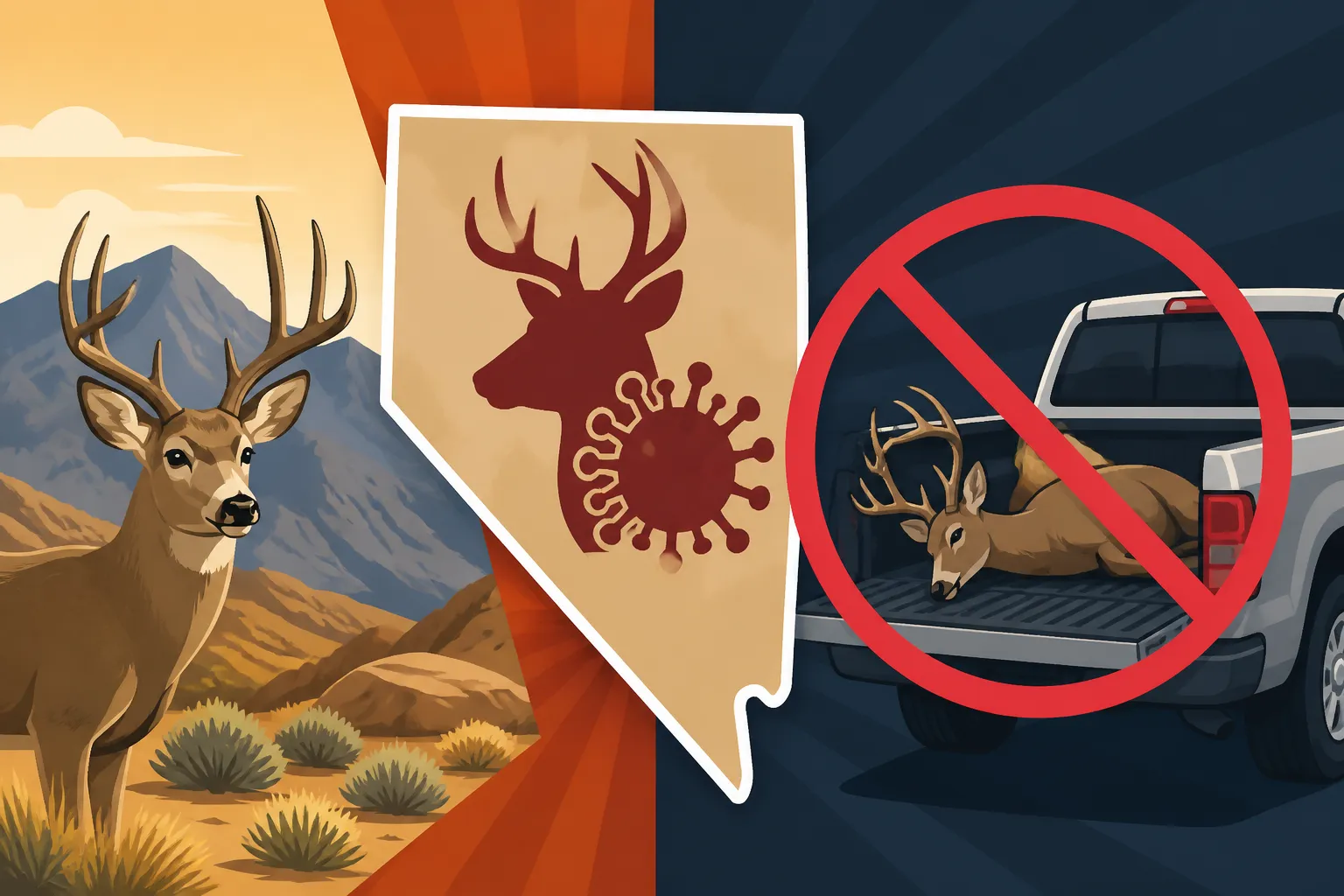
When CWD is detected, Nevada implements strict rules regarding the transportation of carcasses and carcass parts out of the affected area. These regulations are designed to minimize the risk of spreading prions to new locations. The general principle is to remove as much high-risk material as possible before transporting an animal.
The "Clean" Parts Rule
The cornerstone of CWD carcass transport regulations is the "clean" parts rule. This means that only specific low-risk parts of a harvested animal can be transported out of a CWD management zone. These typically include:
- Deboned meat: Muscle tissue that has been completely removed from the bone. This is generally considered very low risk.
- Clean skull plate or skull: A skull plate must be free of all brain tissue, eyes, and spinal cord. If transporting an entire skull, it must also be thoroughly cleaned of all tissue.
- Antlers: Detached antlers or those still attached to a cleaned skull plate.
- Hides: Untanned hides that have been completely removed from the carcass.
- Teeth: Individual teeth, often used for age estimation.
All other parts, especially the brain, spinal cord, lymph nodes, spleen, and eyes, are considered high-risk and generally cannot be transported out of the CWD management zone. This means extensive field dressing and boning out are often required on site. This can be challenging, especially for hunters unfamiliar with the process, or when dealing with larger animals like elk. However, it's a critical step in containing the disease. For tips on practical field work, considering reading up on Field Dressing in August Heat or Getting Meat Cooled on an Early Season Hunt.
Skull, Antler, and Hide Rules
While antlers are generally considered low risk, special care must be taken with skulls. If you plan to keep the skull for a European mount or taxidermy, you'll need to ensure it's completely free of brain and spinal cord tissue before transport. This usually means boiling or pressure washing the skull to remove all soft tissue. Simply removing the brain isn't enough; the surrounding membranes and tissue must be gone. Many taxidermists in CWD-affected areas are well-versed in these requirements and can advise or assist.
Hides are generally safe to transport once they've been completely skinned from the animal. However, if there's any remaining muscle or tissue attached, it should be removed. The key is to minimize any organic material that could potentially harbor prions. For hunters wishing to preserve a cape for a shoulder mount, the cape itself, once removed cleanly, can usually be transported, but the skull must adhere to the "clean skull plate" rules. Always double-check NDOW's specific guidance for the current year and area.
Exceptions and Permitting
In some rare instances, there might be specific exceptions or permitting processes for transporting whole carcasses or restricted parts under highly controlled conditions, often for scientific research or specific rendering facilities. However, these are highly unusual and would require explicit authorization from NDOW. Hunters should never assume such exceptions exist without direct, written permission. The general rule of "clean parts only" should always be your default assumption when hunting in a CWD-detected area.
It is absolutely vital to know the boundaries of any CWD management zones. Carrying a reliable mapping application like GoHunt on your phone with public land and unit boundaries downloaded can be immensely helpful. Before applying for a tag, it's also worth researching Reading a Nevada Hunt Unit Before You Apply to understand how units are designated and how CWD zones might overlay them.
Preparing Your Harvest for Transport from a CWD-Affected Area
Proper preparation of your harvest is paramount, not only for meat quality but also for complying with CWD transport regulations. This often means more extensive field processing than you might typically undertake.
Field Dressing and Boning Out
The most effective way to comply with CWD carcass transport rules is to field dress your animal thoroughly and then bone out all the meat at the kill site or at a designated processing station within the CWD management zone. This means removing all bones, internal organs, brain, and spinal cord. Leave these high-risk materials in the unit where the animal was harvested. This practice significantly reduces the risk of prion transmission.
Boning out requires a good knife, game bags, and a clear understanding of anatomy. For larger animals, it can be a significant undertaking, especially if you're alone or in challenging terrain. However, it is the safest and most compliant method. You'll pack out just the deboned meat, skull plate, and antlers (if cleaned), leaving the rest behind. This also aligns well with Packing an Animal Out of Roadless Country requirements where you're already trying to reduce weight.
Cooling and Storage Considerations
Even after boning out, properly cooling and storing your meat is critical. In Nevada's often warm hunting seasons, especially early archery or muzzleloader hunts, keeping meat cool is a challenge. Game bags are essential, and access to ice or a walk-in cooler can make all the difference. While these steps are important for preventing spoilage, they also indirectly help with CWD management by ensuring any compliant parts are handled correctly.
If you're operating in a CWD zone, having a plan for immediate cooling and processing is even more important. Some communities near CWD zones may have facilities that allow hunters to process their animals on-site and dispose of high-risk parts correctly. Always inquire about these services ahead of time. Remember, the goal is to prevent any movement of contaminated material, so even cooling practices should be considered through this lens.
Tagging and Evidence of Sex
All standard tagging and evidence of sex requirements still apply, regardless of CWD. You must immediately tag your downed animal. For evidence of sex, this often means leaving a portion of the head or specific reproductive organs attached to the meat until it reaches its final destination or processing facility. However, with CWD regulations, you may need to consult NDOW's specific guidance on how to maintain evidence of sex while also adhering to the "clean parts" rule.
For example, if the entire skull must be left behind, you might need to carry a very specific, clearly defined part of the animal (e.g., specific organs) to prove the sex of your harvest. Always refer to the latest regulations, as these details can be nuanced. Mandatory Reporting After a Nevada Harvest outlines the general rules, but CWD adds an extra layer of complexity to these requirements.
The Importance of Mandatory Reporting and Testing
Every hunter plays a vital role in CWD management. Your cooperation with reporting and testing procedures is fundamental to NDOW's ability to track and respond to the disease.
Hunter's Role in Surveillance
When CWD is a concern, hunters become the frontline defense. By cooperating with check stations, submitting samples, and reporting any animals exhibiting symptoms, you provide invaluable data to wildlife biologists. This data helps them understand the disease's distribution, estimate prevalence rates, and refine management strategies. Without hunter participation, it would be nearly impossible to get a clear picture of CWD's presence in Nevada.
It's understandable that these requirements can add extra steps to an already demanding hunt. However, the long-term health of our wildlife depends on this collective effort. Think of it as an investment in the future of hunting. When you check into a station or provide a sample, you're directly contributing to conservation.
Mandatory Reporting After a Nevada Harvest
Nevada has general mandatory harvest reporting requirements for big game. When hunting in a CWD-affected unit, these reporting requirements often become even more stringent, with specific deadlines and methods for carcass disposal or sample submission. It is your responsibility to understand and comply with these requirements, which will be detailed in the hunt regulations for your specific tag and unit.
The information gathered through these reports, combined with testing results, helps NDOW make informed decisions about herd health and future hunt allocations. For context, you might be interested in Why Nevada Sets Its Tag Quotas which explains how these decisions are made. Failure to comply with mandatory reporting and testing in CWD zones can lead to penalties and, more importantly, can jeopardize the collective effort to manage the disease.
What to Do if You Suspect CWD
If you encounter an animal in the field that appears sick or is exhibiting symptoms consistent with CWD (e.g., extreme emaciation, stumbling, drooling, dull coat), do not harvest it. Instead, immediately contact NDOW and provide them with the exact location and a description of the animal. They will dispatch professionals to investigate.
It's also important to be cautious when handling any animal suspected of having CWD. While there have been no confirmed cases of CWD transmission to humans, the Centers for Disease Control and Prevention (CDC) recommends against consuming meat from CWD-infected animals. Reporting sick animals helps remove them from the population and allows for targeted testing, further strengthening the state's CWD surveillance.
Remember, CWD is a complex issue with evolving science and management strategies. Staying informed and being a proactive, responsible hunter are your best tools for navigating these challenges and helping to ensure healthy wildlife populations for generations to come.
Here's a quick summary of carcass parts and their transport rules from a CWD-positive unit:
| Carcass Part | Transport Allowed from CWD-Positive Unit | Notes |
|---|---|---|
| Deboned Meat | Yes | Must be completely removed from bone, all muscle tissue only. |
| Clean Skull Plate | Yes | Skull plate (cap) only, free of all brain material, eyes, and spinal cord tissue. |
| Whole Skull | Yes (with conditions) | Must be thoroughly cleaned of all brain and soft tissue. Boiling/pressure washing recommended. |
| Antlers (detached) | Yes | No restrictions. |
| Antlers (attached) | Yes (with conditions) | Only if attached to a clean skull plate, free of all brain and soft tissue. |
| Hide | Yes (with conditions) | Must be completely removed from the carcass; no meat or fat attached. |
| Teeth | Yes | Individual teeth are generally allowed. |
| Brain, Spinal Cord | No | Highly restricted; must be left in the CWD-positive unit. |
| Internal Organs | No | (Spleen, lymph nodes, intestines, etc.) must be left in the CWD-positive unit. |
| Whole Carcass | No | Cannot be transported out of a CWD-positive unit without specific, rare permitting from NDOW. |
| Carcass (on bone) | No | Except for "clean" skull plates and bones that are thoroughly cleaned of all tissue. |
Disclaimer
This article is for general informational purposes only and does not constitute professional advice. Laws, prices and regulations vary by location and change over time. Consult a qualified professional for guidance on your specific situation.