Mountain Lion Tagging Requirements in Nevada
Hunting mountain lions in Nevada is an incredibly unique and challenging experience, but navigating the specific tagging and reporting requirements can feel like an extra hurdle on top of an already tough pursuit. It's not just about taking the animal; it's about respecting the system that helps manage these elusive predators. This guide is here to walk you through exactly what you need to do once you've successfully harvested a mountain lion, ensuring you stay within the bounds of Nevada law and contribute to responsible wildlife management.
Understanding Nevada's Mountain Lion Management Philosophy
Let's face it, mountain lions are fascinating creatures, and hunting them isn't like chasing deer or elk. Nevada manages its lion population very carefully, recognizing their critical role in the ecosystem as apex predators. The state employs a robust system of quotas and reporting requirements designed to ensure healthy populations while providing hunting opportunities. This isn't just bureaucracy for bureaucracy's sake; it’s about collecting vital data to keep things balanced for years to come.
Why Lion Management is Unique in Nevada
Unlike many other big game species, mountain lions have a specific management framework that often involves open seasons by zone, but with strict harvest quotas that can close a unit at any moment. This dynamic system means you, as a hunter, have a critical role to play in the management process beyond just ethical hunting. Your immediate actions post-harvest directly impact the ability of wildlife officials to track quotas and make timely decisions. Missing a step could not only invalidate your harvest but also disrupt the data necessary for future management. It’s a real responsibility that comes with the privilege of pursuing such an incredible animal. If you're really interested in the broader picture, delving into How Nevada Manages Lion Harvest can give you a deeper appreciation.
The Role of Quotas and Zones
Nevada is broken down into various hunt units, and for mountain lions, these are often grouped into larger zones, each with its own specific harvest quota. These quotas are not arbitrary numbers; they are based on population estimates, habitat assessments, and historical harvest data. When a zone's quota is met, that zone closes to lion hunting, regardless of the official season dates. This is where the real-time nature of lion hunting comes into play. You need to be constantly aware of which zones are open and how close they are to reaching their quota. Websites and apps like GoHunt can be invaluable resources for checking these real-time updates. It's a system designed to be flexible and responsive, which means hunters need to be too. Understanding Nevada Mountain Lion Quotas and Zones is paramount before you even head out.
Essential Tagging Requirements for Mountain Lions in Nevada
Once you've harvested a mountain lion, the clock starts ticking for several crucial steps. This isn't the time to kick back and admire your success for too long; proper tagging is legally mandated and critical for tracking purposes. Messing up these initial steps can lead to significant headaches down the road, so pay close attention to the details.
The Physical Tag: What You Need to Know
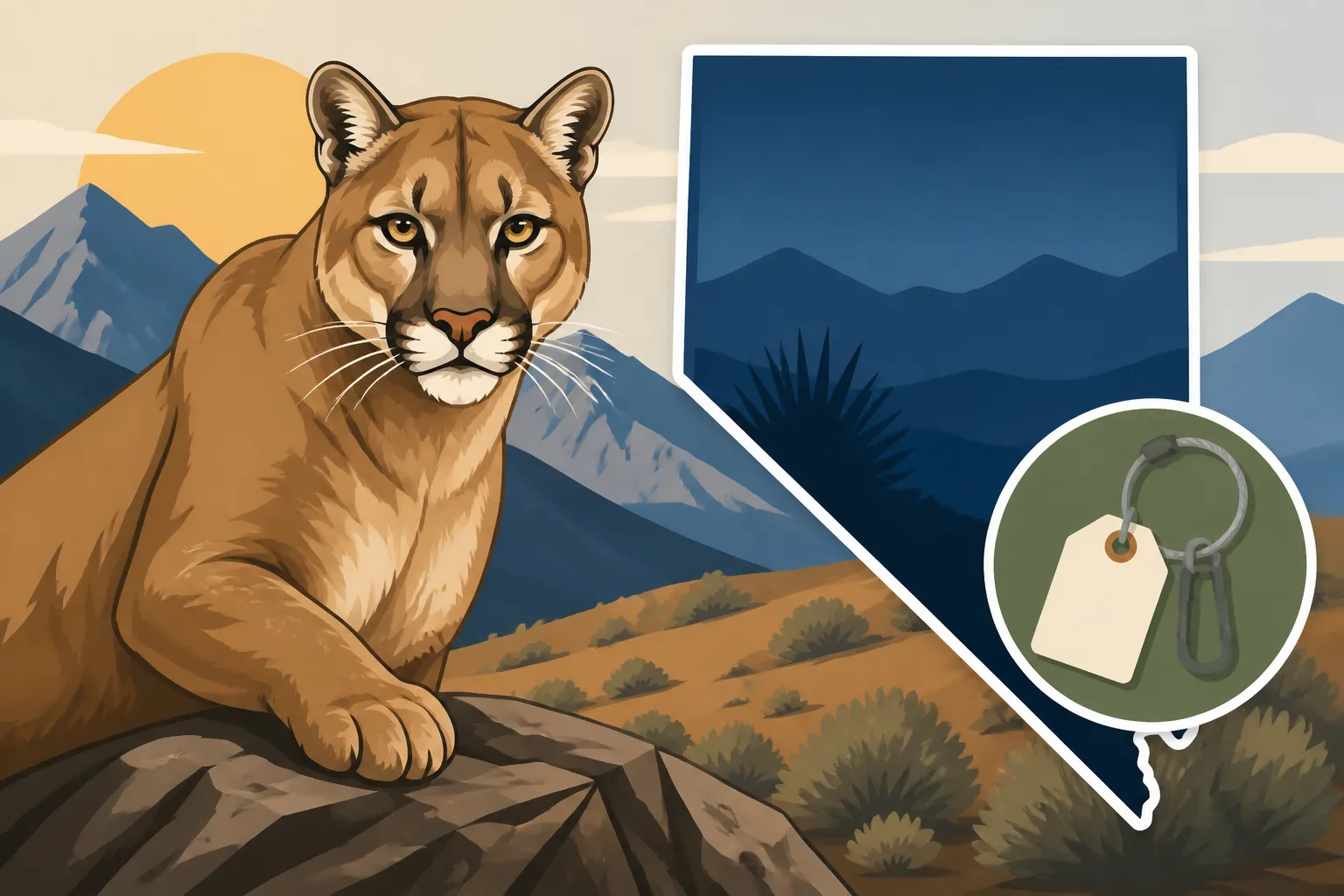
Your mountain lion tag, issued when you acquire your license, is a legal document that proves your right to harvest that animal. Immediately upon harvesting a mountain lion, you are required to detach the tag from your license and attach it to the carcass. This isn't a suggestion; it's a firm requirement. The tag needs to be securely fastened to the animal in a way that it cannot be removed or transferred without destroying it. We're talking about a physically robust attachment here, not just a casual loop. The purpose is unambiguous: to prevent any misidentification or illegal use of the tag. Don't forget that your regular hunting license and Nevada's Combination License Comes Before Any Tag are prerequisites for even getting a lion tag in the first place.
Time is of the Essence: Immediate Tagging After Harvest
The word "immediately" is critical here. This isn't something you can put off until you get back to camp or home. As soon as the animal is down and you've confirmed it's a legal harvest, you need to affix that tag. This promptness is crucial for maintaining the integrity of the harvest reporting system. Imagine a situation where you're transporting an untagged lion and get stopped by a game warden; it immediately raises questions and potential legal issues. This immediate action also serves as a clear indication that the animal belongs to a specific, licensed hunter. For other species, the rules are similar; it’s always about timely compliance, as discussed in How Soon You Must Tag a Downed Animal.
Evidence of Sex and Species Confirmation
When you harvest a mountain lion, the carcass must retain evidence of sex and species until it has been inspected and sealed by a Nevada Department of Wildlife (NDOW) official. For lions, this typically means leaving the skull and hide intact, including the tail, and ensuring the reproductive organs (testicles for males, vulva for females) are naturally attached or readily identifiable. This isn't just about verifying it's a lion; it's about gathering crucial biological data. Game wardens and biologists need to confirm the sex to ensure accurate quota tracking and population management. It prevents misrepresentation and allows for proper biological sampling, which is a cornerstone of responsible wildlife management. This requirement is consistent across many big game species, like those detailed in Evidence of Sex Requirements on a Carcass.
Mandatory Check-In and Reporting Procedures
Tagging is just the first step. The true legal and biological process for mountain lions culminates in a mandatory check-in with NDOW. This isn't just a formality; it's a critical part of how Nevada manages its lion populations. Skipping this step is a serious offense and undermines the entire conservation effort.
Why Checking Your Lion In Is Non-Negotiable
Every single mountain lion harvested in Nevada must be checked in with NDOW within a specified timeframe, typically within 72 hours of harvest. This check-in serves multiple vital purposes. Firstly, it allows NDOW to officially record your harvest, update the zone's quota, and confirm the legality of the take. Secondly, it's where biologists collect important scientific data. This data helps assess the health, age structure, and overall dynamics of the lion population in that specific area. Without this information, effective management becomes much more challenging. This requirement is similar to the broader Mandatory Reporting After a Nevada Harvest for all big game.
The Importance of Biological Data Collection
During the check-in, an NDOW official will typically examine the carcass. They'll often take measurements, collect biological samples (like teeth for aging, which provides incredibly valuable demographic data), and confirm the sex of the animal. This isn't just for curiosity's sake; this information helps biologists understand trends, identify potential issues within the population, and refine future hunting quotas. For example, if a disproportionate number of very young or very old animals are being harvested in a certain zone, it might signal something about the health or stability of that local population. Your lion isn't just a trophy; it's a data point contributing to the long-term health of the species.
What to Expect at a Check-In Station
When you arrive at an authorized NDOW check-in station (which you should locate before your hunt, often listed on the NDOW website or through resources like GoHunt), expect a thorough but straightforward process. You'll need your hunting license, your mountain lion tag, and the lion carcass in a state where evidence of sex is still attached. The official will inspect the animal, often confirm the location of harvest, and collect any necessary biological samples. They will then "seal" the tag, often by affixing a special metal or plastic seal directly to the hide, signifying that the animal has been legally checked in. They'll also likely provide you with a copy of the harvest report. This seal must remain on the carcass until it is processed into its final edible or taxidermy form.
Common Pitfalls and How to Avoid Them
Hunting mountain lions is already tough, and the last thing you need is a legal misstep. Many hunters run into trouble not because of malicious intent, but simply from misunderstanding or overlooking a critical detail. Let's cover some of the most common mistakes so you can steer clear of them.
Misunderstanding Zone Quotas
One of the biggest pitfalls for lion hunters in Nevada is failing to keep up with dynamic zone quotas. These quotas can close a season in a particular unit or zone with little to no prior warning, other than the official announcement. Imagine spending days Glassing Nevada's Basin and Range for Mule Deer, finally spotting a lion, making a successful stalk, only to find out the zone closed an hour ago. That's a gut-wrenching scenario. You absolutely must stay vigilant and check the quota status frequently, even daily, during your hunt. NDOW's website is the official source, but tools like GoHunt often offer convenient, real-time updates pushed directly to your phone. Don't rely on word-of-mouth or assume that because it was open yesterday, it's open today. This is one area where constant vigilance pays off. You'll find current quota tables and updates where Nevada Posts Tag Quota Tables.
Forgetting Your Tag or License
It sounds simple, almost too simple, but it happens more often than you'd think. In the excitement and focus of a hunt, a hunter might leave their actual physical tag or even their entire license back at camp or in the truck. You must have your tag on your person, readily accessible, at all times while hunting and immediately available for attachment upon harvest. An untagged animal, even if legitimately harvested, can cause a world of legal trouble, including citations and confiscation. Double-check your pockets, your pack, or whatever system you use. Make it part of your pre-hunt routine, just like checking your rifle zero for Rifle Zero Distance for Long Sage Shots.
Transporting an Untagged Lion
Once you've harvested and immediately tagged your mountain lion, you still have the responsibility of legally transporting it to a check-in station. This means that the tag must remain securely attached to the carcass, and any evidence of sex must be preserved, as discussed earlier. Transporting an untagged animal, or one where the evidence of sex has been removed prematurely, can lead to serious legal consequences. Think of it this way: until the NDOW official has sealed your tag and collected their data, the animal is still "under review" in a sense. Ensure your vehicle is prepared for the transport, considering the size and weight of a lion, and that you know the route to the nearest check-in point. Having a cooler ready for the meat and cape is always a good idea, especially if you're out hunting in warmer conditions where Heat Management on an August Archery Hunt is a concern.
| Action Required | Timeline | Key Details | Common Pitfalls to Avoid |
|---|---|---|---|
| Harvest & Immediate Tagging | Immediately upon harvest | Detach tag from license, securely affix to carcass. Retain evidence of sex. | Forgetting tag, delaying attachment, damaging evidence of sex. |
| Carcass Preservation | Until check-in | Keep hide, skull, tail, and reproductive organs naturally attached or identifiable. | Removing too much evidence, improper field dressing. |
| Transport | To check-in station | Tag securely affixed, evidence of sex maintained. | Transporting untagged, or with insufficient evidence of sex. |
| Mandatory Check-In | Within 72 hours of harvest | Present license, tag, and carcass to NDOW. Biologists collect data, tag is sealed. | Missing the 72-hour window, not knowing check-in locations. |
| Quota Monitoring | Throughout the hunt | Actively check current zone quota status; seasons can close without notice. | Relying on outdated info, assuming zones remain open. |
Hunting a mountain lion is an incredible accomplishment, a testament to skill and perseverance. By meticulously following Nevada's tagging and reporting requirements, you're not just staying out of trouble, you're becoming an active participant in the conservation efforts that ensure these magnificent creatures continue to roam the sagebrush and mountains of the Silver State for generations to come. Always do your homework, stay informed, and enjoy the wild places Nevada has to offer.
Disclaimer
This article is for general informational purposes only and does not constitute professional advice. Laws, prices and regulations vary by location and change over time. Consult a qualified professional for guidance on your specific situation.