Why Nevada Transplants Sheep Between Ranges
Anyone who spends time chasing bighorn sheep in Nevada knows just how special and hard-won those opportunities are. But what many folks don't realize is the incredible amount of work that goes into managing these iconic desert dwellers, often involving the complex and absolutely critical process of moving sheep from one mountain range to another. It's not just about filling a quota; it's about safeguarding these herds for generations to come, and understanding why these transplant efforts happen can give you a whole new appreciation for every glimpse of a ram. This guide will dive deep into the crucial reasons behind Nevada's bighorn sheep transplant programs, shedding light on the challenges these animals face and the dedicated efforts to ensure their future.
The Challenge: Fragmented Bighorn Habitat and Disease
Hunting bighorn sheep in Nevada is often considered the pinnacle of Western hunting, but their populations haven't always been as robust as they are today in some areas. Historically, bighorn sheep faced immense pressure, leading to significant declines and fragmentation of their once widespread herds. Understanding these challenges is key to grasping why transplants are such a vital tool in modern wildlife management.
Historic Decline and Isolation
Imagine Nevada's vast, rugged landscape centuries ago, teeming with bighorn sheep. They roamed mountain range after mountain range, their populations interconnected by natural corridors. But as settlement expanded, so did the challenges for these wild sheep. Unregulated hunting in the past, combined with habitat encroachment and competition with domestic livestock, took a heavy toll. Herds dwindled, and critically, they became isolated. A once continuous population became a collection of small, scattered groups, each living on its own island of suitable habitat. These smaller, isolated pockets were incredibly vulnerable. They couldn't easily exchange genes with other herds, leading to a host of problems that can undermine a population's long-term health and resilience. Think of it like a remote village where everyone is related – eventually, that community faces inherent weaknesses.
The Ever-Present Threat of Disease
One of the most terrifying words for any bighorn biologist or enthusiast is "Movi." This refers to Mycoplasma ovipneumoniae, a respiratory pathogen that can be devastating to bighorn sheep. When a healthy bighorn herd comes into contact with domestic sheep or goats, or even a bighorn that's a carrier, Movi can sweep through the population, particularly impacting lambs and causing massive die-offs. A strong, healthy, and genetically diverse herd might have a better chance of recovering, but a small, isolated herd with limited genetic variability is far more susceptible to catastrophic losses from such diseases. This risk is a constant Sword of Damocles hanging over bighorn populations, making proactive management like transplants absolutely essential. Bighorn Disease Die-Offs Explained dives deeper into this critical issue.
Limited Genetic Diversity in Small Herds
When bighorn sheep populations become isolated, they effectively lose access to the wider gene pool that keeps a species healthy and adaptable. Over time, this leads to inbreeding. You might not see it immediately, but reduced genetic diversity means a herd has less ability to resist new diseases, adapt to changes in climate or habitat, or even maintain physical vigor. They become less resilient, making every challenge they face—from a harsh winter to a new predator—potentially more impactful. Transplants offer a powerful way to "mix up" the gene pool, introducing fresh blood and boosting the overall genetic health and robustness of struggling herds. It’s about giving these animals the best possible chance to thrive on their own terms.
The Solution: Strategic Transplant Programs
Given the significant challenges of fragmented habitats and disease, wildlife agencies like the Nevada Department of Wildlife (NDOW) have developed sophisticated transplant programs. These aren't just random acts of kindness; they are carefully planned scientific operations designed to bolster and re-establish bighorn populations.
How Transplants Work
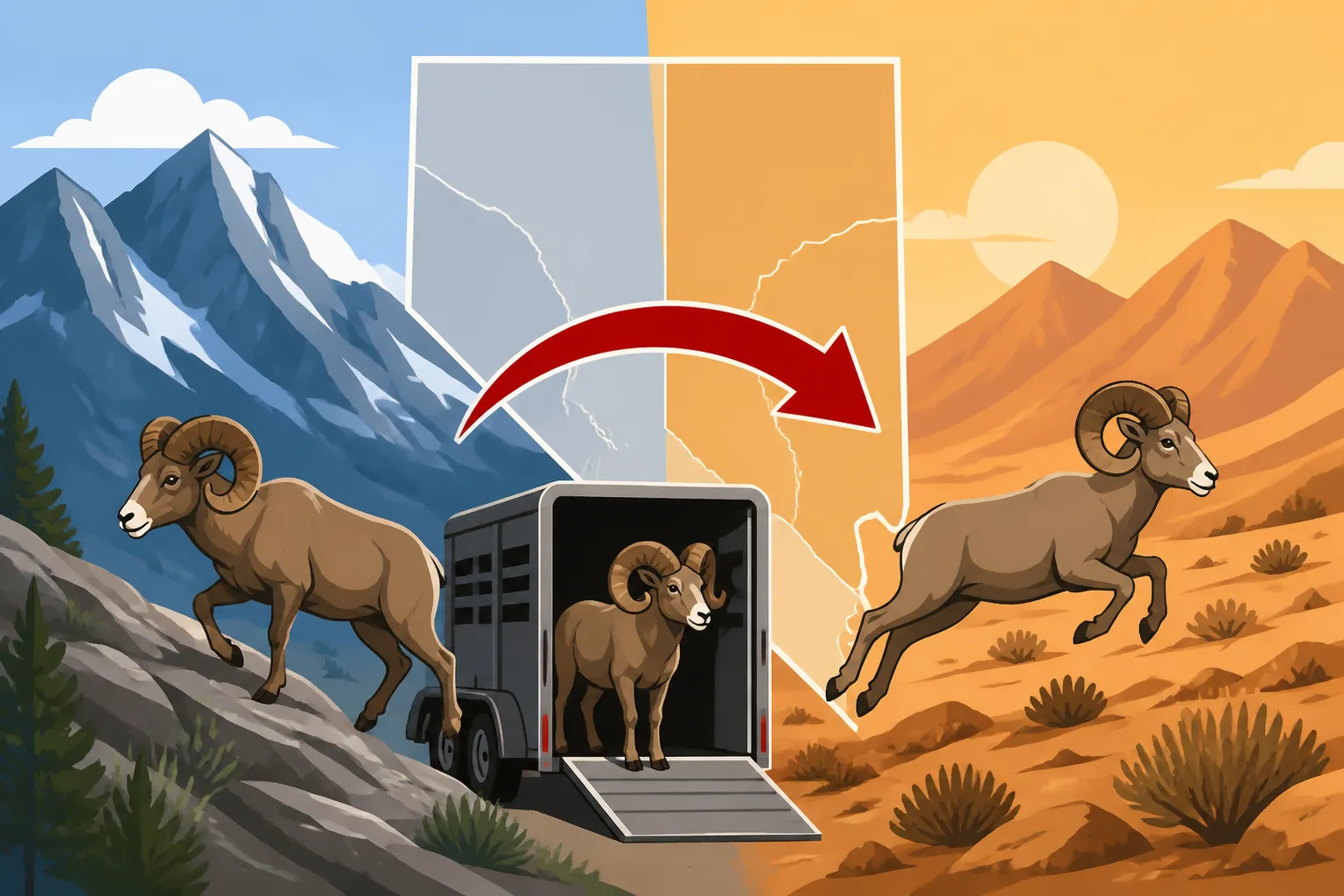
The process of transplanting bighorn sheep is a monumental undertaking, requiring incredible coordination and expertise. It typically begins with identifying a healthy, robust "source" herd that can spare some animals without negatively impacting its own long-term viability. Often, this involves aerial surveys and careful population counts. Once a source herd is identified, the challenging work of capture begins, usually involving highly skilled teams using tranquilizer darts fired from helicopters or specialized net guns. The captured sheep are then meticulously health-screened by veterinarians to ensure they aren't carrying any diseases that could harm the recipient herd or other wildlife. This critical step minimizes the risk of introducing Movi or other pathogens. After screening, the sheep are transported, often by truck and sometimes even by helicopter, to their new home in a different mountain range. Their release is a moment of cautious optimism, as biologists watch to see them disappear into the new terrain, hoping they will establish and thrive. Nevada Bighorn Transplant Programs offers more insight into these remarkable efforts.
Boosting Population Numbers and Genetic Health
The most direct benefit of a transplant is the immediate increase in population numbers in a struggling unit or the establishment of a new herd where sheep have been absent for decades. But it's not just about raw numbers. As discussed, bringing in sheep from a different range introduces new genetic material. This genetic infusion can be incredibly valuable, preventing the negative effects of inbreeding and increasing the overall genetic diversity of the recipient herd. This makes the new population more resilient, better able to fend off disease, and more adaptable to environmental changes. It's a proactive measure to ensure the long-term vitality of Nevada's bighorns. When you apply for a bighorn tag, you are benefitting from decades of this hard work. Resources like GoHunt can sometimes provide insights into areas where transplants have occurred and how those populations are faring, which can be useful when you're thinking about hunt applications.
Establishing New Herds in Suitable Habitat
Sometimes, the goal of a transplant isn't just to boost an existing, struggling herd, but to entirely re-establish bighorn sheep in a mountain range where they haven't roamed for generations. This often involves extensive habitat analysis to ensure the chosen location has sufficient forage, water, and appropriate terrain to support a new population. Nevada has several distinct bighorn subspecies – Desert Bighorn Across Southern Nevada, California Bighorn in Northern Nevada, and Rocky Mountain Bighorn in the East – and transplant efforts are tailored to these specific subspecies and their historical ranges. It's a testament to conservation commitment to see these animals return to mountainsides where their ancestors once thrived, opening up new potential hunting grounds and enriching Nevada's natural heritage. This kind of work is a long-game strategy, setting the stage for future generations of sheep and hunters.
The Impact: Resilient Herds and Future Hunting Opportunities
The efforts to transplant bighorn sheep across Nevada's vast and rugged terrain aren't just about moving animals; they're about ensuring the long-term health and survival of a truly iconic species. These programs are deeply intertwined with the future of hunting and the overall ecological balance of the Great Basin.
Monitoring Success and Adapting Strategies
A successful transplant doesn't end when the sheep are released from their crates. Far from it! Wildlife biologists continue to monitor these new populations intensively, often using GPS radio collars to track movements, lambing success, and overall herd health. Aerial surveys, like those detailed in How Biologists Count a Desert Big Game Herd, are conducted to estimate population growth and distribution. This ongoing data collection is crucial. It tells managers what's working, what isn't, and allows them to adapt their strategies. If a particular transplant struggles, they'll analyze why—was it habitat, disease, predation, or something else entirely? This scientific approach ensures that future transplant efforts are even more effective, maximizing the chances of establishing thriving, self-sustaining bighorn herds. When you're looking into draw odds or unit statistics, sometimes you can see the fruits of these long-term monitoring efforts reflected in the numbers.
Challenges and Controversies
While transplant programs are widely recognized as a critical conservation tool, they are not without their challenges and even controversies. The logistics are incredibly complex and expensive, requiring significant funding, specialized equipment, and highly trained personnel. There are always risks involved: some sheep might not adapt to their new environment, predation can be higher in new areas, or, tragically, a disease outbreak could still occur despite careful screening. Sometimes, there are debates about the impact on the "donor" herds, or concerns from other stakeholders about introducing new animals to an area. It's a delicate balance, and wildlife managers must constantly weigh the potential benefits against these very real risks. Understanding this complexity gives you a deeper appreciation for the effort.
The Long-Term Vision for Nevada Bighorns
Ultimately, the goal of these extensive and often arduous transplant efforts is to create robust, widespread, and genetically healthy bighorn sheep populations across suitable habitat in Nevada. This isn't just for the sake of the animals themselves, but for the ecological health of the landscapes they inhabit and for the incredible hunting opportunities they provide. Nevada is unique in that it offers opportunities for all three bighorn subspecies, and these transplant programs are a testament to the commitment to maintain and grow those populations. By strategically moving sheep, NDOW aims to ensure that future generations of hunters will continue to have the chance to pursue these magnificent animals in some of the most stunning country the West has to offer. Resources like GoHunt help hunters research Nevada Bighorn Sheep Draw Odds and unit information, connecting them directly to the outcomes of these long-term conservation projects. Checking Where Nevada Publishes Harvest Data will also show the impact of successful management.
Bighorn Subspecies and Transplant Relevance
To illustrate the breadth of Nevada's bighorn populations and the areas where transplant efforts might focus, here's a look at the three subspecies found in the state:
| Bighorn Subspecies | Primary Range in Nevada | Typical Habitat | Transplant Purpose |
|---|---|---|---|
| Desert Bighorn | Southern Nevada, including Clark, Lincoln, and Nye counties | Steep, rocky desert mountains, often near perennial water | Re-establish in historical ranges, bolster small desert herds |
| California Bighorn | Northwestern Nevada, including Humboldt and Pershing counties | Rugged, arid mountain ranges with basaltic cliffs and sage | Expand northern populations, introduce new genetics to isolated California herds |
| Rocky Mountain Bighorn | Northeastern Nevada, including Elko and White Pine counties | Higher elevation, forested mountains and steep canyons | Reinforce existing herds, establish populations in eastern mountain ranges |
These targeted efforts, backed by science and dedicated personnel, are how Nevada maintains its reputation for world-class bighorn hunting, and why a tag for one of these magnificent animals is truly a once-in-a-lifetime draw.
Disclaimer
This article is for general informational purposes only and does not constitute professional advice. Laws, prices and regulations vary by location and change over time. Consult a qualified professional for guidance on your specific situation.