Desert Bighorn Across Southern Nevada
Desert bighorn sheep biology and Southern Nevada mountain ranges help hunters understand long-term tag drawing strategies.
Know what you’re after.
Big game, small game, upland birds, and waterfowl — identification, behavior, rut and migration timing, and how each species moves through the season.
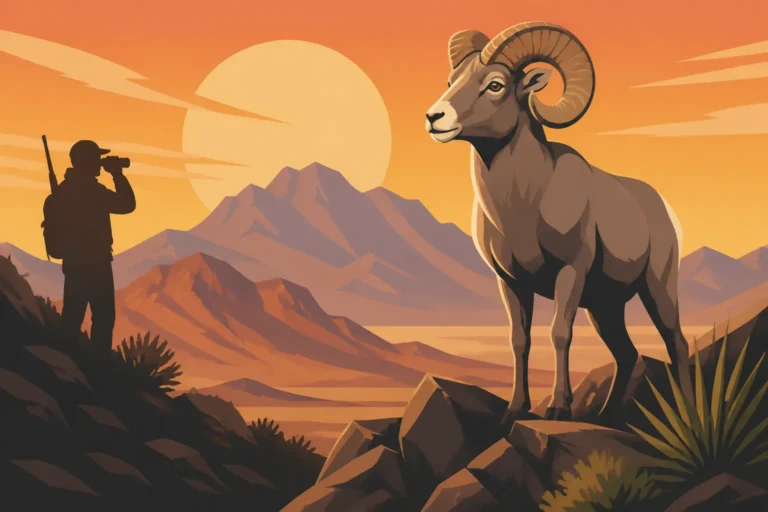
Desert bighorn sheep biology and Southern Nevada mountain ranges help hunters understand long-term tag drawing strategies.

Nevada elk populations grew from historical absence to thriving herds through decades of determined reintroduction and strategic management.
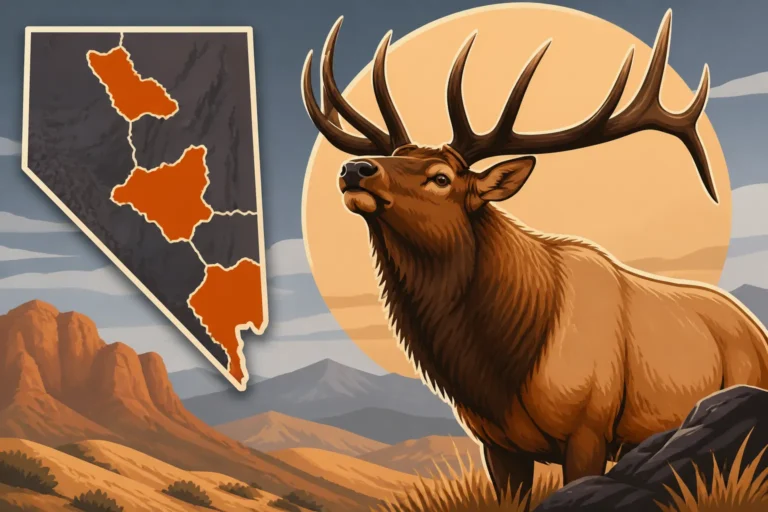
Nevada elk units producing trophy bulls, managed by the Department of Wildlife through limited tags and conservation efforts.
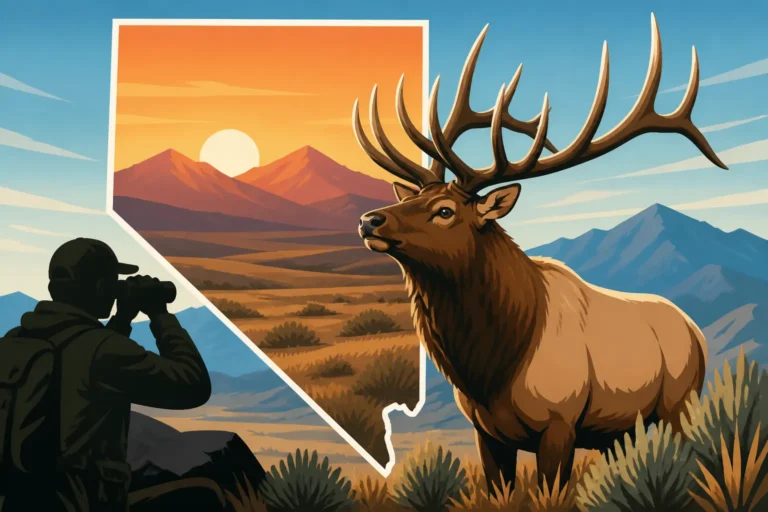
Nevada Unit 162 elk hunting strategies and geography details help hunters find trophy bulls in White Pine County and the Schell Creek Range.
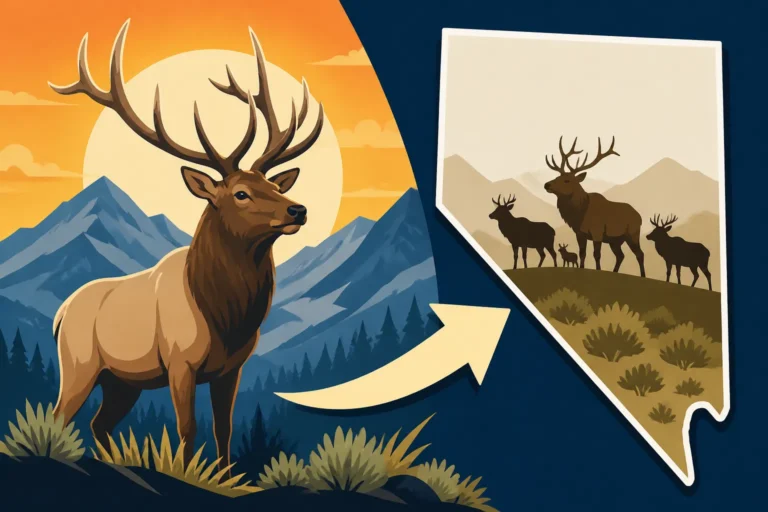
Nevada elk herds and their historical absence, early American expansion impacts, and initial transplants are explained here.
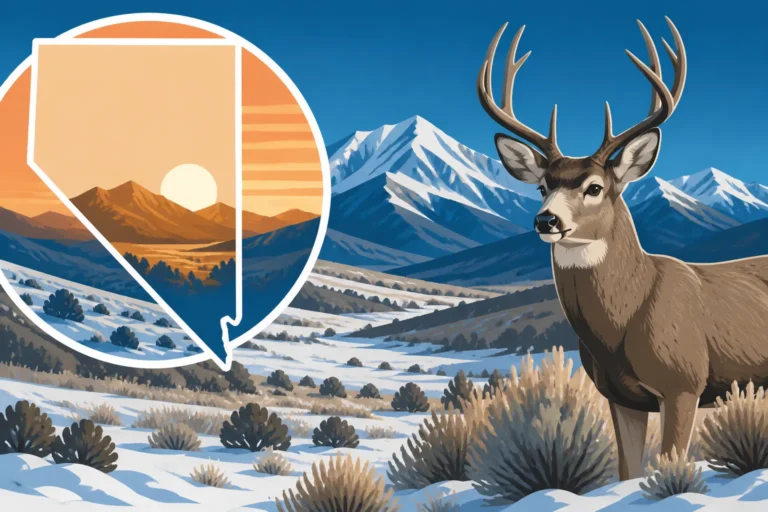
Nevada mule deer winter ranges in lower elevation sagebrush valleys and south-facing foothills to survive harsh seasonal freezes.

Nevada mule deer population trends and historical factors reveal the environmental and management changes affecting wildlife numbers.
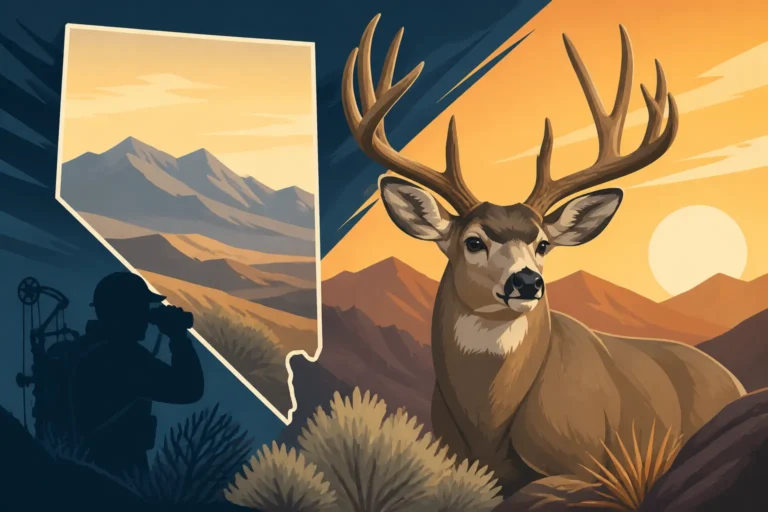
Nevada Unit 102 mule deer hunting produces mature bucks scoring over 180 and 200 inches under strict NDOW wildlife management.
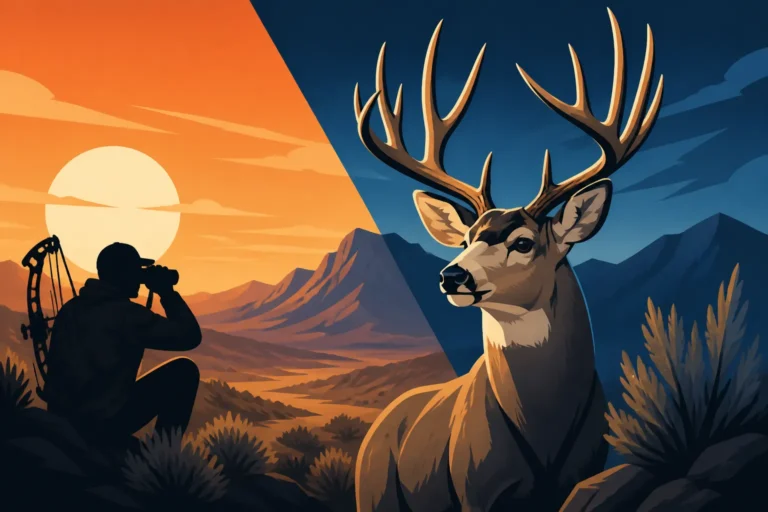
Nevada mule deer hunting during November and December exposes mature bucks as the annual rut drives them into open areas.
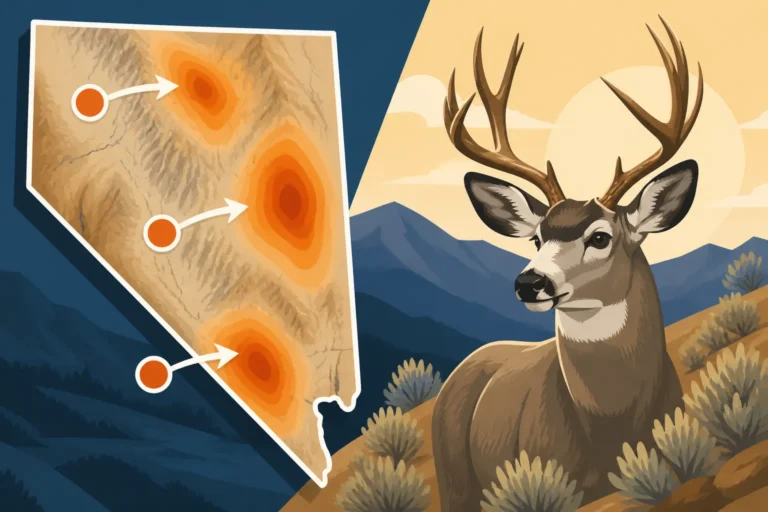
Nevada mule deer habitats, including sagebrush basins and aspen pockets, explain where herds concentrate across mountain ranges.