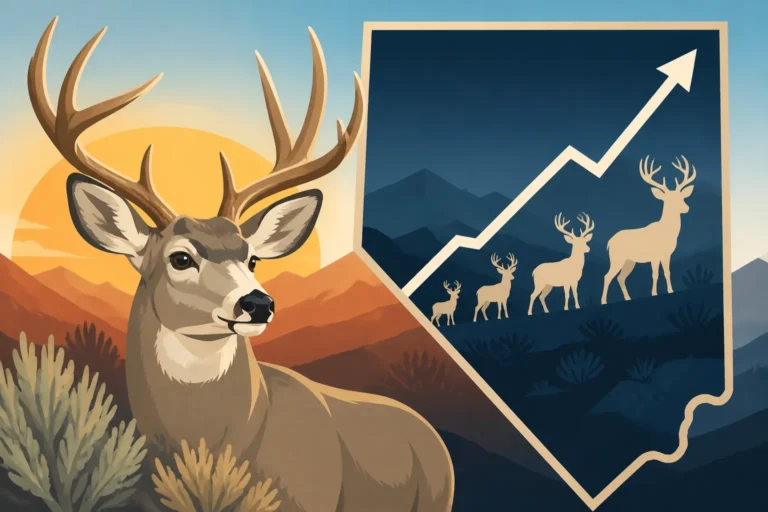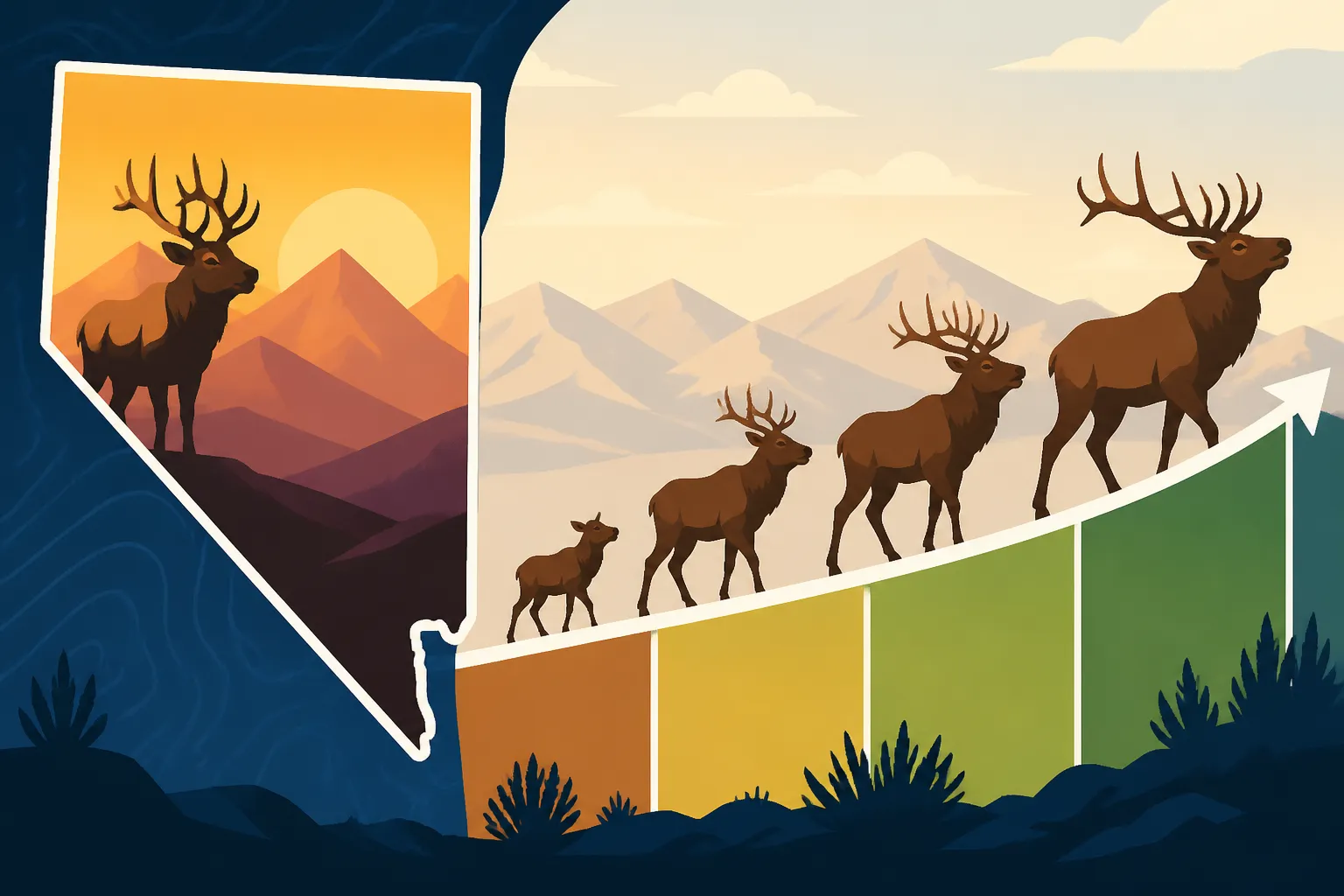
Nevada Elk Herd Growth Over Time
If you've ever gazed across Nevada's vast sagebrush basins and wondered how such a seemingly arid landscape could support a thriving elk population, you're not alone. It's a question many hunters and wildlife enthusiasts ponder, especially when seeing the incredible bulls that come out of the Silver State each year. The truth is, Nevada's elk story is a remarkable tale of decline, determined reintroduction, and strategic management, evolving significantly over decades to create the impressive herds we see today. This guide will walk you through that journey, explaining how these magnificent animals made their monumental comeback and what it means for conservation and hunting in Nevada.
The Early Absence: A Look at Historical Elk Populations in Nevada
It's easy to assume elk have always roamed the mountains and valleys of Nevada, given their current presence, but their history here is far more complex. For a significant period, particularly after the intensive settlement of the West, elk were largely absent from the state. Understanding this historical context is crucial to appreciating the success of modern conservation efforts.
Elk Before European Settlement
Long before prospectors and ranchers staked their claims, elk, specifically the Rocky Mountain elk subspecies, were indeed part of Nevada's diverse wildlife tapestry. They weren't as widespread or numerous as in states further north, but historical accounts and archaeological evidence suggest populations existed in various mountain ranges, particularly those with higher elevations and more consistent water sources. These early herds likely thrived in areas offering a mosaic of open meadows for grazing and timbered slopes for cover, similar to how we see them utilize habitat today, albeit in different numbers. They adapted to the unique "basin and range" topography, moving between high summer pastures and lower, more sheltered winter ranges, much like our mule deer.
The Era of Extirpation
However, the arrival of European settlers in the 19th century brought dramatic changes that swiftly impacted these native elk. Unregulated hunting, driven by market demand for meat and hides, combined with habitat destruction from mining, logging, and extensive livestock grazing, proved devastating. Elk, being large, relatively slow-moving animals in comparison to some other game, were particularly vulnerable. By the early 1900s, the native elk population in Nevada was effectively extirpated. This wasn't unique to Nevada; many western states experienced similar declines in their elk numbers. It was a bleak period for wildlife, a stark reminder of the consequences of unchecked exploitation and habitat alteration, leaving a vast void in Nevada's ecosystems.
The Comeback Story: Reintroduction Efforts and Early Successes
The complete disappearance of elk from Nevada was a powerful lesson and spurred a movement toward conservation and restoration. What followed was a series of ambitious reintroduction efforts that laid the groundwork for the robust herds we have now. It was a painstaking process, but one that truly paid off.
Pioneering Transplant Programs
The idea of bringing elk back to Nevada began gaining serious traction in the early to mid-20th century, a testament to a growing conservation ethic across the nation. The Nevada Department of Wildlife (NDOW), along with various partners and local sportsmen's groups, embarked on a series of transplant programs. These weren't just a matter of releasing a few animals; they involved careful planning, including selecting suitable donor herds from other states where elk populations were strong and identifying appropriate release sites in Nevada that offered good habitat and minimal conflict. You can learn more about where the very first animals came from by checking out our deep dive into "Where Nevada's First Elk Came From".
One of the earliest documented efforts took place in the 1930s, involving animals sourced primarily from Yellowstone National Park and other areas in Wyoming. These were rugged, wild animals, and the process of capturing, transporting, and releasing them into unfamiliar territory was a monumental undertaking, especially with the limited technology of the time. Imagine the dedication of those early biologists and game wardens, driving dusty, rough roads, often without paved routes, to give these animals a second chance in the Silver State.
Key Release Sites and Founding Herds
Over the decades, several key locations were chosen for these reintroductions, strategically selected for their potential to support growing populations. These sites often featured remote, rugged terrain with ample forage and water, and critically, less human disturbance. The Ruby Mountains, a magnificent range in northeastern Nevada, became one of the most significant early success stories. Its high peaks, timbered slopes, and lush alpine meadows provided ideal conditions for elk to establish themselves. Other vital areas included parts of the Schell Creek Range, the Snake Range, and portions of the Jarbidge Wilderness. These initial releases created the "founding herds" that would eventually expand and populate much of Nevada's elk habitat.
The success of these programs wasn't immediate, but the perseverance paid off. Biologists meticulously monitored these nascent herds, tracking their movements, reproductive success, and survival rates. This data was crucial for refining future reintroduction strategies and managing the emerging populations. It wasn't just about releasing elk; it was about ensuring they had the best possible chance to survive and thrive, a commitment that continues to this day. Our article "How Nevada Elk Herds Were Established" dives even deeper into these fascinating early days.
Managing Growth: Habitat, Challenges, and Adaptation
As Nevada's elk populations began to rebound, wildlife managers faced the complex task of not just fostering growth, but sustaining it amidst a changing landscape. This involved proactive habitat management, addressing natural and man-made challenges, and observing how elk adapted to their new (or old) Nevada homes.
Nourishing the Range: Habitat Improvement
Elk are large, hungry animals, and their success is inextricably linked to the quality and quantity of available forage. As herds grew, NDOW and land management agencies like the Bureau of Land Management (BLM) and the U.S. Forest Service recognized the need for continuous habitat improvement. This meant projects designed to enhance forage, improve water availability, and provide essential cover. Prescribed burns, for instance, are often used to rejuvenate old, senescent sagebrush and bitterbrush, promoting new growth of nutritious grasses and forbs. Mechanical treatments, like chaining or brush beating, also help break up dense stands of undesirable vegetation, creating more open, productive areas for elk.
Water, as anyone who hunts in Nevada knows, is a precious commodity. Efforts to create and maintain water sources have been vital. This includes developing springs, building guzzlers, and improving riparian areas. These "Water Development Projects Built for Wildlife" are critical infrastructure, especially in the more arid regions where elk might otherwise struggle. By providing reliable water, these projects help distribute elk populations more evenly and reduce pressure on any single water point, supporting healthier animals and better hunting opportunities.
Overcoming Obstacles: Drought and Disease
Even with dedicated management, Nevada's elk herds have faced significant natural challenges. Drought is a recurring factor in the Great Basin, directly impacting forage quality and quantity, and thus elk body condition and reproductive success. Prolonged dry periods can reduce calf survival rates and make adult elk more susceptible to disease. Wildlife agencies constantly monitor weather patterns and range conditions to anticipate these impacts and adjust management strategies, including tag quotas, accordingly.
Disease outbreaks, though less frequent, also pose a threat. While Nevada has fortunately avoided widespread Chronic Wasting Disease (CWD) detections in its elk herds to date, constant surveillance and testing are vital. Other diseases, like brucellosis, while more common in states to the north, are also a concern and managers remain vigilant. The health of the herd is paramount, not just for the animals themselves, but for the long-term sustainability of hunting opportunities.
Competition and Coexistence: Wild Horses and Cattle
Another significant challenge, particularly in a state with vast public lands, is competition for forage. Nevada is home to substantial populations of wild horses and burros, and domestic livestock grazing is also widespread on BLM and Forest Service lands. While elk, horses, and cattle often utilize different types of forage and inhabit different areas, overlap does occur, especially in prime grazing areas or during times of drought. This competition can put pressure on available resources, potentially impacting elk health and population dynamics.
Wildlife managers, often working in conjunction with other land management agencies, strive to balance these competing interests. This involves careful monitoring of range conditions, assessing carrying capacities, and, where necessary, implementing management actions to ensure that all species have access to the resources they need. It's a delicate balancing act, requiring continuous data collection and adaptive management to foster coexistence.
Current State of Affairs: Thriving Herds and Hunting Opportunities
Today, Nevada's elk herds are a remarkable success story. From being virtually non-existent a century ago, they have grown into a highly valued big game resource, attracting hunters from across the country. The state is now recognized for its trophy potential, making elk tags some of the most coveted in the West.
Population Trends and Distribution
Over the last few decades, Nevada's elk populations have shown impressive growth. NDOW's annual surveys and harvest data consistently demonstrate healthy, stable, and in some areas, expanding herds. While elk are now found in many of Nevada's mountain ranges, certain areas continue to be strongholds. The Ruby Mountains, Humboldt-Toiyabe National Forest, and various units in eastern Nevada remain top destinations for elk.
This growth isn't uniform, however. As you might expect, "Why Elk Numbers Vary Across Nevada" is a complex question with answers rooted in habitat quality, hunting pressure, and specific unit management strategies. Some units consistently produce higher numbers of elk and trophy-class animals, while others are managed for different objectives or have more limited habitat. This variation is a key factor hunters consider when applying for tags.
According to recent data from the Nevada Department of Wildlife, the statewide elk population estimate is robust, reflecting decades of successful management. Here’s a generalized look at recent herd status across key areas, illustrating the upward trend:
| Region | Est. Population (2020-2023 Average) | Trend | Management Focus |
|---|---|---|---|
| Northeast Nevada | 10,000 – 12,000 | Stable/Up | Trophy Potential, Controlled Growth |
| East-Central Nevada | 7,000 – 9,000 | Stable | Habitat Improvement, Public Access |
| Southern Nevada | 2,000 – 3,000 | Slow Growth | Water Development, Range Expansion |
| Western Nevada | 1,000 – 1,500 | Stable | Limited Habitat, Targeted Management |
| Statewide Total | ~20,000 – 25,000 | Growth | Sustainable Harvest, Habitat Enhancement |
Note: These are generalized estimates based on publicly available NDOW data and current trends. Exact numbers fluctuate year to year based on surveys and environmental factors.
Defining Trophy Potential: What Makes Nevada Elk Special
Nevada has earned a well-deserved reputation for producing trophy-class bulls. This isn't just luck; it's a combination of factors including genetics, nutrition, and strategic management. The remote, rugged nature of much of Nevada's elk country means that many bulls live to older age classes, allowing them to reach their full antler potential. Excellent forage quality in key areas also contributes to superior antler growth. For serious trophy hunters, Nevada offers some of the best odds in the West for drawing a tag that could yield a bull of a lifetime.
Units like 162, for example, have become legendary among elk hunters. Our article "Unit 162 and Its Record Book Bulls" delves into what makes this area so special. While drawing a tag in such units requires significant bonus points and patience, the reward can be immense. Hunters often spend years building points, meticulously researching "Which Nevada Units Grow the Biggest Bulls" to maximize their chances when they finally decide to apply. Tools like GoHunt's Insider platform are invaluable for researching unit-specific data, draw odds, and harvest statistics to make informed decisions.
Nevada's Elk Management Strategy
NDOW employs a science-based management strategy for its elk herds, focusing on sustainability while also providing high-quality hunting opportunities. This involves:
- Population Monitoring: Annual aerial surveys, ground counts, and harvest reporting data are used to estimate herd sizes, sex ratios, and recruitment rates. This data is critical for understanding herd health and population trends. Learning "How Biologists Count a Desert Big Game Herd" helps understand the effort that goes into these numbers.
- Harvest Quotas: Based on population data and herd objectives, NDOW sets specific tag quotas for each hunt unit and season. These quotas are designed to maintain healthy populations, manage herd growth, and meet recreational hunting demand.
- Adaptive Management: Strategies are constantly reviewed and adjusted based on environmental conditions (e.g., drought, wildfire), disease prevalence, and socio-economic factors. This flexibility allows managers to respond to changing circumstances effectively.
- Public Input: NDOW regularly seeks public input on management proposals, ensuring that hunter and citizen perspectives are considered in the decision-making process.
This comprehensive approach is detailed in various documents, and understanding "Reading a Herd Management Plan" can give you deeper insights into how these populations are carefully stewarded. The success of Nevada's elk management is a testament to the dedication of wildlife professionals and the support of hunters through license and tag fees, which directly fund these conservation efforts.
The Future of Elk in the Silver State: Conservation and Sustainability
The journey of Nevada's elk, from extirpation to thriving populations, is a conservation triumph. However, like all wildlife management, it's an ongoing process. The future health and growth of these herds depend on continued dedication, adaptability, and the support of the hunting community.
Ongoing Challenges and Evolving Strategies
While elk populations are strong, they still face persistent challenges. Climate change and its potential impact on water availability and vegetation patterns remain a long-term concern. Continued pressure from human development, though less intense in remote Nevada, can lead to habitat fragmentation. Wildfire, a natural part of the Great Basin ecosystem, can initially benefit elk by promoting new growth, but intense, repeated fires can degrade crucial winter range.
NDOW and its partners are constantly evolving their strategies to address these issues. This includes:
- Further Habitat Enhancement: Identifying new areas for improvement, especially focusing on critical winter range and migration corridors.
- Disease Surveillance: Maintaining vigilance against CWD and other potential diseases to protect herd health.
- Mitigating Competition: Working with land managers to find solutions that benefit elk while considering other wildlife and land uses.
- Research: Investing in studies to better understand elk behavior, genetics, and responses to environmental changes.
- Public-Private Partnerships: Collaborating with private landowners and conservation groups to expand habitat initiatives and secure access.
The question of "What Limits Elk Expansion in the Great Basin" is one that wildlife biologists grapple with continually. It's often a complex interplay of available water, quality forage, and the capacity of the land to support robust populations without overgrazing.
The Role of Hunters in Elk Conservation
Hunters have always been, and will continue to be, at the forefront of wildlife conservation in Nevada. The funds generated through the sale of hunting licenses and elk tags are a primary source of revenue for NDOW, directly supporting habitat projects, scientific research, and law enforcement efforts vital to the health of the herds. Every tag purchased contributes to the ongoing success of these animals.
Beyond financial contributions, hunters are crucial advocates for wildlife. Their engagement in public meetings, their willingness to participate in surveys, and their ethical conduct in the field all contribute to a positive image of hunting as a conservation tool. By adhering to regulations, reporting violations, and practicing responsible hunting, we ensure that Nevada's elk herds remain a robust and cherished resource for generations to come. Using resources like GoHunt to understand harvest success rates and herd health also empowers hunters to make informed decisions that align with broader conservation goals.
The remarkable growth of Nevada's elk herds is a powerful narrative of resilience and dedicated conservation. It's a story that every hunter in the state should be proud to be a part of, and one that promises continued success for these magnificent animals in the rugged landscapes of the Silver State.
Disclaimer
This article is intended for informational purposes only and does not constitute official legal advice or hunting regulations. Always consult the current Nevada Department of Wildlife (NDOW) hunting regulations and official sources before planning any hunting activity. Regulations, season dates, and unit boundaries are subject to change.