Which Nevada Units Grow the Biggest Bulls
One of the most frustrating aspects of hunting the Silver State is the sheer competition for a premium tag, especially when your sights are set on an elk. You spend countless hours poring over maps, dreaming of chasing bugles across a crisp autumn morning, only to realize that landing a tag for a unit known for truly massive bulls feels like winning the lottery. This guide aims to demystify the process, highlighting the units that consistently produce bigger bulls and offering strategies to help you navigate the draw and prepare for the hunt of a lifetime.
The Legacy of Nevada Elk and Management Philosophy
Nevada wasn't always known for its elk, let alone trophy bulls. For many years, hunters focused almost exclusively on mule deer. But through dedicated conservation efforts and strategic management, the state has cultivated a truly remarkable elk population. Understanding this history and the current management philosophy is crucial to appreciating why certain units stand out.
From Introduction to Trophy Status: A Brief History
It's hard to imagine, but elk were actually extirpated from Nevada by the early 1900s, victims of unregulated hunting and habitat loss. The elk herds we hunt today are largely the result of reintroduction efforts that began in the 1930s, with significant boosts in the 1980s and 90s. Animals from states like Wyoming, Utah, and Oregon were transplanted into suitable habitats, primarily in the central and eastern mountain ranges. These transplants found rich, unpressured landscapes, and with careful management, their numbers soared. What started as small pockets of elk has grown into a robust population, with many herds now producing world-class trophies. It’s a testament to how far Nevada's elk program has come that we can now even discuss specific units for giant bulls, a concept that would have been unthinkable a few decades ago. If you want to dive deeper into this fascinating history, take a look at how Nevada Elk Herds Grew From Nothing Into a Trophy Draw.
NDOW's Strategic Approach to Quality Elk
The Nevada Department of Wildlife (NDOW) manages elk with a clear focus: maintaining healthy populations and providing quality hunting opportunities, which includes a deliberate strategy to produce mature, trophy-class animals in specific units. This isn't just about letting elk grow old; it's a careful balance of limited tag allocation, habitat enhancement, and predator management. Unlike some states that might prioritize high harvest numbers, Nevada often opts for lower tag quotas in its premier units, allowing more bulls to reach older age classes. This approach is absolutely critical because age is arguably the biggest factor in antler growth. A bull needs time to fully mature, and NDOW's strategy provides that time, particularly in units with a history of big genetics. This careful stewardship is why Nevada consistently ranks among the top states for trophy elk.
The Habitat Challenge: Growing Giants in the Great Basin
The Great Basin landscape, with its vast sagebrush flats and isolated mountain ranges, presents a unique challenge for growing giant elk. While some areas offer lush mountain meadows and aspen groves, much of Nevada is arid. This means elk in Nevada often have to work harder for their forage, and water sources are critical. However, this seemingly harsh environment actually contributes to the hardiness and impressive antler growth seen in some bulls. The sheer vastness and ruggedness of many units also provide ample escape cover, allowing bulls to elude detection and reach advanced ages. Units with a diverse mix of high-elevation summer range, lower-elevation winter range, and consistent water, often supported by wildlife guzzlers and natural springs, are prime candidates for growing those truly massive bulls. Understanding The Great Basin Terrain That Hides an Approach in Open Country is key to understanding how these animals thrive and avoid hunters.
What Makes an Elk Unit Produce Trophy Bulls
When you’re looking at units on a map or scrolling through draw statistics, it’s easy to get lost in the numbers. But beneath those figures are ecological principles that dictate whether a unit can consistently churn out monster bulls. It’s not just luck; it’s a combination of ideal conditions that allow elk to reach their full potential.
The Critical Role of Nutrition and Forage
Just like any athlete, an elk needs top-tier nutrition to perform, or in this case, to grow impressive antlers. Antler development is an energy-intensive process, demanding a huge amount of protein, calcium, and phosphorus. Units with abundant, high-quality forage – think lush grasses, forbs, and browse species – especially during the antler-growing months of spring and summer, are going to produce bigger, denser racks. A unit that experiences consistent rainfall or has reliable water sources supporting vibrant vegetation often correlates with better antler growth. Conversely, prolonged drought can severely impact forage quality and quantity, leading to smaller antlers even in units with good genetics. This is why you often see year-to-year fluctuations in antler quality, directly tied to moisture levels and habitat health.
Age, Genetics, and Population Dynamics
While nutrition fuels antler growth, age provides the framework. A bull needs to live long enough to reach its prime, typically between 6.5 and 10.5 years old, to develop its largest antlers. Units with low harvest pressure and conservative tag allocations allow bulls to age gracefully. Beyond age, genetics play a role, though it’s less controllable from a management perspective. Certain localized populations simply have a genetic predisposition for larger frames and more impressive headgear. NDOW's harvest goals, which often include targeting specific age classes or maintaining a healthy bull-to-cow ratio, directly influence the age structure of the herd. When younger bulls are taken, it leaves more resources and less competition for the remaining bulls to mature into giants. This careful balance in managing Nevada Elk Herd Growth Over Time is what differentiates a good unit from a great one.
Low Pressure and Effective Escape Cover
Elk are intelligent, wary animals. Units that offer extensive roadless areas, dense timber patches, or incredibly rugged, steep terrain provide crucial escape cover where mature bulls can avoid hunters and reach older ages. When bulls feel less pressured, they can follow more natural feeding and bedding patterns, conserving energy that can then be channeled into antler growth. High-pressure units, where roads penetrate deep into prime habitat or hunter numbers are high, often see bulls become more nocturnal or move into less desirable areas, impacting their growth potential. The ability for a bull to simply "disappear" into vast, untouched landscapes is a huge factor in its ability to reach trophy status. This is one of the reasons that Wilderness and Wilderness Study Areas Across Nevada are so valuable for trophy production.
Identifying Nevada's Premier Trophy Elk Units
Okay, let's get to the units everyone whispers about. While the draw is tough, knowing where the biggest bulls come from gives you a target, a dream to chase. It's crucial to understand that "biggest bulls" often means specific units consistently produce animals that make the Boone and Crockett or Pope & Young record books.
Unit 162: Nevada's Most Fabled Elk Ground
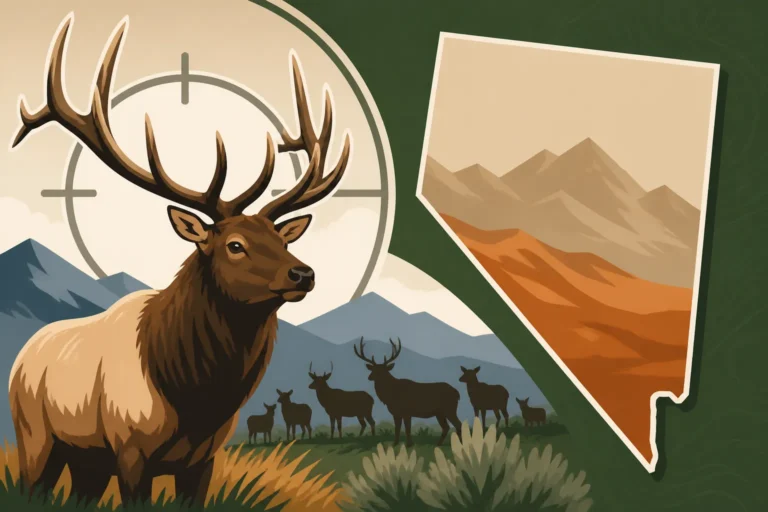
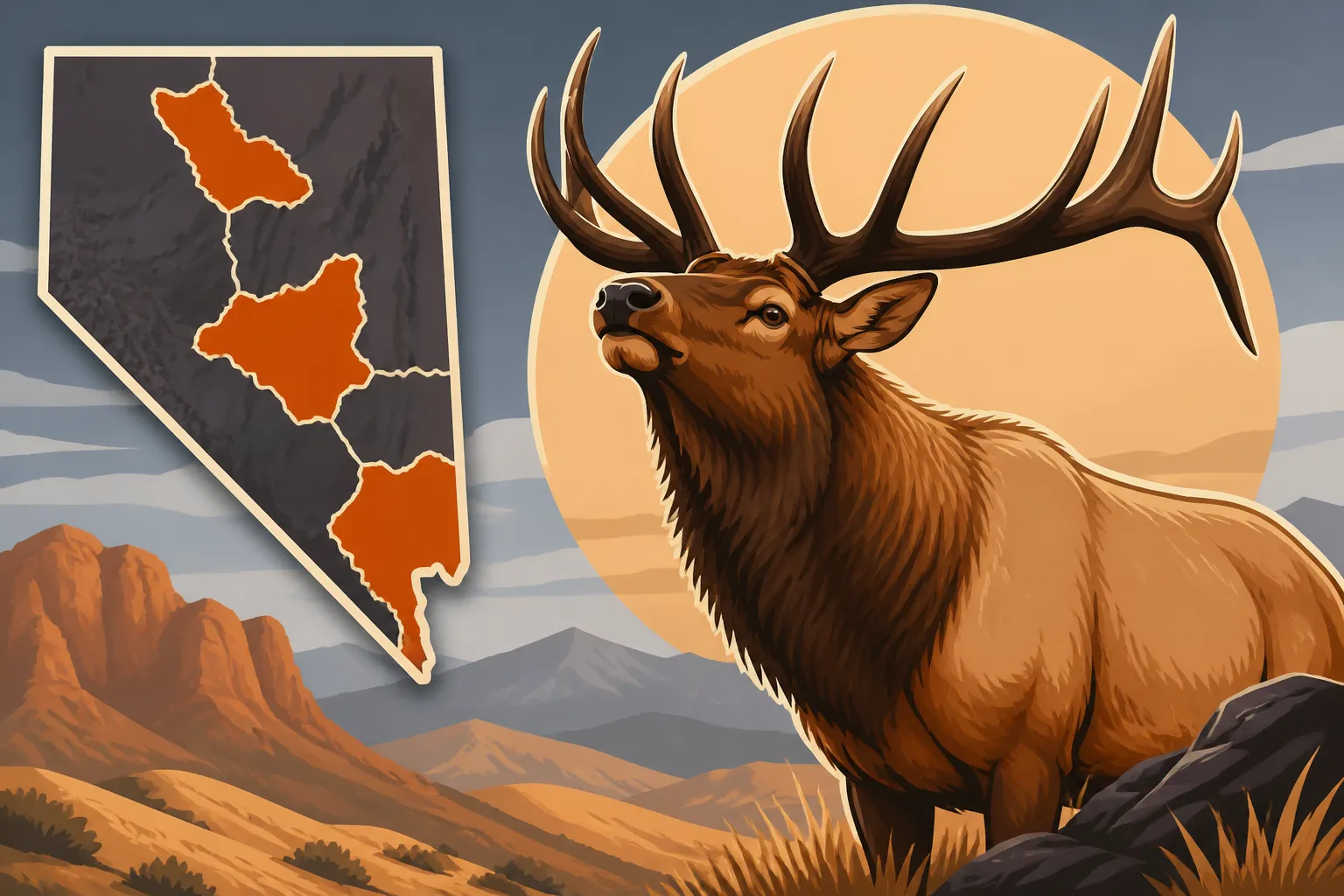
When you talk about trophy elk in Nevada, Unit 162 almost always comes up first. Located in eastern Nevada, this unit has gained legendary status for its immense bulls. It's not uncommon to see multiple 350-inch class bulls taken here annually, with several pushing into the 380-400+ range. This unit possesses that perfect trifecta: excellent forage, a strong age structure due to limited tags, and expansive, rugged country that provides ample sanctuary. The terrain is a mix of high desert mountains, pinyon-juniper, and some beautiful aspen groves in the higher elevations. This diversity, coupled with a solid water network, supports a robust and healthy elk population that consistently produces giants. However, the catch is the draw odds. Unit 162 is one of the toughest elk tags to draw in the entire West, requiring many, many bonus points and a significant dose of luck. If you manage to draw this tag, you'll be hunting some truly world-class animals in an area famous for Unit 162 and Its Record Book Bulls.
Other Consistent Performers and Dark Horse Units
While 162 might be the king, several other Nevada units consistently produce exceptional bulls, often with slightly better (though still tough) draw odds. Units like 071, 072, 111, and 115 are frequently mentioned in trophy circles. These units, spread across various parts of the state, share similar characteristics to 162: good habitat, limited pressure, and management focused on quality.
- Units 071/072 (Schell Creek Range/Snake Range): These units in eastern Nevada boast diverse terrain, from vast sagebrush valleys to high alpine peaks. They consistently produce quality bulls, benefiting from good forage and relatively low hunter density compared to the sheer size of the huntable area.
- Unit 111 (Jarbidge Mountains): Up in the very northeast corner of Nevada, the Jarbidge Wilderness offers extremely rugged and remote hunting. The bulls here are notoriously tough to get to, but they grow old and big. If you're looking for a true backcountry adventure with trophy potential, this is one to consider, provided you can handle the extreme physical demands.
- Unit 115 (Independence Mountains): Also in the northeast, this unit has a strong reputation for solid bulls. It’s another vast, rugged area that allows animals to mature.
It's also worth noting that "dark horse" units can pop up occasionally. These might be units that don't always top the lists but, in a good moisture year, or due to a recent change in management or herd dynamics, can surprise hunters with exceptional bulls. Keeping an eye on trend data and talking to local biologists can sometimes reveal these hidden gems.
Navigating Draw Odds and Harvest Statistics
The reality of hunting Nevada's premier elk units is that the draw is incredibly difficult. You absolutely must dive into the draw statistics published by NDOW to understand your chances. These statistics show historical success rates, the number of applicants, and the points required to draw a tag. Many hunters use tools like those offered by GoHunt to sift through this data, making it much easier to identify trends and strategize their applications. You're looking for patterns in the average points drawn for rifle, muzzleloader, and archery tags, as these can vary significantly.
For example, a unit might have astronomical odds for a rifle tag, but slightly better (though still tough) odds for an archery or muzzleloader tag. It's a critical part of your pre-application homework. Understanding Reading a Nevada Hunt Unit Before You Apply is paramount here.
Here's a simplified look at what you might expect when comparing top Nevada elk units (Note: Actual draw odds and harvest success rates fluctuate annually based on quotas and applicant numbers. This table is illustrative):
| Unit | Reputation for Trophy Bulls | Draw Difficulty (Non-Resident Rifle) | Average Gross Score Potential | Key Terrain Features |
|---|---|---|---|---|
| 162 | Legendary, frequent 380-400+ | Extremely High (15+ points typically) | 350-400+ B&C | Rugged mountains, pinyon-juniper, aspen |
| 071 | Excellent, consistent 340-370+ | Very High (10-15+ points) | 330-380+ B&C | High desert, Schell Creek Range, diverse |
| 072 | Very Good, solid 330-360+ | Very High (10-15+ points) | 320-370+ B&C | Snake Range, similar to 071, rugged |
| 111 | Remote, trophy potential 340-370+ | High (8-12+ points) | 330-370+ B&C | Jarbidge Wilderness, very steep & remote |
| 115 | Strong, good 320-350+ | High (8-12+ points) | 320-360+ B&C | Independence Mountains, diverse habitat |
Remember, this is a simplified snapshot. Always consult the most current NDOW draw results and harvest reports to get the accurate, up-to-date picture before submitting your application.
Mastering the Application for a Dream Tag
Securing a Nevada elk tag, especially for a premier unit, is a long game. It requires patience, strategic planning, and leveraging every bit of information available. It's not about throwing darts; it's about making informed choices.
Deep Dive into Draw Data and Trends with Tools like GoHunt
This is where the real work begins for any serious applicant. Simply looking at the current year's draw odds isn't enough; you need to understand the historical trends. How have the points required for a unit changed over the last five or ten years? Are more tags being issued, or fewer? Is there a noticeable shift in hunter pressure toward certain weapon types? Websites and applications like GoHunt provide incredibly detailed breakdowns of draw statistics, allowing you to filter by species, unit, weapon, and residency status. They often present this complex data in user-friendly formats, with graphs and charts that illuminate trends that are hard to spot in raw data. Using these resources, you can project future point requirements, identify units where your current bonus point total might give you a realistic chance, or even pinpoint units where average point creep is accelerating. It’s an indispensable tool for maximizing your chances in the draw. Knowing When Nevada Posts Draw Results also helps to plan ahead for future application cycles.
Crafting a Smart Application Strategy
Your application strategy isn't just about picking your dream unit as a first choice. It's about how you use all your choices, especially in a state like Nevada where even second and third choices can sometimes draw, albeit rarely for premier units. For many, the strategy is a long-term one: apply for a point-only option each year in your chosen species until you have a competitive number of bonus points for a top unit. This means accepting that you might not hunt elk in Nevada for several years, but when you do draw, it's for the best possible opportunity.
Another strategy involves choosing one of the premier units as your first choice (knowing it's a long shot), but then selecting a more attainable unit with decent potential as your second or third choice. While the draw odds for these secondary choices are still challenging, they're significantly better than the elite units. This balancing act allows you to keep accumulating points while still putting your hat in the ring for a potential opportunity. It’s all about managing expectations and playing the long game. Always remember to check The Nevada Application Deadline in May so you don't miss out on another year of point accumulation.
The Role of Bonus Points in the Nevada Draw
Nevada's bonus point system is unique, and understanding it is critical. Unlike some states where points are linear, Nevada "squares" your bonus points. This means that if you have four points, you actually get 16 entries into the draw (4×4=16), plus one for your current application, giving you 17 chances. The more points you have, the exponentially greater your chances become. This system heavily favors those who have been consistently applying for years, making it a marathon, not a sprint.
If your goal is one of those premier elk units, accumulating as many bonus points as possible should be your top priority if you're not ready to apply directly. You can purchase a bonus point without even applying for a tag, effectively buying yourself more chances in future draws. This long-term investment is often the only realistic path to drawing one of those coveted tags for units known for their biggest bulls. Understanding How Nevada's Squared Bonus Points Work is fundamental to a successful application strategy.
Strategies for Hunting a Giant Bull in Nevada
Drawing a tag for a top Nevada elk unit is only half the battle. The real work begins when you hit the field. Hunting a mature bull in the vast, open, and often rugged terrain of Nevada demands a different approach than hunting timber elk in other states. It requires patience, excellent glassing skills, and often a willingness to get seriously uncomfortable.
Pre-Season Intelligence: Scouting and Remote Analysis
Once you've drawn that coveted tag, the planning shifts into overdrive. Pre-season scouting, both in person and remotely, is non-negotiable. Spend as much time as possible in the unit before the season opens. Identify key water sources, bedding areas, travel corridors, and feeding grounds. Look for old rubs, wallows, and fresh sign. This on-the-ground intelligence is invaluable.
For remote analysis, digital mapping platforms are your best friend. Use satellite imagery to identify potential hiding spots, north-facing slopes with residual snowmelt, and areas of diverse vegetation. Look for rims, draws, and drainages that offer potential routes for a stalk. These tools also allow you to identify legal access points and private property boundaries, which is crucial in Nevada. Utilizing features like historical imagery can sometimes even reveal consistent elk patterns or seasonal movements. GoHunt's mapping features, for example, can integrate public land data and historical harvest locations to give you a comprehensive picture of your unit. This level of detail in E-Scouting a Nevada Unit Before the Season is a game-changer.
Proven Tactics for Mature Elk in Open Country
Hunting mature elk in Nevada is largely a glassing game. You're not typically still-hunting through dense timber. Instead, you'll spend countless hours behind your optics, systematically picking apart vast landscapes.
- Glassing is King: Invest in high-quality binoculars and a spotting scope with a sturdy tripod. Find a high vantage point at first light and last light, and systematically grid-glass the country. Look for subtle movements, a flash of antler, or the dark shape of an elk against the lighter sage. Understanding Optics Power for Nevada's Long Sightlines is key here.
- Patience and Persistence: Big bulls are smart. They've survived multiple hunting seasons by being elusive. Don't get discouraged if you don't see them immediately. They might be bedded in thick cover or simply not moving. Keep glassing, even through the middle of the day.
- Stalking Strategy: Once you spot a bull, the real challenge begins. Nevada’s open country means long, difficult stalks. You'll need to use every piece of terrain for cover – draws, rims, scattered juniper, and even the subtle undulations of the landscape. Pay meticulous attention to the wind, as thermals can be tricky and switch often. Knowing how to use Using Draws and Rims to Close Distance is a skill developed over many stalks.
- Calling: While not as consistently effective as in dense timber, calling can still be a powerful tool, especially during the rut. Locator bugles at dawn and dusk can help pinpoint a bull, and aggressive cow calling or even challenge bugles can sometimes draw a bull into range. However, be cautious; mature bulls are often call-shy from years of pressure. More on this can be found in Bugling Bulls in Nevada's Northern Mountains.
Physical and Mental Grit for a High-Stakes Hunt
This isn't a casual stroll. Hunting Nevada's trophy elk units demands peak physical condition. You'll be hiking steep, rocky terrain, often at high elevations, covering many miles each day. Carrying a heavy pack, including essential water, snacks, and emergency gear, is the norm. Preparing physically with a solid training regimen long before the season is non-negotiable. More than physical strength, however, it requires mental fortitude. The draw odds are tough, the hunting is tough, and the landscape can be unforgiving. You'll experience setbacks, long days without seeing anything, and failed stalks. Staying positive, persistent, and maintaining a high level of focus is paramount. The difference between success and failure often comes down to who is willing to push a little harder, hike a little further, and glass a little longer. It truly is about Preparing Physically for Long Glassing Days.
Beyond the Kill: Post-Harvest Responsibilities
After all the preparation, the draw, the scouting, and the relentless hunting, finally punching your tag on a giant Nevada bull is an incredible achievement. But the hunt doesn't end there. Ethical hunters know that proper post-harvest care is just as crucial as the hunt itself.
Field Care and Meat Salvage in Remote Terrain
Nevada's premier elk units are often remote, with long pack-outs over rugged terrain. Getting an elk down in such country means you have to be prepared to handle a large animal quickly and efficiently. The arid conditions and sometimes warm temperatures (especially for early archery or muzzleloader hunts) can make meat spoilage a serious concern. Field dressing immediately, skinning, and quartering the animal is critical to cool the meat. Having good game bags and a plan for cooling the meat is non-negotiable. If you're deep in the backcountry, you might need to make multiple trips or utilize pack animals. Ignoring proper field care not only wastes valuable meat but is also unethical. More on this can be found in Packing an Animal Out of Roadless Country.
Mandatory Reporting and Ethical Conduct
Once your bull is down and the meat is cared for, Nevada has specific requirements you must follow. This includes proper tagging of your animal immediately after harvest. Additionally, some species or units may have mandatory check-in or reporting requirements. Always consult the current Nevada big game regulations to understand all post-harvest obligations. Ethical conduct extends beyond the kill; it encompasses everything from respecting land ownership to understanding Baiting and Trail Camera Rules in Nevada. As hunters, we are stewards of the resource, and demonstrating respect for the animal, the land, and the regulations ensures the future of these incredible hunting opportunities for everyone.
Disclaimer
Always consult the current year's Nevada Department of Wildlife (NDOW) hunting regulations for the most accurate and up-to-date information regarding season dates, unit boundaries, tag requirements, and all other legal aspects of hunting in Nevada. This content is for informational purposes only and should not be considered a substitute for official regulations.