Does Nevada Accept Out-of-State Certification?
It's incredibly frustrating when you're trying to plan a big game hunt in a new state, and every regulation seems designed to trip you up. One of the biggest hurdles, especially for those of us who've been hunting for years, is figuring out if your existing hunter education certification is even valid. If you're looking at Nevada, the good news is you can breathe a sigh of relief: the Silver State generally welcomes hunter education certifications from other states, but there are definitely some key details you need to understand to ensure a smooth application process. This guide will walk you through exactly what Nevada looks for and how to ensure your out-of-state certification is accepted without a hitch.
Understanding Nevada's Hunter Education Requirements
Navigating the regulations of a new state can feel like trying to find a needle in a haystack, especially when it comes to something as fundamental as hunter education. Nevada has specific rules, but they are designed with reciprocity in mind, making it easier for experienced hunters from other states to participate.
Who Needs Hunter Education in Nevada
First things first: who exactly needs to show proof of hunter education in Nevada? The rule is quite clear: anyone born after December 31, 1959, must possess a valid hunter education certificate to purchase a hunting license in Nevada. This isn't just a suggestion; it's a mandatory requirement aimed at promoting safe and ethical hunting practices across the state. Whether you're a Nevada resident or a non-resident dreaming of chasing mule deer across the vast sagebrush, if your birth year falls after that cutoff, you'll need to demonstrate you've completed an approved course. It's all about ensuring everyone who carries a firearm or bow in the field understands the basics of safety, wildlife conservation, and legal obligations.
For those of us who grew up before the '60s, this rule might seem a little irrelevant, and you'd be right – if you were born on or before December 31, 1959, you are generally exempt from the hunter education requirement. You're considered to have enough experience under your belt to bypass the course. However, for the vast majority of hunters today, especially younger generations and those just starting out, that certificate is a non-negotiable part of getting ready for the season. This applies uniformly, whether you're hunting upland birds or pursuing big game like elk. Many people often wonder, "Who Nevada's 1960 Hunter Education Rule Covers," and it's essential to realize it applies to almost everyone unless you're a few decades past your prime.
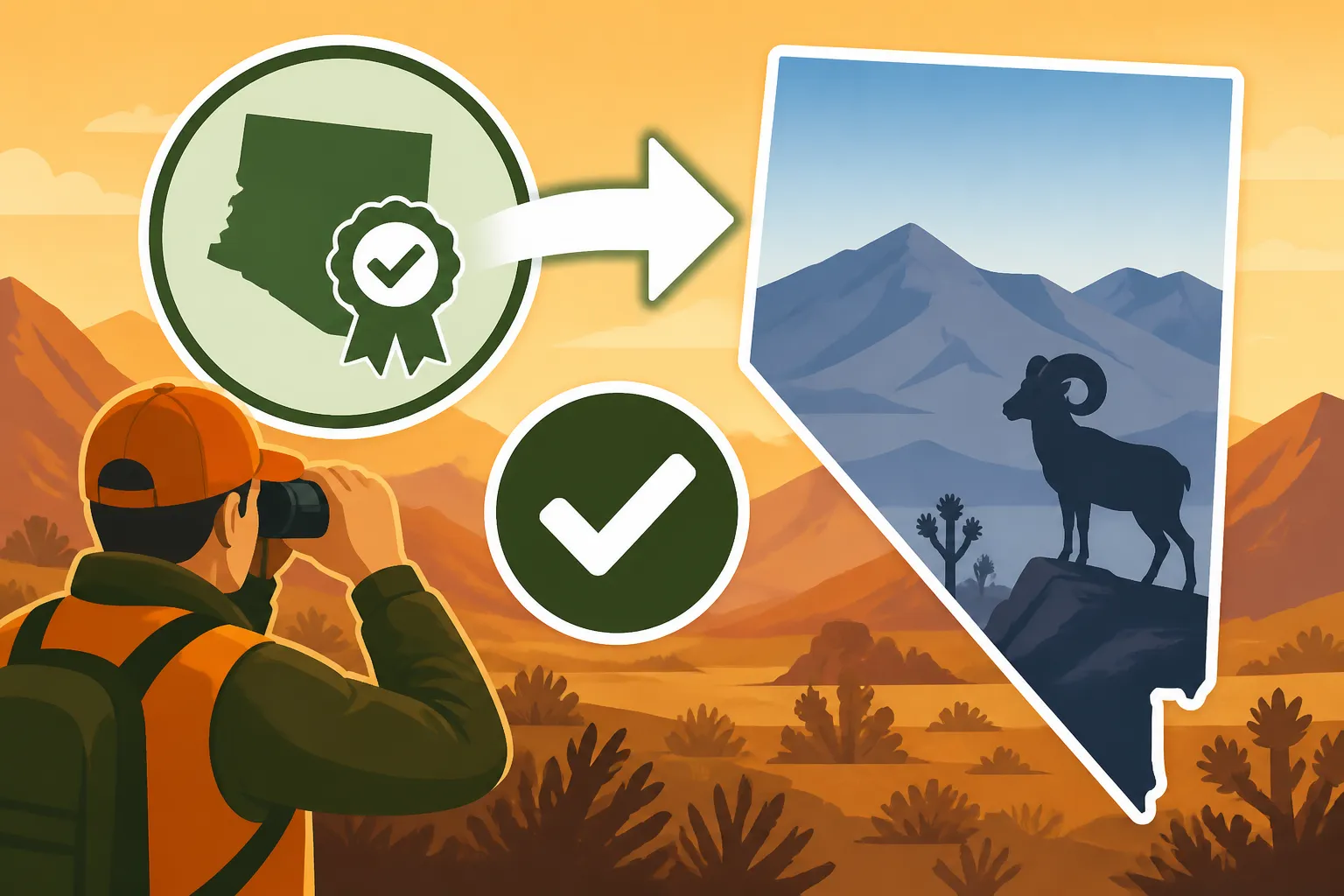
This requirement isn't waived for non-residents either. Often, folks assume that since they're just visiting, their home state's rules might suffice, but Nevada has its own standards. So, if you're traveling from Arizona, California, or New York, you'll need to demonstrate that you've completed an approved hunter education course from your state. The good news is that Nevada accepts certification from any state, as long as it meets their general criteria for approval. So, while you might not have taken a Nevada-specific course, your hard-earned certificate from back home should do the trick, allowing you to focus on the exciting prospect of Nevada's August Archery Deer Season Opens the Year rather than bureaucratic headaches.
The Core Requirement: Approved Courses
When we talk about "approved courses" in Nevada, what does that really mean? Essentially, Nevada's Department of Wildlife (NDOW) recognizes that most state-certified hunter education programs across the U.S. adhere to similar fundamental standards set by the International Hunter Education Association (IHEA). This means if your course was officially certified by your state's wildlife agency, it likely covered critical topics like firearm safety, ethical hunting practices, wildlife identification, basic survival skills, and conservation principles. These are the cornerstones of responsible hunting, and as long as your course delivered on these points, it's generally considered "approved."
The emphasis here is on equivalency of content and standards. Nevada isn't looking for minor differences in curriculum; they're looking for proof that you've been thoroughly educated in safe and ethical hunting. Most state programs, whether they're run by game and fish departments, parks and wildlife services, or similar agencies, are built on a common framework. This reciprocity is a huge benefit for hunters who want to explore different states, eliminating the need to retake a full course every time they cross a border. It's a testament to the collaborative spirit among wildlife agencies nationwide. So, your certification from Texas or Montana holds the same weight here as a Nevada-issued one.
It's also worth noting the flexibility regarding how you took your course. Whether you completed a traditional classroom-based course, a field day, or even an online course with a required field day component, Nevada typically accepts it. What they care about is the final certification, indicating successful completion of an official program. This flexibility means that whether you preferred the hands-on approach of a classroom or the convenience of an online module followed by practical application, your efforts will be recognized. Many hunters also ask about "Online and Classroom Hunter Education Compared," and Nevada's stance is that both are acceptable as long as they lead to a valid certification from a recognized state authority.
How Nevada Verifies Out-of-State Certifications
You've got your certificate, but how do you actually prove it to the Nevada Department of Wildlife? This is where the rubber meets the road, and thankfully, the process is usually straightforward, provided you have the right documentation.
Acceptable Proof of Certification
When it comes to proving your hunter education, Nevada needs verifiable documentation. The most common and widely accepted form of proof is your official hunter education card or certificate issued by your home state's wildlife agency. This card typically includes your name, the state of issuance, and a unique certification number. It's what you'll present when you purchase your The Nonresident Nevada Combination License or any big game tag. Think of it like your hunting passport; it confirms you've met the fundamental requirements to hunt legally and safely.
The key is that the proof must be clear and official. A faded photocopy from years ago or a screenshot of an email might not cut it. Ideally, you should have your physical card, or at least a high-quality digital copy that clearly shows all the pertinent information. Some states now offer digital verification systems, which can be incredibly convenient. What Nevada is looking for is a record that they can easily verify as legitimate. If you're ever in doubt, a quick call to NDOW or checking their official website can clarify what they specifically need.
What happens if you've lost your card over the years? It's a common scenario, especially for those of us who've been hunting for decades and whose cards might be buried in old wallets or moved during countless house moves. Don't panic! Most state wildlife agencies have a process for replacing a lost hunter education card. You can usually contact the agency that issued your original certification, and for a small fee, they can provide a duplicate or a letter of verification. This is crucial because Nevada will require that verifiable proof. You can find more specific advice on "Replacing a Hunter Education Card You Lost" by contacting your original state's wildlife department. Having this sorted before you apply for your Nevada license will save you a world of stress.
The Verification Process for Non-Residents
For non-residents, the verification process typically begins when you apply for your Nevada hunting license or tags. Whether you're applying online through the NDOW portal or in person at an authorized vendor, you'll be prompted to provide your hunter education information. This usually involves entering your certification number, the state of issuance, and sometimes the date of completion. The system is designed to check this against a database or flags it for manual review if there's any ambiguity.
The online application system for NDOW is generally quite user-friendly, but it does require accurate information. When you're setting up your profile or making an application, there will be a section specifically for your hunter education details. This is where you'll input the state your certification came from and its unique number. This allows NDOW to process your application efficiently, integrating your out-of-state credentials into their system. It's a seamless process for most hunters, allowing you to move on to other crucial aspects of your trip, like when "Nevada Applications Run March 23 to May 13."
While the process is usually smooth, it's always a good idea to submit your application well in advance, especially if you anticipate any potential hiccups. Sometimes, if your certification is from a less common state or if there's an issue with the number you provide, it might require a manual cross-check by NDOW staff. This can introduce slight delays, which is the last thing you want when you're trying to secure a highly sought-after tag. So, make sure all your details are correct, and if possible, keep a digital copy of your certificate readily available in case you need to upload it or email it to NDOW for further verification. Always be prepared to "How Nevada Verifies a Course From Another State" by having all your documents in order.
Navigating Common Scenarios and Avoiding Pitfalls
Even with reciprocity, there can be unique situations that pop up. Being prepared for these scenarios will save you a headache and ensure your hunting plans stay on track.
What if Your Home State's Course Differs?
The good news is that for the vast majority of hunters, their home state's course will align perfectly with Nevada's requirements. The IHEA-USA sets national standards, ensuring a baseline of quality across all state programs. This means the core curriculum, covering everything from safe firearm handling to ethical shot placement and game recovery, is largely universal. Most states operate under these guidelines, which is why Nevada can confidently accept certifications from other jurisdictions. You won't typically find yourself in a situation where Nevada deems your certification invalid because your course lacked a specific, obscure module.
However, in extremely rare cases, or if you took a very old, non-standard course from a small, local entity rather than a state-run program, there could potentially be questions. It's crucial that your certification came from an official state wildlife agency or a program explicitly sanctioned by one. If your certification looks a little unusual, or you have any lingering doubts, it's always best to contact the Nevada Department of Wildlife directly before applying. They can provide definitive answers and ensure there are no surprises down the line. It's always better to be proactive than to find out you're missing a key credential when your hunt is just around the corner.
For modern hunters, this isn't a significant concern. The focus on safety, ethics, and conservation is pervasive. Even courses that might specialize slightly, like those with an emphasis on specific hunting methods, still cover the foundational elements that all hunters need. The spirit of reciprocity means that as long as your certification is legitimate and from a recognized state authority, you're good to go. This allows you to spend less time worrying about paperwork and more time doing crucial preparation, like "Physical Conditioning for a Chukar Hunt" or "Preparing for Long Glassing Days" across Nevada's expansive terrain.
Planning Ahead for Your Nevada Hunt
The biggest piece of advice for any non-resident hunter is to plan, plan, plan! Do not wait until the last minute to sort out your hunter education proof. Nevada's application deadlines are firm, and drawing a desirable tag often means applying months in advance. Ensuring your hunter education is verified early on means one less thing to stress about as those crucial dates approach. Whether you're applying for an archery deer tag or hoping for a coveted elk tag, having all your credentials squared away is paramount.
When you're trying to figure out all the nuances of a Nevada hunt, especially as a non-resident, resources like GoHunt can be invaluable for understanding unit specifics, draw odds, and often, linking to official regulations where you'd find hunter education details. Using these tools to cross-reference regulations, check application periods, and confirm requirements will streamline your process significantly. They can help you visualize the entire timeline, from initial application to boots on the ground, making sure you don't miss any critical steps, including the sometimes-overlooked administrative ones.
Finally, and this might seem obvious, always carry proof of your hunter education with you in the field. While most license checks happen digitally now, or through verified databases, having your physical card or a clear digital image on your phone can save you a lot of hassle if you're ever asked to produce it by a game warden. Think of it as part of your essential gear, just like your license and tags. It proves you've done your due diligence and are ready to hunt responsibly. Being able to quickly "Proving Your Certification Out in the Field" demonstrates your commitment to lawful hunting and helps ensure your trip remains focused on the adventure.
| Requirement/Action | Description | Important Notes |
|---|---|---|
| Who Needs It | Anyone born after December 31, 1959. | Applies to both residents and non-residents. |
| Acceptable Courses | State-certified hunter education programs from any U.S. state. | Must meet IHEA-USA standards (firearm safety, ethics, conservation). Both online (with field day if required) and in-person courses are accepted. |
| Proof Required | Official hunter education card or certificate (physical or clear digital copy) showing certification number and state of issuance. | A previous hunting license from another state might be accepted if it clearly states hunter education completion. Always verify if unsure. |
| Lost Card? | Contact your original issuing state's wildlife agency for a replacement or verification letter. | Do this well in advance of applying for your Nevada license. |
| Non-Resident Process | Enter certification details (state, number) during the online license/tag application via the NDOW portal. | Apply early to allow for any potential manual verification if needed. Carry proof in the field. Ensure "Do Nonresidents Need Nevada Hunter Education?" is clear: yes, they do. |
| Key Principle | Reciprocity with other state-approved programs. | Nevada values safe and ethical hunting; as long as your certification demonstrates this, it's generally accepted. "The Nevada Hunter Education Birth Year Cutoff" is the critical date to remember. |
Disclaimer
The information provided in this guide is for general informational purposes only and is not a substitute for official regulations. Hunting regulations, fees, and requirements can change. Always consult the most current Nevada Department of Wildlife (NDOW) regulations and official resources before planning your hunt.