Furbearer Trapping Season Dates
For anyone looking to engage with Nevada's diverse furbearer populations through trapping, the sheer amount of information and the ever-changing regulations can feel overwhelming. It’s not just about setting a trap; it’s about understanding the nuances of the season, the specific rules for each species, and where to even begin. This comprehensive guide will walk you through the essential furbearer trapping season dates in Nevada, along with the crucial details you need to know to ensure a legal and ethical experience.
Understanding Nevada's Furbearer Landscape and Regulations
Nevada is a state of incredible diversity, not just in its dramatic landscapes, but also in its wildlife. While much of the focus often falls on the majestic big game species like mule deer and elk, the furbearers play an equally vital, albeit often less visible, role in the ecosystem. Trapping these animals is a long-standing tradition, offering unique challenges and rewards for those who pursue it. However, unlike big game seasons which are often widely publicized, furbearer seasons can feel a bit more niche, requiring dedicated effort to understand.
Why Furbearers Are Different
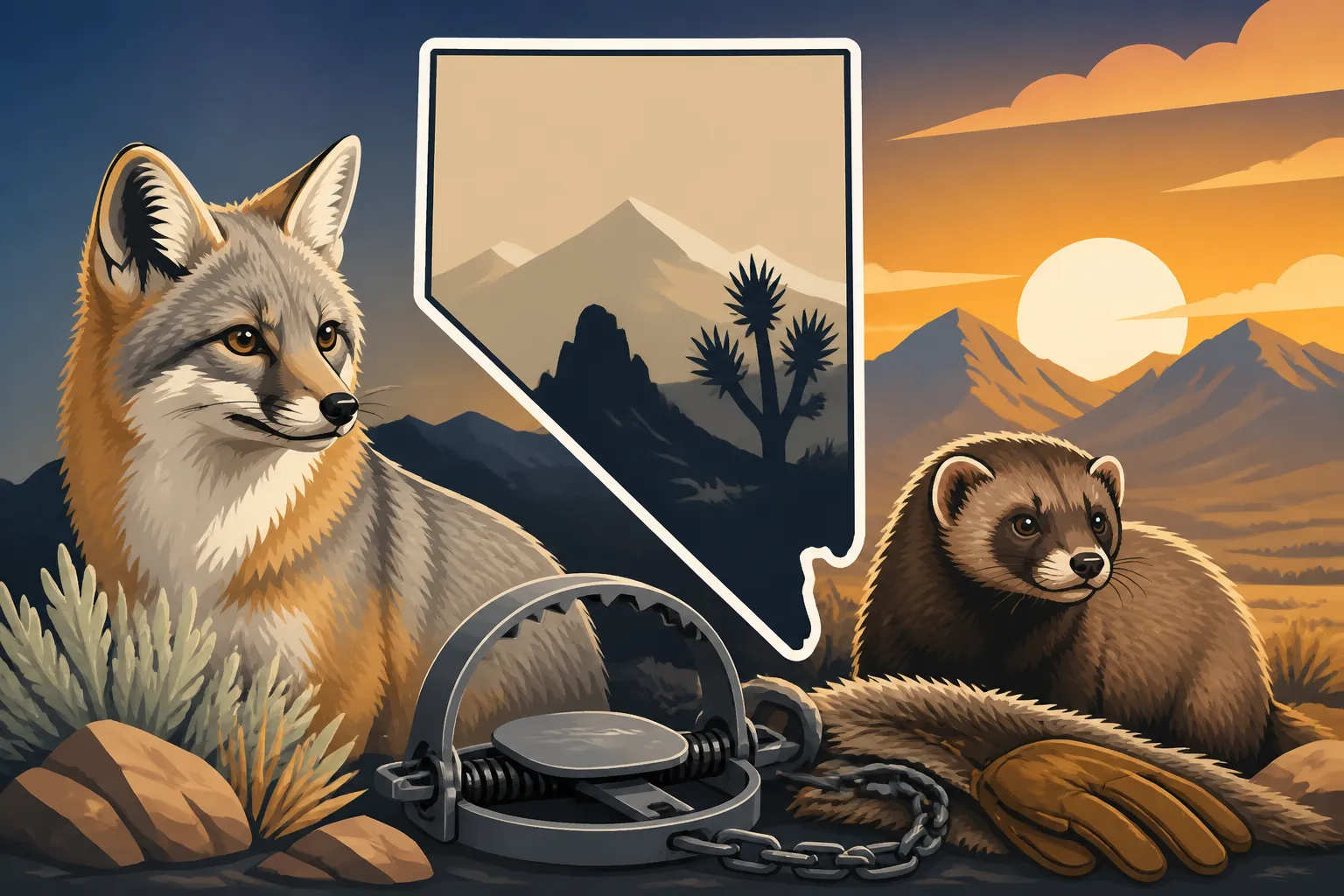
When we talk about furbearers, we're generally referring to mammals traditionally harvested for their fur, such as bobcat, beaver, muskrat, badger, skunk, and various fox species. These animals have distinct life cycles, habitats, and population dynamics compared to, say, a mule deer herd. Their management often focuses on maintaining healthy populations, while also considering fur quality, which is paramount for trappers. This often means seasons are set to coincide with the animals having their prime winter coats, which not only yields a better product but also helps ensure sustainable harvest practices. Understanding these differences is the first step in becoming a responsible and successful trapper in the Silver State.
The strategies for trapping also differ vastly from hunting. Instead of optics and long-range shooting, trappers focus on reading sign, understanding specific animal behaviors, and precisely placing their traps. It's a game of intricate details and patience, demanding a deep connection to the land and the animals inhabiting it. It’s not about covering miles on foot looking for a glimpse of an animal, but rather identifying key areas, travel corridors, and feeding grounds where furbearers are most likely to interact with a well-placed set.
The Importance of Season Dates and Legalities
Let's be blunt: trapping out of season is a serious offense, and for good reason. Season dates aren't arbitrary; they are carefully set by wildlife biologists to protect breeding animals, allow young to mature, and ensure that populations remain robust. Harvesting an animal when its fur isn't prime is also a waste of a valuable resource. For instance, a bobcat pelt taken in the middle of summer would be far less valuable and less ethical to harvest than one taken in the dead of winter when its fur is at its peak density and quality.
Legalities extend beyond just the dates themselves. They encompass everything from the types of traps you can use, where you can set them, how often you must check them, and specific tagging requirements for certain species. Ignoring these rules doesn't just put you at risk of fines and penalties; it undermines the conservation efforts that keep these furbearer populations healthy for future generations. It’s your responsibility to know the rules inside and out, because ignorance is never an excuse. Always consult the current Nevada Department of Wildlife (NDOW) regulations to avoid any missteps.
Furbearer Trapping Season Dates in Nevada
Getting down to the nitty-gritty, knowing the exact season dates for furbearers in Nevada is non-negotiable. These dates dictate when you can legally set your traps and pursue these animals. It’s crucial to remember that while there might be general patterns, specific dates can and do change from year to year based on biological data, drought conditions, or even management decisions. Always verify the current regulations before heading out.
General Furbearer Trapping Seasons
Most furbearer trapping seasons in Nevada typically open in the late fall or early winter and continue through the coldest months. This timing is deliberate, as it coincides with the period when furbearers develop their thickest, most luxurious coats – often referred to as "prime fur." Harvesting animals during this period ensures the highest quality pelts, which historically was a key driver for trapping.
For many common furbearers, you'll often see season dates that start sometime in November and can extend into February or even early March. This window provides ample opportunity for trappers to work their lines, but it also means dealing with harsh winter conditions in many parts of Nevada. Think about snow, ice, and extremely cold temperatures, which add another layer of challenge to the pursuit. These dates are generally designed to allow for a sustainable harvest without impacting breeding cycles.
Here’s a general idea of what you might typically expect for some of Nevada’s furbearers. Please remember, this is a general representation and exact dates must be confirmed with current NDOW regulations.
| Species | Typical Season Start | Typical Season End | Notes |
|---|---|---|---|
| Bobcat | Mid-November | Mid-February | Tagging requirements often apply |
| Fox (Red, Gray) | Late October/Early Nov | Late February | Season length can vary by unit |
| Badger | Late October/Early Nov | Late February | Often hunted alongside fox |
| Skunk | Late October/Early Nov | Late February | Generally considered a furbearer |
| Muskrat | Mid-November | Mid-March | Often associated with water bodies |
| Beaver | Mid-November | Mid-March | Specific unit restrictions may apply |
| Coyote | Year-round | Year-round | No closed season, no bag limit |
This table provides a snapshot, but it's vital to dig deeper for specifics. For example, while coyotes are indeed year-round, other species have very strict windows. You might find it useful to check the Fox and Raccoon Season Dates for a more detailed look at those specific species, or even Badger and Skunk Hunting Rules to understand what applies to those furbearers.
Species-Specific Season Variations
While the general trapping season often covers many furbearers, there are always important species-specific nuances. Bobcat, for instance, are a highly valued furbearer, and as such, their management often includes more stringent regulations. Beyond just the season dates, trappers typically need to acquire specific bobcat tags before setting traps, and each harvested bobcat must be presented for inspection and tagging within a certain timeframe after harvest. This rigorous system helps biologists track harvest numbers and manage the population carefully. You can find more specific details by looking up Bobcat Season and Pelt Tag Rules.
Beaver and muskrat seasons are often linked to water bodies and can have specific unit restrictions or special conditions. Their populations can fluctuate significantly based on water availability, especially in a desert state like Nevada. Therefore, their seasons might be adjusted to account for local conditions or to address nuisance issues in certain areas. Understanding these local variations requires a close study of the official regulations for the units you intend to trap.
Other furbearers, like the various species of fox, might have slightly different season lengths or bag limits depending on the specific hunt unit. This modular approach to wildlife management ensures that local population health and environmental factors are always taken into account. This level of detail is why a general overview isn't enough; you really need to dive into the current regulations.
Checking Current Regulations and Updates
I cannot stress this enough: always confirm the current furbearer trapping season dates directly with the Nevada Department of Wildlife (NDOW) every single year. Do not rely on information from previous seasons, social media, or even a blog post like this one as your sole source. Regulations are dynamic. What was true last year might have changed due to herd health, environmental factors like drought, or shifts in management strategies.
The official NDOW website and their annual Big Game & Furbearer Seasons and Regulations booklet are your definitive sources. You can usually find a dedicated section for furbearer trapping that outlines the dates, legal methods, licensing requirements, and any species-specific regulations. Many trappers also use tools like GoHunt to keep abreast of regulation changes, even though it's often more known for its big game draw odds and strategy. Services like GoHunt can compile and highlight these changes, which can be a real time-saver.
It's a good practice to download the latest regulations PDF to your phone or print a physical copy to carry with you when you’re out in the field. Imagine being out in a remote area, having set your traps, only to realize later that you misread a date or missed an update. The penalty for such an oversight can be severe, so invest the time upfront to be absolutely certain of the rules.
Beyond the Dates: Keys to Successful and Ethical Furbearer Trapping
Knowing the season dates is just the first step. True success in furbearer trapping in Nevada comes from a deeper understanding of the animals, the land, and the responsibilities that come with being a trapper. It’s a pursuit that demands patience, skill, and an unwavering commitment to ethical practices.
Understanding Furbearer Behavior and Habitat
To successfully trap a furbearer within its legal season, you need to think like the animal you're pursuing. This means a lot of pre-season scouting, not just for fresh sign, but for understanding habitat, travel patterns, and natural pinch points. For instance, beaver are inherently tied to water sources and their associated riparian zones. You’ll find them in streams, rivers, and ponds, building dams and lodges. Muskrat will also be found in similar watery environments.
Coyote and fox, on the other hand, are highly adaptable and can be found across a vast range of Nevada’s landscapes, from the open sagebrush flats to the edges of agricultural land and foothills. For these canids, understanding their diet (rodents, rabbits), their typical travel routes along washes or ridge lines, and their response to various calls or lures is crucial. You might use tools like GoHunt's mapping features to identify potential habitat before you even set foot on the ground, helping you narrow down your scouting efforts. E-Scouting a Nevada Unit Before the Season can provide valuable insights into how to use technology to plan your trapping routes.
Badger, known for their powerful digging abilities, will be found in areas with loose soil and abundant rodent populations, often signaled by their distinctive excavations. Skunks are more generalist, but often found in areas offering cover and food near human habitation or agricultural fields. The more you learn about each species' specific behaviors and preferred habitats, the more effective your trap placement will become, increasing your chances during the short, legal trapping window. Also, knowing Water Sources That Concentrate Desert Game can be invaluable, as many furbearers are drawn to these critical spots.
Required Licenses and Permits
This is an area where many new trappers can get confused. You can’t just go trapping with your standard Nevada hunting license. The state has specific requirements for furbearer trapping. To trap furbearers in Nevada, you will need a valid Nevada trapping license. This is a separate license from a general hunting license or a fishing license. These licenses are typically available through the NDOW online portal or from licensed vendors.
Beyond the general trapping license, certain species, particularly bobcat, often require additional tags that must be acquired before the season begins. These tags are usually limited and help NDOW manage the harvest. It is your responsibility to understand and obtain all necessary licenses and tags. Penalties for trapping without the correct license or for failing to properly tag an animal can be substantial. For comprehensive details on what you need, make sure to check Trapping License Requirements for Residents. Understanding your legal boundaries for access is also key; always be aware of Reading a Nevada Unit Boundary and Motorized Travel Rules on Nevada Public Land.
Ethical Considerations and Best Practices
Ethical trapping is paramount. It’s not just about obeying the law, but about demonstrating respect for the animals and the tradition of trapping. This means adhering to best practices that ensure humane treatment and minimize suffering.
One of the most critical aspects is trap checking. Nevada regulations stipulate how often traps must be checked, typically every 24 or 48 hours. This is to ensure that any trapped animal is dispatched quickly and humanely, or released if it's a non-target species. Neglecting your traps is not only illegal but deeply unethical. When you commit to a trap line, you commit to its regular maintenance, regardless of weather or personal inconvenience.
Choosing appropriate trap types for the target species is another ethical consideration. Using traps designed to hold animals without excessive injury is crucial. Understanding how to set your traps to be efficient and minimize the chances of catching non-target animals, like domestic pets or protected species, is also a mark of a responsible trapper. And, of course, once an animal is harvested, it must be handled respectfully. This includes proper dispatch, field dressing if necessary, and ensuring all legal tagging and reporting requirements are met. The goal is to maximize the utility of the animal while minimizing any suffering. Responsible trapping ensures that this pursuit remains a valid and respected part of Nevada's wildlife management.
Disclaimer
This article is for general informational purposes only and does not constitute professional advice. Laws, prices and regulations vary by location and change over time. Consult a qualified professional for guidance on your specific situation.