Hunting the Diamond Mountains
The Diamond Mountains in Nevada are a hunter's paradise, but they can feel like an impenetrable fortress if you're not prepared. Many hunters dream of glassing a big mule deer buck or chasing elk through this rugged range, only to find themselves overwhelmed by the sheer scale and unforgiving terrain. This guide is going to walk you through how to tackle the Diamond Mountains, offering practical advice on scouting, hunting tactics, and logistical planning so you can turn those dreams into a successful hunt.
Understanding the Diamond Mountains' Unique Terrain and Habitat
Let's be honest, the Diamond Mountains aren't for the faint of heart. This isn't flat, easy hunting ground. This is Nevada's high country, and it demands respect and preparation. Knowing what you're up against, both in terms of landscape and the animals that call it home, is your first step toward success.
Topography and Access Challenges
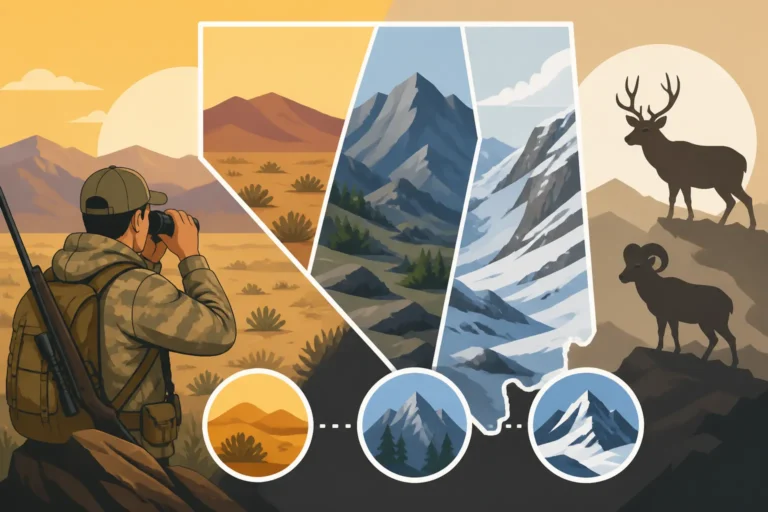
When you look at a map of the Diamond Mountains, you're immediately struck by the dramatic elevation changes. Peaks soar above 10,000 feet, dropping into deep, rugged canyons that carve through the range. These canyons often hold small pockets of aspen and pine, providing crucial cover, but they are incredibly steep and tough to navigate. Getting around here means climbing, descending, and doing it all over again, often on loose shale or rocky scree fields. Road access is limited, primarily consisting of old mining roads or Forest Service tracks that can be rough and often dead-end into private property or wilderness boundaries. You’ll quickly find that a four-wheel-drive vehicle is less of a luxury and more of a necessity just to get to a decent starting point. Once you leave the truck, it’s all on foot, and the vertical feet add up fast. It's the kind of place where a mile on the map can feel like five miles on the ground.
Key Species and Their Preferred Habitat
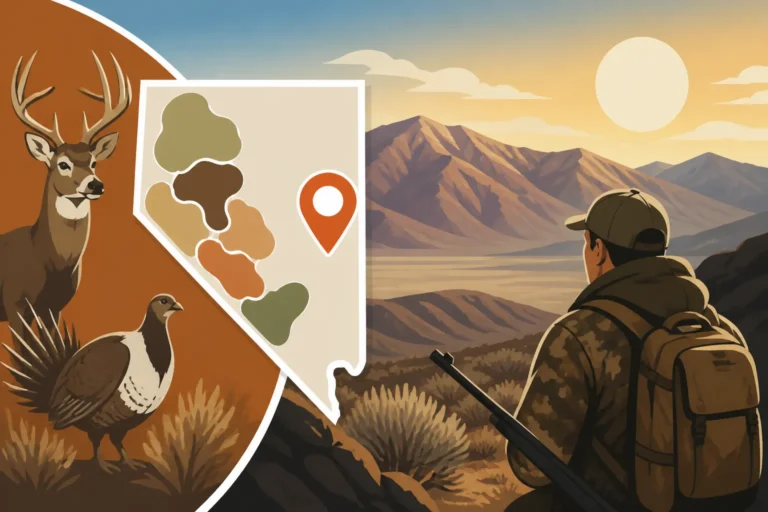
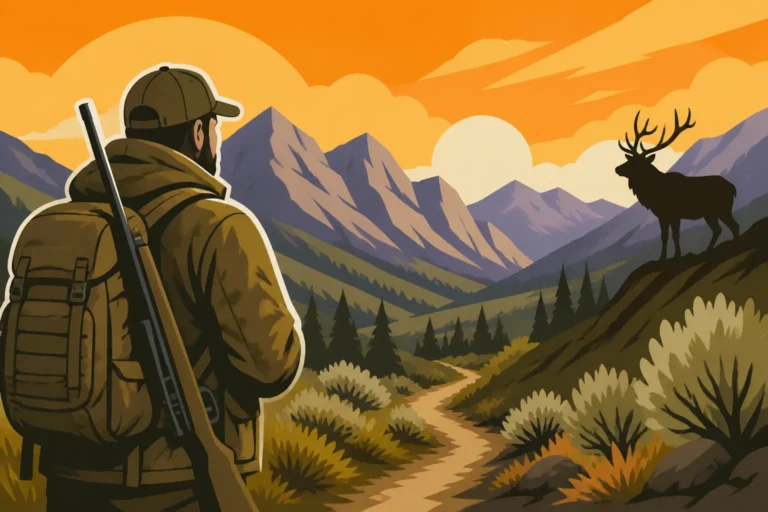
The Diamond Mountains are most renowned for their mule deer, which is often why many hunters apply for tags here. These bucks often utilize the higher elevations, especially once hunting pressure starts to build in lower country. You'll find them in the pockets of timber, on shaded north-facing slopes, and tucked into the heads of steep canyons where feed and cover combine. Elk are also present and can offer a truly memorable hunt, though their populations might be less dense than in some other Nevada ranges. Elk often favor the larger, more open basins at higher elevations, where they can feed on nutritious grasses and have plenty of room to roam. During the rut, you might hear a bull bugle echoing through those same high basins, a sound that can raise the hair on any hunter's neck. Understanding these habitat preferences is key to narrowing down your search in such a vast landscape.
Essential Scouting and Planning for a Diamond Mountains Hunt
You wouldn't build a house without a blueprint, and you shouldn't hunt the Diamond Mountains without serious scouting and planning. This isn't just about finding animals; it's about staying safe and maximizing your limited time in the field.
Leveraging Mapping Tools for Success
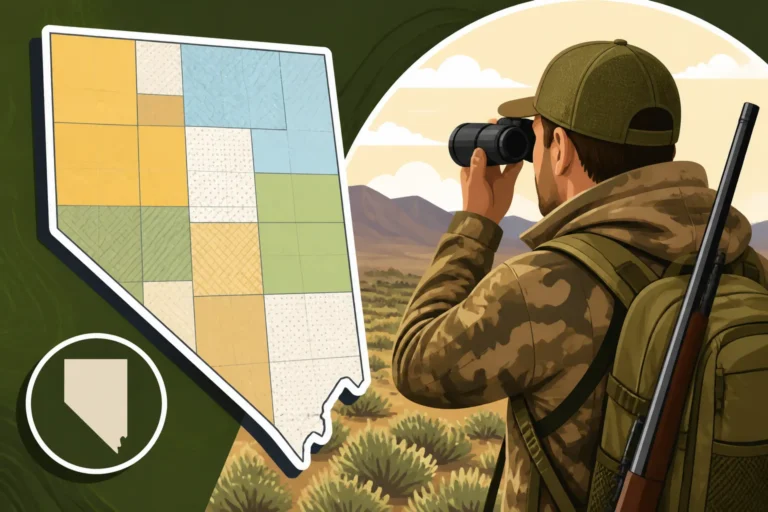
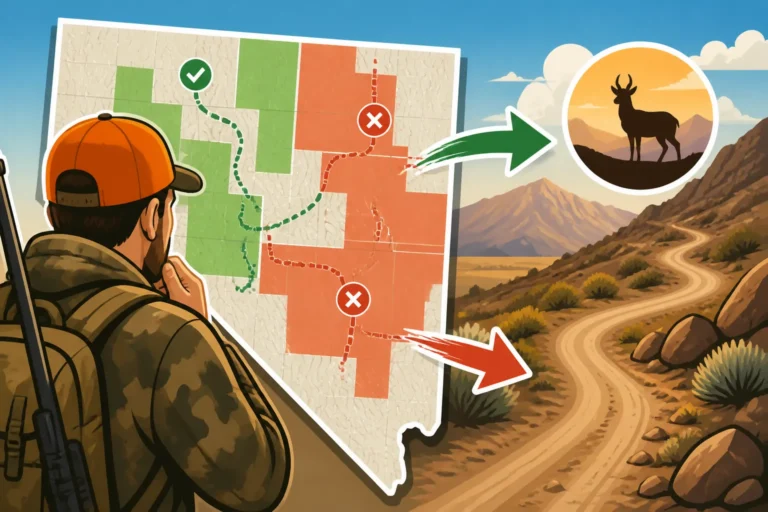
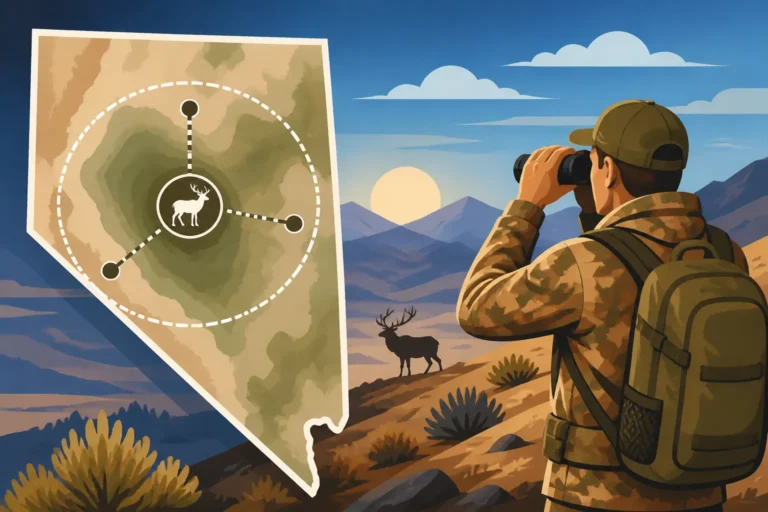
In a range as expansive and remote as the Diamond Mountains, modern mapping tools are absolutely indispensable. Forget relying solely on paper maps; while they're great backups, digital platforms offer dynamic layers that are game-changers. Services like onX Hunt allow you to visualize land ownership—a critical feature in Nevada, where public and private parcels can be a confusing checkerboard. You can identify public access points, mark potential water sources, and pinpoint areas that look like ideal bedding or feeding habitat for deer and elk, all from the comfort of your home. Using tools like GoHunt's Insider research can give you an edge by showing draw odds, harvest data, and unit-specific insights, helping you decide which areas within the Diamond Mountains might hold the most promise for a trophy or simply a higher chance of success. Before you even set foot in the unit, you should have dozens of waypoints marked, identifying potential glassing knobs, escape routes, and even emergency extraction points. This detailed pre-season work can save you days of aimless wandering and reduce the frustration of hitting a boundary you didn't know existed. Knowing Reading a Nevada Hunt Unit Before You Apply can give you a leg up in understanding the unit's specifics before you commit.
Importance of Pre-Season Physical Preparation
I can't stress this enough: hunting the Diamond Mountains is a physical endeavor. If you're not in shape, you're going to suffer, and your hunt will be severely hampered. Imagine hiking miles uphill with a heavy pack at 8,000 to 10,000 feet, then trying to hold steady for a long shot. Your lungs will burn, your legs will ache, and your focus will suffer. Incorporate exercises that mimic mountain hunting: long hikes with a weighted pack, stair climbing, and exercises that build core strength and endurance. Don't wait until a month before the season. Start now. Consider specific training like rucking with a heavy pack, or even just doing a lot of Preparing Physically for Long Glassing Days in varied terrain. Your physical conditioning will directly impact your ability to cover ground, climb to vantage points, and most importantly, pack out an animal if you're successful.
Tactics for Hunting Mule Deer and Elk in the Diamond Mountains
Once you've done your homework and gotten yourself in shape, it's time to talk about how you're actually going to find and pursue animals in this challenging environment.
Glassing Strategies in Steep Country
The vast, open nature of much of the Diamond Mountains makes glassing your most effective hunting tool. You simply cannot walk up on animals consistently in this country without making a lot of noise or being seen first. Instead, find a high vantage point where you can see into multiple canyons, across steep slopes, and into timbered pockets. Set up your spotting scope and binoculars on a solid tripod and methodically pick apart the terrain. Don't just glance; scrutinize every shadow, every rock, every patch of timber. Animals often look like just another rock or stump until you've trained your eye to spot the subtle differences. Spend hours behind the glass, starting at first light and continuing until dark. The early mornings and late evenings are prime times, as animals are often on the move or feeding. A high-quality binocular and spotting scope are not luxuries here; they are necessities. Knowing Optics Power for Nevada's Long Sightlines can help you choose the right gear for this type of hunting. Remember, the goal is to spot the animal, identify its quality, and then plan your stalk, all before it knows you're there.
| Time of Day | Ideal Glassing Strategy | Typical Animal Activity |
|---|---|---|
| Dawn | High vantage, focus on feeding areas, north slopes | Deer/Elk moving from feed to bed, actively grazing |
| Mid-morning | Slower, detailed scanning of shaded bedding areas, timber edges | Animals bedding down, often subtle movements |
| Mid-day | Target dense cover, water sources, deep canyon shadows | Least active, harder to spot, seek cool/shade |
| Late-afternoon | Re-scan feeding areas, south-facing slopes, lower elevation | Animals beginning to stir, moving towards feed |
| Dusk | Focus on transitions between bedding and feeding, open parks | Most active movement, feeding, last chance for a stalk |
Approaching Animals in Rugged Terrain
Once you've spotted your target, the real challenge begins: the stalk. In the Diamond Mountains, this means using the terrain to your advantage. Draws, ridges, and even sparse timber can provide crucial cover. The key is to stay out of sight, control your scent, and manage the wind, which can be fickle and swirling in steep country. Pay close attention to thermals—cold air sinks in the morning and evening, while warm air rises during the day. This dictates how your scent will move. Plan your approach to keep the wind in your favor, even if it means taking a longer, more circuitous route. Often, you'll need to use a series of short, deliberate movements, pausing to reassess your position and the animal's. Don't rush; a slow, patient approach is always better than blowing a stalk by being too aggressive. Using the natural contours, knowing Using Draws and Rims to Close Distance, can be the difference between getting a shot and watching your quarry disappear over the next ridge. Always have a plan for how you'll close those last few hundred yards, and be prepared for the animal to move when you least expect it.
Practical Considerations for a Diamond Mountains Hunt
Beyond the hunting itself, there are crucial logistical elements to consider when heading into the remote Diamond Mountains. These aren't minor details; they can make or break your trip.
Water Sources and Availability
Water is life in Nevada, and the Diamond Mountains are no exception. While higher elevations might have more springs and snowmelt early in the season, relying on natural sources can be risky, especially during drier years or later in the fall. Always carry more water than you think you'll need for a day hunt, and make sure your camp has a reliable supply. Many natural springs or seeps are seasonal, so don't just mark them on a map and assume they'll be flowing. If you're planning an early season archery hunt, water will be an even bigger concern, as temperatures can still be scorching. Researching Hunting Water in Nevada's Driest Country is a must. Knowing the location of any known guzzlers or permanent springs from your mapping tools is vital, but always filter or treat any water you find in the backcountry. A portable filter or purification tablets are essential gear.
Vehicle and Camp Logistics
Getting to your hunting area in the Diamond Mountains often involves navigating rough, unmaintained roads. Your vehicle needs to be in top condition, with good tires (and a full-size spare!), and you should carry extra fuel, especially if you plan to explore far from main roads. Cell service is unreliable at best, and nonexistent in many areas, so a satellite messenger or inReach device is a smart investment for emergencies. For camping, dispersed camping on BLM or Forest Service land is generally allowed, but be aware of any fire restrictions, especially during the dry summer and fall months. Pack out everything you pack in, and practice Leave No Trace principles. Remote camps require careful planning: enough food, water, first-aid supplies, and the knowledge of how to field dress and cool meat effectively, especially if you're hunting in warmer conditions. And don't forget the challenge of Packing an Animal Out of Roadless Country – it's a monumental task, and you'll need a solid plan, whether that involves extra hands, a game cart, or even pack animals.
Disclaimer
This article is for general informational purposes only and does not constitute professional advice. Laws, prices and regulations vary by location and change over time. Consult a qualified professional for guidance on your specific situation.