Satellite Messenger Use in Remote Country
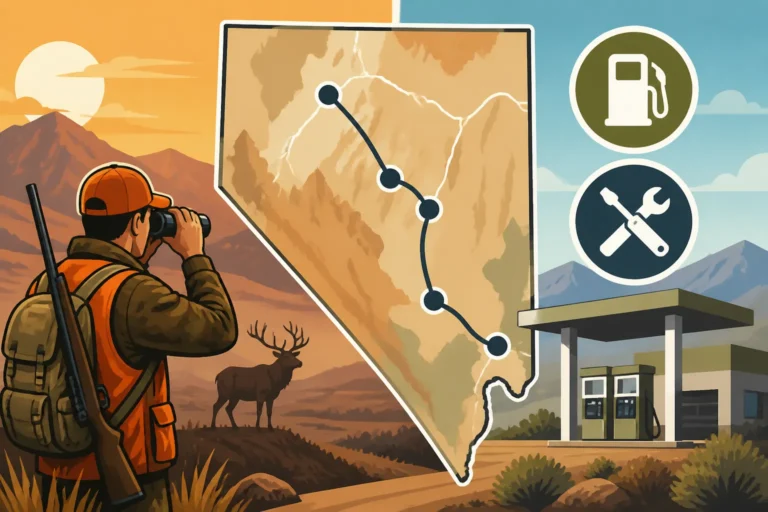
The vast, unforgiving expanses of Nevada's backcountry offer unparalleled hunting opportunities, but they also present a stark reality: cell service is a rare luxury, not a given. The feeling of chasing a signal on a ridge, only to be met with dead air, can quickly turn a challenging hunt into a truly dangerous situation, especially when an emergency strikes miles from any road. This guide is dedicated to helping you understand and utilize satellite messengers, providing a vital lifeline when you're deep in the remote country, ensuring your safety and peace of mind on every Nevada adventure.
Why Communication Fails in Nevada's Remote Areas
Let's be honest, we've all been there. You're high on a ridge, glassing a distant basin, and you pull out your phone hoping to send a quick text or check a map, only to see that dreaded "No Service" icon. In Nevada, this isn't just a minor inconvenience; it's the norm across huge swaths of the state. The sheer scale of the landscape, coupled with sparse population centers, means cellular infrastructure simply doesn't exist in most of the places we love to hunt.
Imagine you're deep in the Humboldt-Toiyabe National Forest, miles from a paved road, trying to pack out a mule deer. Suddenly, you twist an ankle, or your vehicle breaks down, leaving you stranded. Without a way to call for help, you're looking at a serious predicament. Even familiar apps like onX Hunt that use downloaded maps can't help you communicate your location or distress if there's no signal. This isn't about being unprepared with navigation; it's about being isolated from the outside world when it matters most. The rolling sagebrush hills and steep mountain ranges actively block the faint signals that might otherwise exist, creating dead zones that stretch for hundreds of square miles.
It's not just about emergencies, either. Sometimes you just need to update your hunting partner on your location, or let family know you're okay when you haven't been heard from in a couple of days. That quiet worry back home can be just as stressful as being isolated in the field. Relying on the hope of hitting a pocket of service near a mountain pass is a gamble you really shouldn't take when you're hunting in truly remote Nevada units.
The Illusion of Sporadic Cell Service
Many hunters have experienced that fleeting moment of one bar of service on a specific peak or in a particular canyon. It's a tantalizing tease, making you believe that if you just get to that spot, you'll be able to make a call. The truth is, these pockets are often too unreliable to count on for critical communication. The signal might drop before your text sends, or a call might cut out before you can convey vital information.
Think about it: you finally get that single bar, quickly dial, and then spend precious minutes shouting into the phone, repeating yourself, trying to describe your location or the nature of your emergency. What if the battery dies in the middle of that conversation? What if the weather changes, and that "good" spot is now exposed to a blizzard or a lightning storm? Chasing cell service becomes a distraction, pulling you away from the safety protocols you should be following. It delays critical response times and adds an unnecessary layer of stress to an already difficult situation. When you're planning a hunt, especially in units known for their remoteness, checking Cell Coverage Across Nevada Hunt Units is important, but a satellite messenger provides the ultimate backup regardless of what the maps show.
The Dangers of Being Truly Isolated
True isolation in Nevada is not to be underestimated. A minor injury can become life-threatening if you can't summon help. A vehicle breakdown can mean days stranded in extreme heat or cold, far from water or provisions. Hunters, especially those venturing out solo or with a small group, must assume they will have zero communication with the outside world once they leave the main highways.
The sheer distance from any kind of assistance means that if something goes wrong, you're entirely on your own for a significant period. Search and rescue operations take time to coordinate and deploy, even when they know where to look. Without a satellite messenger, pinpointing your exact location can become a monumental task, wasting precious hours. This isn't about fear-mongering; it's about being realistic about the unique challenges of hunting Nevada's vast public lands. Carrying enough Water You Must Carry on a Desert Day Hunt is crucial, but knowing you can call for help if you run out is equally important.
Understanding How Satellite Messengers Work
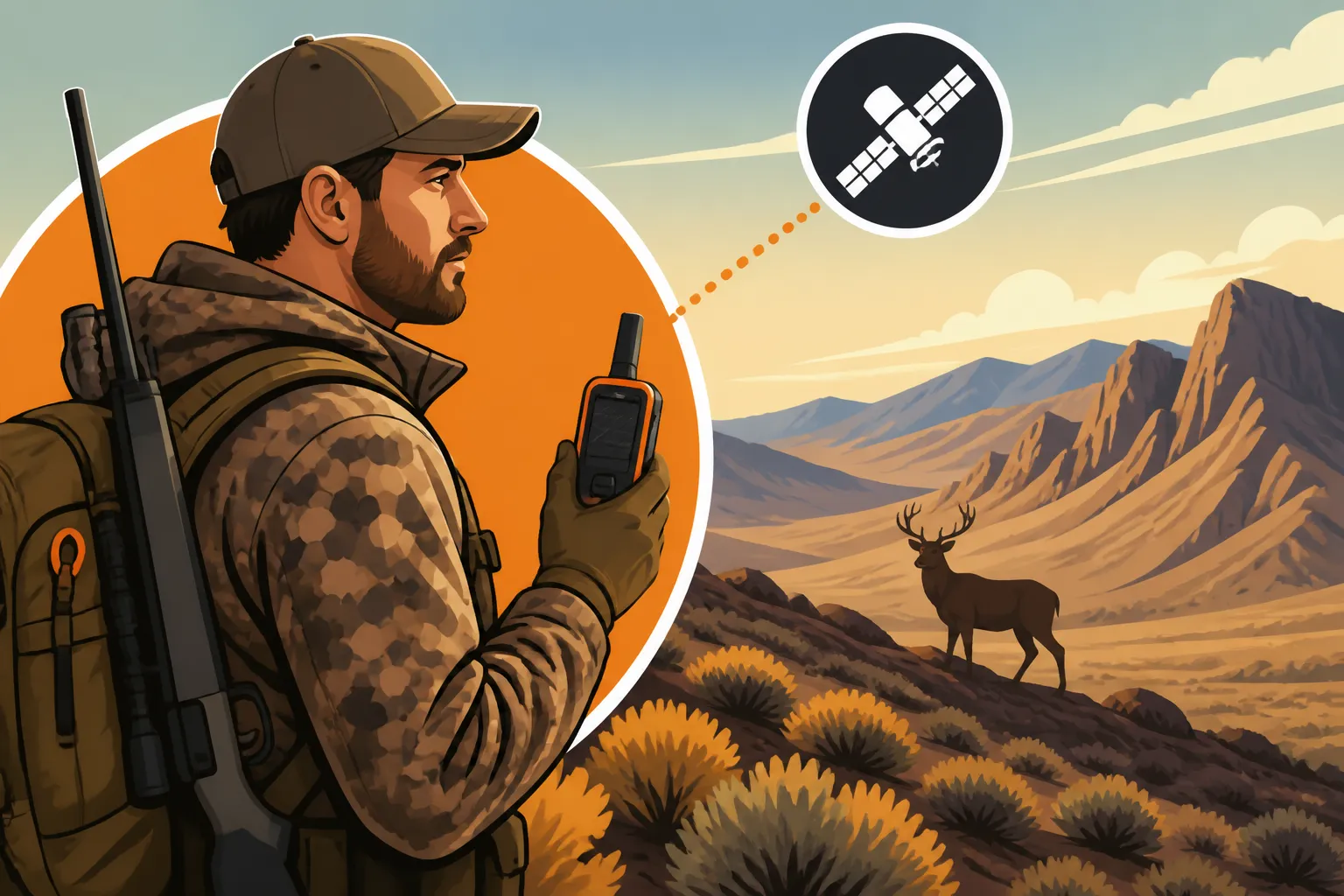
At their core, satellite messengers are compact devices designed to send and receive messages by communicating directly with satellites orbiting Earth, rather than relying on terrestrial cell towers. This fundamental difference is what makes them so invaluable in remote areas where cell service is nonexistent. They operate on dedicated satellite networks, ensuring coverage even when you're miles from civilization.
Unlike the complex voice communication of a satellite phone (which also comes with a much higher price tag and often bulkier equipment), most satellite messengers focus on data transmission – short text messages, GPS coordinates, and pre-programmed "check-in" messages. This streamlined approach allows for smaller, more durable devices with longer battery life, perfectly suited for the rigors of a Nevada hunt. They're not for chatting with friends, but for critical communication and location sharing.
Satellite Networks: Your Lifeline in the Backcountry
Different satellite messengers utilize various satellite networks. Some of the most common include Iridium, Globalstar, and the proprietary networks of some specific devices. These networks consist of dozens of satellites constantly circling the globe, ensuring that at least one satellite is usually within line of sight of your device, no matter where you are.
When you send a message, your messenger transmits a signal directly to the nearest available satellite. That satellite then relays the message down to a ground station, which then sends it through conventional communication channels (like the internet or cellular networks) to its final recipient. The reverse happens for incoming messages. This process, while seemingly complex, is surprisingly quick for short bursts of data. The key is having a clear view of the sky, free from dense tree cover or deep canyons, to allow the signal to reach the orbiting satellites. This is a critical factor to consider when you're setting up camp or taking a break to send a message.
Core Functions of a Satellite Messenger
Modern satellite messengers typically offer a range of functions designed to keep you safe and connected:
- SOS/Emergency Button: This is the most critical feature. When activated, it sends a distress signal, along with your exact GPS coordinates, to a 24/7 emergency response center. This center then contacts local search and rescue teams (like the county sheriff's office in Nevada) and your pre-designated emergency contacts. This isn't a casual "I need a ride" button; it's for true life-threatening emergencies.
- Two-Way Messaging: Many popular devices allow for two-way text communication with any phone number or email address. This means you can send messages to loved ones, update your hunting partners on your progress, or even communicate with search and rescue teams directly if an SOS is activated. This is a huge step up from older one-way communicators.
- Check-In/Pre-Set Messages: You can program custom messages like "I'm okay" or "Camp established at X location" to send with a single button press to a list of pre-selected contacts. This is fantastic for regular updates, letting people know you're safe without having to type out a full message every time.
- Location Tracking & Sharing: Most messengers can send automated "breadcrumb" tracks of your movement at set intervals, allowing friends and family to follow your progress online. You can also manually send your current coordinates with a message. This feature is invaluable for accountability and for aiding search efforts if you do go missing. Many hunters integrate this with their GoHunt planning, sharing their routes with an emergency contact.
These devices aren't just for dire situations; they're for peace of mind, allowing you to confidently explore Nevada's vast and wild places, knowing you have a reliable way to connect if needed.
| Feature | Basic Satellite Messenger (e.g., inReach Mini) | Advanced Satellite Messenger (e.g., inReach Explorer) | Satellite Phone (e.g., Iridium Extreme) |
|---|---|---|---|
| Primary Use | Text messaging, SOS, GPS tracking | Text messaging, SOS, GPS, basic navigation, weather | Voice calls, SMS, some data |
| Communication Type | Text (2-way), SOS, pre-set messages | Text (2-way), SOS, pre-set messages, basic mapping | Voice, text |
| Size/Weight | Compact, lightweight | Compact, slightly larger/heavier | Larger, heavier |
| Battery Life | Excellent (days to weeks) | Very good (days) | Good (hours of talk time, days standby) |
| Cost (Device) | Moderate | Moderate to High | High to Very High |
| Subscription | Required (monthly/annual plans) | Required (monthly/annual plans) | Required (monthly/annual plans) |
| Emergency SOS | Yes (24/7 monitoring) | Yes (24/7 monitoring) | Yes (some models, 911 dialing) |
| Navigation Features | Basic GPS, breadcrumb tracking | Detailed GPS, preloaded maps, compass | Basic GPS (not primary function) |
| Weather Forecasts | Yes (some models, satellite-delivered) | Yes (some models, satellite-delivered) | No (unless through data) |
| Typing Messages | On-device (clunky) or paired to smartphone | On-device (clunky) or paired to smartphone | Keypad, like an old cell phone |
Choosing the Right Satellite Messenger for Your Nevada Hunt
Deciding which satellite messenger is right for you can feel a bit overwhelming with the various options out there. It's not a one-size-fits-all situation, and what works best for a solo elk hunter in the Jarbidge Wilderness might be different from what a family needs on a weekend overlanding trip. The key is to balance features, durability, ease of use, and the ongoing subscription costs against your typical hunting scenarios.
First, consider how often you truly go off-grid. If you're a hardcore backcountry hunter who spends weeks in units like the Ruby Mountains, then a robust device with extensive battery life and two-way communication is a non-negotiable. If you're primarily hunting areas with decent road access but want a backup for the occasional long stalk, then a more basic model might suffice. Don't just think about the purchase price; the monthly or annual subscription is a significant part of the total cost of ownership, and those costs can vary widely depending on the plan you choose.
Key Features to Consider
When you're comparing devices, here are some critical aspects to keep in mind:
- One-Way vs. Two-Way Communication: Older, simpler devices sometimes only allow you to send pre-programmed messages or SOS signals. While better than nothing, a two-way device is vastly superior. Being able to receive confirmation that your message was received, or communicate directly with emergency services, significantly reduces anxiety and improves response efficiency. For Nevada hunting, where help can be hours or even a full day away, two-way communication is highly recommended.
- Battery Life: This is paramount for multi-day hunts. Look for devices that offer long battery life, often measured in days or even weeks with conservative use (e.g., less frequent tracking points). Some units use rechargeable lithium-ion batteries, while others take AA or AAA batteries. Consider how you'll recharge in the field if necessary – solar chargers, power banks, or extra disposable batteries. Preparing for Long Days in Open Terrain often means being self-sufficient with power.
- Durability and Weather Resistance: Nevada's environment is tough. You'll want a device that can withstand dust, drops, and precipitation. Look for IP ratings (e.g., IPX7 for water immersion) and robust casing materials. Accidents happen in the backcountry, and your lifeline shouldn't fail because of a minor bump or a sudden rain shower.
- Ease of Use: When stress levels are high in an emergency, you need a device that's intuitive to operate. Can you easily send an SOS or a custom message with gloves on? Is the screen readable in bright sunlight or low light? Some devices pair with your smartphone via Bluetooth, allowing you to type messages on a familiar keyboard, which can be much faster than the small built-in keypads.
- Mapping and Navigation Features: While not their primary function, some messengers offer basic navigation, preloaded maps, or the ability to load routes. While onX Hunt or a dedicated GPS unit will typically be better for detailed navigation, having basic mapping on your messenger can be a valuable backup, especially for confirming your location before sending an SOS.
- Subscription Plans: These vary from basic safety plans (SOS and limited check-ins) to unlimited messaging and tracking. Evaluate your expected usage. Do you need unlimited texts to keep family updated regularly, or are you just looking for an SOS lifeline? Many providers offer flexible monthly plans that you can suspend during the off-season, which can save money if you're not hunting year-round.
Popular Satellite Messenger Options
Without naming specific models or prices, here’s a general overview of the types of devices you might encounter:
- The Compact & Simple: These are often the smallest and lightest options, perfect for minimalist hunters where every ounce counts. They typically offer core SOS and two-way messaging, often best used when paired with a smartphone for typing. Their internal mapping might be limited to a breadcrumb trail.
- The Robust & Feature-Rich: These devices tend to be slightly larger, with more extensive internal mapping capabilities, a more durable casing, and sometimes physical buttons for easier navigation without a smartphone. They often have longer battery life and advanced features like weather forecasts delivered via satellite. This might be a better choice if you want more redundancy in your navigation tools beyond just your phone with GoHunt maps.
- The Hybrid: Some newer devices attempt to bridge the gap, combining satellite communication with advanced GPS functionality, sometimes even looking like a rugged smartphone. These are often the most expensive but offer a comprehensive solution for both communication and navigation in one unit.
Ultimately, the best choice is one you're comfortable using, understand its limitations, and are committed to carrying and maintaining.
Best Practices for Using Your Satellite Messenger
Owning a satellite messenger is only half the battle; knowing how to use it effectively and incorporating it into your overall safety plan is just as important. Think of it not as a magical device, but as a critical tool that requires preparation, practice, and thoughtful integration into your hunting routine. Just like you wouldn't head into the field without testing your rifle, you shouldn't rely on a messenger you haven't thoroughly familiarized yourself with.
Remember, a satellite messenger is primarily for remote areas where other communication methods fail. It's your last resort, your lifeline when everything else goes sideways. Treat it with the respect it deserves, and it will serve you well.
Pre-Hunt Preparation and Testing
Before you ever leave home for a remote Nevada hunt, you need to put in the groundwork:
- Activate and Understand Your Subscription: Ensure your device's subscription is active and that you understand the message limits, tracking intervals, and any associated costs. Know how to suspend and reactivate it if you choose a seasonal plan.
- Register Emergency Contacts: Make sure your emergency contacts are up-to-date and aware that they are listed. Discuss with them what information they might receive and what actions they should take if they get a distress message or a prolonged silence.
- Program Pre-Set Messages: Customize your check-in messages. For example, "All good, arrived at camp," or "Hunting well, will check in again tomorrow." Assign these to quick-send buttons if your device has them.
- Test Your Device: Go outside, find a clear view of the sky, and send a test message to a friend or family member. Confirm that it transmits successfully and that they receive it. Practice sending a custom message and checking your location. Do this regularly, not just once a year. This also gives you a feel for how long it takes for messages to transmit in various conditions.
- Charge Fully: Always start your hunt with a fully charged device. If it uses disposable batteries, carry spares. Consider a small, robust solar charger or a power bank if you're out for extended periods.
Field Use and Habits
Once you're in the field, certain habits will maximize the effectiveness and reliability of your messenger:
- Keep it Accessible: Don't bury your messenger at the bottom of your pack. Keep it in an easily accessible pocket on your pack or a dedicated pouch on your belt, especially if you're hunting alone. In an emergency, every second counts, and fumbling for your device is wasted time.
- Clear View of the Sky: For optimal performance, your messenger needs an unobstructed view of the sky to communicate with satellites. Avoid sending messages deep in canyons, under heavy tree cover, or against steep rock faces. If you need to send a critical message, take a moment to move to a more open area.
- Battery Management: Conserve battery life by adjusting tracking intervals. If you don't need continuous tracking, set it to a less frequent interval (e.g., every 30 minutes or hour). Turn off unnecessary features like continuous backlight or Bluetooth if not actively using it to type messages. When you're facing Heat Management on an August Archery Hunt, battery drain can be accelerated, so be mindful.
- Communicate Regularly (But Conservatively): Send those pre-set "I'm okay" messages at agreed-upon intervals with your contacts back home. This builds a pattern of communication, so if you suddenly go silent, it's immediately noticeable. But avoid frivolous messaging, as every transmission uses battery and might count against your plan's message limits.
- Know When to Hit SOS: Understand that the SOS button is for life-threatening emergencies only. This includes serious injuries, medical emergencies, being dangerously lost and unable to self-rescue, or truly dangerous situations like extreme weather without adequate shelter. Don't use it for a flat tire or a broken trekking pole unless that situation genuinely jeopardizes your life. Be clear on How Outfitters Plan Emergency Evacuations if you're with one, and how your messenger fits into that plan.
- Share Your Plan: Before leaving, share your detailed hunt plan, including your route, expected locations, and return date, with your emergency contacts. This information, combined with your messenger's tracking data, significantly aids search and rescue efforts if needed. Services like GoHunt often have tools to help you create and share these plans.
By taking these steps, your satellite messenger becomes more than just a piece of gear; it becomes an integral part of your safety strategy for navigating the wild, remote beauty of Nevada.
Disclaimer
This article is for general informational purposes only and does not constitute professional advice. Laws, prices and regulations vary by location and change over time. Consult a qualified professional for guidance on your specific situation.