Where Rocky Mountain Bighorn Live in Nevada
For any hunter dreaming of a true Western challenge, the bighorn sheep stands as one of the most coveted prizes. But when you start digging into where these magnificent animals actually live in Nevada, especially the elusive Rocky Mountain bighorn, the landscape can feel as vast and complex as the ranges themselves. This guide is here to untangle that complexity, showing you exactly where to focus your research and efforts to understand the habitat and distribution of Nevada's Rocky Mountain bighorn sheep.
Understanding Nevada's Bighorn Landscape
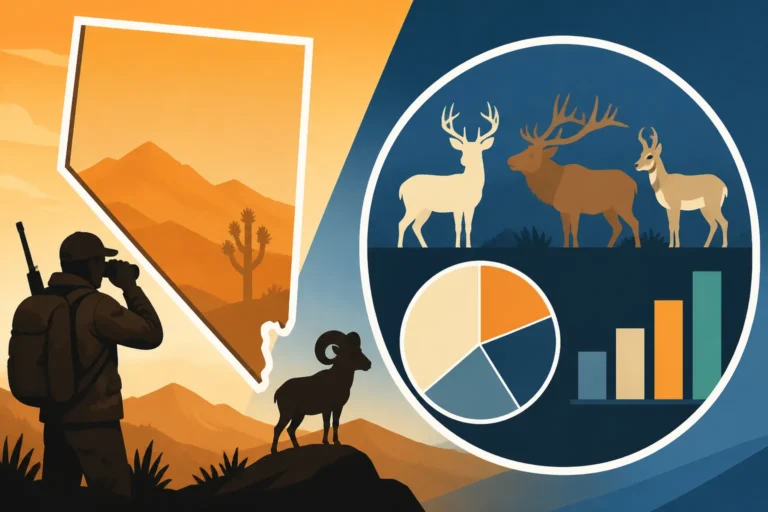
Nevada is truly a special place for bighorn sheep, offering a unique opportunity that few other states can match. The state is home to not one, but three distinct subspecies of bighorn, each with its own preferred habitat and geographical stronghold. For hunters, this means understanding which specific type of bighorn you're pursuing is the first crucial step, as their distributions rarely overlap significantly.
The Three Nevada Bighorn Subspecies
Let's break down the triumvirate of Nevada's bighorns. First, and perhaps most widely known due to its desert adaptations, is the Desert Bighorn Sheep. These are the iconic rams often seen in the rugged, arid mountain ranges of southern Nevada, thriving in scorching temperatures and incredibly sparse water conditions. Their coats tend to be lighter, blending seamlessly with the dusty canyons and sun-baked cliffs. Then, moving north and west, you'll find the California Bighorn Sheep. These animals typically inhabit the more temperate, higher-elevation mountain ranges with a bit more vegetation, often in the western and northern parts of the state, frequently bordering California and Oregon. Their coats can be a bit darker than their desert cousins.
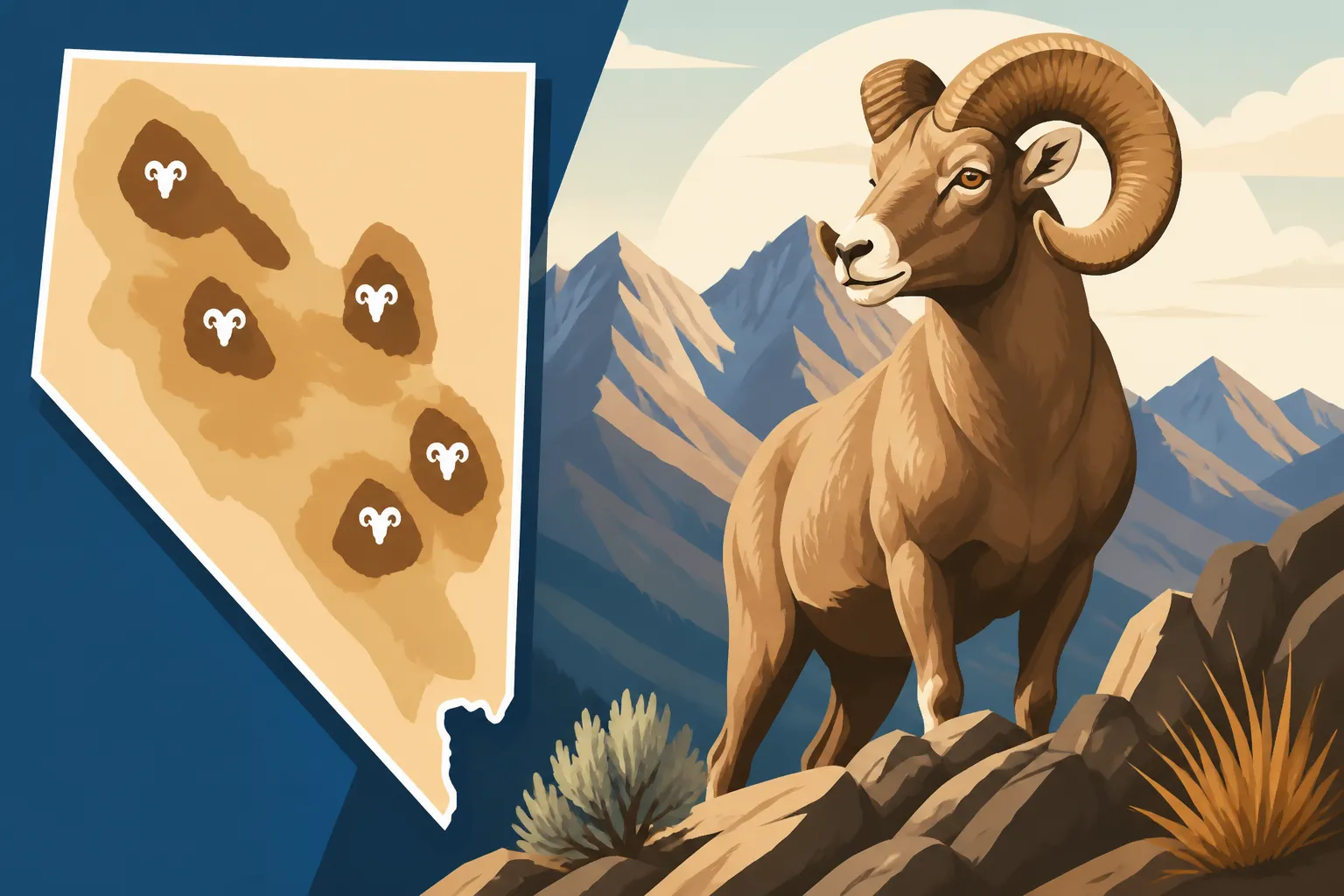
Finally, and the focus of our discussion today, are the Rocky Mountain Bighorn Sheep. These are the largest of the three subspecies, recognized by their generally darker, often brown-gray coats and massive, tightly coiled horns. Unlike the desert and California bighorns, Nevada's Rocky Mountain bighorn populations are concentrated in a very specific, eastern part of the state. They thrive in rugged, high-alpine environments, often in areas that feel more akin to the Rockies themselves than the popular image of the Nevada desert. Knowing these distinctions is vital, as the strategies for finding and hunting each subspecies differ dramatically due to their specialized habitats.
General Range and Habitat Preferences
Rocky Mountain bighorn sheep are creatures of the high country, even in a state as arid as Nevada. Their preferred habitat is a dramatic departure from the lower-elevation, scrubby desert often associated with the Silver State. Picture steep, rocky slopes, often above timberline or in areas of scattered limber pine and juniper, where they can find both nutritious forage and critical escape terrain. These rams and ewes depend on the broken, cliffy landscapes for security from predators like mountain lions and coyotes, using their incredible agility to navigate seemingly impossible ledges and vertical ascents.
They generally seek out areas with a good mix of open meadows for grazing, adjacent to that sheer, unassailable rock for safety. This combination of food and sanctuary is non-negotiable for their survival. While all bighorns need water, the Rocky Mountain subspecies, due to their higher elevation habitat, often rely on snowmelt, perennial springs, and small alpine seeps that persist even through drier periods, rather than the more developed guzzlers common in desert bighorn country. These critical water sources are often nestled in draws or at the base of steep cliffs, making them important features to identify when scouting for these magnificent animals.
Key Mountain Ranges for Rocky Mountain Bighorn in Nevada
When you're looking for Rocky Mountain bighorn in Nevada, your focus narrows significantly to the eastern flank of the state, particularly the ranges that share characteristics with their more famous counterparts in Colorado, Wyoming, or Montana. These are not the rolling sagebrush hills, but rather formidable mountain systems that command respect and significant effort to explore.
The Snake Range and Eastern Nevada
If there's one area that comes to mind for Rocky Mountain bighorn in Nevada, it's undoubtedly the iconic Snake Range. This impressive mountain chain stretches along the eastern border with Utah, culminating in the majestic peaks of Great Basin National Park. Here, elevations soar, supporting diverse ecosystems that include sprawling limber pine forests, alpine tundra, and sheer granite cliffs – textbook Rocky Mountain bighorn habitat. These sheep thrive in the higher reaches, often above 10,000 feet, where the terrain is rugged, the air is thin, and winter snows can be deep.
The populations in the Snake Range are often contiguous with herds across the border in Utah, allowing for genetic exchange and healthier populations. Scouting this area means looking for those massive, south-facing slopes that shed snow early, offering fresh forage, and always staying within sight of the steep, broken escape cover. Access into the Snake Range can be challenging, with limited roads leading into the higher elevations, often requiring extensive hiking or packing to reach prime sheep country. This is where you might find yourself glassing for hours, looking for that telltale white rump patch against the gray rock.
Schell Creek Range
Just to the west of the Snake Range, running parallel through eastern Nevada, lies the equally rugged and significant Schell Creek Range. This range, like the Snake, provides ample high-elevation habitat that is ideal for Rocky Mountain bighorn sheep. The Schell Creeks boast elevations that reach well over 11,000 feet, featuring similar ecological zones with conifer forests giving way to vast alpine expanses. The terrain is characterized by steep canyons, rocky ridges, and open bowls, all of which contribute to excellent bighorn habitat.
The sheep in the Schell Creek Range are known for their resilience, navigating this tough landscape with ease. When considering this range, hunters should again prioritize identifying areas with a mix of feed and formidable escape cover. Water sources, primarily springs and snowmelt, are also key indicators of where these sheep might concentrate, particularly in the drier late summer and early fall months. Getting into the Schell Creek Range often involves navigating rough, unpaved roads and then committing to significant vertical climbs on foot, making for a physically demanding but incredibly rewarding hunt.
Other Eastern Nevada Ranges
While the Snake Range and Schell Creek Range are the primary strongholds, it's worth noting that Rocky Mountain bighorn sheep populations can sometimes expand into, or historically existed in, other adjacent eastern Nevada ranges. These might include parts of the Egan Range, the White Pine Range, or other smaller, isolated mountain groups that share similar high-elevation, rugged characteristics and proximity to established populations. These areas often represent smaller, more scattered herds, or might be transitional zones for sheep moving between larger mountain complexes.
These secondary ranges might not hold the same density of sheep, but they offer potential for adventurous hunters willing to explore less-pressured areas. Understanding the historical distribution and current population trends, often found through resources like GoHunt, can provide insights into these lesser-known pockets. It’s a testament to the bighorn's ability to adapt, even if their preference remains firmly rooted in the highest, most inaccessible terrain Nevada has to offer. Always remember to check the specific unit boundaries and regulations, as even within eastern Nevada, the subspecies designation can shift depending on the precise mountain range you're targeting.
Factors Influencing Rocky Mountain Bighorn Distribution
The presence and thriving of Rocky Mountain bighorn sheep in specific ranges aren't just a matter of elevation and rock. A complex interplay of ecological factors, from the quality of their meals to the challenges of disease, dictates exactly where these magnificent animals can survive and flourish. Understanding these elements is key to appreciating their limited distribution.
Habitat Quality and Connectivity
For Rocky Mountain bighorn, habitat quality is paramount. This means more than just steep cliffs; it involves a diverse array of nutritious forages, including various grasses, forbs, and browse species found in alpine meadows and open timbered slopes. They need areas that provide consistent food throughout the year, even when snow blankets the high country. Beyond food, the connectivity of suitable habitat is crucial. Bighorn sheep don't typically travel vast distances across unsuitable low-elevation terrain, making it difficult for isolated herds to expand or for new areas to be colonized naturally.
Habitat fragmentation, whether due to human development, roads, or even expanses of unsuitable vegetation, can create barriers that isolate herds. This isolation can lead to inbreeding and reduced genetic diversity, making populations more vulnerable to disease and environmental changes. Wildlife agencies often work on projects to improve habitat, sometimes by prescribed burns to encourage new growth or by protecting critical corridors that allow for natural movement between suitable mountain blocks. GoHunt's mapping tools can often provide insights into these habitat types, helping hunters identify areas that possess the necessary elements for bighorn.
Water Sources in High Elevations
While desert bighorns are famously adapted to extreme aridity, Rocky Mountain bighorns, despite living in generally wetter, higher elevations, are still fundamentally dependent on reliable water sources. In their high-mountain domains, this usually means perennial springs, seeps, and consistent snowmelt that feeds small streams and pockets of standing water. These sources are often located in steep, shaded canyons or at the base of prominent rock formations, protected from the full force of the sun.
During prolonged dry spells or late in the season after snowmelt has receded, these critical water points can become magnets for sheep. A ram might travel several miles from his bedding grounds to reach a trusted spring, making these locations vital for scouting. Wildlife managers also develop artificial water sources, known as guzzlers or wildlife water developments, even in higher elevations, to supplement natural water, especially in areas where natural sources are scarce or unreliable. Understanding how guzzlers support desert wildlife can also apply to these high-country systems, offering year-round hydration in areas that might otherwise become too dry for sheep. Mapping these features can be an invaluable part of your e-scouting strategy.
Disease and Population Management
Perhaps one of the most significant and heartbreaking factors influencing where Rocky Mountain bighorn sheep live, and indeed their very survival, is disease. Bighorn sheep are highly susceptible to respiratory diseases, primarily pneumonia caused by various strains of bacteria, which can be absolutely devastating to a herd. A single outbreak can lead to an "all-age die-off," wiping out a large percentage of a population, including lambs, ewes, and mature rams. This is a constant concern for wildlife biologists and can drastically alter the distribution and numbers of sheep in a given range.
These disease outbreaks are often linked to contact with domestic sheep or goats, which can carry the pathogens without showing symptoms themselves, but then transmit them to bighorns with tragic results. Consequently, management efforts often involve strict separation of wild and domestic sheep, including grazing restrictions and fencing. Understanding how bighorn disease die-offs explained impacts specific herds can help explain why some ranges might not hold as many sheep as their habitat might suggest, or why populations fluctuate dramatically. This ongoing battle against disease is a critical component of bighorn conservation and dictates much of the long-term planning for these magnificent animals.
Scouting and Research for Rocky Mountain Bighorn
Drawing a Rocky Mountain bighorn tag in Nevada is often a once-in-a-lifetime opportunity, which means thorough scouting and research are absolutely non-negotiable. You can't just show up and expect to find these animals; you need to arrive with a comprehensive understanding of the unit, the terrain, and the sheep themselves.
Utilizing Modern Mapping Tools and Resources
In today's hunting world, digital mapping tools are your best friend, especially when it comes to navigating vast and complex landscapes like Nevada's bighorn country. Platforms such as onX Hunt or GoHunt offer invaluable layers that display public and private land boundaries, topographical features, satellite imagery, and even historical burn areas. For Rocky Mountain bighorn, you'll want to obsess over the topography: identify steep, north-facing slopes for wintering, and south-facing slopes for early spring green-up. Look for those dark timber pockets adjacent to sheer cliffs, which are classic escape terrain.
E-scouting a Nevada unit before the season involves meticulously scanning ridgelines, identifying potential bedding areas, and tracing out routes that offer both access and cover for a stalk. Pay close attention to subtle changes in elevation that might hide a basin or a saddle, and always mark potential water sources like springs or seeps. These tools allow you to explore vast areas from the comfort of your home, saving precious time and effort in the field. Don't underestimate the power of zooming in to identify individual rock formations or small pockets of timber that might hold sheep.
Consulting Nevada Draw Statistics and Reports
Beyond the maps, data is your other critical scouting partner. The Nevada Department of Wildlife (NDOW) publishes draw statistics and harvest reports that are goldmines of information. These reports will show you the success rates for specific units that offer Rocky Mountain bighorn tags, the number of tags issued, and even historical harvest numbers. While past success doesn't guarantee future results, it gives you a strong indication of which units consistently produce sheep and which might be more challenging.
Many hunters use platforms like GoHunt to analyze these statistics, often presenting the complex data in user-friendly formats. You can look at Nevada Bighorn Sheep Draw Odds to understand how many applicants it takes to draw a tag in a particular unit and gauge the overall competition. This information is crucial not just for hunt planning, but for your application strategy. Knowing which units have higher success rates, or perhaps a lower number of applicants but still viable populations, can inform your choices when you submit your highly anticipated tag application.
Understanding Unit Boundaries and Regulations
Finally, a deep understanding of your chosen hunt unit's specific boundaries and all applicable regulations is paramount. Nevada's hunt units can be vast and complex, often incorporating diverse terrain and land ownership. Before you even apply, you need to be crystal clear on the exact geographical limits of any unit where Rocky Mountain bighorn are designated. This means studying maps, downloading boundary layers, and perhaps even driving the perimeter if feasible, to ensure you don't inadvertently stray into a different unit or, worse, private land without permission.
Furthermore, bighorn sheep hunts often come with very specific regulations beyond the general big game rules. These can include ram curl requirements, mandatory check-in or check-out procedures, or specific rules regarding carcass transport or evidence of sex. When reading a Nevada hunt unit before you apply, pay meticulous attention to these details. Missing a crucial regulation could result in serious consequences, so leave no stone unturned. Knowing these rules ensures a legal and ethical hunt, allowing you to fully appreciate the incredible privilege of pursuing a Rocky Mountain bighorn in Nevada.
| Bighorn Subspecies | Primary Nevada Range | Preferred Habitat | Key Characteristics |
|---|---|---|---|
| Rocky Mountain Bighorn | Eastern Nevada | High-elevation, rugged alpine peaks and slopes | Largest subspecies, dark brown-gray coat, massive horns |
| Desert Bighorn | Southern Nevada | Arid mountains, lower elevation canyons, sparse | Lighter, tan coat, adapted to extreme heat and drought |
| California Bighorn | Western/Northern Nevada | Mid-to-high elevation, more temperate mountains | Medium size, grayish-brown coat, often in juniper zones |
Disclaimer
This article is for general informational purposes only and does not constitute professional advice. Laws, prices and regulations vary by location and change over time. Consult a qualified professional for guidance on your specific situation.