Sheldon National Wildlife Refuge Access
Hunting on vast public lands can be an incredible experience, but when those lands are managed as a national wildlife refuge, the rules and regulations can feel like a labyrinth. Many hunters get frustrated trying to figure out where they can even drive, let alone hunt, within these special areas. This guide will walk you through everything you need to know about accessing the Sheldon National Wildlife Refuge for hunting, helping you plan your trip with confidence and respect for this unique landscape.
Understanding Sheldon National Wildlife Refuge
The Sheldon National Wildlife Refuge, nestled in the remote high desert country of northern Nevada and a sliver of southern Oregon, is a truly special place. It’s not just another patch of public land; it’s a dedicated ecosystem managed specifically for its unique wildlife, primarily the pronghorn. Understanding its purpose and environment is the first step to understanding how to navigate it for hunting.
A Unique High Desert Ecosystem
Imagine a landscape of vast sagebrush flats, ancient basalt flows, and scattered juniper, all punctuated by volcanic rims and remote water sources. That’s the Sheldon. Established in 1931, this enormous refuge covers over half a million acres, a rugged expanse where temperatures can swing wildly and services are practically nonexistent. It's a place where you truly feel alone with the land, and that isolation is part of its allure and its challenge. The terrain is often unforgiving, demanding reliable vehicles and a good understanding of navigation. This isn't your typical accessible hunting ground, and preparing for its remoteness is as crucial as preparing for the hunt itself.
The elevation within the refuge varies, influencing vegetation and the movement of game. You'll find everything from open valley floors ideal for spotting pronghorn on Nevada's open flats to more broken, hilly country where mule deer might seek cover. The sheer scale means that even with modern tools, covering ground and understanding game patterns requires significant effort and planning.
Primary Management Goals
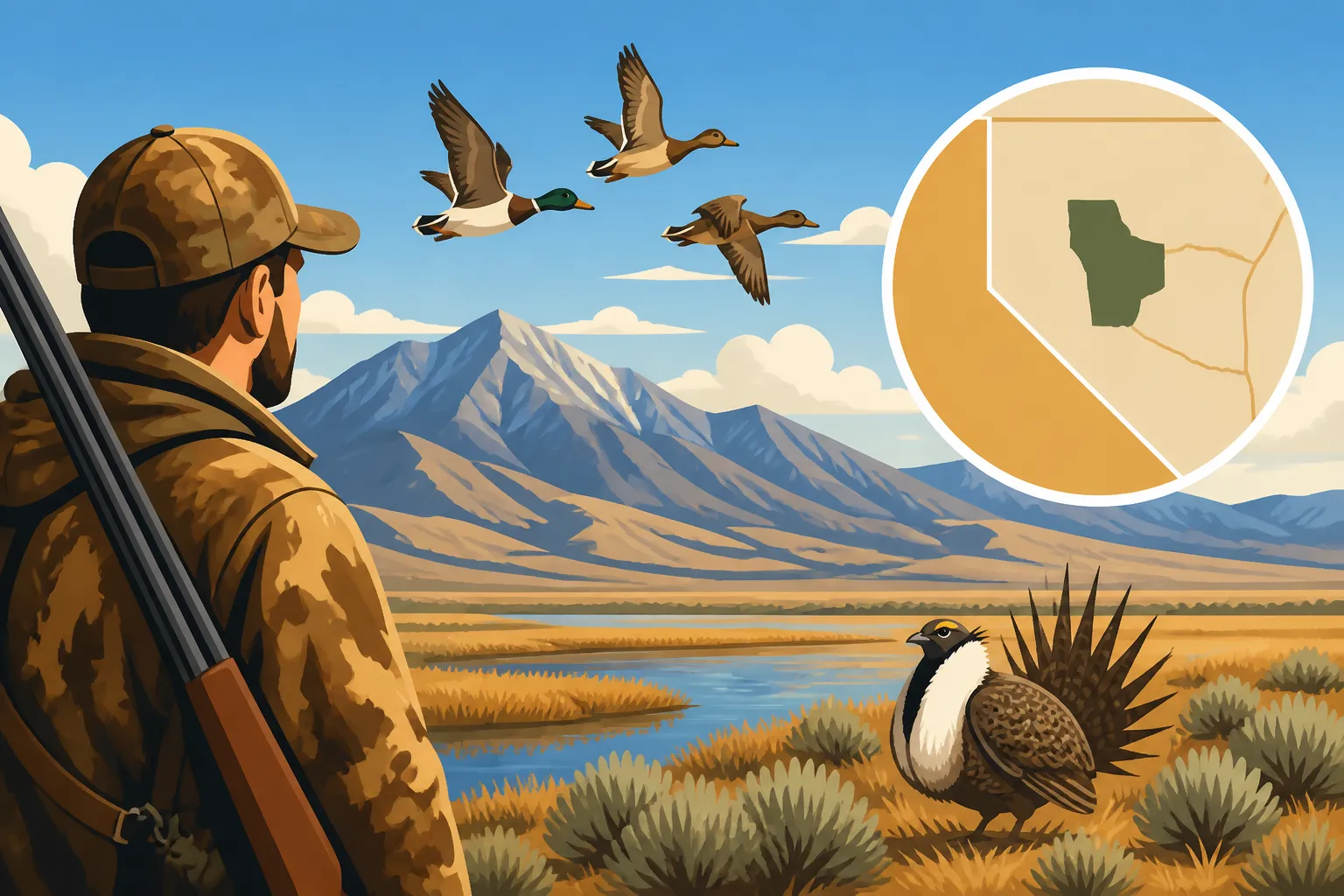
The Sheldon National Wildlife Refuge was initially created to protect the greater sage-grouse and pronghorn antelope, specifically the unique sub-species found in this region. Over the decades, its mission has expanded to include supporting other native wildlife like mule deer, bighorn sheep, and a myriad of bird species. For hunters, this focus on conservation directly translates into how and where hunting is permitted. The refuge biologists work tirelessly to maintain healthy populations, and the hunting seasons are carefully structured to align with these management objectives.
This means that hunting access isn't just about harvesting an animal; it's about being part of a larger conservation effort. Hunters who appreciate this often find a deeper connection to the land and the experience. Regulations are designed to minimize disturbance to sensitive wildlife and habitats, ensuring that the refuge continues to thrive for generations to come.
General Access Rules and Regulations
Navigating the Sheldon National Wildlife Refuge requires more than just knowing where your hunt unit is. It demands an understanding of the specific rules governing vehicle access, roads, and permitted areas. These rules are put in place to protect the fragile desert ecosystem and ensure a quality experience for all visitors, including hunters.
Entry Points and Road Networks
Accessing the Sheldon National Wildlife Refuge often begins from surrounding county roads or state highways, particularly Nevada Highway 140 which cuts through the refuge. Once inside, you'll encounter a network of primary gravel roads and secondary dirt tracks. It’s crucial to understand that these aren't always well-maintained, and conditions can change rapidly depending on weather. Rain can turn dirt roads into impassable mud pits, while dry spells can leave them deeply rutted and bone-jarring.
Always be prepared for remote road conditions. A high-clearance 4×4 vehicle is strongly recommended, along with a full-size spare tire and the knowledge to change it. Many hunters carry extra fuel and water, as services are far and few between once you enter the refuge. You can often scout these roads beforehand using satellite imagery on platforms like onX Hunt, which also provides valuable information on land ownership and specific refuge boundaries.
Permitted vs. Restricted Areas
It’s vital to recognize that not every acre of the Sheldon is open to every activity, and hunting is no exception. Certain areas might be designated as wilderness, wilderness study areas, or sensitive habitat zones where vehicle travel is highly restricted or entirely prohibited. Other areas may have seasonal closures to protect wintering wildlife or nesting birds. These restrictions are clearly marked on official refuge maps, which are your best friend when planning a hunt here.
When using mapping apps like onX Hunt, make sure your layers are updated and accurately reflect refuge-specific closures. It can be incredibly frustrating to drive for hours only to find your intended hunting spot is off-limits. Always double-check with the refuge office for the latest maps and any temporary closures that might not be immediately apparent. Understanding these boundaries is critical not only for legality but also for successful and ethical hunting.
Vehicle Restrictions and Travel Management
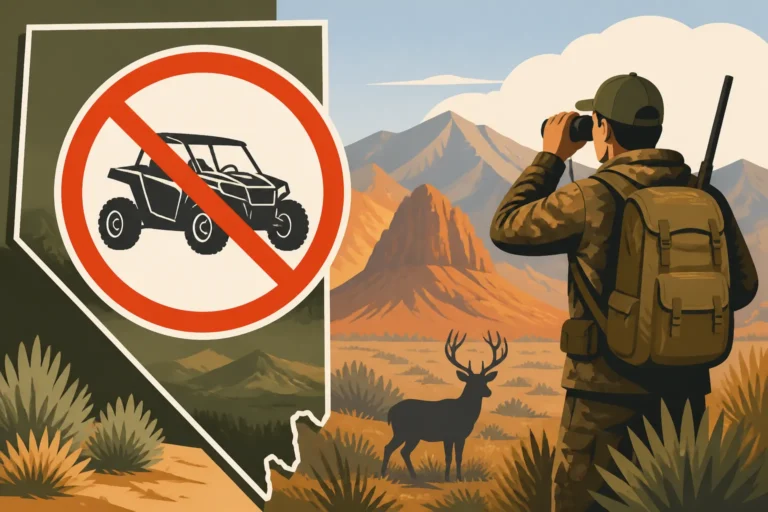
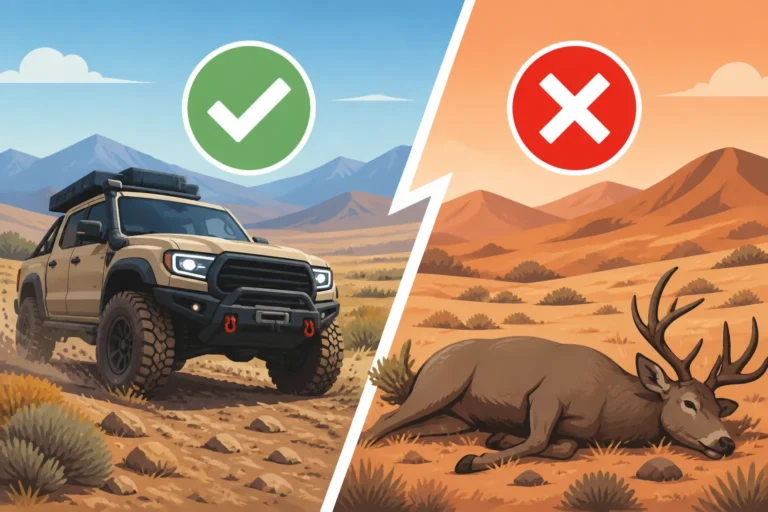
The Sheldon National Wildlife Refuge has strict rules regarding motorized vehicle use. Generally, vehicles are restricted to designated roads. This means no off-roading, no creating new tracks, and no driving cross-country to retrieve downed game unless explicitly permitted by refuge staff. The emphasis is on minimizing disturbance to the landscape and its wildlife. These rules are in place because even a seemingly small deviation can cause lasting damage to the delicate desert soil and vegetation.
All-terrain vehicles (ATVs) and UTVs might have specific regulations, often limited to designated routes and not allowed on all roads. It’s crucial to verify these rules before you arrive. Violating vehicle restrictions can lead to hefty fines and damage to the refuge's fragile ecosystem. Always assume motorized travel is limited to established roads and trails, and plan your hunt with packing out game in mind. Consider Packing an Animal Out of Roadless Country well in advance.
Hunting-Specific Access Considerations
Hunting on the Sheldon National Wildlife Refuge comes with its own set of rules and requirements that go beyond just having a state hunting tag. These specific regulations are designed to manage hunting pressure and align with the refuge's conservation mission. Failing to understand these can lead to a ruined hunt or legal trouble.
Special Refuge Hunting Permits
Beyond your standard Nevada hunting license and species tag, you might need a special refuge hunting permit for certain species or hunt areas within the Sheldon. These permits are typically issued directly by the refuge and are often required for specific drawings or hunts, particularly for sought-after species like pronghorn or mule deer. These refuge permits help the staff manage harvest quotas and hunter distribution, ensuring that pressure is spread out and wildlife populations remain healthy.
It's common for these refuge permits to have their own application periods and fees, separate from the state draw. You might apply for a state tag and, if successful, then need to apply for a Sheldon-specific permit to hunt within the refuge boundaries. Always consult the official Sheldon National Wildlife Refuge hunting regulations well in advance of the season. Information from resources like GoHunt can help you research draw odds for state tags that might grant access to the refuge, but the final word on refuge-specific permits will always come from the refuge itself.
Season Dates and Species Availability
The hunting seasons within the Sheldon National Wildlife Refuge generally align with Nevada's statewide seasons, but they can have specific nuances, special hunt codes, or shorter windows. Pronghorn antelope are a prime target here, offering unique opportunities for hunters. Mule deer also inhabit the refuge, often in the more mountainous or rimrock areas. You might also find opportunities for upland birds like Chukar Is Nevada's Signature Upland Bird and sage grouse, each with their own specific regulations.
It's imperative to check the refuge-specific regulations document in addition to the statewide big game seasons. The refuge might have different legal shooting hours or blaze orange requirements than the state, though usually, they follow state guidelines. Using resources like GoHunt can give you insights into the drawing statistics for tags that are valid within the refuge's boundaries, helping you strategize your applications for Nevada Applications Run March 23 to May 13.
Camping and Overnight Stays
Dispersed camping is often permitted on most BLM ground across Nevada, but within the Sheldon National Wildlife Refuge, camping regulations can be more restrictive. While some areas may allow primitive camping, there are often limitations on length of stay, distance from water sources, or designated camping areas. The goal is to minimize human impact on the environment. Hunters might find designated campgrounds or specific rules about where they can pitch a tent or park an RV.
Always check the refuge's specific camping policies before you go. Open fires might be prohibited during certain times of the year due to extreme fire danger, which is a common concern in the high desert. Preparing for these conditions, including bringing a stove for cooking, is essential. Understanding Fire Restrictions During Hunting Season can prevent an accidental wildfire and ensure your trip is smooth and enjoyable. If planning to stay for an extended period, confirm the maximum duration for camping in a single spot.
Tools and Resources for Planning Your Access
Effective planning is paramount for a successful hunt in a remote and regulated area like the Sheldon National Wildlife Refuge. Relying solely on past experiences or word-of-mouth can lead to unwelcome surprises. Modern tools and diligent research will be your best allies.
Official Refuge Information
The single most important resource for planning your Sheldon hunt is the official U.S. Fish and Wildlife Service website for the Sheldon National Wildlife Refuge. This site will host the most current maps, hunting regulations, special permit applications, and any seasonal closures or alerts. Do not rely on outdated information from third-party sites. Make it a point to download and thoroughly read their annual hunting brochure and general visitor information.
Beyond the website, consider calling the refuge headquarters directly. Speaking with a ranger or biologist can provide invaluable insights into current conditions, recent game movements, and clarify any confusing regulations. They are the experts on the ground and can often offer advice that isn't readily available in print. This proactive step can save you time, frustration, and potential legal issues in the field.
Mapping Software and GPS
For navigating the vast and often unmarked terrain of the Sheldon, high-quality mapping software and a reliable GPS device are indispensable. Tools like onX Hunt are particularly useful because they clearly delineate public and private land boundaries, refuge boundaries, designated roads, and wilderness areas. This allows you to visualize your hunt unit, plan access routes, and identify potential areas of interest well before you ever set foot on the refuge.
Load your maps onto your phone or a dedicated GPS unit, and make sure they are downloaded for offline use, as cell service is virtually nonexistent in much of the refuge. Identify key features like water sources (some of which are Water Development Projects Built for Wildlife), elevation changes, and potential bedding areas. Even with a GPS, a physical map is a crucial backup, especially in such remote country. This digital preparation, combined with a physical map, gives you a comprehensive understanding of the landscape.
Physical Maps and Local Intelligence
While digital maps are powerful, don't underestimate the value of a good, old-fashioned physical map. BLM (Bureau of Land Management) surface management maps or Forest Service maps (though less common directly on the Sheldon) can provide a larger overview and may reveal details not always visible on digital platforms. Mark potential access roads, water sources, and any restricted areas directly on your map. This tactile experience often helps cement the geography in your mind.
Additionally, don't be shy about seeking local intelligence. Talk to hunters who have been there before, local residents, or even folks at the nearest general store (which might still be an hour away!). While information should always be cross-referenced with official sources, local knowledge can offer tips on where to find game, current road conditions, or areas to avoid. This blend of official information, advanced technology, and community insight forms the strongest foundation for a well-prepared hunt in the Sheldon National Wildlife Refuge.
| Aspect | General Rule/Consideration | Importance for Hunters |
|---|---|---|
| Refuge Permitting | May require special refuge permits in addition to state tags. | Absolutely critical for legal hunting; check early. |
| Vehicle Access | Restricted to designated roads; no off-roading. | Plan routes carefully; high-clearance 4×4 often necessary. |
| Road Conditions | Unmaintained, variable with weather (mud, ruts, dust). | Prepare vehicle for rugged conditions; carry spares. |
| Camping | Specific rules may apply; designated areas or limited duration. | Confirm before arrival; consider fire restrictions. |
| Restricted Areas | Some areas are closed to hunting/vehicles for conservation. | Must consult official maps (digital and physical). |
| Cell Service | Extremely limited to non-existent. | Carry satellite communicator; download offline maps. |
| Water Sources | Crucial for wildlife, may have specific access rules around them. | Identify on maps; plan water carry for yourself. |
Disclaimer
This article is for general informational purposes only and does not constitute professional advice. Laws, prices and regulations vary by location and change over time. Consult a qualified professional for guidance on your specific situation.