Hunting the Black Rock Desert Country
The Black Rock Desert Country is a landscape that can humble even the most experienced hunter. Its vast, seemingly endless expanses of alkali flats and remote mountain ranges present unique challenges, from brutal heat and lack of water to impassable roads after a rain. This guide aims to prepare you for the realities of hunting this iconic Nevada wilderness, offering practical advice to help you navigate its harsh beauty and increase your chances of a successful, and safe, experience.
Understanding the Black Rock Desert Landscape
When you picture hunting in Nevada, you might think of towering peaks and dense pine forests. The Black Rock Desert Country is a stark contrast, a prime example of the Great Basin's high desert environment, but with its own extreme characteristics. This isn't just "dry"; it's a place defined by its vast, ancient lakebed—the playa—which can transform from a hard-baked, dusty expanse to an impassable, sticky quagmire in minutes with even a light rain. Surrounding these immense flats are low, rugged mountain ranges, often volcanic in origin, providing the only real cover and elevation.
The sheer scale of the Black Rock is hard to grasp until you're standing in it. Distances are deceiving, and what looks like a small hill in the distance can be a multi-hour drive or hike. Vegetation is sparse, mostly sagebrush and various desert grasses in the upland areas, with almost nothing on the playa itself. This means very little cover for stalking and even less natural water. Temperatures can swing wildly, from scorching hot days, especially during early seasons like Nevada's August Archery Deer Window, to freezing nights, even in what might seem like mild shoulder seasons. Planning for these extremes isn't just smart; it's absolutely critical for survival.
Access into much of this country is primarily via rough, unimproved dirt roads that spiderweb off the few paved highways. These roads are often graded irregularly and can be deeply rutted, rocky, or sandy. While a 4×4 vehicle is usually recommended for any serious Nevada backcountry hunting, it's an absolute non-negotiable requirement for the Black Rock. Even then, you need to be constantly aware of conditions. A dry wash can become a torrent, and a seemingly solid road can hide deep, tire-swallowing dust or mud pits. Cell service is virtually non-existent once you leave the main arteries, making self-reliance and proper communication tools paramount.
Game Species and Hunting Opportunities in the Black Rock
Despite its harsh appearance, the Black Rock Desert Country does hold huntable populations of several species. However, it's crucial to set realistic expectations: this is not a numbers game. Animal densities are generally lower here than in more verdant parts of the state, and every animal harvested is a testament to persistent scouting and tenacious hunting.
Mule deer are present, though often sparsely distributed. They tend to stick to the more rugged, brushy slopes of the surrounding mountain ranges, seeking out what little forage and cover exists. Finding a mature buck here often means covering immense amounts of country with optics, focusing on ridges and canyons that break up the otherwise monotonous landscape. Don't expect to see deer around every corner; they are truly masters of camouflage in this environment. Hunts here are a test of patience and thorough Glassing Grids Across a Nevada Basin.
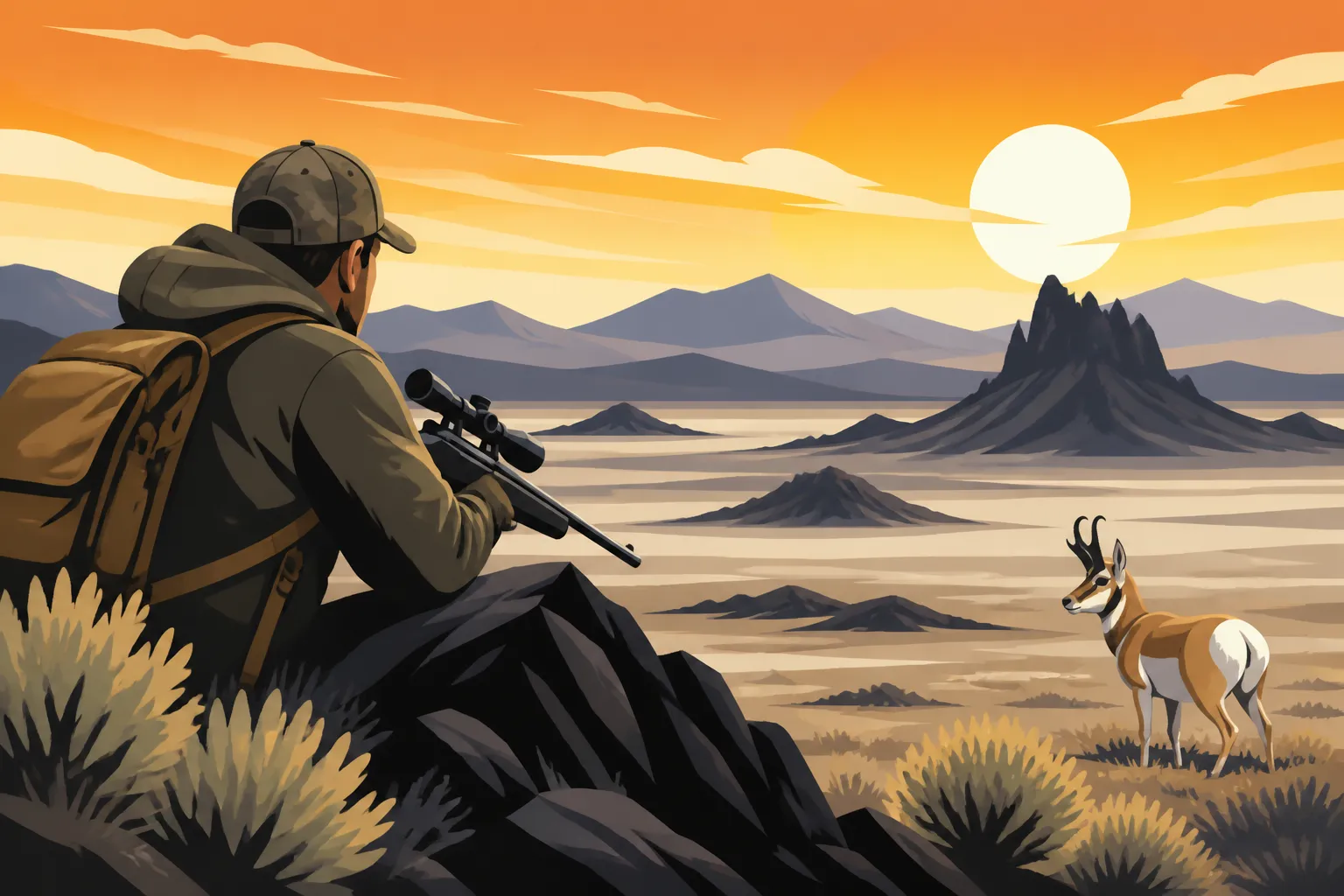
Pronghorn, on the other hand, are perhaps the quintessential Black Rock big game species. Their speed and incredible eyesight are perfectly suited to the vast, open valleys and playa fringes. Spotting a pronghorn on the open flats is one thing, but closing the distance in such exposed terrain is a monumental challenge. They often utilize subtle dips and rises in the landscape, seemingly invisible to the naked eye, to disappear. Hunters often find success by focusing on water sources and using terrain to break up their silhouette for a careful Closing the Last Hundred Yards on a Pronghorn.
Aside from big game, the Black Rock's surrounding hills can offer some excellent upland bird hunting, particularly for chukar. These notoriously challenging birds thrive on the steep, rocky slopes, often found near permanent water sources. Their "up and down" habitat means a chukar hunt is an intense physical workout, but the rewards of a successful covey rise are unmatched. For smaller game, cottontail rabbits and jackrabbits are abundant in the sagebrush flats and rocky washes, offering year-round hunting opportunities.
| Species | Typical Habitat in Black Rock | Hunt Difficulty | Notes |
|---|---|---|---|
| Mule Deer | Mountain ranges, rugged canyons | High | Low density, require extensive glassing and long stalks. |
| Pronghorn | Open valleys, playa fringes | Medium-High | Excellent eyesight, speed; utilize subtle terrain for cover. |
| Chukar | Steep, rocky slopes, near water | Very High | Physically demanding, requires strong legs and persistence. |
| Cottontail/Jackrabbit | Sagebrush flats, rocky washes | Low-Medium | Widespread, good for off-season exploration and target practice. |
Essential Preparations for a Black Rock Hunt
Hunting in the Black Rock Desert Country isn't just about loading up your rifle and heading out. It requires a level of preparation more akin to an expedition than a typical hunting trip. Your safety, and potentially your life, depends on meticulous planning and equipping yourself for every conceivable scenario in this remote and unforgiving landscape.
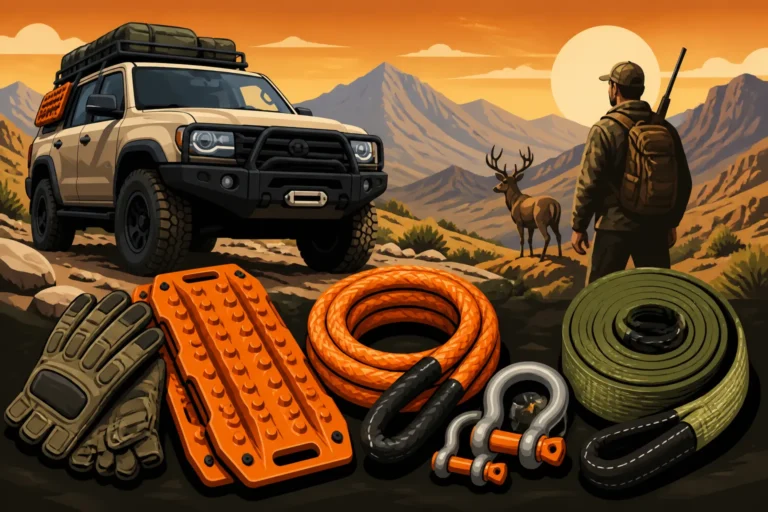
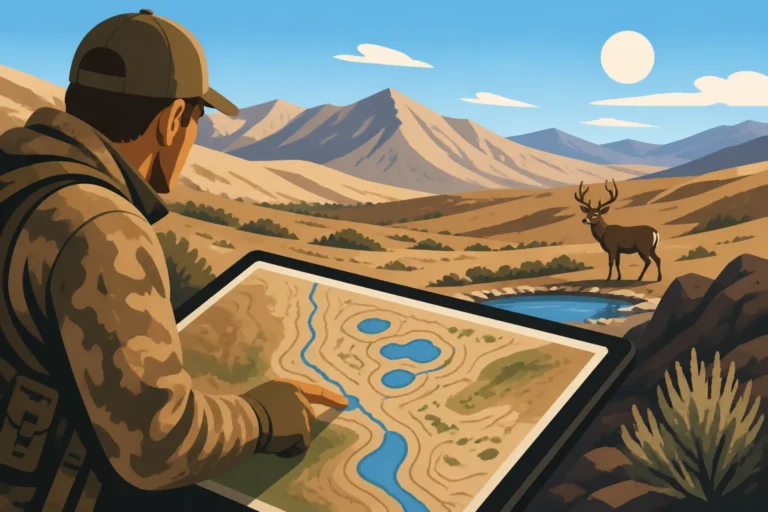
First and foremost is your vehicle. As mentioned, a reliable 4×4 with good ground clearance is non-negotiable. Beyond that, consider the condition of your tires—tough, all-terrain tires are a must, and carrying at least one, if not two, full-size spares is highly advisable. Tools for changing a tire, a plug kit, and a small air compressor can literally save your hunt. Fuel is another huge consideration; services are few and far between. Always carry extra fuel in approved containers, and plan your routes carefully, knowing your vehicle's fuel consumption and the distance between gas stations. It’s not uncommon to drive 100 miles on dirt roads without seeing another soul. Many seasoned hunters use digital mapping tools like onX Hunt to precisely measure distances and plan their fuel stops long before they leave pavement.
Water, water, and more water. This cannot be stressed enough. The desert is dehydrating, even when temperatures are moderate. Assume you will need at least a gallon of water per person, per day, just for drinking, plus additional water for cooking and hygiene. Carry significantly more than you think you'll need. A cooler filled with ice can help keep drinking water palatable. Food should be non-perishable and high in energy. Beyond personal supplies, consider emergency gear: a well-stocked first-aid kit, emergency blankets, fire starters, a shovel, traction boards, and a powerful spotlight or headlamp are all critical. Since cell service is rare, a satellite communication device (like a satellite messenger or phone) is an absolute must for emergencies. Carrying Extra Fuel and Water isn't just a good idea, it's a rule.
Finally, don't overlook physical conditioning. While the playa itself is flat, much of the huntable terrain involves hiking up and down steep, rocky slopes in soft, unstable footing. Coupled with the heat and altitude (many ranges are 6,000-8,000 feet), this can be incredibly demanding. Prioritize cardiovascular fitness and leg strength. Practice shooting from various positions, especially with shooting sticks or bipods, as stable shooting rests are often hard to find in the open. Preparing Physically for Long Glassing Days will pay dividends when you finally spot that animal.
Tactics for Success in the Desert
Hunting the Black Rock Desert requires a complete shift in tactics from what you might employ in timbered or brushier country. The vastness works both for and against you, offering incredible long-range visibility but minimal cover for an approach.
Glassing is, without question, the most important skill you'll employ here. Forget still-hunting through the timber; in this country, your optics are your primary scouting tool. High-quality binoculars (10x or 12x) are essential for handheld use, but a good spotting scope (20-60x or higher) on a sturdy tripod is indispensable for thoroughly dissecting the distant hillsides and rimrock. Spend hours behind the glass, patiently picking apart every shadow, every rock outcropping. Learn to differentiate a deer or pronghorn from a rock, especially at extreme distances. Why Nevada Deer Hunting Is a Glassing Game is never more true than here. Setting up on a high point at first light and last light, scanning vast swathes of terrain, is your best bet for locating game.
Water sources, as scarce as they are, are natural magnets for game. Identifying guzzlers (man-made wildlife watering devices) and natural springs on your maps (like with onX Hunt) before your hunt can give you a significant advantage. While you cannot hunt directly over a guzzler or certain developed water sources, understanding their locations will help you pinpoint areas where animals will concentrate and travel to and from. Sitting within reasonable distance of a heavily used water source, especially during early, hot seasons, can be a productive strategy for deer and pronghorn. You'll need to research Hunting Water in Nevada's Driest Country thoroughly.
Once game is spotted, the stalk begins, and this is where the open terrain truly tests your abilities. Every dip, every wash, every cluster of sagebrush becomes a critical piece of cover. Use terrain to your advantage: stay low, utilize draws and the backsides of ridges to keep out of sight. Pay close attention to wind direction, as it can swirl unexpectedly in broken terrain. Don't be afraid to take a wide, circuitous route to get into position. In the Black Rock, patience and a willingness to hike extra miles to maintain cover are often rewarded. For those really digging into the data, services like GoHunt can offer detailed draw odds, harvest statistics, and even unit overviews that help inform your pre-hunt strategy, allowing you to focus your efforts on the most promising areas.
Protecting This Unique Landscape
Hunting in the Black Rock Desert Country comes with a profound responsibility to protect its delicate ecosystem. The impact of human activity can last for decades here, so practicing Leave No Trace principles is non-negotiable. This means packing out everything you pack in, including all trash and spent casings.
Vehicle use is also a critical consideration. While many roads are established, traveling off-road can cause irreparable damage to fragile desert soils and plant life. Stick to existing roads and trails. If a road looks questionable due to mud or washouts, err on the side of caution and find another route or walk. Remember, getting stuck far from any services can quickly turn into a life-threatening situation. Always be aware of Motorized Travel Rules on Nevada Public Land and respect any signs indicating closures or restrictions, particularly in Wilderness Study Areas.
Finally, managing your harvest and respecting the animals you pursue is paramount. Field dressing an animal in the Black Rock, especially during warmer seasons, requires careful planning for meat care. The desert heat can spoil meat quickly, so having a plan for rapid cooling and transport is essential. Carry game bags, plenty of water, and ice, and be prepared for a potentially arduous pack-out. This is a place that demands respect—respect for its vastness, its challenges, and the wildlife that calls it home. Approaching a hunt here with humility, thorough preparation, and a commitment to ethical conduct will ensure you have a truly unforgettable, and safe, experience.
Disclaimer
This article is for general informational purposes only and does not constitute professional advice. Laws, prices and regulations vary by location and change over time. Consult a qualified professional for guidance on your specific situation.