Fire Restrictions During Hunting Season
Imagine you've drawn that coveted Nevada tag – months of planning, scouting, and dreaming about a high desert mule deer or a Ruby Mountains bull elk. You finally hit the road, filled with anticipation, only to find out that the very unit you’re headed into is under extreme fire restrictions. Suddenly, your plans for a cozy campfire, a hot meal cooked over open flame, or even driving certain roads are completely off the table, throwing a serious wrench into your carefully laid out hunt. This guide will walk you through the often-frustrating reality of fire restrictions in Nevada, helping you understand why they happen, what they mean for your hunt, and how you can adapt to ensure a safe and successful experience, even when the landscape is dry as a bone.
The Harsh Reality of Fire Season in Nevada Hunting
Nevada, with its vast stretches of public land, stark beauty, and incredible hunting opportunities, is also inherently prone to wildfire. For hunters, this isn't just a distant threat; it's a very real factor that can drastically alter or even derail a planned trip. Understanding this reality is the first step in being prepared.
Why Fire Restrictions Are So Common in the Great Basin
The Great Basin, which covers most of Nevada, is a land of extremes. Long, hot, dry summers bake the landscape, turning much of the vegetation into tinder. We're talking about incredibly low humidity, high temperatures that can easily crest triple digits for weeks, and strong, unpredictable winds that can fan a spark into an inferno in minutes. This isn't just a bad year here or there; it's the baseline condition for much of the late summer and fall, which, unfortunately, often coincides directly with prime hunting seasons.
Adding to this natural propensity for fire is the prevalence of invasive species like cheatgrass. This highly flammable annual grass dries out quickly, creating a continuous fuel bed that allows fires to spread rapidly across huge swaths of sagebrush country. Where native grasses might have provided natural fire breaks, cheatgrass ensures that a single spark can quickly become a raging wall of flame. It's a frustrating cycle that makes every hunting season a high-alert period for land managers and hunters alike. You can really see Cheatgrass and What It Did to Nevada Range firsthand out there.
The Real-World Impact on Your Hunt Planning
For hunters, fire restrictions aren't just bureaucratic hurdles; they have tangible, immediate impacts on how you approach your hunt. Your dream of sitting around a crackling fire, sharing stories after a long day of glassing, might need to be put on hold. Cooking your hard-earned meals can become a challenge when open flames are prohibited, forcing you to rely on cold food or specialized equipment.
Beyond camp life, restrictions can affect your ability to travel and access hunting areas. Some restrictions might close roads, limit vehicle access to designated routes, or even restrict target shooting, which can be a critical last-minute check of your rifle's zero before the season opens. It’s not just about comfort; it's about safety for yourself, other hunters, and the precious wildlife habitat you're there to enjoy. This means your preparation needs to be robust, covering everything from Vehicle Prep for Remote Nevada Roads to Water You Must Carry on a Desert Day Hunt, as self-sufficiency becomes even more paramount.
Understanding Different Levels of Fire Restrictions
One of the biggest frustrations for hunters, and frankly for anyone recreating on public land, is figuring out who sets the fire rules and what those rules actually entail. It’s rarely a one-size-fits-all scenario, and the nuances can make a big difference for your hunt.
Local, State, and Federal Authority: Who Sets the Rules?
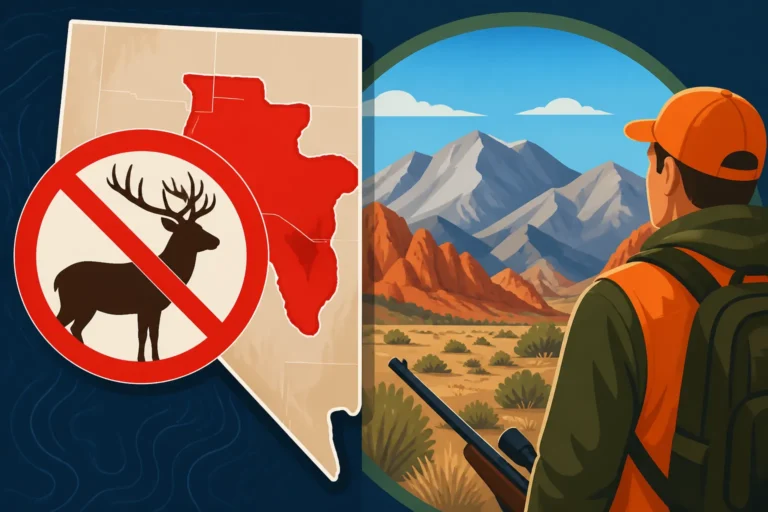
In Nevada, public lands are managed by a patchwork of agencies, each with its own jurisdiction and specific rules. The Bureau of Land Management (BLM) manages the lion's share of land across the state, particularly in the lower elevations and vast desert basins. The U.S. Forest Service oversees the national forests, typically in the higher, more mountainous regions. Then you have state parks, wildlife management areas run by the Nevada Department of Wildlife (NDOW), and sometimes even local county ordinances or tribal lands.
The critical takeaway here is that fire restrictions can vary wildly from one piece of ground to the next, even if they're literally across the fence from each other. A BLM district might be under one set of restrictions, while an adjacent National Forest could have a different, possibly stricter, set. This makes pre-hunt research absolutely essential. You can't just assume what applies in one area will apply to another, and ignorance of the rules is never an excuse. Understanding Reading a Nevada Hunt Unit Before You Apply extends to knowing which agency manages that land.
Common Restriction Tiers and What They Mean for Hunters
Fire restrictions are typically implemented in stages, increasing in severity as fire danger escalates. While the exact wording and specific prohibitions might differ slightly between agencies, the general tiers are pretty consistent.
Stage 1 Restrictions usually mean a heightened sense of awareness. You might still be able to have a campfire, but only in established rings at developed campgrounds, never in a dispersed camping scenario. Smoking might be restricted to enclosed vehicles or areas cleared of all flammable vegetation. Use of chainsaws might be limited to specific hours or require a fire extinguisher and shovel nearby. This is often the first step when things start to dry out, and while it's less disruptive, it's a clear warning.
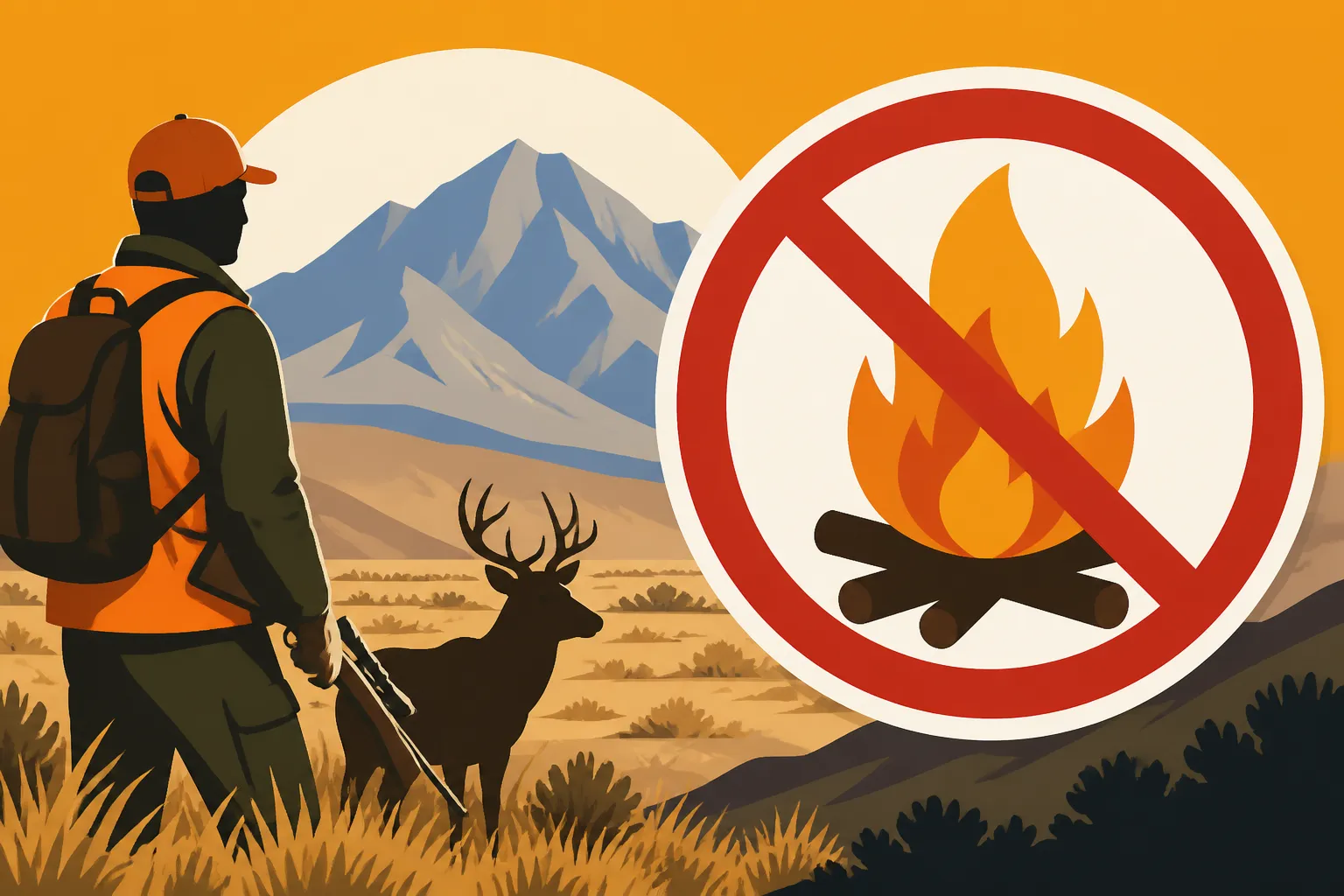
Stage 2 Restrictions are where things get serious and often directly impact a hunter's plans. This stage typically prohibits all open flames, including campfires, charcoal grills, and sometimes even propane stoves unless they have an on/off switch. Smoking might be completely banned outside of enclosed vehicles. Operating internal combustion engines, like chainsaws, generators, or even off-highway vehicles, often comes with strict requirements like spark arrestors, or may be prohibited altogether on unimproved roads. Target shooting is frequently banned, as a single bullet striking rock can easily create a spark. This is the stage that often prompts significant changes to your hunting camp and daily routine.
Here’s a general overview of what these tiers often look like, but always, always check the specific restrictions for your hunting area:
| Activity / Restriction Level | Normal Conditions | Stage 1 Restrictions | Stage 2 Restrictions |
|---|---|---|---|
| Campfires | Permitted | Only in developed sites, established rings | PROHIBITED (all open flames) |
| Charcoal Grills | Permitted | Only in developed sites, established rings | PROHIBITED |
| Propane Stoves | Permitted | Permitted (with care) | Permitted (with on/off switch, cleared area) |
| Smoking | Permitted (with care) | In cleared areas or enclosed vehicle | PROHIBITED (outside enclosed vehicle) |
| Chainsaws/Generators | Permitted | Requires spark arrestor, fire tools | Prohibited or highly restricted (hours, tools) |
| Target Shooting | Permitted | Permitted (with cleared backstop, extreme caution) | PROHIBITED |
| Vehicle Travel | On open roads | On open roads | May restrict to maintained roads only |
This table provides a good snapshot, but again, the specifics can vary based on the administering agency and local conditions. Always verify before you head out.
How to Stay Informed and Adapt Your Hunt
Knowledge is power, especially when facing fire restrictions. Being proactive about checking conditions and flexible in your hunting approach will save you a lot of headaches and keep you safe.
Essential Resources for Checking Current Restrictions
The internet is your best friend when it comes to current fire restrictions. Don't rely on what you heard from a buddy or what applied last year. Conditions change rapidly, sometimes daily, especially during active fire seasons.
- Nevada Department of Wildlife (NDOW): Their website is a great starting point, often providing links or general information related to hunting season impacts.
- Bureau of Land Management (BLM) and U.S. Forest Service: These are the primary land managers. Look for their local district office websites (e.g., "Humboldt-Toiyabe National Forest fire restrictions" or "Ely BLM fire restrictions"). These sites will have the most up-to-date and specific information for their lands.
- Local County Sheriff/Fire Departments: Sometimes, local agencies implement their own restrictions, especially in areas with a mix of public and private land. A quick search for the county you'll be hunting in can be helpful.
- Mapping Applications: Tools like onX Hunt are invaluable for identifying land ownership boundaries. With onX Hunt, you can overlay public land layers and quickly see which agency manages specific parcels. This helps you narrow down which agency's fire restrictions you need to pay attention to. For instance, if you've marked potential spots using GoHunt's research tools, double-checking that ground with onX Hunt for current restrictions is a smart follow-up.
Make it a habit to check these resources a week before your hunt, and then again right before you leave. Conditions can change that quickly.
Practical Adjustments for Hunting Under Fire Restrictions
So, you've checked the rules, and you're under Stage 2 restrictions. What now? This is where adaptability and preparedness shine.
First and foremost, your cooking setup. If open flames are out, embrace the propane stove. These are typically allowed even in Stage 2, provided they have an on/off switch and you use them on a cleared, non-flammable surface. Think about bringing a small tarp or mat to put under it, and always have water or a fire extinguisher nearby. Better yet, embrace cold meals! Sandwiches, wraps, summer sausage, cheese, and dried fruit are easy to prepare and require no heat. If you're out on an August Archery Deer Window hunt, cold meals can actually be quite refreshing in the heat anyway.
Vehicle readiness is another big one. Ensure your vehicle's exhaust system is in good repair and has a working spark arrestor. Carry a shovel and a fire extinguisher in your vehicle at all times. When you pull over, avoid parking on dry grass. Find bare dirt or gravel. If you're glassing from a ridge, pull off onto a safe spot, turn off your engine, and take extreme care with anything that could create a spark, like smoking materials. This attention to detail is part of Preparing Physically for Long Glassing Days as well, making sure your mind is sharp for all aspects of the hunt, including safety.
Camping might also need adjustments. Camping Legally on Nevada BLM Ground is already specific, and fire restrictions add another layer. If campfires are prohibited, bring extra layers for warmth in the evening, as you won't have the fire's heat. A good lantern or headlamp will replace the ambiance of a fire. Essentially, prepare for a "no trace" camp in every sense of the word, leaving nothing behind and creating no potential fire hazards.
Consequences of Non-Compliance and Ethical Considerations
Ignoring fire restrictions isn't just a minor infraction; it carries serious legal consequences and has profound ethical implications for all hunters and outdoor enthusiasts.
Penalties for Violating Fire Restrictions
Let's not mince words: violating fire restrictions is a big deal. The penalties can range from hefty fines, potentially thousands of dollars, to jail time. You could also face the revocation of your hunting privileges, not just in Nevada but potentially in other states as well. The legal system doesn't take kindly to actions that endanger public safety and natural resources, especially when the landscape is already on a knife's edge.
Beyond direct legal penalties, consider the potential civil liability. If a fire starts because of your negligence, even accidentally, you could be held financially responsible for the costs of suppressing that fire and for any damage it causes. Wildfires cost millions of dollars to fight, and they can destroy homes, infrastructure, and livelihoods. Imagine being responsible for that kind of devastation; it's a burden no one wants to carry. This isn't just about protecting yourself from a ticket; it's about protecting yourself from life-altering consequences.
Being a Responsible Hunter in High Fire Danger
Ethical hunting extends far beyond fair chase and proper shot placement. It encompasses being a steward of the land and a responsible member of the outdoor community. In Nevada's arid environment, this means taking fire danger incredibly seriously.
A single careless act—a cigarette butt tossed from a window, a vehicle parked over dry grass, an untended campfire where one was prohibited—can lead to a catastrophic wildfire. These fires don't just burn trees and sagebrush; they destroy critical wildlife habitat, displace entire herds, and can take decades, even centuries, to recover. Think about the impact of How Wildfire Changes Sagebrush Habitat on the very animals you're pursuing. It can wipe out winter ranges, disrupt migration patterns, and reduce forage for years to come, directly affecting future hunting opportunities for everyone.
As hunters, we have a unique responsibility because we are often deep in these remote areas when others are not. We rely on the health of the land for our sport, and it's our duty to protect it. By adhering strictly to fire restrictions, educating ourselves, and modeling responsible behavior, we not only protect the environment but also uphold the reputation of hunters as conservationists and responsible users of public lands. It ensures that these incredible places, and the hunting opportunities they provide, remain for generations to come.
Disclaimer
This article is for general informational purposes only and does not constitute professional advice. Laws, prices and regulations vary by location and change over time. Consult a qualified professional for guidance on your specific situation.