Stillwater Wildlife Management Area Access
For many hunters, the idea of public land conjures images of endless sagebrush basins or timbered mountains, but Nevada offers a unique challenge: vast, intricate wetlands. The Stillwater Wildlife Management Area (WMA) presents an incredible opportunity for waterfowl and other game, yet accessing and navigating its ever-changing landscape can feel utterly daunting. This guide will help you understand how to approach and successfully hunt this unique corner of Nevada, cutting through the confusion of permits, changing water levels, and difficult terrain.
Understanding the Stillwater Wildlife Management Area's Unique Landscape
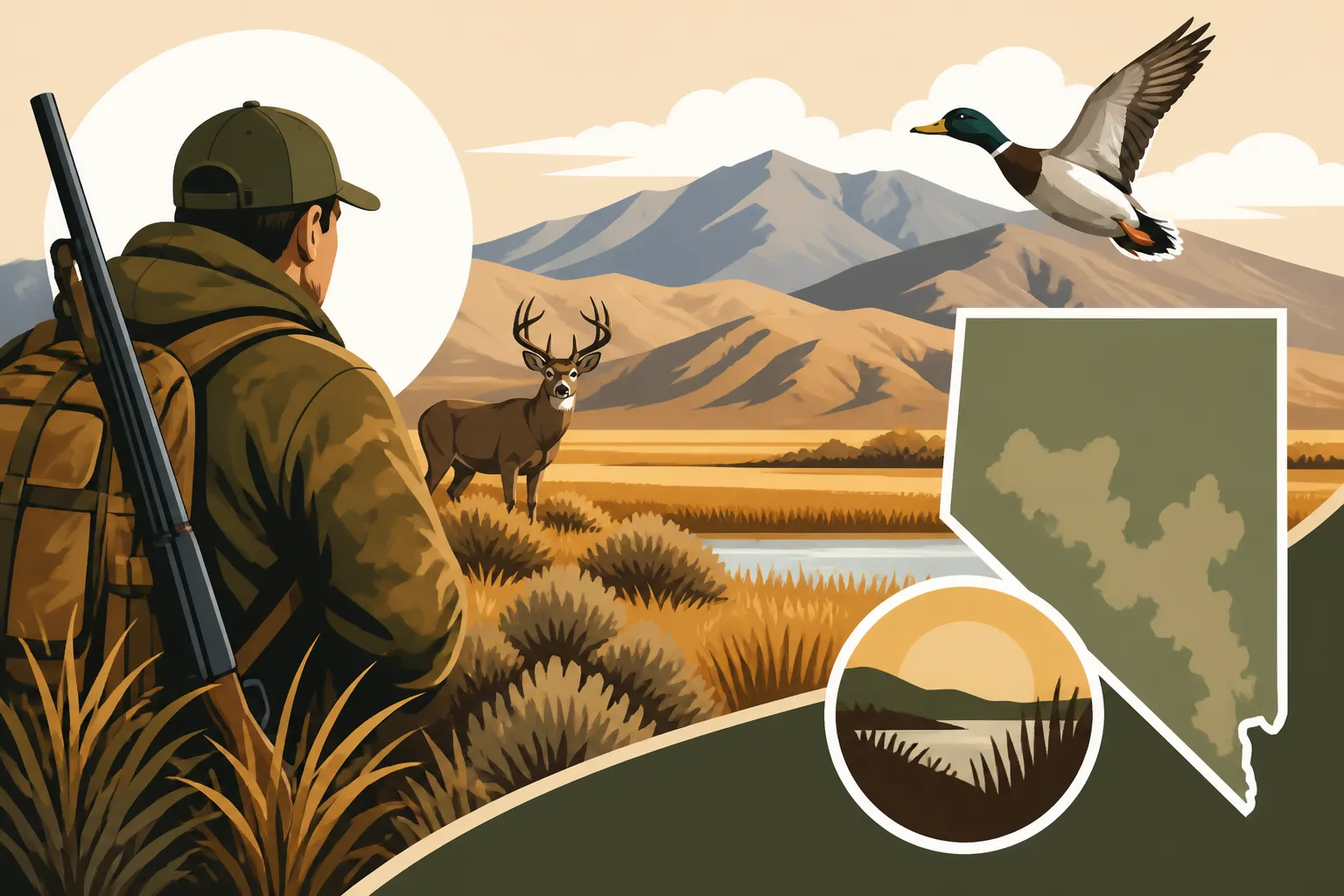
The Stillwater Wildlife Management Area is a gem, but it's not your typical high desert hunting ground. Imagine a vast expanse of marshes, ponds, mudflats, and islands, all fed by the Carson River. This area is a critical stopover point for migratory birds on the Pacific Flyway, which is precisely why it's managed the way it is. It's a dynamic ecosystem where water levels can fluctuate dramatically with the seasons and even year to year, depending on snowmelt and management decisions. This constant change is both its blessing and its curse for hunters.
A Critical Wetland Ecosystem
Stillwater isn't just a place to hunt; it's a vital, internationally recognized wetland. It’s part of the larger Stillwater National Wildlife Refuge complex, managed by both the Nevada Department of Wildlife (NDOW) and the U.S. Fish and Wildlife Service. This dual management can sometimes add layers of rules and regulations, so it's paramount to understand which agency oversees the specific section you're interested in. The WMA portion, overseen by NDOW, is specifically designated for public access, including hunting, fishing, and wildlife viewing. The sheer amount of water and its fluctuation means that what was a dry walking path last year could be several feet deep this year, entirely altering your access strategy. This is why local knowledge, or at least recent reports, are invaluable here.
Distinguishing WMA from Other Public Lands
Unlike the vast expanses of Bureau of Land Management (BLM) land or National Forests that make up most of Nevada's public hunting opportunities, a Wildlife Management Area like Stillwater has a different set of priorities and, consequently, a different rulebook. BLM land is generally open for multiple uses, often with minimal regulation beyond state hunting laws. National Forests might have specific rules regarding motorized travel or camping. Stillwater, however, is intensely managed for wildlife, especially migratory birds. This means there are often stricter rules regarding entry, vehicle use, designated hunting zones, and even the types of activities allowed. You won't find the same free-ranging access that you might in the mountains of the Humboldt-Toiyabe National Forest. Understanding State Wildlife Management Areas in Nevada is a good baseline, but Stillwater definitely has its own unique quirks due to its wetland nature.
Navigating Access Points and Specific Regulations
Accessing Stillwater WMA requires a bit more forethought than simply pulling off a gravel road in the sagebrush. You're dealing with a dynamic water-based environment, which means your approach needs to be flexible and well-researched. This isn't a place to wing it on opening morning.
Permit Requirements and Entry Procedures
First and foremost, beyond your standard Nevada hunting license and species-specific tags (like your federal duck stamp and state waterfowl endorsement for duck season), Stillwater often has its own specific permit requirements. Sometimes this means a daily fee, other times it might be a self-registration process at a kiosk. These fees and procedures can change, so always check the official Nevada Department of Wildlife website or the Stillwater National Wildlife Refuge complex website right before your trip. Don't assume anything. Missing a permit or failing to register properly could lead to a fine, which is a terrible way to start a hunt. These funds often go directly back into maintaining the area, including critical water infrastructure that benefits wildlife and, by extension, hunters.
Vehicle, Boat, and Foot Access Challenges
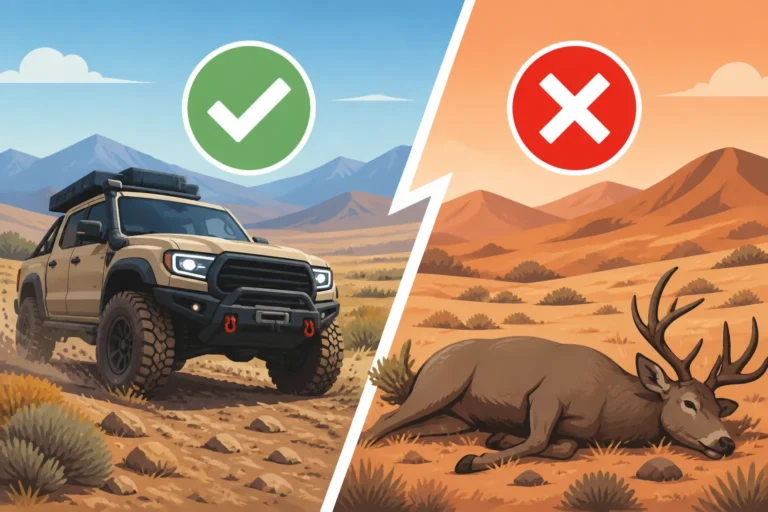
Stillwater is a maze of roads, dikes, and waterways, and how you access it depends heavily on current conditions. Many of the interior roads are primitive dirt roads, prone to becoming impassable mud bogs after rain or during periods of high water. Some roads might be seasonally closed entirely, especially during the nesting season or to protect fragile habitats. Even if a road is open, deep ruts and slick conditions can quickly turn a short drive into a vehicle recovery nightmare. Always come prepared with proper tires, recovery gear, and a good sense of caution. You might also find yourself needing a boat, especially for waterfowl hunting. Many hunters use small Jon boats or even kayaks and canoes to navigate the various channels and open water bodies. For foot access, prepare for mud, muck, and potentially deep water. Waders are almost always a necessity, even if you plan to stick to the dikes. Carrying extra water is always a good idea, even in a marsh. Learn Water You Must Carry on a Desert Day Hunt – it applies in unexpected places too!
Seasonal and Water Level Fluctuations
The most significant factor affecting access at Stillwater is water. This isn't a static environment. Spring snowmelt and summer irrigation demands can drastically alter water levels. A dike road that was dry last week might be partially submerged this week. A shallow marsh that was perfect for wading could become too deep, forcing you to reconsider your approach or use a boat. This makes pre-scouting, even via satellite imagery, a bit of a moving target. What you see on a map may not be what you find on the ground. This is where tools like onX Hunt can be invaluable. While it won't show you real-time water levels, it can help you identify established roads, dikes, and public/private land boundaries, giving you a baseline. Then, pair that with current reports from NDOW or other hunters to understand the water situation. For example, knowing When Nevada Road Closures Take Effect can help you avoid a wasted trip, but water levels can create impromptu closures not officially posted.
Hunting Opportunities and Wetland Considerations
Stillwater is primarily known for its incredible waterfowl hunting, but depending on the specific regulations for the year, other opportunities might exist for small game or even some upland birds on the drier fringes. However, no matter what you're pursuing, hunting in a wetland environment presents a unique set of challenges and demands specific strategies.
Primary Game Species: Waterfowl
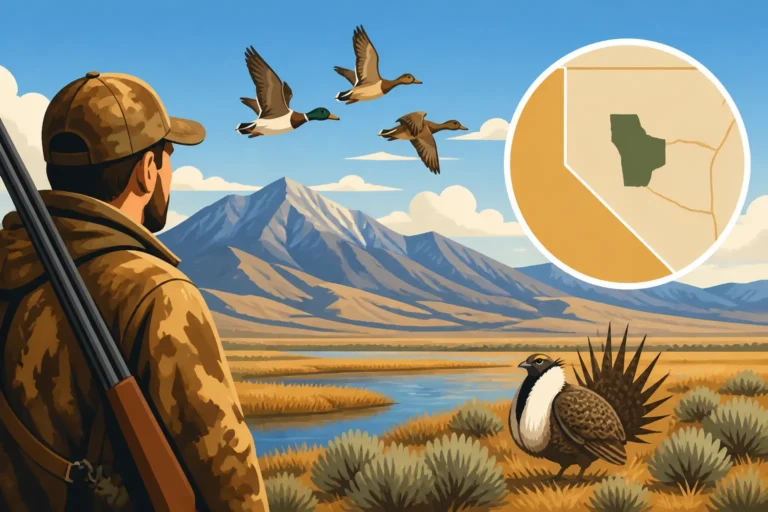
The bread and butter of Stillwater hunting is waterfowl. Ducks and geese flock to these marshes during migration, offering fantastic opportunities for hunters. Species like mallards, pintails, gadwall, wigeon, green-winged teal, and various geese are common. Successful waterfowl hunting here relies heavily on scouting, understanding bird patterns, and having the right gear. This isn't a spot-and-stalk big game hunt; it's about setting up decoys, calling, and concealment. You'll need good waders, a reliable shotgun, plenty of shells, and a willingness to sit still in potentially cold, wet conditions. Understanding Waterfowl on Nevada's Desert Marshes is key to success here. Many hunters use dog blinds or natural cover on islands or along dikes to hide from sharp-eyed birds. The sheer volume of birds can be impressive, but so can the hunting pressure, especially on opening weekend.
Secondary Opportunities: Small Game and Upland Birds
While waterfowl takes center stage, don't overlook potential secondary opportunities at Stillwater. Depending on the year's regulations and habitat conditions, rabbits, pheasants, and even some quail might be found on the drier edges or in brushy areas bordering the wetlands. These opportunities are generally less consistent and require different tactics than waterfowl, but they can offer a fun change of pace. Always check the current regulations for season dates, bag limits, and specific areas open to these types of hunting. Hunting these species in such a marshy environment might mean bushwhacking through dense reeds or thickets, so sturdy boots (or even chest waders) and brush pants are advisable.
Unique Challenges of Wetland Hunting
Hunting Stillwater is physically demanding in ways that might surprise someone accustomed to arid landscapes. The mud can be incredibly deep and tenacious, sucking at your boots with every step. Hauling decoys, blinds, and harvested birds through this muck is hard work. Temperatures can swing wildly, and the combination of cold water and wind can lead to rapid hypothermia if you're not adequately dressed in layers. Retrieval of downed birds is another challenge; a cripple can easily disappear into dense reeds or swim across open water. This often necessitates a well-trained retriever dog, or at least a plan for how you'll get to a bird that falls far from shore. Visibility can also be limited in dense cattails or during foggy mornings, making navigation difficult even with a GPS. Be prepared to read Reading Wind on a Long Sage Stalk in a completely different environment, as wind affects duck flight paths dramatically here.
Planning Your Stillwater Trip for Success
A successful trip to Stillwater isn't just about showing up; it's about meticulous planning, adapting to the environment, and prioritizing safety. This area demands respect and preparation, but the rewards can be truly memorable.
Essential Gear for Wetland Environments
Your gear list for Stillwater will look quite different from a typical mule deer hunt in the mountains. Here's a breakdown of must-haves:
- Waders: Chest waders are almost non-negotiable. Look for insulated options if hunting in colder months.
- Waterproof Clothing: Layering is key, and everything needs to be waterproof. A good rain jacket and pants are essential, even if the forecast looks clear.
- Navigation Tools: A reliable GPS unit or a mapping app like
onX Hunton your phone is crucial. The landscape can be disorienting, and it's easy to get turned around, especially in low light or fog. Download offline maps before you go. - Decoys and Call: If waterfowl hunting, a good spread of decoys and effective calls are vital.
- Boat (Optional but Recommended): A small, stable boat (Jon boat, kayak, canoe) can open up many more hunting opportunities and make retrieval much easier. Don't forget PFDs.
- Recovery Gear: For your vehicle, bring a shovel, tow strap, traction boards, and a winch if you have one. Getting stuck in the mud is a real possibility.
- First Aid Kit: A comprehensive kit is always a good idea, including items for cuts, scrapes, and hypothermia.
- Communication Device: Cell service is spotty at best. A satellite messenger or two-way radio can be a lifesaver.
- Water and Food: Even surrounded by water, you need potable drinking water. Bring plenty of snacks to fuel your demanding day.
| Item Type | Purpose | Key Considerations |
|---|---|---|
| Waders | Stay dry and warm in water/mud | Chest height, insulated for cold weather, durable |
| Waterproof Outerwear | Protection from rain, wind, and spray | Layering, breathable, quiet material for hunting |
| Navigation | Find your way, track movements, mark spots | GPS device or onX Hunt app with offline maps, compass |
| Flotation Device | Safety in boat or deep water | USCG-approved PFD, even for short boat trips |
| Retrieval Tool | Recover downed birds from water or dense cover | Dog, long retriever pole, or small boat |
| Emergency Supplies | Address unforeseen incidents | First aid kit, fire starter, space blanket, extra food |
Scouting Strategies for a Dynamic Environment
Scouting Stillwater is different than scouting a mountain unit. You can't just hike around a week before the season and expect conditions to be the same. E-scouting is a good starting point. Websites like GoHunt offer access to mapping tools and public land data that can help you identify roads, dikes, and potential water bodies. Look for areas with existing cover, historical water sources, and proximity to feeding grounds. Pay close attention to current aerial imagery to see where water is holding.
However, nothing beats recent intel. Check NDOW's website for updates, look for online forums or social media groups where local hunters share information, or even call the WMA office directly for current water levels and access conditions. If you can make a physical scouting trip, do so as close to your hunt date as possible. Focus on access routes, water depths, and where birds are concentrating. Observe flight paths and where they're feeding and resting. Remember, the birds themselves are your best scouts.
Safety Considerations: Hypothermia, Mud, and Isolation
Safety at Stillwater cannot be overstated. Hypothermia is a serious risk. Even on a seemingly mild day, falling into cold water or getting soaked by rain and wind can quickly lower your body temperature to dangerous levels. Always dress in layers of synthetic or wool clothing that wicks moisture away and retains heat when wet. Have a complete change of clothes in a dry bag or back at your vehicle.
Getting stuck in the mud is another major hazard. Beyond vehicle recovery, walking through deep mud can lead to exhaustion, muscle strains, and even getting a boot sucked off your foot. Always go with a partner, if possible, and let someone know your exact hunting plan and expected return time. The isolation can be extreme; don't count on cell service. A satellite messenger is truly a piece of essential gear here, not a luxury. Learning Preparing Physically for Long Glassing Days is a good start, but prepare for entirely different physical demands: trudging through mud, hauling gear, and battling the elements in a unique, unforgiving environment.
Disclaimer
This article is for general informational purposes only and does not constitute professional advice. Laws, prices and regulations vary by location and change over time. Consult a qualified professional for guidance on your specific situation.