Hunting the Lahontan Valley Wetlands
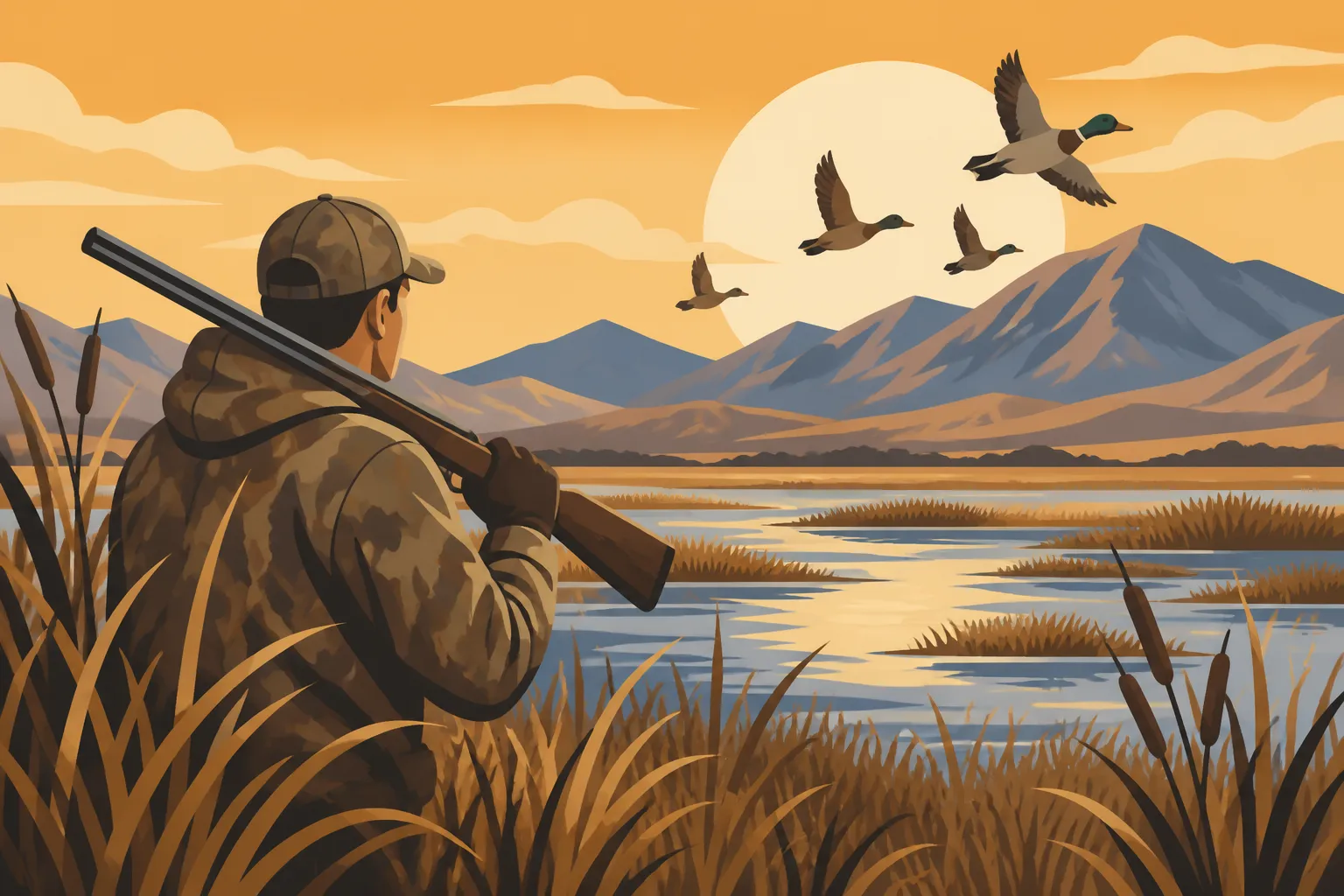
Hunting in the Lahontan Valley Wetlands can feel like stepping into an entirely different Nevada – a vast, marshy expanse starkly contrasted with the sagebrush and mountains we usually associate with the Silver State. For many hunters, especially those new to waterfowling in the desert, the sheer scale and unique regulations of these areas can be incredibly daunting, leading to frustration and wasted scouting time. This guide is here to cut through that complexity, offering a clear roadmap to understanding, accessing, and successfully hunting the rich waterfowl opportunities that the Lahontan Valley offers.
Understanding the Lahontan Valley Wetlands: A Waterfowler's Oasis
When most folks picture hunting in Nevada, their minds immediately go to towering mountain ranges, vast sagebrush basins, and the pursuit of mule deer or elk. But tucked away in the western part of the state lies a sprawling, vibrant ecosystem that often gets overlooked by those not in the know: the Lahontan Valley Wetlands. This area, largely centered around Fallon, Nevada, represents one of the largest freshwater wetland complexes in the Great Basin, a true oasis in an otherwise arid landscape. It’s a critical stopover point for millions of migratory birds along the Pacific Flyway, making it an absolute magnet for waterfowl hunters.
The valley's wetlands are a patchwork of federal, state, and private lands, all contributing to a diverse habitat that includes marshes, playas, and agricultural fields. This unique blend creates an incredibly rich environment for ducks, geese, and various other bird species. Historically, this area was part of ancient Lake Lahontan, and while the lake is long gone, its legacy lives on in these crucial wetland systems. The Truckee and Carson Rivers, fed by snowmelt from the Sierra Nevada, are the lifeblood of these wetlands, sustaining the vegetation and open water that birds depend on. Without these rivers, the Lahontan Valley simply wouldn't exist as the incredible waterfowl haven it is today.
For hunters, understanding this ecological significance isn't just academic; it directly impacts where and how birds will concentrate. The wetlands are not uniform; some areas are deep marsh, others are shallow mudflats, and some are agricultural fields that get flooded seasonally. These variations dictate what kind of birds you’ll find and what tactics will be most effective. For instance, dabbling ducks like mallards and pintails often prefer shallower waters and flooded fields, while diving ducks such as canvasbacks and redheads will be found in deeper, more open water bodies. Recognizing these habitat preferences before you even set foot in the field is key to a successful hunt.
Navigating the Complexities: Access and Regulations
Stepping into the Lahontan Valley Wetlands for the first time, you might feel a bit overwhelmed by the sheer size and the intricate web of rules. It’s not simply "public land" in the same way a vast BLM tract might be. These areas are managed by different entities, each with its own set of guidelines, permits, and access points. The primary hunting opportunities exist within the Stillwater National Wildlife Refuge (NWR) and the Carson Lake and Pasture Wildlife Management Area (WMA). Each of these requires a bit of homework before you go.
Understanding Permit Systems and Access Points
Both Stillwater NWR and Carson Lake WMA operate under specific permit systems, which are crucial for hunters to understand. Stillwater NWR often requires hunters to obtain a special refuge permit in addition to their state hunting license and federal duck stamp. These permits might be obtained through a lottery system for specific days or areas, or via a daily check-in process. The rules can change year to year, so it's absolutely vital to check the current regulations directly with the refuge office before planning your trip. Don't assume anything, because a forgotten permit can ruin a hunt faster than a missed shot. Similarly, Carson Lake WMA, managed by the Nevada Department of Wildlife (NDOW), has its own rules, which are typically outlined in the annual Nevada Hunt Book. Often, access involves specific check stations or registration processes that you need to follow diligently.
When it comes to physical access, many areas are only reachable by boat, particularly deeper marshes or areas with limited road access. For hunters without a boat, strategic planning around walk-in accessible zones or focusing on flooded fields that are closer to roads becomes essential. This is where modern mapping tools really shine. Using an application like onX Hunt, you can meticulously scout public land boundaries, identify potential access roads (many of which are rough, dirt tracks), and even pinpoint water sources or areas that might hold birds. Hunting the Lahontan Valley Wetlands is far more productive when you know exactly where you can go and what's around you. You can zoom in and see the intricate network of canals and dikes, helping you decide if a canoe, a small skiff, or just a pair of waders will be your best bet for a particular spot.
Crucial Regulations to Keep in Mind
Beyond the general permit requirements, there are several specific regulations unique to these wetland areas that every hunter must internalize. For instance, legal shooting hours in these managed areas can sometimes differ slightly from general state regulations, or there might be specific zones where hunting is only allowed on certain days of the week. Blaze orange requirements, while usually associated with big game, can sometimes apply to waterfowl hunters when walking to and from blinds in designated areas, so always double-check. Legal Shooting Hours and Blaze Orange in Nevada are details you simply cannot afford to overlook.
Furthermore, these areas often have restrictions on motor size for boats, or even prohibit motorized vessels in certain sensitive zones. The use of ATVs or UTVs for access is often highly restricted or completely forbidden off designated routes. Retriever dogs are generally allowed and highly encouraged for ethical waterfowl hunting, but they must be kept under strict control. Baiting is strictly prohibited, and the use of electronic calls for waterfowl is also illegal. Knowing these nuances is what separates a prepared hunter from one who might inadvertently run afoul of the law. You'll find that NDOW regulations are specific about Baiting and Trail Camera Rules in Nevada, and it’s always best to err on the side of caution.
Here’s a quick overview of some key considerations for Lahontan Valley Wetlands:
| Feature | Stillwater NWR | Carson Lake WMA |
|---|---|---|
| Managing Entity | U.S. Fish & Wildlife Service | Nevada Department of Wildlife (NDOW) |
| Permit Required | Refuge-specific permit (often lottery/daily) | State hunting license + duck stamp (check for WMA-specific entry) |
| Primary Species | Ducks, Geese, Coots | Ducks, Geese, Coots, some upland birds |
| Access Types | Designated roads, boat, walk-in | Designated roads, boat, walk-in |
| Boat Restrictions | Varies by zone, check refuge regulations | Varies, generally non-motorized/small motors |
| Key Regulations | Zones, hunt days, check-in/out procedures | State regulations + WMA specific rules |
Remember, this table is a general guide. The official regulations for both Stillwater Wildlife Management Area Access and Lahontan Valley Wetlands Access should be your absolute first stop.
Strategies for Success: Hunting Specific Species in the Wetlands
The Lahontan Valley Wetlands are synonymous with waterfowl hunting, but even within that category, there's a world of difference in approach depending on your target species and the specific conditions of the day. From decoying mallards to jump-shooting teal, success here is often about adaptability and keen observation.
Waterfowl Focus: Ducks and Geese
The bread and butter of Lahontan Valley hunting is undoubtedly ducks. You'll encounter a wide variety, from puddle ducks like mallards, pintails, wigeon, and gadwalls to diving ducks such as canvasbacks, redheads, and bluebills. The key to hunting them successfully lies in understanding their behavior and habitat preferences. Puddle ducks often feed in shallower water, tipping up to reach submerged vegetation or gleaning seeds from flooded fields. This makes them ideal candidates for decoy spreads in marshy edges, flooded crop fields, or shallow ponds. Setting up a dozen or two decoys, often with a spinner or two for added motion, and using an effective duck call can draw them right into your zone. Blinds, whether natural vegetation or portable pop-ups, are critical for concealment.
Diving ducks, on the other hand, prefer deeper, more open water where they can dive for aquatic invertebrates and plants. Hunting these species often requires larger, more robust decoys (often divers specifically) and access to larger bodies of water, which might necessitate a boat. Pass shooting can also be effective near major travel corridors or over water gaps where birds are moving between feeding and resting areas. Don't forget about coots! While not always a primary target, they can provide additional shooting opportunities and can often be found in large numbers across the wetlands. Duck Numbers on the Lahontan Marshes can vary significantly depending on yearly water levels and migration patterns, so scouting is key.
Geese, primarily Canada geese, are also prominent in the Lahontan Valley. These larger birds often feed in agricultural fields adjacent to the wetlands, flying back to large open water for roosting. Field hunting for geese can be incredibly rewarding but requires different tactics: larger decoy spreads (often full-body or shell decoys), layout blinds, and careful concealment are paramount. It's not uncommon to see large flocks of geese trading between the Stillwater NWR and nearby private farmlands. Understanding their flight paths and feeding habits, often through careful observation the day before your hunt, will significantly increase your odds. For general season information, you’ll want to review the Nevada Waterfowl Season Framework.
Other Game: Small Game Opportunities
While waterfowl dominates the scene, the Lahontan Valley Wetlands can also offer limited opportunities for other small game. Cottontail rabbits and jackrabbits can be found in the drier, brushier margins of the wetlands, particularly where sagebrush transitions to marsh. Squirrels might be present in riparian areas along the Carson River. However, these are generally secondary targets, and hunters pursuing them should be fully aware of specific regulations, seasons, and permissible hunting methods for those species within these managed areas. Always consult the current NDOW regulations for bag limits and open seasons for Cottontail and Jackrabbit Seasons.
Essential Preparation: Gear, Safety, and Mindset
A successful hunt in the Lahontan Valley Wetlands isn't just about knowing where to go or what to shoot; it's about being prepared for the unique environment. This means having the right gear, prioritizing safety, and adopting a resilient mindset. The wetlands can be a challenging place, with fluctuating water levels, thick mud, and unpredictable weather.
Gear Up for the Wetlands
Your gear list for a Lahontan Valley waterfowl hunt will look a bit different than for a typical big game hunt. Waterproof clothing is non-negotiable. Waders – chest waders are often preferred – are essential for navigating shallow water and muddy shorelines. Don't skimp on quality, as a leak will make for a miserable day. Insulated waders are a godsend during late-season hunts when temperatures plummet. Layering is critical, as mornings can be bitterly cold, but the sun, even in winter, can warm things up surprisingly fast. Layering for Basin and Range Temperature Swings is a skill you'll quickly master out here.
Beyond clothing, a reliable shotgun (12-gauge being the most common) and plenty of non-toxic shot are mandatory. Steel shot or other approved non-toxic alternatives are required for all waterfowl hunting. Decoys, a quality duck or goose call, and a blind (either portable or utilizing natural cover) are also fundamental. If you're using a boat, ensure it's properly registered, has all required safety equipment (PFDs, throw cushions, etc.), and that you have a reliable motor or sturdy paddles. Given the sometimes remote nature of these wetlands, always carry extra fuel, water, and emergency supplies. A good GPS device or your onX Hunt app will be invaluable for navigation, especially in the dark pre-dawn hours.
Prioritizing Safety in a Challenging Environment
Safety in the wetlands encompasses several critical aspects. First and foremost, water safety. If you're hunting from a boat, always wear your PFD, especially if navigating in the dark or in rough conditions. Hypothermia is a very real threat in cold water, even if you don't think you're going to fall in. Inform someone of your hunting plans, including your specific location and expected return time. Cell service can be spotty in parts of the Lahontan Valley, so a satellite messenger is a wise investment for remote areas.
Beyond water, footing can be incredibly treacherous. Thick, sticky mud can suck the boots right off you, and unseen submerged obstacles can lead to falls. Walk slowly and deliberately. Watch for changing weather conditions; fierce winds can whip up quickly, making boat travel dangerous and driving birds down. Finally, gun safety is paramount. Always know your shooting lanes and what's beyond your target, especially with decoys in the water and other hunters potentially nearby. Building a Practice Routine Before Opener should include shooting from various positions you might encounter in the field, like kneeling in a blind.
The Right Mindset for Wetland Hunting
Hunting the Lahontan Valley Wetlands requires a particular mindset. It demands patience, adaptability, and a willingness to embrace the elements. You might spend hours in a blind with no action, only to have a flurry of birds descend. You might slog through thick mud only to find the birds have moved. This is part of the experience.
E-scouting with tools like onX Hunt before your trip is a game-changer, allowing you to identify potential access points, public land boundaries, and even historical water levels. Supplement this with current reports from NDOW or refuge offices. Knowing E-Scouting a Nevada Unit Before the Season and how to analyze satellite imagery can save you hours of wasted effort on the ground. When things get tough, remember why you're out there: the incredible sights and sounds of migration, the camaraderie with hunting partners, and the challenge of pursuing waterfowl in a truly unique environment. A tough hunt often makes the successful ones even more rewarding.
Disclaimer
This article is for general informational purposes only and does not constitute professional advice. Laws, prices and regulations vary by location and change over time. Consult a qualified professional for guidance on your specific situation.