Tribal Land Boundaries to Respect
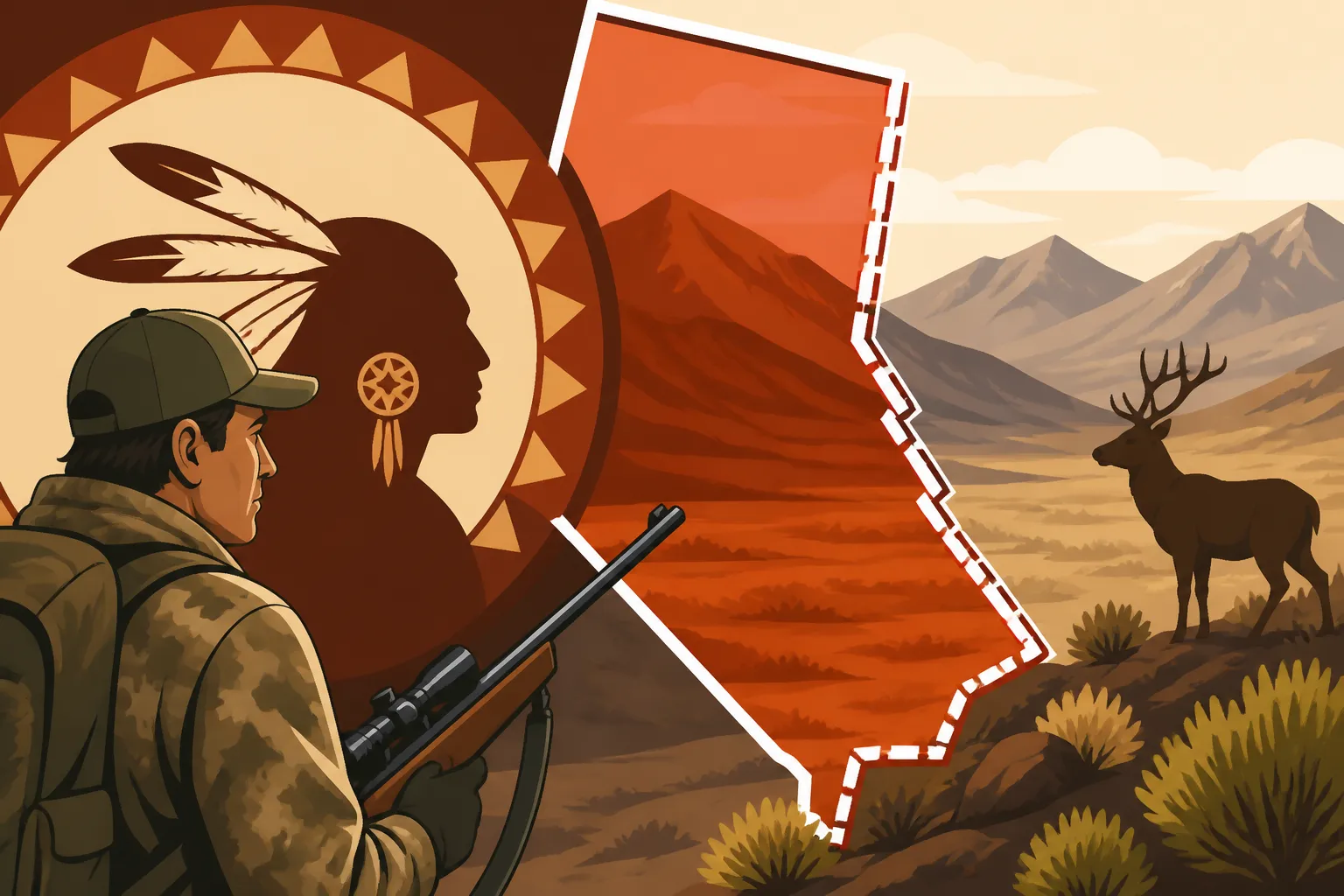
One of the most significant anxieties a hunter can face when heading out into Nevada's vast public lands is the fear of inadvertently stepping where they shouldn't. With so much land in the state being public, it's easy to assume you can roam freely, but the reality is that pockets of private property and, critically, tribal lands, are interspersed throughout. This guide is here to help you navigate those sometimes-unseen boundaries, ensuring your hunting adventure is both successful and respectful of all land designations.
The Importance of Knowing Tribal Land Boundaries
Nevada is home to numerous sovereign Native American tribes, each with their own unique history, culture, and governance over their lands. These lands are not just another form of private property; they are territories with distinct legal standings and often have specific rules regarding access, especially for hunting. Ignorance of these boundaries is not an excuse, and trespassing can lead to serious legal consequences, not to mention a profound disrespect for indigenous communities.
Why Tribal Lands Are Different
Unlike private ranch land you might encounter, which is usually clearly fenced or posted, tribal lands can sometimes blend seamlessly with adjacent public lands, especially in the vast, open country of Nevada. This creates a real challenge for hunters who rely on visual cues alone. The laws and regulations on these lands are set by the tribal governments, not by the state of Nevada. This means that even if you have a valid Nevada hunting license and tag, those privileges do not automatically extend to tribal lands. Without explicit permission or the purchase of a tribal permit, hunting on these lands is strictly forbidden, and it's essential to understand that. It's a matter of respecting sovereignty, which is a fundamental principle that underpins the relationship between tribal nations and other governments.
Understanding this distinction is paramount. A state hunting license grants you permission to hunt on state-managed wildlife areas and general public lands like those administered by the Bureau of Land Management (BLM) or National Forests, provided you adhere to state regulations. However, tribal lands operate under a different set of rules entirely. These rules might cover everything from season dates and bag limits to specific weapon restrictions or even cultural protocols that must be observed. Approaching a hunt with the mindset that all land is fair game until proven otherwise is a recipe for trouble. Instead, every hunter should consider tribal lands as distinctly separate and require individual investigation and permission.
Legal and Ethical Considerations
The legal ramifications of hunting on tribal land without permission are severe. You could face charges from both tribal law enforcement and, potentially, state game wardens, leading to fines, forfeiture of your harvested game and equipment, and even jail time. Your Nevada hunting privileges could also be revoked, which is a harsh penalty for a mistake that could have been avoided with proper preparation. This isn't just a minor infraction; it's a serious trespass on sovereign territory.
Beyond the legal penalties, there are significant ethical considerations. Indigenous communities have deep spiritual and cultural connections to their ancestral lands and the wildlife that inhabits them. Hunting on these lands without permission is not only a legal violation but also an act of disrespect towards their heritage and sovereignty. It can strain relationships between hunters and local communities, making it harder for everyone to enjoy the outdoors responsibly. We, as hunters, have a responsibility to be stewards of the land and respectful guests wherever we pursue game. This includes going the extra mile to understand and honor the boundaries and customs of tribal nations.
Identifying Tribal Lands Before Your Hunt
Given the serious nature of trespassing on tribal lands, knowing how to accurately identify these areas before you ever set foot in the field is critical. Relying on guesswork or outdated maps simply isn't an option in today's hunting landscape. Modern tools and diligent research are your best friends here.
Leveraging Mapping Tools
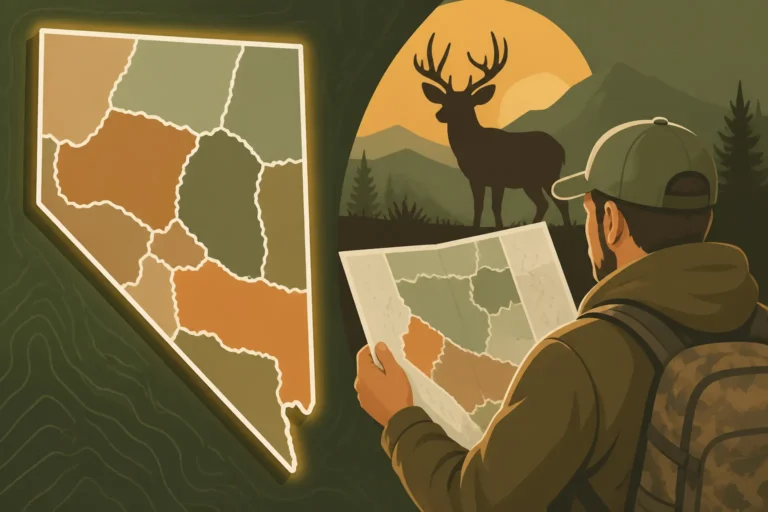
In this day and age, technology has made identifying land ownership incredibly accessible, and mapping apps like onX Hunt have become indispensable for responsible hunters. These platforms provide detailed land ownership overlays that clearly delineate public lands (like BLM or Forest Service ground), private parcels, and, most importantly for this discussion, tribal lands. Before you even leave your living room, you can zoom in on your chosen hunt unit and see exactly where tribal boundaries lie. It's truly a game-changer for avoiding accidental trespass. Using onX Layers for Nevada Public Land can help you get started with these powerful tools.
When planning your hunt, particularly in units with a mosaic of land ownership, always load your maps beforehand and identify any tribal lands within or bordering your intended hunting areas. Pay close attention to these boundaries, especially when planning a stalk or tracking an animal. It’s not uncommon for a promising ridge or water source to suddenly fall within tribal jurisdiction. Many mapping apps, including onX Hunt, also allow you to mark waypoints and create routes, which can be invaluable for navigating complex land ownership patterns in the field. Another great resource for pre-hunt research and digital mapping capabilities is GoHunt, which often integrates similar land ownership data to help you scout effectively and steer clear of restricted areas. These apps are far more reliable than paper maps alone, as digital layers are frequently updated. Taking the time to study these maps thoroughly can prevent a lot of headaches later on. Knowing How to Spot a Reservation Boundary on a Map is a skill every hunter needs to develop.
Understanding Physical Markers
While digital maps are excellent planning tools, it's also important to be aware of how tribal lands might be marked on the ground. Sometimes, they are clearly signed with "No Trespassing" or "Private Property" signs that specifically mention tribal ownership. You might also encounter fencing, though as we discussed, not all boundaries are fenced, especially in vast, remote areas. Roads leading into tribal lands might have gates or signage indicating that entry requires a permit or is strictly prohibited. It's always a good idea to proceed with caution if you see any signs that indicate a change in land status.
However, the reality in much of Nevada's backcountry is that physical markers can be sparse, especially on remote boundaries far from main roads. This is where relying solely on ground observation becomes risky. Weather, vandalism, or simply the passage of time can degrade or remove signs. Therefore, while you should always pay attention to any physical markers you encounter, they should be seen as supplemental information to your pre-scouted digital maps, not a replacement. If your mapping tool indicates a tribal boundary, even if you don't see a fence or sign, assume it's accurate and adjust your plans accordingly. This proactive approach is the safest and most respectful way to hunt in Nevada.
| Type of Land | Management Authority | Hunting Regulations | General Access |
|---|---|---|---|
| Federal Public Land | BLM, Forest Service | Nevada State Regulations | Generally open to public (with state license) |
| Nevada State Land | Nevada State Agencies | Nevada State Regulations | Generally open to public (with state license) |
| Private Land | Individual/Corporate | Owner's Discretion | Requires explicit owner permission |
| Tribal Land | Tribal Government | Tribal Council Regulations | Requires tribal permit/permission (state license invalid) |
Respectful Conduct on and Near Tribal Lands
Being a responsible hunter means more than just following hunting laws; it means conducting yourself with respect for the land, wildlife, and people who call the area home. When it comes to tribal lands, this takes on an even deeper significance due to their sovereign status and cultural importance.
Seeking Permission and Understanding Protocols
If you discover that a promising hunting area lies within or borders tribal land, your first instinct should not be to just try and skirt the edge. Instead, investigate whether hunting access or permits are available through the specific tribal nation. Many tribes do offer hunting permits, sometimes exclusively to tribal members, but occasionally to non-members as well, often for a fee. The process for obtaining these permits and the specific rules can vary greatly from one tribe to another. For example, the Pyramid Lake Paiute Hunting Permits or Duck Valley Reservation Permits will have entirely different application processes, fees, and rules.
Contacting the tribal government or their natural resources department directly is the proper way to inquire about access. Be polite, clear about your intentions, and ready to respect their decision, whatever it may be. Remember that this is a privilege, not a right. Some tribes may have specific cultural protocols you need to understand, or certain areas might be off-limits for traditional reasons. If permits are available, ensure you understand all the associated rules, including season dates, bag limits, and specific areas where you can and cannot hunt. This due diligence not only keeps you legal but also builds goodwill and demonstrates genuine respect for their sovereignty and traditions.
The Ramifications of Trespassing
Let's be clear: trespassing on tribal lands is a serious offense. It's not just a slap on the wrist. As mentioned before, you could face federal charges, tribal court proceedings, state citations, and the immediate confiscation of your weapon, vehicle, and harvested game. Imagine drawing a coveted tag for a Nevada mule deer, successfully harvesting an animal, only to find yourself facing legal action and losing your hard-earned trophy because you inadvertently crossed an unmarked boundary. It's a devastating scenario that is entirely avoidable. Trespass Law on Posted Property is something every hunter should be familiar with, and it applies even more stringently to tribal lands.
Beyond the legal penalties, the damage to your reputation as a hunter and to the broader hunting community's relationship with tribal nations is immeasurable. Each incident of disrespect erodes trust and makes it harder for everyone to enjoy responsible access to hunting grounds. We all share the responsibility to represent the hunting community in a positive light, and that means being meticulous about understanding and respecting land ownership. This includes being acutely aware of situations like Corner Crossing Legality in Nevada and understanding that simply putting one foot on tribal land to 'corner cross' can be a serious issue. Always plan your routes carefully, using reliable maps, and when in doubt, choose an alternative path.
Resources for Further Information
Navigating the complexities of tribal land boundaries in Nevada can feel daunting, but you're not alone. There are resources available to help you plan your hunt responsibly.
Tribal Government Contacts
The most direct and reliable source of information regarding hunting on tribal lands is the tribal government itself. Each federally recognized tribe in Nevada has its own government and administrative offices. A quick online search for the specific tribal nation (e.g., "Pyramid Lake Paiute Tribe," "Shoshone-Paiute Tribes of Duck Valley") will usually lead you to their official website. Look for departments related to natural resources, wildlife, or land management. They can provide the most accurate and up-to-date information on hunting regulations, permit availability, and any specific protocols you need to follow.
It's important to be patient and courteous when contacting tribal offices. They are often busy, and their procedures may differ from state agencies. However, the effort is well worth it to ensure you are hunting legally and respectfully. While some tribes might not offer public hunting, others have well-established programs that can provide unique and valuable hunting experiences. Always consult these direct sources rather than relying on hearsay or outdated information you might find elsewhere.
State Agency Guidance
While the state of Nevada does not govern hunting on tribal lands, the Nevada Department of Wildlife (NDOW) is often a good starting point for general information and can sometimes direct you to the appropriate tribal contacts. Their website and offices are excellent resources for understanding broader Nevada hunting regulations, Reading a Nevada Unit Boundary Before You Apply, and Downloading Nevada Unit Boundary Layers for your mapping apps. While they cannot issue permits for tribal lands, they are invested in responsible hunting practices across the state and may have general advisories or links to tribal resources.
Keep an eye on the NDOW regulations each year, as they may update general information or warnings related to private and tribal land. However, always remember that NDOW's authority stops at the boundary of sovereign tribal nations. For specific, legally binding information about hunting on tribal lands, you must consult the tribal government directly. Combining the detailed land ownership data from apps like onX Hunt with direct communication with tribal authorities is the gold standard for preparing to hunt ethically and legally in Nevada's diverse landscapes.
Disclaimer
This article is for general informational purposes only and does not constitute professional advice. Laws, prices and regulations vary by location and change over time. Consult a qualified professional for guidance on your specific situation.