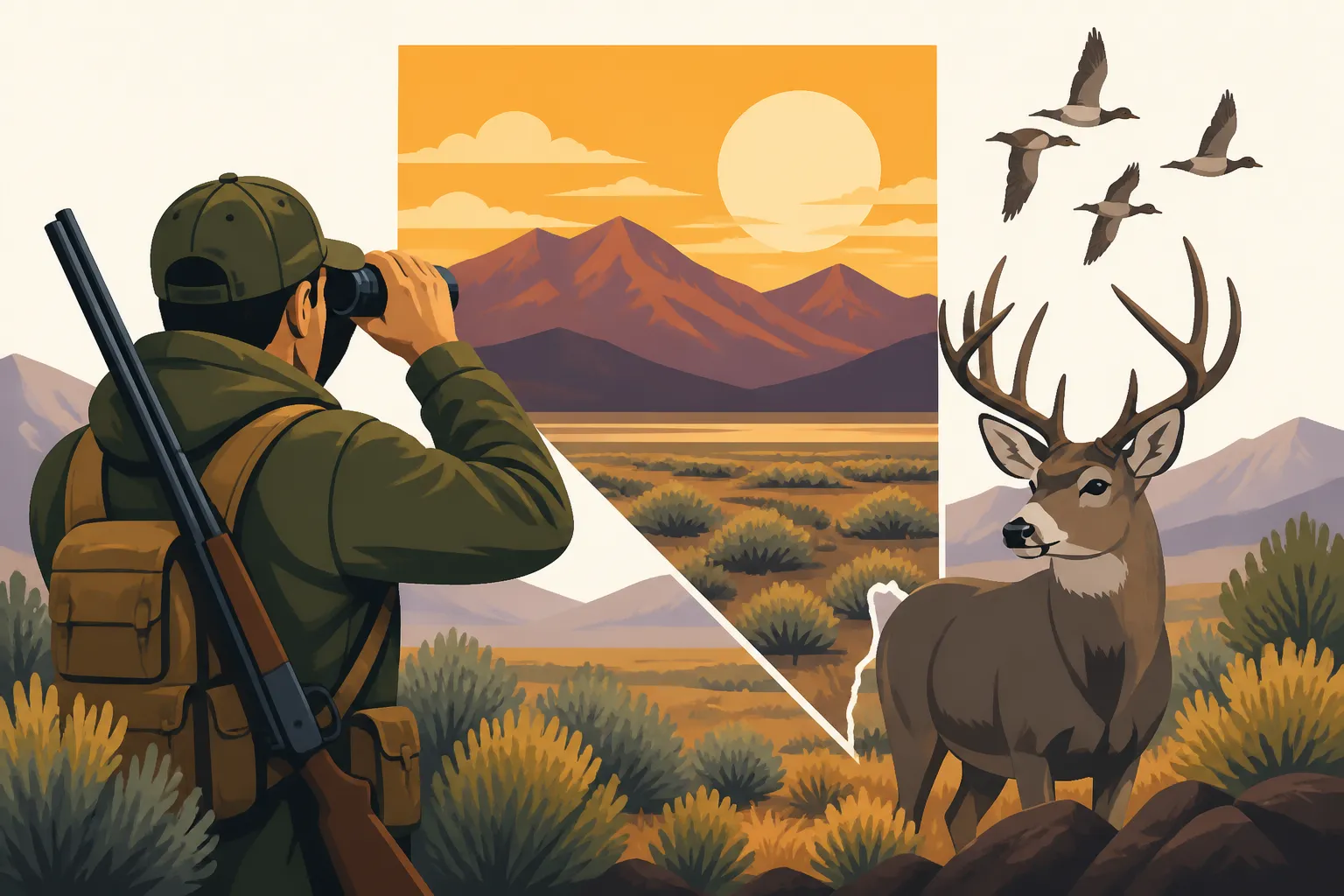
Key Pittman Wildlife Management Area
Finding accessible hunting grounds in Nevada can feel like a daunting task. While the vast majority of our state is public land, knowing where to go, what to hunt, and how to navigate specific regulations for certain areas can be a real headache. This guide is all about one such spot: the Key Pittman Wildlife Management Area, a fantastic resource for hunters looking for dedicated wildlife habitat and focused opportunities, particularly for waterfowl and upland birds.
What is Key Pittman Wildlife Management Area?
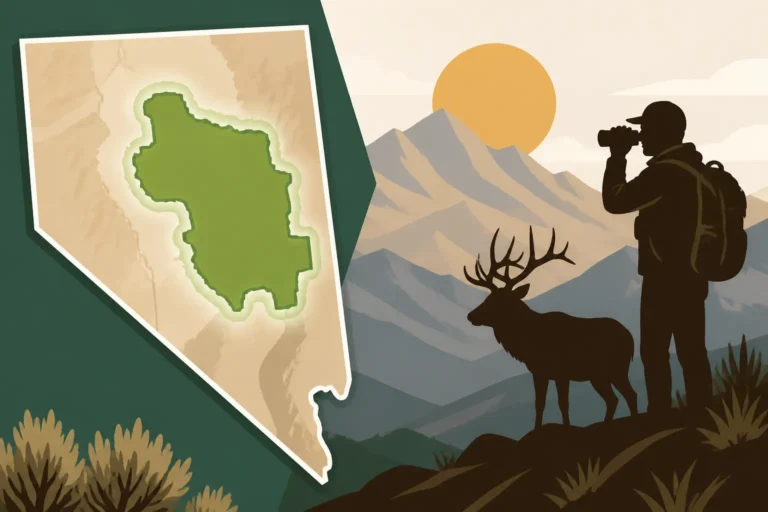
Key Pittman Wildlife Management Area (WMA) is one of Nevada's vital dedicated public lands, specifically managed by the Nevada Department of Wildlife (NDOW) to enhance wildlife habitat and provide public recreation, especially hunting and fishing. It's not just a patch of desert; it's a strategically managed area designed to concentrate and support various game species. Located in Lincoln County, near the charming and historic town of Caliente, this WMA centers around the Key Pittman Reservoir, which is fed by the Meadow Valley Wash.
Think of it as an oasis in the high desert. The reservoir itself, along with the riparian corridors of the Meadow Valley Wash and the surrounding uplands, creates a diverse ecosystem that contrasts sharply with much of Nevada's drier terrain. While many units rely solely on natural springs and the occasional guzzler to hold game, the permanent water source here is a game-changer. This intentional management means that wildlife populations benefit from habitat improvements, and hunters benefit from predictable access to those populations, though never without its own unique set of rules and challenges. It’s a place where you can often see the direct results of conservation efforts.
The primary purpose of WMAs like Key Pittman is to ensure that wildlife thrives and that the public has places to engage with it responsibly. This often translates into enhanced bird habitats, especially for migratory waterfowl. The presence of the reservoir means it becomes a magnet for ducks and geese during their migrations, and the adjacent lands are managed for upland species. For a hunter frustrated by endless miles of sagebrush without a sign of feathered game, a WMA offers a concentrated experience that can be incredibly rewarding, provided you do your homework.
Hunting Opportunities at Key Pittman WMA
Key Pittman WMA offers a range of hunting opportunities, but it truly shines for migratory bird hunters and those seeking upland game. Because of the permanent water source and the specific habitat management, certain species flourish here more than others. Understanding these primary opportunities will help you plan your trip effectively.
Waterfowl Hunting Around the Reservoir
The star attraction at Key Pittman is undoubtedly waterfowl hunting. When the ducks and geese begin their migration, Key Pittman Reservoir becomes a crucial stopover, particularly in the Central Flyway. Hunters can expect to find a variety of ducks, including mallards, green-winged teal, wigeon, and gadwalls, as well as several species of geese. The sheer volume of birds that can congregate on and around the reservoir during peak migration is impressive and offers some fantastic shooting opportunities.
However, waterfowl hunting here isn't without its nuances. You'll need to be prepared for cold, wet conditions, and often, long waits in blinds. Retrievers are almost essential for ethical hunting, and understanding the specific WMA regulations for blind placement, shooting hours, and especially non-toxic shot requirements is paramount. Many hunters will scout the area beforehand, perhaps using a tool like onX Hunt to identify accessible areas or potential blind locations relative to the reservoir's edge and deeper water. It's a different game than stalking deer in the mountains, requiring specialized gear and a deep understanding of bird behavior. If you’re serious about ducks and geese, this WMA should definitely be on your radar for Nevada Waterfowl Season Framework.
Upland Bird Hunting in the Surrounding Habitat
Beyond the ducks, Key Pittman WMA also offers robust opportunities for upland game birds. Quail, particularly Gambel's quail, thrive in the riparian areas and brushy uplands surrounding the reservoir. You might also find chukar in the steeper, rockier sections, though they are often more challenging to access than the valley quail. Mourning doves are also abundant during their season, providing fast-paced action.
Hunting upland birds here is typically a walk-and-stalk affair, often best done with a good bird dog. The terrain, while not as extreme as some of Nevada's true chukar country, can still be tough, with dense brush and rocky washes. Hunters should be prepared for significant walking and understand how to navigate cover that can be thick. Many of the techniques for hunting Nevada Quail Species and Where They Live apply directly here, focusing on water sources and dense cover. Always check the current Nevada Small Game Seasons at a Glance for opening and closing dates and bag limits before heading out.
Other Potential Game Species
While waterfowl and upland birds are the main draws, Key Pittman WMA can also offer limited opportunities for other species. Cottontail rabbits and jackrabbits are common in the desert fringes, offering year-round or extended season hunting for small game enthusiasts. Deer might occasionally pass through the WMA, particularly along the wash, but it's not typically considered a prime big game unit. If you do encounter deer, remember that specific big game tag requirements and seasons still apply. Always consult the official NDOW regulations for any big game hunting within or adjacent to the WMA.
Navigating and Accessing Key Pittman WMA
Accessing and navigating any wildlife management area in Nevada requires careful planning and a keen understanding of the rules. Key Pittman WMA, while offering dedicated access, also has specific guidelines that hunters must follow to ensure a safe and successful trip, and to respect the area's conservation mission.
Main Access Points and Internal Roads
Key Pittman WMA is generally accessible via well-maintained gravel roads from the nearby town of Caliente. The main entrance off State Route 317 leads directly to the reservoir and various parking areas. Once inside, a network of internal dirt and gravel roads provides access to different sections of the WMA, including prime waterfowl hunting spots and upland bird habitat. It's crucial to consult a detailed map of the area before you go.
Vehicular travel is typically restricted to designated roads. This is a common rule across many public lands, but it's especially enforced within WMAs to protect sensitive habitats. You won't be able to drive off-road to chase birds or get closer to the water. This means planning your walks, using binoculars to spot game from a distance, and being ready to carry all your gear a considerable distance. Tools like onX Hunt are incredibly useful here, as they provide detailed maps with WMA boundaries, designated roads, and even topographic overlays that can help you scout from home and identify potential hiking routes or blind locations. The accuracy of such mapping applications can save you a lot of time and frustration in the field.
Understanding WMA-Specific Regulations
Wildlife Management Areas often have regulations that differ slightly from general public land rules. For Key Pittman, these can include specific shooting hours for waterfowl, restrictions on the type of blinds you can use or build, and requirements for non-toxic shot. It's not uncommon for WMAs to have certain areas closed seasonally to protect nesting birds or provide undisturbed refuges. Always check the latest NDOW regulations specific to Key Pittman WMA. These are typically available on the NDOW website or at their regional offices. Ignoring these rules can lead to citations and even loss of hunting privileges.
For instance, the use of ATVs or UTVs might be restricted to certain roads, or prohibited entirely in some areas. Camping regulations can also vary, with some WMAs allowing dispersed camping in designated spots and others prohibiting it altogether. Knowing these nuances is part of being a responsible hunter. Before you head out, make sure you've read the official rules and perhaps even cross-referenced them with a mapping application that updates its public land access information regularly, like GoHunt's map layers for public access points. This diligence is crucial for a smooth hunt.
| Species | Primary Habitat | Typical Seasons | Key Considerations |
|---|---|---|---|
| Ducks & Geese | Reservoir, Marsh | Fall/Winter (Migration) | Non-toxic shot, blinds, waders, dog recommended |
| Gambel's Quail | Riparian, Brush | Fall/Winter | Good walking boots, bird dog, water sources |
| Chukar | Rocky Uplands | Fall/Winter | Steep terrain, durable gear, good conditioning |
| Mourning Dove | Open Fields, Edges | Early Fall | Fast shooting, plenty of shells, warm weather |
| Cottontail/Jack. | Desert Fringes | Year-round / Extended | Small game license, check local limits |
Key Considerations for Hunting Key Pittman
Hunting the Key Pittman WMA, while offering excellent opportunities, demands respect for its unique environment and adherence to specific guidelines. Being prepared for the conditions and understanding the expectations of a managed area will make your hunt safer and more enjoyable.
Ethical Hunting and Respect for Other Users
Wildlife Management Areas are multi-use public lands. While hunting is a primary activity, you'll likely encounter anglers, birdwatchers, hikers, and general recreationists. Maintaining a high standard of ethical behavior is paramount. This means giving other users plenty of space, being mindful of noise, cleaning up all your trash (including spent shells), and respecting property boundaries. The last thing any hunter wants is to contribute to negative perceptions of our sport, especially in areas designed for broad public enjoyment.
A big part of ethical hunting here involves knowing your firearm and your target. For waterfowl, proper lead and pattern density are crucial to minimize wounded birds. For upland birds, knowing their flight patterns helps ensure clean kills. It’s also about following the legal Nevada Legal Shooting Hours for Big Game and small game, which are often strictly enforced within WMAs. These areas are managed for public benefit, and responsible behavior ensures that hunting continues to be a permitted activity for future generations.
Preparing for the Desert Environment
Even with the presence of a large reservoir, Key Pittman WMA is still in the high desert of Nevada. This means hunters need to prepare for potentially extreme conditions, especially during early seasons. August dove hunts can be scorching hot, requiring ample water, sun protection, and awareness of venomous snakes. Later in the fall and winter, temperatures can drop dramatically, and winds can be relentless, especially on open water. Layered clothing, quality rain gear, and a reliable vehicle are not luxuries—they are necessities.
Always carry more water than you think you'll need, especially if you plan on covering significant ground on foot. The nearest services, while available in Caliente, are not always right around the corner. If you're venturing into the more remote upland sections, consider carrying extra fuel and a full spare tire. It's good practice to understand basic Carrying Extra Fuel and Water protocols for any Nevada hunt. Moreover, if you're new to Nevada hunting, remember that Anyone Born After 1959 Needs Nevada Hunter Education, and this applies to WMAs just as much as any other public land. Safety first, always.
Current Regulations and Planning Your Trip
Before you even load your gear, always verify the most current regulations for Key Pittman WMA directly from the Nevada Department of Wildlife. Regulations can change year to year, or even mid-season, based on wildlife populations, environmental conditions, or management needs. This includes specific restrictions on target shooting, dog training, or vehicle access that might not be immediately obvious.
It’s also wise to check the weather forecast for Caliente and the surrounding area. Sudden storms can make dirt roads impassable, and extreme temperatures can quickly turn a fun hunt into a dangerous situation. Utilizing online mapping tools can help you visualize the terrain, identify potential camping spots if allowed (checking Camping Rules on Nevada BLM Ground for nearby public land options is smart), and understand the proximity of water sources. The more planning you put in, the more enjoyable and successful your experience at Key Pittman WMA will be. Remember, places like Key Pittman are precious, and our stewardship ensures they remain fantastic hunting areas.
Disclaimer
This article is for general informational purposes only and does not constitute professional advice. Laws, prices and regulations vary by location and change over time. Consult a qualified professional for guidance on your specific situation.