Nevada Accepts Hunter Education From Any State
It's incredibly frustrating when you're an experienced hunter, maybe you've been doing it for decades in your home state, and then you start looking into a dream hunt in a place like Nevada, only to be hit with questions about hunter education. You might worry that all your years of ethical, safe hunting won't count for anything, and you'll have to sit through another basic course. Let me assure you, Nevada understands the value of prior training, and this guide will walk you through exactly how your out-of-state hunter education certification is recognized here, ensuring your path to a Nevada hunting license is as smooth as possible.
Understanding Nevada's Hunter Education Mandate
The state of Nevada takes hunter safety and education very seriously, and for good reason. Our vast, often rugged landscapes, combined with unique game species and diverse hunting methods, mean that a fundamental understanding of safety, regulations, and ethics is paramount. While this might feel like just another hurdle, it’s truly about ensuring a safe environment for all who enjoy the outdoors and protecting our precious wildlife resources.
The Core Requirement and Birth Year Cutoff
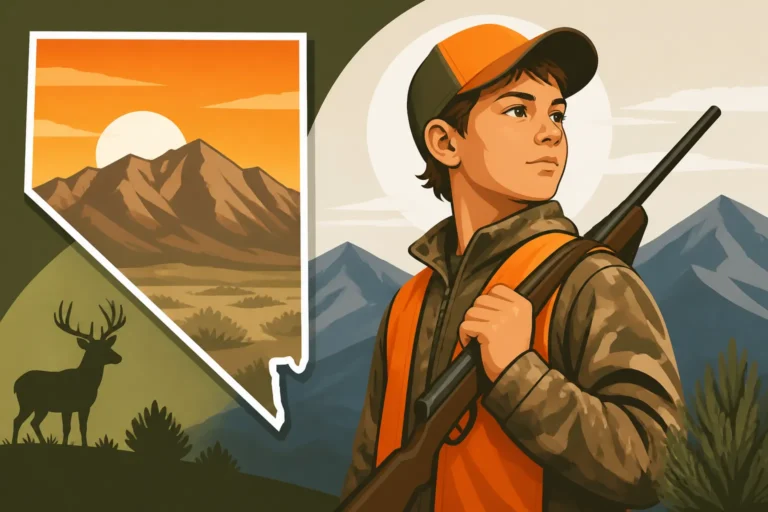
Here in Nevada, the primary rule for hunter education is pretty straightforward: anyone born after December 31, 1959, must possess proof of having successfully completed an approved hunter education course. This isn't just a suggestion; it's a legal requirement to purchase a Nevada hunting license. So, if you're eyeing a mule deer hunt in the Schell Creek Range or an elk adventure in the Ruby Mountains, and your birthday falls into that category, you'll need that certification.
This birth year cutoff, established years ago, aimed to create a baseline of safety knowledge for a new generation of hunters. For those seasoned hunters who've been in the field for decades, maybe since before that 1959 cutoff, it means they might never have had to take a formal course. However, for those born in 1960 or later, it's a fundamental step. The good news is, for most people coming from other states, you've likely already met this requirement through your home state's program, and Nevada is designed to accept it. The last thing we want is for an experienced, safe hunter to be held up by a technicality. You can read more about Anyone Born After 1959 Needs Nevada Hunter Education to get the full details on this specific rule.
Who Is Exempt from Hunter Education
Now, while the 1959 cutoff covers a vast majority of hunters, there are a few situations where an individual might be exempt from the hunter education requirement itself. The most common exemption, as we just touched on, applies to those born on or before December 31, 1959. If your ID shows you were born in, say, 1955, then you're automatically cleared on the hunter education front. You still need to purchase the appropriate licenses and tags, of course, but the course requirement won't apply to you.
Beyond that age-based exemption, Nevada also has provisions for "apprentice" or "mentored" hunting licenses, often aimed at youth or first-time adult hunters. These programs allow an uncertified individual to hunt under the direct supervision of a licensed, certified adult hunter. It's a fantastic way to introduce new participants to hunting in a safe, controlled environment, without immediately requiring them to complete the full hunter education course. However, these apprentice licenses usually come with strict rules about proximity to the mentor, and they are typically designed as a stepping stone, not a permanent workaround. These exemptions are usually clearly laid out in the annual Nevada Department of Wildlife (NDOW) regulations, which you should always consult for the most up-to-date information, especially when it comes to specific Youth Hunting Requirements in Nevada.
The Reciprocity Advantage: Your Out-of-State Certification Counts
One of the biggest relief points for non-resident hunters eyeing Nevada is the understanding that your hunter education from another state or province is generally honored here. You've already put in the time and effort to learn the ropes of safe and ethical hunting, and Nevada respects that.
How Nevada Honors Other State Programs
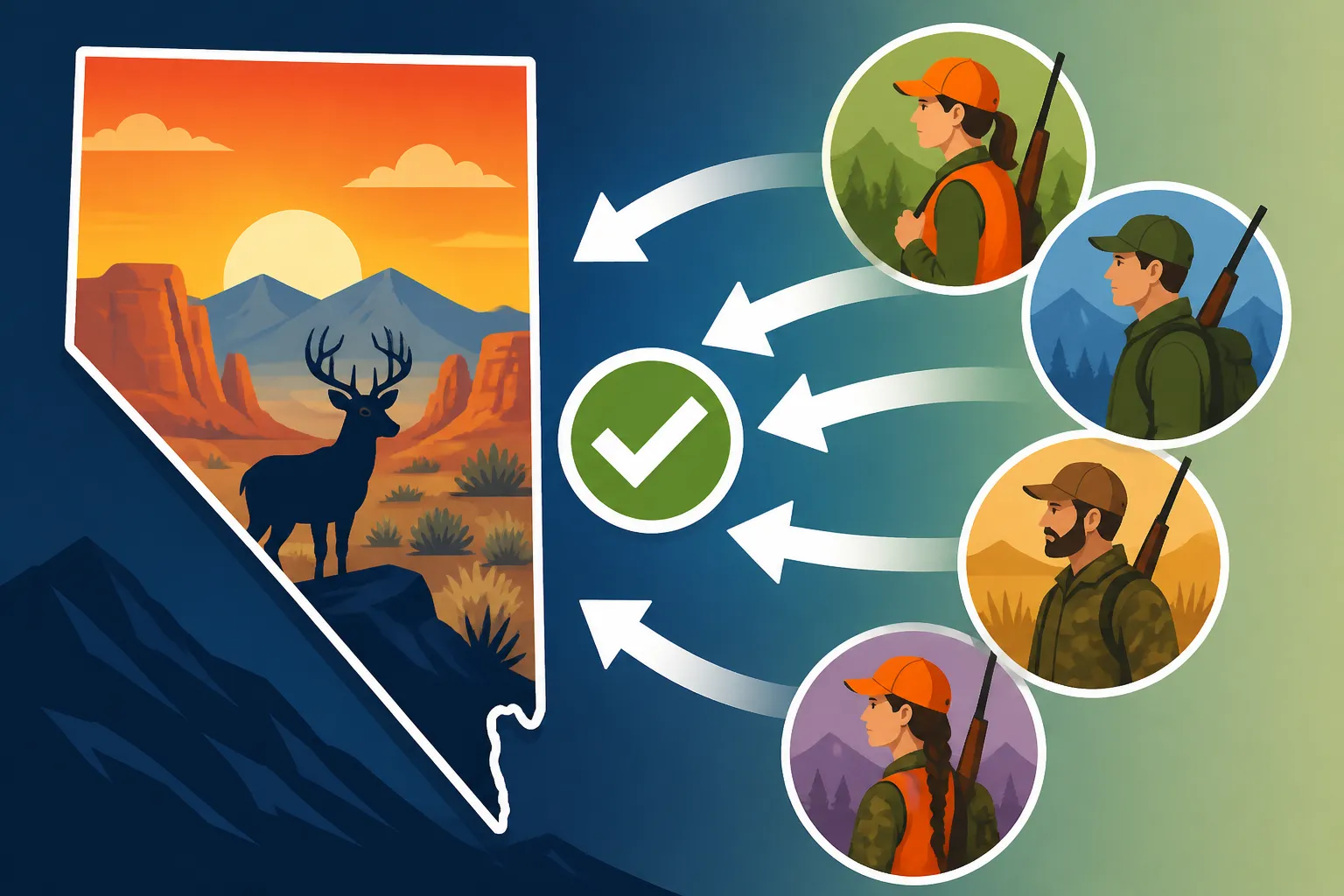
Nevada operates under a reciprocity agreement that recognizes hunter education certifications issued by other states, provinces, and even some countries, as long as those programs are accredited and meet certain national standards. This is largely thanks to the work of the International Hunter Education Association (IHEA-USA), which promotes consistent safety standards across North America. Most states, including Nevada, base their curriculum on IHEA-USA guidelines, covering crucial topics like firearm safety, ethical hunting practices, wildlife identification, basic first aid, and game care.
What this means for you is that the card or certificate you earned in California, Texas, Idaho, or anywhere else is highly likely to be accepted when you go to purchase your Nevada hunting license. There's no need to take a second, redundant course just because you're crossing a state line. This approach makes it much easier for traveling hunters, fostering a more unified standard of safety across the country. It acknowledges that the core principles of hunter education are universal, regardless of where you learned them. The key is that it must be an official certification from an accredited program.
Verifying Your Out-of-State Hunter Education
While Nevada generally accepts out-of-state hunter education, you'll still need to be able to verify it. When you apply for your Nevada hunting license, either online through the NDOW portal or in person, you'll be asked to provide proof of your certification. This usually means inputting your hunter education certificate number, the state it was issued in, and sometimes the year of completion. Having your physical hunter education card or a clear digital copy readily available is absolutely crucial.
NDOW's system is designed to check these credentials, and sometimes they may even cross-reference with national databases. It's not uncommon for hunters to misplace their original cards over the years, and while NDOW aims to be accommodating, it's ultimately your responsibility to provide verifiable proof. If you're using an online system like GoHunt to research units or apply for draws, ensure that your hunter education details are correctly entered into your profile well in advance. This smooths out the whole process. Don't wait until the last minute to track down your documentation. To dive deeper into the process, you can find specific information on How Nevada Verifies an Out-of-State Certification.
Preparing for Your Nevada License Application
Getting ready for your Nevada hunting license application involves a few key steps, especially when you're an out-of-state hunter. It's not just about deciding which unit to apply for; it's about having all your ducks in a row to avoid any last-minute headaches. The application period, typically running from March through May, comes and goes quickly, and you don't want to miss out because of incomplete paperwork.
Gathering Your Hunter Education Documents
Before you even think about hitting "submit" on that application, make sure you have your hunter education documentation squared away. This typically includes your official hunter education certificate or card, which will display your unique certification number, the state of issuance, and the date of completion. Many states also participate in national hunter education databases, which can be useful if you've lost your physical card. For example, some states allow you to print a replacement card or look up your information online using your name and date of birth.
It's a smart practice to make several copies of your hunter education card – both physical and digital. Keep a digital photo on your phone, store a PDF in cloud storage, and tuck a laminated copy in your wallet. Having these backups can be a lifesaver if the original is lost or damaged during your travels. NDOW needs to see that you've completed an approved course, and the easier you make that verification process, the smoother your application will be. Remember, the Nevada application period is critical, and any delay due to missing documents could cost you a chance at a coveted tag.
Navigating the NDOW Licensing Portal
The Nevada Department of Wildlife (NDOW) uses an online licensing portal for most big game applications and license purchases. This portal is usually the first stop for both residents and non-residents. For first-time non-resident applicants, you'll need to create an account, which involves providing personal details and, crucially, your hunter education information. The system will guide you through entering your certificate number and the state where you completed your course.
Take your time when inputting this data. Double-check all numbers and spellings. An incorrect digit could lead to your hunter education not being recognized, causing delays or even rejection of your application. If you encounter issues or error messages during this step, don't panic. There's often a customer service line for the NDOW licensing system, and calling them sooner rather than later can resolve many common problems. Planning this process well before the application deadline is highly advisable. Many hunters use platforms like GoHunt not just for drawing odds, but also for tips on navigating state application systems, which can be invaluable when dealing with a new state's requirements.
Common Questions and Concerns for Out-of-State Hunters
Even with reciprocity in place, out-of-state hunters often have lingering questions about hunter education, particularly regarding lost documents or the specifics of online courses. These are valid concerns, and addressing them preemptively can save a lot of stress down the line.
What if I Lost My Hunter Education Card?
Losing your hunter education card is a common headache, especially if you earned it years ago. While NDOW accepts out-of-state certifications, they still need to verify that you actually completed one. If your card is gone, your first step should be to contact the hunter education department in the state where you originally took the course. Most states have a process for looking up records and issuing replacement cards, often for a small fee. This usually involves providing your full name, date of birth, and possibly the year you took the course.
Some states even offer online portals where you can retrieve a digital copy or print a replacement immediately. If your original state doesn't offer a quick solution, you might need to apply for a duplicate via mail, which can take several weeks. This is why planning ahead is paramount. Don't wait until the Nevada draw application deadline is looming to discover you can't find your card. NDOW typically requires verifiable proof, and without it, your application could be in jeopardy. The best practice is to proactively secure a replacement or digital record long before you intend to apply for any Nevada big game tags. For more on this, check out Replacing a Hunter Education Card You Lost.
Are Online-Only Courses Accepted?
This is a nuanced question because "online-only" can mean different things. Many states, including Nevada, offer hunter education courses that have an online component. However, the critical distinction often lies in whether a hands-on, in-person field day or live-fire exercise is also required. Some states offer entirely online courses that conclude with a final exam, and these might be accepted if they meet the IHEA-USA standards. Other states require an online component followed by a mandatory in-person field day where practical skills are assessed, including safe firearm handling.
Nevada's own hunter education course typically includes both an online study portion and a required in-person field day. While NDOW generally accepts certifications from other states, it's wise to ensure your out-of-state course included all elements that would make it equivalent to a full, nationally recognized program. If your course was truly "online-only" without any practical assessment, you should verify its acceptance with NDOW directly before relying on it for a Nevada license. It's always better to be safe than sorry when it comes to regulatory compliance. You can learn more about how Online and Classroom Hunter Education Compared to understand the typical differences.
Here's a quick reference table to help visualize hunter education verification scenarios:
| Scenario | Documentation Needed | NDOW Acceptance | Notes |
|---|---|---|---|
| Born before 1960 | Proof of age (Driver's License) | Yes | Hunter education not required. |
| Out-of-state cert, physical card | Hunter Ed Card (Number, State, Date) | Yes | Keep card accessible for application and in the field. |
| Out-of-state cert, lost card | Official state record lookup, duplicate card | Yes (if verified) | Contact issuing state's wildlife agency ASAP for replacement. |
| Out-of-state cert, online-only course | Digital certificate with details | Likely (verify) | Ensure it's IHEA-USA compliant; check with NDOW if uncertain about type. |
| Never taken hunter education | NDOW-approved course completion certificate | Yes | Must complete a Nevada or other approved course before applying for a license. |
Beyond Certification: Comprehensive Hunter Safety in Nevada
Hunter education is more than just a piece of paper; it’s about fostering a culture of safety, responsibility, and ethical behavior in the field. While your certification gets you in the door, truly understanding and adhering to Nevada’s specific regulations and best practices is what ensures a successful and safe hunt.
Legal Shooting Hours and Blaze Orange
Even with your hunter education sorted, it's vital to familiarize yourself with Nevada's specific regulations regarding legal shooting hours and blaze orange requirements. These aren't just minor rules; they're critical safety measures designed to prevent accidents and ensure fair chase. Legal shooting hours in Nevada for big game typically run from one half-hour before sunrise to one half-hour after sunset. This precise window ensures visibility and ethical shooting light. Hunting outside these hours is a serious offense and can result in severe penalties, including fines and license revocation. Always carry a reliable light source and know the exact sunrise and sunset times for your specific hunting area and date.
Additionally, blaze orange requirements are in place during certain rifle seasons for big game. This highly visible color significantly reduces the risk of accidental shootings by making hunters easily identifiable to one another. While archery-only seasons often do not require blaze orange, it's always a good idea to wear some during any season where other hunters might be present, especially during rifle hunts. Always consult the current year's Nevada big game hunting regulations for the precise requirements for your specific hunt. These documents can be found on the NDOW website and are your ultimate source of truth. Understanding these rules is a key part of overall hunter safety, as detailed in guides like Legal Shooting Hours and Blaze Orange in Nevada.
Ethical Considerations and Responsible Hunting Practices
Hunter education provides the foundation, but true responsible hunting extends into a realm of ethics that goes beyond the black-and-white rules. In a state like Nevada, where much of the land is public and shared with diverse user groups, demonstrating respect for the land, wildlife, and fellow outdoor enthusiasts is paramount. This means minimizing your impact, packing out everything you pack in (and then some), and being mindful of your presence.
Ethical hunting also includes a deep understanding of fair chase principles. This involves making clean, humane shots, actively tracking wounded animals, and knowing the limitations of your equipment and abilities. Never take a shot you're not confident in making, and always prioritize the welfare of the animal. Furthermore, consider the broader impact of your actions. Respecting private property boundaries, even when on public land, is non-negotiable. Be aware of issues like Water Development and Hunting Ethics, especially in arid Nevada where water sources are vital. Also, familiarize yourself with specific regulations concerning technology, such as Baiting and Trail Camera Rules in Nevada, as these rules are often in place to ensure fair chase and prevent undue pressure on wildlife. Embracing these ethical considerations not only preserves the future of hunting but also enhances your own experience in Nevada's incredible wild spaces.
Maximizing Your Nevada Hunting Experience
Once you've got your hunter education and licensing squared away, the real fun begins: planning and executing your Nevada hunt. This state offers some truly incredible opportunities, but success often hinges on thorough preparation and staying informed.
Scouting and Preparation
Nevada is a vast state, dominated by the Basin and Range topography, which means hunting here is often a game of long distances and careful strategy. E-scouting is your best friend. Utilize online mapping tools and platforms like GoHunt that provide detailed topo maps, public land overlays, and historical draw odds. These tools can help you identify potential game habitat, water sources, and access roads, long before you ever set foot in the unit. Platforms like GoHunt also offer unit-specific data and insights that can be invaluable for non-resident hunters trying to understand unfamiliar terrain.
Physical preparation is equally crucial. You’ll likely be covering significant ground on foot, often at elevation, and possibly packing out an animal. Long days of glassing, followed by strenuous stalks, demand a good level of fitness. Incorporate exercises that mimic these demands into your routine well before the season opens. Furthermore, ensure your gear is up to snuff – reliable optics, comfortable boots for sharp volcanic rock, and appropriate layering for drastic temperature swings are essential. Don't underestimate the challenges of the Nevada landscape; it will test you. Preparing physically for long glassing days is a critical component of any Western hunt.
Staying Informed with NDOW Resources
The Nevada Department of Wildlife is your primary source for all regulations, season dates, and critical updates. Don't rely solely on what you hear in online forums or from friends. Each year, NDOW publishes detailed hunting regulations that cover everything from legal weapons and shooting hours to tag quotas and unit boundaries. These regulations are subject to change, so always ensure you're referencing the most current document. You can usually find these on the NDOW website, often as downloadable PDFs.
Beyond the regulations, NDOW's website frequently posts news releases, herd management plans, and other valuable information that can impact your hunt. Following their social media channels can also keep you abreast of real-time updates, such as fire closures, emergency access restrictions, or even changes to quotas. Connecting with local NDOW biologists or game wardens, if appropriate, can also provide invaluable insights. They are on the ground and have the most up-to-date knowledge about wildlife populations and habitat conditions in specific units. By diligently staying informed, you not only ensure compliance but also significantly increase your chances of a safe and successful hunting adventure in Nevada.
Disclaimer
The information provided in this article is for general guidance and informational purposes only and does not constitute legal advice. Hunting regulations, season dates, and licensing requirements are subject to change by the Nevada Department of Wildlife (NDOW) and other governing agencies. It is the sole responsibility of the individual hunter to consult the most current official NDOW regulations and obtain all necessary licenses, tags, and permits before engaging in any hunting activity. Failure to do so may result in legal penalties.