Binocular Size That Survives an All-Day Session
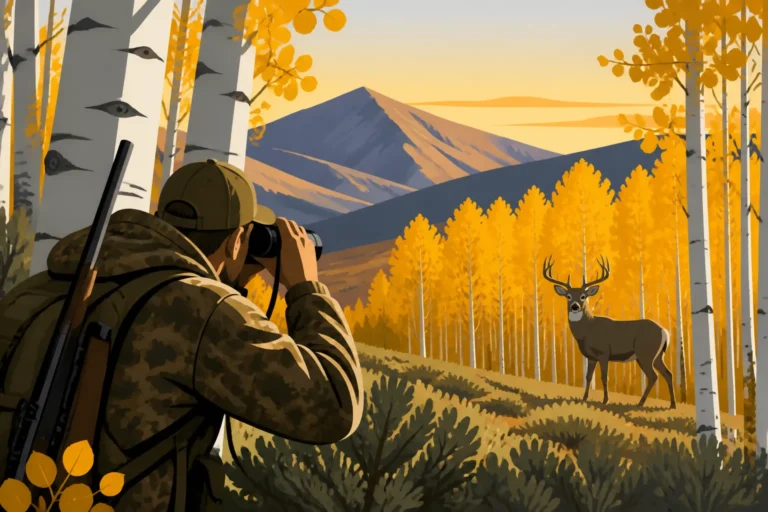
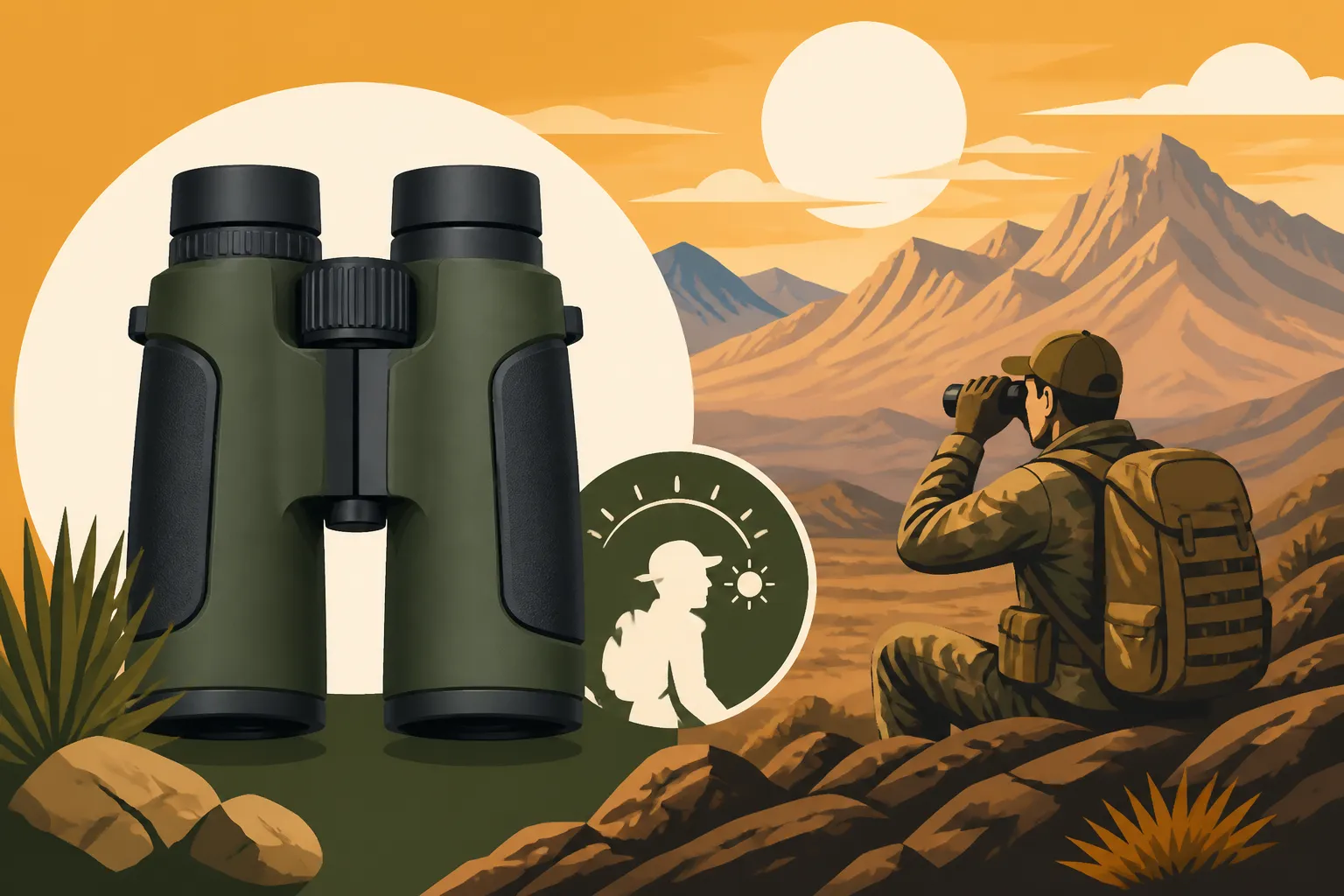
There’s nothing quite like the vast, open expanses of Nevada to put your hunting gear, and your body, to the ultimate test. Many of us have been there, lugging around binoculars that felt great in the store but quickly become a lead weight around our necks after a few hours of relentless glassing. This guide is here to help you navigate the tricky waters of binocular selection, ensuring you pick a size that delivers performance without turning your all-day hunting session into an all-day chiropractor appointment.
The Goldilocks Zone of Binocular Size for Nevada
When you're staring across miles of sagebrush flats or picking apart distant mountain faces in Nevada, your binoculars are arguably your most important tool. But the sheer variety of options out there can be paralyzing. Do you go big for maximum reach, or stay light for maximum mobility? The real trick is finding that "just right" balance—the Goldilocks Zone—that offers optimal optical performance without sacrificing comfort or making you dread reaching for them. It’s a delicate dance between magnification, light-gathering capability, and the simple reality of carrying the things all day long.
Understanding Magnification and Objective Lens Diameter
Binoculars are typically identified by two numbers, like "10×42" or "12×50." The first number, "10x" or "12x," refers to the magnification—how much closer the object appears. A 10x binocular makes an object appear 10 times closer than with the naked eye. The second number, "42" or "50," denotes the diameter of the objective lens in millimeters. This is the big lens at the front of the binoculars, and its size directly impacts how much light the binoculars can gather.
For Nevada's wide-open spaces, a higher magnification like 12x or even 15x can seem incredibly appealing, and for good reason. Being able to discern a deer's antler length or an elk's body size from a mile away can save you hours of unnecessary hiking. However, increasing magnification also narrows your field of view, making it harder to initially locate game, and amplifies any hand shake, making the image less stable. A larger objective lens, on the other hand, gathers more light, which is fantastic for those crucial dawn and dusk hours when game is most active. But, as you might guess, bigger lenses mean heavier and bulkier binoculars. So, while you might be tempted by a 15×56 for spotting mule deer across a massive basin, consider if you're willing to commit to the weight and the absolute necessity of a tripod that comes with it. Different species might also influence your choice; an elk might be easier to spot with a 10x at a certain distance than a more elusive mule deer.
Weight and Ergonomics: The All-Day Carry Factor
Let's be honest, hunting in Nevada is a marathon, not a sprint. You're often covering serious ground, hiking rugged terrain, and spending countless hours with optics glued to your face. Every ounce counts, and a binocular that feels light for five minutes can become a true burden after five hours. Neck strain, shoulder fatigue, and even hand cramps are common complaints from hunters who've chosen optics that are too heavy for their style of hunting or physical conditioning.
Ergonomics play a huge role too. How well do the binoculars fit your hands? Are the focus wheel and diopter adjustment easy to manipulate with gloves on? Can you comfortably hold them steady for extended periods? For many, an 8×42 or 10×42 binocular strikes a sweet spot for hand-held use, offering enough magnification for most scouting while remaining light enough for prolonged carry. When evaluating gear, online platforms and resources, like those offered by GoHunt, often emphasize the importance of balanced gear and firsthand reviews from hunters who put their equipment through the w wringer in similar conditions. They can offer insights into what truly works when you're preparing for Preparing Physically for Long Glassing Days across demanding landscapes. It's not just about the numbers; it's about how the binoculars feel and perform in your hands, mile after mile, throughout a long day in the field.
Beyond the Numbers: Practical Considerations for Nevada Hunts
While magnification and objective lens size are foundational, the harsh realities of Nevada hunting demand you look deeper. The perfect pair of binoculars isn't just about what you see through them; it's about how they stand up to the elements and integrate seamlessly into your overall hunting system. Specs on a product sheet are one thing, but how a piece of gear performs when the dust is flying, the sun is beating down, or a sudden squall rolls in, that's the real test.
Durability and Weather Resistance for Desert Conditions
Nevada's environment is notoriously tough on gear. From fine talcum-like dust that seems to get into everything, to extreme temperature swings between scorching days and freezing nights, and the occasional torrential downpour or unexpected snow flurry—your binoculars need to be built to withstand it all. This isn't a place where delicate instruments thrive. You need a robust construction that can handle accidental bumps and drops, because let's face it, they're going to happen when you're scrambling up a steep hill or traversing rocky volcanic terrain.
Look for binoculars that are fully waterproof and fog-proof, often achieved by O-ring seals and nitrogen or argon purging. This prevents internal fogging caused by rapid temperature changes, a common occurrence when moving from a cold truck cab to the warm desert air, or vice versa. Armored rubber coatings are also a huge plus, offering both protection from impacts and a secure, non-slip grip. Don't overlook the quality of lens coatings, which not only enhance light transmission and image clarity but also offer an extra layer of protection against scratches and environmental wear. Investing in durable, weather-resistant optics means you won't be sidelined by a sudden change in conditions, keeping your focus where it needs to be: on the hunt.
Harness Systems and Tripod Adaptability
Even the lightest binoculars feel heavy after hours around your neck. A quality binocular harness system is absolutely non-negotiable for serious Nevada hunters. A good harness distributes the weight across your shoulders and back, rather than solely on your neck, making it feel significantly lighter and reducing fatigue. More importantly, it keeps your binoculars secure against your chest, preventing them from flopping around, banging against rocks, or getting snagged on brush as you hike. This also means they're always quickly accessible the moment you spot something that warrants a closer look.
There are many styles of harnesses, from simple elastic straps to more elaborate chest packs with built-in pockets for rangefinders and calls. Brands like Kuiu and FHF Gear offer popular options known for their comfort and functionality. For those running higher magnification binoculars (12x and especially 15x or more), tripod adaptability is paramount. Trying to hold a 15x binocular steady freehand for long periods is an exercise in futility; you simply won't resolve the detail you need. A built-in tripod adapter port (usually a threaded hole on the front hinge) allows you to quickly mount your binoculars to a lightweight tripod. This transforms your viewing experience, providing rock-solid stability for extended glassing sessions. Many experienced hunters rely on this setup for Glassing Nevada's Basin and Range for Mule Deer, knowing that a steady image reveals far more than a shaky one. Scouting tools and unit breakdowns provided by services like GoHunt often highlight the terrain features of a unit, implicitly indicating where extensive tripod glassing will be an essential tactic.
Making Your Choice: Comparing Common Nevada Binocular Setups
Choosing the right binocular is a personal decision, heavily influenced by your hunting style, the specific terrain you'll encounter in Nevada, and your budget. To simplify things, let's break down the most common binocular configurations and where they shine—or fall short—in the challenging Nevada landscape. It's about matching the tool to the task, not just buying the biggest or most expensive option.
The 10×42: The All-Around Workhorse
The 10×42 binocular is often considered the most versatile and popular choice for general hunting. It strikes an excellent balance between magnification, light-gathering capability, and manageable size and weight.
- Pros: Lightweight and compact enough for comfortable all-day carry, even without a heavy-duty harness. The 10x magnification provides a good balance of reach and field of view, making it easy to locate game. The 42mm objective lens gathers sufficient light for most hunting conditions, extending your effective viewing time into dawn and dusk. They are generally more affordable than their higher-magnification counterparts.
- Cons: While 10x is good, it can sometimes feel a bit underpowered when trying to pick apart very distant terrain or discern fine details on a trophy animal several miles away in Nevada's vast basins. You might find yourself wishing for just a little more "reach."
- Best for: Mobile hunters who cover a lot of ground, general scouting, and those who prioritize quick target acquisition and ease of carry. They are perfect for those mid-day checks when you're Hunting Water in Nevada's Driest Country and need to quickly scan a distant spring or guzzler. If you’re often hiking into remote areas where every ounce in your pack counts, the 10×42 is a fantastic companion.
The 12×50: The Great Basin Sweet Spot
For many hunters serious about glassing in Nevada, the 12×50 has emerged as a truly formidable option, bridging the gap between portability and long-range performance.
- Pros: The 12x magnification provides a significant boost in reach compared to 10x, allowing for much more detailed inspection of distant animals and terrain. The 50mm objective lens gathers an impressive amount of light, often rivaling that of larger 56mm models in practical low-light situations, without the substantial increase in weight and bulk. Many hunters can still hand-hold a 12×50 for reasonable periods, though stability is enhanced with a rest. This size truly excels for Why Nevada Deer Hunting Is a Glassing Game, giving you the edge on those long sightlines.
- Cons: They are noticeably heavier and bulkier than 10x42s, which will be apparent on long hikes or strenuous stalks. Hand shake becomes more pronounced at 12x magnification, often necessitating a rest or light tripod for extended viewing. They can also be a bit pricier.
- Best for: Dedicated long-range glassing from relatively stationary positions, picking apart vast expanses for game, and for hunters who want maximum optical performance while still maintaining a degree of mobility. GoHunt's detailed unit statistics and scouting tools can help you identify units where the terrain truly calls for this extra magnification.
The 15×56: The Long-Range Specialist
When maximum reach and light-gathering are your absolute top priorities, especially for identifying trophy animals at extreme ranges, the 15×56 steps into the arena.
- Pros: Unmatched detail and resolution at extreme distances. The large 56mm objective lenses provide superior light gathering, making them exceptional for spotting game in the very first and last minutes of legal shooting light. When mounted on a tripod, the image is incredibly stable, allowing for hours of comfortable, fatigue-free glassing. This is the choice for serious Glassing Nevada's Basin and Range for Mule Deer from a fixed position.
- Cons: These are significantly heavier and bulkier than any other handheld option, making them impractical for freehand use and demanding a dedicated tripod. Their weight will necessitate careful packing and can make long hikes much more strenuous. They are also typically the most expensive. The field of view is narrower, requiring more patience to scan effectively.
- Best for: Hunters whose primary method is tripod-mounted glassing for extended periods, especially in truly wide-open units where game is often spotted miles away. Ideal for discerning antler points or horn mass on distant trophy animals. If your strategy involves setting up on a high point and covering ground with your eyes, not your feet, this is your tool.
Here's a quick comparison:
| Feature | 10×42 | 12×50 | 15×56 |
|---|---|---|---|
| Magnification | Good for most scenarios | Excellent for long distances | Superior for extreme distances |
| Light Gathering | Good | Very Good | Excellent |
| Weight/Bulk | Low | Moderate | High |
| Hand-Holdable? | Yes, easily | Yes, for shorter periods | No, tripod essential |
| Field of View | Wide | Moderate | Narrow |
| Best Nevada Use Case | Mobile hunting, scouting | Long-range glassing, fixed-spot | Extreme long-range trophy ID |
Maximizing Your Binocular Performance
Having the right binoculars is only half the battle; knowing how to use them effectively and care for them properly in Nevada's rugged environment is just as crucial. Even the most expensive optics can underperform if you're not employing good technique or neglecting their maintenance.
Proper Glassing Techniques for Open Country
The vastness of Nevada can be overwhelming, but effective glassing techniques can help you break down the landscape and find game that would otherwise go unnoticed. First and foremost, stability is key. If you're using 10x or 12x binoculars freehand, try to find a steady rest – your knee, a backpack, a fence post, or even the side of your truck can make a huge difference in reducing image shake. For anything 12x or higher, especially the 15×56, a sturdy tripod is non-negotiable. Mount your binoculars, adjust them to a comfortable height, and you'll immediately notice the increased clarity and detail.
Next, adopt a systematic approach. Don't just randomly scan the landscape. The Grid Glassing Method, Step by Step is a proven technique for thoroughly covering an area. Start at one end of a visible grid, slowly scan horizontally, then drop down slightly and scan back in the opposite direction. Be methodical and disciplined. Take frequent breaks to rest your eyes; staring through optics for hours can cause eye strain and fatigue, making you less effective. Remember, your eyes need to relax and refocus periodically to prevent you from missing subtle movements or shapes. Pay particular attention to terrain features that might hold animals, such as draws, shady slopes, and areas near water sources, especially during Best Time of Day to Glass a Basin.
Maintenance and Care in Rugged Environments
Nevada's desert environment is beautiful but unforgiving. Dust is perhaps the biggest enemy of your binocular lenses. Always carry a lens cleaning kit that includes a soft brush to remove dust particles before wiping with a micro-fiber cloth and lens cleaning fluid. Never wipe dry lenses, as dust can scratch the delicate coatings.
Beyond cleaning, protect your investment. Keep lens caps on when not actively glassing, and use your binocular harness's protective cover. When transporting them in your vehicle, especially on rough backcountry roads, keep them in a padded case or at least wrapped in a soft cloth to prevent bumps and vibrations from damaging the optics. While modern binoculars are built tough, extreme impacts can still knock prisms out of alignment, leading to a blurry or double image. Store them in a cool, dry place when not in use. Proper care ensures your binoculars will continue to perform flawlessly, helping you to Judge a Mule Deer Buck at Distance and make accurate calls in the field for many seasons to come.
Disclaimer
Hunting is an inherently dangerous activity. This guide provides general information and recommendations. Always consult the official Nevada Department of Wildlife (NDOW) regulations for the most current and specific rules and laws regarding hunting in Nevada. Safety should always be your top priority.