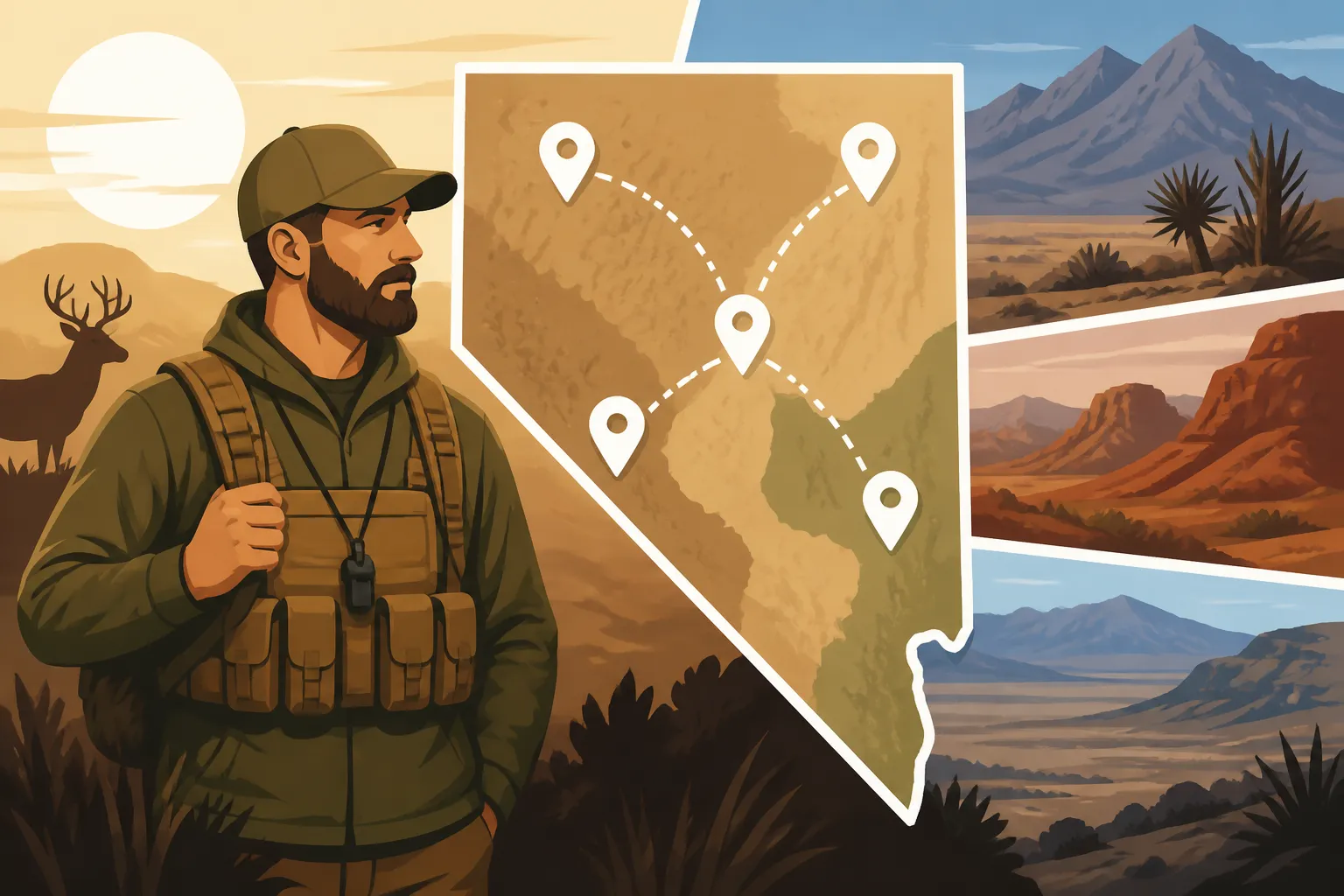
Can a Master Guide Work Anywhere in Nevada?
It's a common dream for many hunters to draw a coveted Nevada big game tag and then seek out an experienced guide to help make that dream a reality. But when you start looking into guide services, a question often pops up: can a "Master Guide" truly operate anywhere across this vast, wild state? The simple answer is, it's more nuanced than you might think, and understanding these distinctions is crucial for planning a successful and legal hunt. This guide will help you understand the layers of licensing and permitting that dictate where a Nevada master guide can legally take you, ensuring you know exactly what to look for when booking your next hunt.
Understanding Nevada's Guide Licensing Tiers
Nevada, like many states, has a tiered system for licensing hunting guides and outfitters. It’s not just a free-for-all; there are specific requirements and levels of certification. You might hear the terms "guide" and "master guide" thrown around, and while they both imply professional assistance in the field, there's a significant difference in what their state license allows them to do. This distinction is often the first hurdle many hunters encounter when trying to understand the scope of a guide's operations.
The Basic Nevada Guide License
At its most fundamental level, a guide in Nevada is an individual employed by an outfitter or a master guide to assist clients in the field. Think of them as the boots-on-the-ground support: spotting game, tracking, packing, and navigating the terrain. These guides operate under the umbrella and responsibility of a licensed outfitter or master guide. They don't typically run their own independent businesses or contracts directly with clients. Their scope is defined by who they work for and where that entity is permitted to operate. You'll find these individuals are often specialists in specific tasks or have deep knowledge of particular areas they frequently hunt.
What a Nevada Master Guide License Allows
Now, let's talk about the "Master Guide." This is the highest level of state licensure in Nevada for hunting operations. A Master Guide is essentially an outfitter. They can run their own business, contract directly with clients, and employ other guides to work for them. The title implies a higher level of experience, expertise, and responsibility in managing all aspects of a guided hunt. They are responsible for everything from pre-hunt scouting and logistics to the actual in-field experience and post-hunt care of game. How NDOW Licenses Guides and Outfitters is a great resource to dive deeper into the state's requirements.
However, the "master" in their title doesn't inherently mean they can legally operate on every single acre of Nevada's public land with just that state license. The state license grants them the authority to conduct business as a guide, but the actual where is determined by another critical layer of permitting, which we'll explore next.
The Critical Role of Federal Land Permits
Here's where the idea of a master guide working "anywhere" in Nevada really gets complicated. Nevada is unique in that a massive percentage of its land — over 80%, in fact — is managed by federal agencies. We're talking about vast stretches of Bureau of Land Management (BLM) property, National Forests, and National Wildlife Refuges. The state guide license, while absolutely necessary, is only the first piece of the puzzle. To legally operate on these federal lands, a guide or outfitter needs additional, specific permits from the managing federal agencies. This is a crucial step often overlooked by hunters new to Western states. Why Nevada Guides Need Federal Land Permits explains this in more detail.
BLM and Forest Service Special Use Permits
The bulk of Nevada's hunting opportunities lie on BLM and U.S. Forest Service lands. For a master guide to take clients hunting on these lands, they must acquire Special Recreation Permits (SRPs) from the relevant district offices of the BLM or Forest Service. These permits are not automatically granted and are often unit-specific or area-specific. A guide might have a permit for one BLM district but not another, or for a particular National Forest but not the adjacent one.
These permits are highly competitive, limited in number, and can take years to acquire. They often come with strict operating conditions, including limitations on client numbers, vehicle use, and even where camps can be established. This system is in place to manage resource impact, ensure fair access for all users, and prevent over-commercialization of public lands. So, while a master guide might have the state license, their actual "working area" is constrained by the federal permits they hold. You can often find a list of permitted outfitters for specific units or districts on the respective federal agency websites.
Joint Permits and Collaborative Efforts
In some cases, the Nevada Department of Wildlife (NDOW) and federal agencies like the BLM have collaborative agreements or "joint permits" that streamline the process for guides. These joint permits are designed to simplify the administrative burden when a guide needs both state licensure and federal authorization to operate. BLM Nevada Issues Joint Permits to Master Guides outlines how these partnerships work to ensure guides meet all regulatory requirements. However, even with joint permits, the fundamental principle remains: a guide's operational footprint is defined by the specific areas for which they hold federal authorization. This ensures that environmental stewardship and responsible public land use are always at the forefront.
Geographic Limitations and Unit Specializations
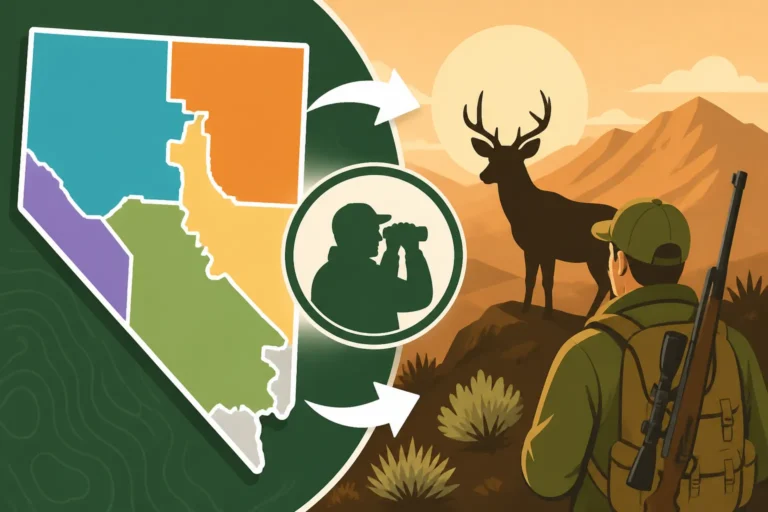
Because of the layered permitting system, even a Nevada Master Guide isn't truly authorized to work "anywhere." Their operational footprint is shaped by a combination of their acquired federal land permits, their own business model, and often, their personal expertise. This means hunters need to be diligent in verifying a guide's credentials for the specific area they plan to hunt.
Permits Are Often Area-Specific
Imagine a master guide based out of Elko, in northeastern Nevada. They might hold BLM and Forest Service permits for the Ruby Mountains or the Jarbidge Wilderness, areas known for their trophy elk and mule deer. They've likely invested years into acquiring these permits, building relationships with local land managers, and developing deep knowledge of these specific units. However, this same guide may not have permits to operate in the Spring Mountains near Las Vegas, or the Black Rock Desert in the northwest. Each federal land management district handles its own permits, creating distinct geographical zones of operation for guides.
This specialization is actually a benefit to hunters. It often means the guides operating in a particular unit have an intimate understanding of that terrain, game patterns, and local conditions. When you're spending good money on a guided hunt, you want someone who knows the area like the back of their hand, not someone who's just broadly licensed. When researching guides, check platforms like GoHunt for unit-specific information, which can help you align your hunt area with a guide's expertise.
Why Guides Specialize
Beyond the permit restrictions, many master guides choose to specialize in certain units or species. There's a practical reason for this: it's incredibly difficult to be an expert across all of Nevada's diverse landscapes and game populations. Some guides focus on Nevada Elk Rifle Hunts Stretch From October Into December in the northern ranges, while others might be experts in Spot and Stalk Antelope on Nevada's Open Flats down south. This specialization allows them to hone their skills, focus their scouting efforts, and provide a higher quality experience for their clients.
It's similar to how an electrician might specialize in residential wiring versus industrial systems – both are electricians, but their expertise and certifications for certain jobs differ. For a hunter, this means looking for a guide whose specific expertise and permits align perfectly with the unit and species you've drawn or are hoping to draw.
What This Means for Hunters Seeking a Guide
For you, the hunter, this multi-layered system of licensing and permitting means doing your homework is absolutely essential before booking any guided hunt in Nevada. Don't just assume a "Master Guide" can operate wherever you want to go. A little due diligence upfront can save you a lot of headache and potential disappointment down the road.
Vetting a Guide's Credentials
Before you send any deposit, always ask a potential guide for proof of their Nevada Master Guide license AND their federal land permits for the specific unit(s) you plan to hunt. Reputable guides will be transparent and happy to provide this information. You can often cross-reference their state license number with NDOW and, if necessary, check with the local BLM or Forest Service office to verify their federal permits for that particular area. Verifying a Nevada Guide License is a crucial step in this process.
Here's a quick checklist to help you verify:
| Credential Type | Issuing Authority | What to Verify |
|---|---|---|
| State Guide License | Nevada Department of Wildlife | Current, active Master Guide license |
| Federal Land Permit | BLM or U.S. Forest Service | Valid for the specific hunt unit/area |
| Insurance | Private Carrier | Adequate liability coverage |
| References | Past Clients | Check for consistent positive experiences |
Asking the Right Questions
When you're talking to a potential guide, don't be afraid to ask direct questions about their operational scope.
- "What specific units or areas are you permitted to guide in for [species]?"
- "Can you provide your Nevada Master Guide license number and proof of your federal land permits for Unit X?"
- "How long have you been guiding in this particular unit?"
- "What is your success rate in this unit for clients like me?"
These questions not only help you verify their legality but also give you insight into their experience and honesty. Platforms like BookYourHunt often list guides with their general areas of operation, but it's always your responsibility to confirm the specific permits for your hunt location. Remember, a guide might be legally allowed to operate in a vast region, but their true expertise and success often come from specializing in smaller, more familiar areas. Ultimately, choosing the right guide means finding someone who is not only legally permitted but also intimately familiar with the specific slice of Nevada where you plan to pursue your quarry. Questions to Ask a Nevada Outfitter provides even more detailed advice on vetting.
Disclaimer
This article is for general informational purposes only and does not constitute professional advice. Laws, prices and regulations vary by location and change over time. Consult a qualified professional for guidance on your specific situation.