How NDOW Licenses Hunting Guides
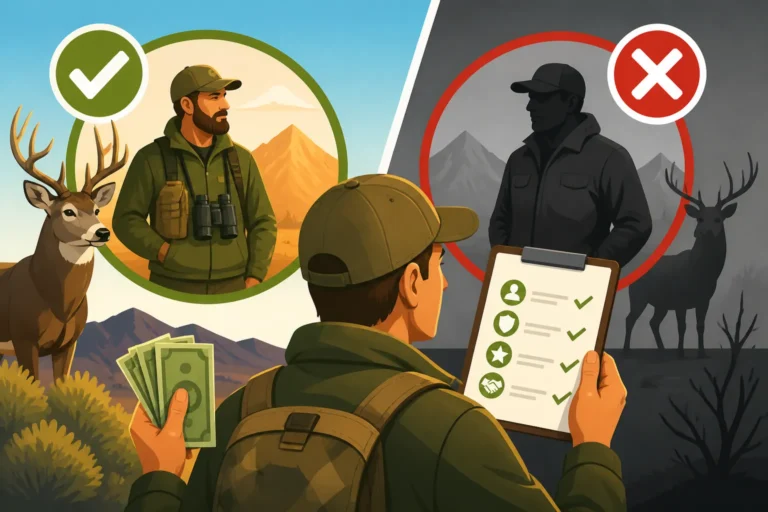
It can feel like a maze out there, trying to figure out who's truly legitimate when you're planning a big game hunt in Nevada. You dream of that once-in-a-lifetime elk or deer tag, and hiring a guide seems like the logical next step, but how do you really know if the person you're trusting with your hard-earned money and precious tag is operating on the up and up? This guide is here to untangle that process, explaining precisely how the Nevada Department of Wildlife (NDOW) licenses hunting guides, what that license actually means, and how you, as a hunter, can verify a guide's credentials to ensure a safe, ethical, and legal hunting experience.
Understanding the Nevada Guide Licensing Process
Embarking on a guided hunt in Nevada, especially for those highly coveted tags, is a significant investment in time, money, and emotional energy. The last thing any hunter wants is to arrive in camp only to discover their guide isn't properly licensed or doesn't have the necessary permits to operate on public lands. This isn't just about avoiding a bad experience; it's about safeguarding yourself from legal issues and ensuring your hunt contributes positively to wildlife conservation. Understanding the licensing process is your first line of defense.
Why Licensing Matters for Hunters and Guides Alike
For hunters, a guide's license is more than just a piece of paper; it's a fundamental layer of trust and accountability. It signifies that the individual has met specific state requirements, often including background checks, safety training, and demonstrating a certain level of competency. When you pay for a guided hunt, you're investing in expertise, local knowledge, and logistical support. Without proper licensing, there's no official oversight, no clear recourse if things go sideways, and a higher risk of encountering unethical or even illegal practices. It protects you, the client, from unscrupulous operators who might cut corners or operate outside the law, potentially jeopardizing your tag or even leading to fines.
From the guide's perspective, being properly licensed is a badge of professionalism and a legal necessity. Operating without a license can lead to severe penalties, including fines, loss of equipment, and even jail time. It also damages the reputation of legitimate guides who invest heavily in their businesses, insurance, and permits. A licensed guide typically carries liability insurance, which offers a layer of protection for both the guide and their clients in the event of an accident. It also ensures they understand and adhere to state regulations, promoting ethical hunting practices that benefit wildlife populations and habitat in the long run.
The Role of the Nevada Department of Wildlife NDOW
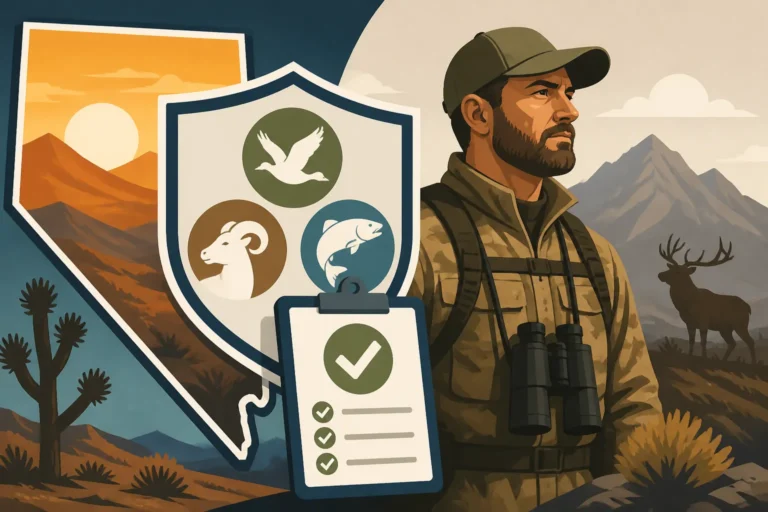
The Nevada Department of Wildlife (NDOW) is the primary state agency responsible for managing Nevada's diverse wildlife resources and enforcing hunting and fishing regulations. When it comes to hunting guides, NDOW is the issuing authority for state guide licenses. Their role is comprehensive: they establish the criteria for licensure, process applications, conduct examinations, and, crucially, enforce the regulations governing guide operations. This means they are the gatekeepers, ensuring that anyone offering paid guiding services in Nevada meets a baseline standard of knowledge, safety, and ethical conduct.
NDOW doesn't just issue licenses; they also maintain records of licensed guides, investigate complaints, and can revoke or suspend licenses for violations. This oversight is critical for maintaining public trust in the guiding industry and for protecting Nevada's wildlife. They dictate everything from the application forms to the types of insurance required, and even specific experience levels. For any hunter looking to verify a guide, NDOW's official channels are the definitive source. Understanding How NDOW Licenses Guides and Outfitters is a foundational step for any hunter looking to hire one.
Key Licensing Categories
In Nevada, the guide licensing structure typically distinguishes between a "Guide" and a "Master Guide." While both require rigorous vetting, a Master Guide often has additional experience and, crucially, can operate independently, employing other guides under their umbrella. A standard "Guide" typically operates under the supervision of a Master Guide or outfitter.
- Guide: An individual who assists a hunter in the field, providing services like tracking, calling, packing, or general assistance, usually under the direct supervision or employment of a Master Guide or outfitter. They must meet specific experience, safety, and background requirements set by NDOW.
- Master Guide: An individual who is authorized to conduct guiding services independently, employ other guides, and offer a full range of outfitting services. This license often requires more extensive experience, a higher level of financial responsibility (like a surety bond), and a more comprehensive understanding of state regulations and business operations. Think of the Master Guide as the primary license holder, responsible for the entire operation, while a regular Guide is an employee working for them. Nevada Master Guides May Work the Whole State outlines some of their broad permissions.
The distinction is important because while you might interact with a "Guide" in the field, the ultimate legal and ethical responsibility often rests with the "Master Guide" or outfitter who holds the primary operating license. Always inquire about both the individual guide's credentials and the outfitter's Master Guide license.
Step-by-Step: How NDOW Issues a Guide License
The process for a guide to become licensed in Nevada is designed to be thorough, ensuring that only qualified individuals are entrusted with leading hunters in the state's rugged and expansive landscapes. It's not a simple online form; it involves several critical steps that demonstrate competency, responsibility, and adherence to legal standards.
Application Requirements
Before anyone can even think about putting "Nevada Hunting Guide" on a business card, they must satisfy a long list of application requirements set forth by NDOW. This isn't just about filling out a form; it's about providing concrete proof of qualifications. Typically, this includes a detailed application form, personal references, and a clean criminal background check, which is paramount for public safety and trust. Guides must also provide evidence of significant experience in hunting the species they intend to guide, often measured in years or successful hunts. This ensures they have practical, on-the-ground knowledge that goes beyond textbook learning.
Beyond personal history and experience, NDOW requires guides to hold specific certifications crucial for safety in remote environments. This commonly includes current certifications in CPR (Cardiopulmonary Resuscitation) and First Aid, reflecting the reality that many hunts occur far from immediate medical assistance. Some licenses, particularly for Master Guides, may also demand proof of a surety bond, which acts as a financial guarantee protecting clients against fraud or breach of contract. This financial commitment ensures a level of accountability and responsibility, demonstrating that the guide is serious about their business and client welfare.
Examinations and Vetting
Once the initial paperwork and certifications are submitted, the vetting process intensifies. NDOW typically requires applicants to pass a comprehensive examination. This isn't just a basic quiz; it's designed to test a guide's deep knowledge of Nevada's hunting regulations, including season dates, legal methods of take, tagging requirements, ethical hunting practices, and unit boundaries. Imagine getting a deer tag for a specific unit and your guide isn't sure of the exact boundary line—that could spell disaster! The exam ensures they know the letter of the law and can apply it practically in the field.
In addition to written examinations, some applicants, especially Master Guides, might undergo an interview process. This allows NDOW personnel to assess their communication skills, problem-solving abilities, and overall demeanor, which are all critical attributes for a professional guide. NDOW also conducts thorough checks with law enforcement agencies and reviews the applicant's past hunting and fishing records to identify any violations or patterns of unethical behavior. This comprehensive vetting process is what gives a hunter confidence that a licensed guide has been thoroughly scrutinized.
Financial and Insurance Obligations
Running a legitimate guiding operation in Nevada involves substantial financial and insurance obligations, particularly for Master Guides who are running their own businesses. These requirements are in place to protect both the client and the guide, and to ensure that guides are operating as serious, responsible businesses. A key requirement is typically a commercial liability insurance policy. This insurance protects clients in case of an accident or injury during the hunt, which is a very real possibility in the rugged terrain and unpredictable conditions of Nevada's backcountry. Imagine slipping on loose scree while packing out a mule deer; the guide's insurance can cover potential medical expenses or other liabilities.
Furthermore, Master Guides are often required to post a surety bond. This bond is a financial guarantee that the guide will fulfill their contractual obligations to clients. If a guide takes a client's deposit and then fails to provide the promised services, the bond can be used to reimburse the client. This offers a critical layer of financial protection for hunters who are often putting down substantial deposits, sometimes a year or more in advance, for their dream hunt. These financial stipulations underscore the seriousness of operating as a licensed guide and serve as a significant deterrent to fly-by-night operators.
Maintaining a Nevada Guide License and What to Look For
Obtaining a guide license in Nevada is just the beginning; maintaining it requires ongoing effort, adherence to regulations, and often, additional federal permits. For hunters, knowing these requirements helps you distinguish a truly legitimate, prepared guide from someone who might be cutting corners.
Renewal Processes and Continuing Education
A Nevada guide license isn't a "set it and forget it" kind of deal. Licenses have expiration dates and must be renewed regularly, typically on an annual or biennial basis. This renewal process usually involves resubmitting updated information, confirming that all insurance policies and bonds are still active, and often paying a renewal fee. It's a continuous check to ensure guides remain compliant with all state requirements. Some guides may also participate in continuing education programs, even if not explicitly mandated, to stay current on wildlife management practices, evolving regulations, or new safety protocols. This commitment to ongoing learning shows a guide's dedication to their profession.
The renewal process also provides NDOW with another opportunity to review a guide's record. Any violations, client complaints, or changes in legal status could affect their ability to renew their license. For you, the hunter, this means that a guide with a currently valid license has recently passed NDOW's scrutiny. When you're searching for a guide, perhaps through platforms like BookYourHunt or asking for recommendations on GoHunt, always confirm their license's expiration date, not just that they once had one.
Federal Land Permits
Here's a crucial point many hunters and even some aspiring guides overlook: a state guide license from NDOW is not the only permit a guide needs to operate legally in Nevada. The vast majority of Nevada's prime hunting grounds are federal lands, managed by agencies like the Bureau of Land Management (BLM) and the U.S. Forest Service (USFS). To conduct commercial guiding activities on these federal lands, a guide or outfitter must also possess special use permits from the relevant federal agency. This is critical because a guide with only a state license but no federal permit cannot legally guide on most of the public land you'll want to hunt.
These federal permits are unit-specific and often quota-limited, meaning there's only a certain number of outfitters allowed to operate in a given area. Obtaining them is a competitive and often lengthy process. Therefore, when you're interviewing a potential guide, always ask about their federal land permits for the specific hunt unit you're targeting. A reputable guide will be transparent about their permits and be able to show proof. NDOW cannot grant permission for guides to use federal land; that comes directly from the federal land management agencies. This dual-licensing requirement is a unique aspect of hunting in the West and Nevada Guides Need Federal Permits on Top of a State License is a must-read for anyone hiring a guide here.
How Hunters Can Verify a Guide's License
As a hunter, taking the initiative to verify your guide's credentials is one of the smartest things you can do. It’s surprisingly simple and can save you a world of trouble. The most direct way to check if a guide or outfitter is currently licensed is to contact the Nevada Department of Wildlife directly. NDOW maintains a public record of all currently licensed guides and outfitters. They can usually confirm the license status, the type of license (Guide or Master Guide), and its expiration date. Don't rely solely on what's printed on a business card or stated on a website; take the extra step to confirm with the source.
You can often find contact information for NDOW's licensing division on their official website. When you call or email, be prepared to provide the guide's full name or the outfitter's business name. This verification process should extend to their federal permits as well. For federal land permits, you'll need to contact the specific BLM or USFS district office that manages the unit you plan to hunt. A quick phone call can confirm if the outfitter holds a valid special use permit for that area. This diligence helps you avoid the severe headache of showing up for a hunt with an unlicensed or improperly permitted guide. Verifying a Nevada Guide License is not just good practice, it’s essential.
The Importance of Vetting Your Guide Beyond the License
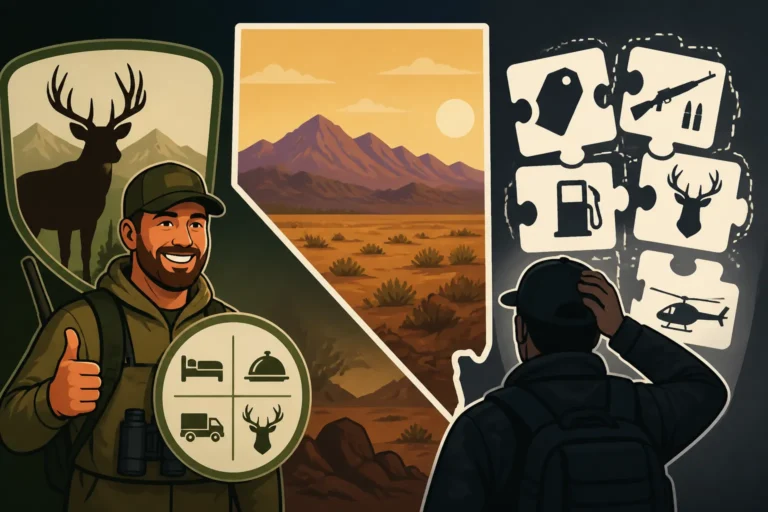
While a valid NDOW license and federal land permits are non-negotiable foundations, they only tell part of the story. A piece of paper confirms legal operation, but it doesn't guarantee a good hunt, a positive experience, or even a guide whose personality meshes with yours. Thorough vetting goes beyond compliance; it's about finding the right partner for your adventure.
Beyond the Paperwork: What a License Doesn't Tell You
A license confirms that a guide has met the minimum legal and safety standards, but it doesn't quantify their actual hunting skill, local knowledge, or client satisfaction. It won't tell you if they truly understand the nuances of Hunting Water in Nevada's Driest Country or how to best approach Spot and Stalk Antelope on Nevada's Open Flats. A license doesn't reflect years of experience glassing a specific basin, the ability to call in a bull elk, or the patience to work with a less experienced hunter. It also doesn't speak to their personality, their communication style, or their commitment to making your hunt enjoyable and successful, regardless of whether you harvest an animal.
Furthermore, a license doesn't reveal their specific expertise with your target species or chosen weapon. Some guides excel at archery hunts, while others are rifle specialists. Some are masters of mule deer, while others shine on elk or bighorn sheep. It's crucial to find a guide whose specific strengths align with your hunting goals and preferences. This is where personal referrals, detailed conversations, and checking references become invaluable.
Asking the Right Questions
When you're speaking with a potential guide, think of it as an interview. You're hiring them for a significant service. Don't be shy about asking direct, probing questions. Start with the basics: "What units do you primarily guide in?" and "How many years have you guided in those specific units?" Ask about their success rates for your target species and weapon type, but also ask about what they consider a "successful" hunt beyond just killing an animal. Inquire about the typical physical demands of the hunt, the accommodations, the food, and the guide-to-hunter ratio.
Dig into the logistics: "What happens if the weather turns bad?" or "How do you handle game care in the field, especially in warm weather?" Crucially, ask for references—ideally, clients who have hunted with them in the last year or two, and specifically those who didn't harvest an animal. How a guide handles a tough hunt, or how they treat clients who don't fill their tag, often speaks volumes about their character and professionalism. Questions to Ask a Nevada Outfitter covers this in much more detail.
Red Flags to Watch Out For
While most Nevada guides are ethical professionals, it's wise to be aware of potential red flags. The most obvious, of course, is a guide who cannot or will not provide proof of their current NDOW license and relevant federal land permits. If they brush off your questions about licensing or offer vague answers, that's a huge warning sign. Another red flag is a guide who guarantees a kill. Ethical hunting involves too many variables for guarantees; any guide making such promises is either unrealistic or might be engaging in unethical practices.
Be wary of guides who ask for an unusually large upfront cash payment without a clear contract or cancellation policy. While deposits are standard, the terms should be transparent. Also, pay attention to their communication style. Are they responsive, clear, and professional? Or do they seem evasive, hurried, or unprofessional? Check online reviews, but also consider the source—not all online reviews are trustworthy. If reviews are overwhelmingly negative or suspiciously perfect, it's worth further investigation. Recognizing Red Flags When Booking a Guided Hunt can save you from a truly disappointing and potentially costly experience.
| Verification Item | Why It Matters | Where to Verify (Starting Points) |
|---|---|---|
| NDOW Guide License | Legal operation, basic competency, accountability | Nevada Department of Wildlife (NDOW) official website or direct phone call to licensing division |
| Federal Land Permits | Legal access to public hunting land (most of Nevada) | Specific BLM Field Office or USFS Ranger District for the hunt unit |
| Liability Insurance | Protection for clients in case of accidents/injuries | Request a Certificate of Insurance from the guide/outfitter |
| Surety Bond (Master Guides) | Financial protection against breach of contract | NDOW licensing division or the guide/outfitter directly (they should be able to provide proof) |
| References | Real-world client experiences, guide's reputation, style | Provided by the guide (aim for recent clients, including those who didn't harvest) |
| Hunting Experience/Expertise | Specific knowledge for your target species/weapon/unit | Direct conversation with guide, asking about past hunts, strategies, and knowledge of Reading a Nevada Hunt Unit Before You Apply |
| Contract & Policies | Clarifies services, costs, cancellation, responsibilities | Carefully read and understand the written agreement before paying any deposit |
Disclaimer
This article is for general informational purposes only and does not constitute professional advice. Laws, prices and regulations vary by location and change over time. Consult a qualified professional for guidance on your specific situation.