Why Nevada Guides Need Federal Land Permits
Navigating the world of hunting guides in Nevada can feel like deciphering a cryptic map, especially when you start to uncover the layers of permissions and licenses they need to operate. Many hunters, eager to book their dream elk or mule deer hunt, assume a state guide license is all that's required. However, the vast expanse of Nevada's public lands introduces a crucial additional hurdle: federal land permits. This guide will help you understand why your Nevada hunting guide needs federal permits and what that means for your hunt planning.
The Foundation: State Licensing for Guides
Before a guide can even think about leading a client onto the vast public lands that dominate Nevada, they absolutely must be licensed by the state. This isn't just a formality; it's the first critical layer of regulation designed to ensure a minimum standard of professionalism and accountability for anyone charging money to take hunters afield. Without a valid state license, no guide can legally operate in Nevada, regardless of their intentions or experience.
NDOW's Role in Regulating Guides
The Nevada Department of Wildlife (NDOW) is the primary state agency responsible for overseeing hunting and fishing activities, and that includes the licensing of guides and outfitters. Think of NDOW as the gatekeeper for who can legally offer commercial hunting services. They establish the requirements, review applications, and issue licenses based on a strict set of criteria that aims to protect both the wildlife resource and the paying client. This process ensures that guides meet certain standards, possess necessary skills, and are accountable to a state authority. You can learn more about this by reading How NDOW Licenses Guides and Outfitters. Their role is vital in maintaining the integrity of hunting services across the state.
Different Levels of Nevada Guide Licenses
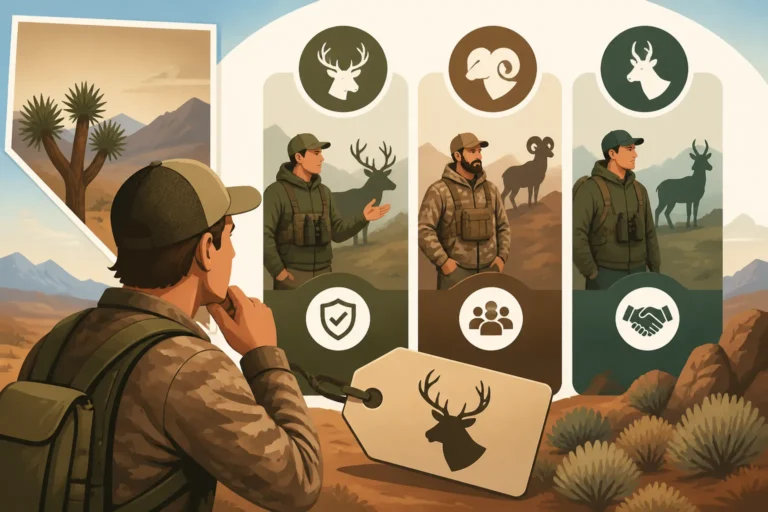
Nevada actually has a couple of tiers when it comes to guiding licenses, though most hunters will primarily interact with individuals operating under the most comprehensive designation. The main distinction often lies between a regular guide and a master guide. A master guide typically has broader authority, often able to operate across multiple units and potentially supervise other guides. This level of licensing signifies a deeper commitment and usually a longer history of operating within the state's regulations. Hunters should always verify the type of license their prospective guide holds and understand what that license permits them to do. A seasoned master guide might offer more flexibility in trip planning or unit choices than someone with a more limited license. It's worth asking What a Nevada Master Guide License Allows when you're vetting potential outfitters.
Stepping onto Federal Ground: Why Permits Are Necessary
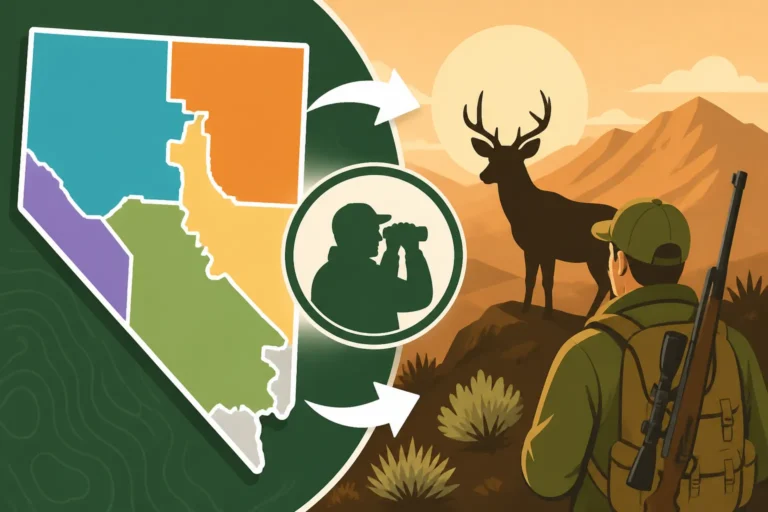
Here's where things get a bit more complex, and where many hunters (and sometimes even new guides) can get tripped up. Nevada is, after all, the most federally owned state in the Lower 48, with an enormous percentage of its landscape managed by various federal agencies. This means that a state license, while absolutely essential, isn't enough on its own if the hunt takes place on these federal lands. A guide needs specific permission from the federal land managers to conduct commercial operations there.
Vast Federal Ownership in Nevada
It's hard to overstate just how much of Nevada is public land, specifically federal land. We're talking millions upon millions of acres managed by agencies like the Bureau of Land Management (BLM) and the U.S. Forest Service (USFS). For context, if you're hunting mule deer in the vast sagebrush basins or chasing elk in the high mountain ranges, there's an overwhelming probability you'll be on federal land. How Much of Nevada Is Public Land is a concept that truly dictates the logistics of hunting across the state. This vast ownership means that any guide looking to offer commercial services has to interact with federal regulations just as much, if not more, than state regulations. The sheer scale of these lands necessitates a structured approach to managing commercial use.
Protecting Public Resources and Experiences
The federal government's motivation for requiring these permits isn't just bureaucratic red tape. It's fundamentally about stewardship. Federal land management agencies have a mandate to protect natural resources, wildlife habitat, and the overall recreational experience for all users—not just paying clients of a guide. By issuing permits, they can regulate the number of commercial operations in a given area, ensure sustainable use, and mitigate potential impacts. For example, too many guided hunts in a sensitive elk calving area could disrupt the herd, or too much vehicle traffic could damage fragile desert ecosystems. Permits allow these agencies to manage access and impact, ensuring that the land remains healthy and accessible for generations to come.
Avoiding Unauthorized Commercial Activity
Without federal permits, any guide operating on federal land would essentially be conducting unauthorized commercial activity. This is not only illegal but also unfair to those guides who do go through the rigorous process of obtaining permits. It levels the playing field, ensuring that everyone playing by the rules has a fair shot. For hunters, booking with an unpermitted guide could lead to serious problems, including having your hunt stopped by a federal agent, potential fines for both the guide and the client, and an overall ruined experience. It's a risk simply not worth taking. This is why it's so important for hunters to understand Which Federal Permits a Nevada Guide Needs.
The Dual Layer: Understanding Federal Land Management Agencies
Because different federal agencies manage different types of public land, a guide operating across varied Nevada landscapes might need permits from more than one entity. Each agency has its own mission, regulations, and permitting process, creating a layered system that guides must navigate.
Bureau of Land Management (BLM) and Its Reach
The BLM manages the lion's share of Nevada's public lands, particularly the vast open sagebrush country, desert valleys, and lower-elevation mountain ranges. Much of the state's mule deer and antelope hunting, and a good portion of its elk opportunities, take place on BLM ground. For this reason, many Nevada guides will primarily hold Special Recreation Permits (SRPs) from the BLM. These permits allow them to conduct commercial guiding operations within specific BLM field offices or resource areas. The sheer BLM Acreage Across Nevada means that a guide who doesn't have a solid understanding of BLM permitting is severely limited in where they can legally take clients. The BLM permits are crucial for navigating the majority of Nevada's accessible hunting grounds.
US Forest Service (USFS) and National Forests
While the BLM covers the majority of the lower, drier lands, the U.S. Forest Service manages Nevada's national forests, like the Humboldt-Toiyabe. These are the higher-elevation, often timbered, mountainous areas that provide critical habitat for elk, mountain goats, and some mule deer. If a guide plans to hunt in areas like the Ruby Mountains, the Jarbidge Wilderness, or the Schell Creek Range, they will need a special use permit from the USFS. These permits are tailored to the specific forest or ranger district and can come with their own unique stipulations regarding group size, camping, and environmental protection. Guides who operate in these prime high-country locations need to understand the nuances of USFS permits, which often differ significantly from BLM requirements. National Forest Ground in Nevada offers different challenges and opportunities than the open desert, and permits reflect that.
Other Federal Jurisdictions and Their Rules
Beyond the BLM and USFS, there are other federal landholders that might come into play for specialized hunts. National Wildlife Refuges (NWRs), for example, are managed by the U.S. Fish and Wildlife Service, and they have very specific, often more restrictive, rules regarding hunting and commercial use. While some refuges may allow hunting, commercial guiding operations might be heavily limited or outright prohibited. Similarly, lands managed by the National Park Service (e.g., Great Basin National Park) generally prohibit hunting altogether, let alone commercial guiding. Guides must be meticulously aware of the boundaries of these various jurisdictions to ensure they are always operating within legal parameters and avoid inadvertently trespassing or violating specific refuge regulations.
| Federal Agency | Primary Land Type in Nevada | Permit Name (Common) | Key Focus of Permits |
|---|---|---|---|
| BLM | Vast open sagebrush, desert | Special Recreation Permit | Resource protection, public access, sustainable commercial use |
| US Forest Service | Mountainous, timbered areas | Special Use Permit | Ecosystem health, recreation management, wilderness preservation |
| US Fish & Wildlife Service | National Wildlife Refuges | Special Use Permit (if applicable) | Wildlife conservation, habitat protection |
The Application Maze: How Guides Secure Federal Permits
Securing federal land permits is rarely a simple, one-and-done transaction. It's a multi-step process that often involves extensive paperwork, detailed planning, and sometimes, a competitive allocation system. This bureaucratic dance is a necessary part of ensuring responsible commercial use of public lands.
The Special Recreation Permit Process
For most outfitters operating on BLM or USFS lands, the journey begins with applying for a Special Recreation Permit (SRP) or a Special Use Permit, respectively. This isn't just a form; it's a comprehensive application that requires the guide to detail their proposed activities, including the specific units or areas they intend to operate in, the species they'll hunt, the number of clients, their insurance coverage, and their safety protocols. They often have to provide proof of their state guide license, first aid certifications, and a business plan. Agencies review these applications to ensure the proposed activities align with land management plans and won't cause undue impact. The process can be lengthy, requiring patience and meticulous attention to detail from the applicant.
Joint Permits and Interagency Coordination
Nevada's landscape doesn't always adhere to neat administrative boundaries. A single mountain range might have BLM land at its base and USFS land at its higher elevations. In such cases, a guide might need to pursue joint permits or coordinate with multiple agencies. This means filling out applications for both the BLM and the USFS, ensuring their operating plans are consistent, and often maintaining separate, but complementary, sets of permit conditions. How BLM Nevada Issues Joint Permits is a good example of this kind of coordination. This interagency coordination is vital for guides who hunt transition zones or areas with mixed ownership, ensuring seamless operations across different federal jurisdictions and preventing gaps in their legal authorization.
District Offices and Local Requirements
Federal land management is decentralized, meaning that specific requirements and even the availability of permits can vary significantly from one district office to another. A guide operating out of Ely might deal with different BLM regulations or permit availability than a guide based in Winnemucca or Battle Mountain. These local offices understand the unique ecological and recreational pressures of their specific areas and tailor their permitting processes accordingly. Guides must build relationships with these local district personnel, stay informed about local planning efforts, and adhere to specific conditions that might be unique to a particular canyon or mountain range. It's not a one-size-fits-all system; local knowledge is key for successful permitting.
Benefits and Responsibilities: What Federal Permits Entail
Holding a federal land permit isn't just a license to operate; it's a privilege that comes with significant responsibilities. These permits bind guides to a set of standards that ultimately benefit the land, the wildlife, and the hunting public.
Operating Legally and Ethically
The most immediate benefit of a federal permit is the ability to operate legally. This means a guide isn't constantly looking over their shoulder, worrying about running afoul of federal law. It provides peace of mind for both the guide and their clients, knowing that their hunt is fully authorized. Beyond legality, permits often instill a framework for ethical operation. Permitted guides are expected to uphold higher standards of conduct, practice Leave No Trace principles, and minimize their impact on the environment. This commitment to ethical behavior is a cornerstone of responsible guiding on public lands. For hunters, knowing their guide is permitted means they are supporting a business that respects the land and its rules, contributing to the long-term sustainability of hunting.
Adhering to Permit Stipulations
Federal permits come with a long list of stipulations, and adherence to these is non-negotiable. These stipulations can include limits on group size, designated camping areas, restrictions on motorized vehicle use, requirements for waste disposal, and reporting obligations after a hunt. For instance, a permit might specify that a guide can only operate in certain areas during specific times of the year to protect sensitive wildlife or prevent overcrowding. Motorized Travel Rules on Nevada Public Land are often explicitly detailed within these permits. Guides are responsible for understanding every detail of their permit and ensuring their clients and staff comply with all conditions. Failure to adhere to these stipulations can result in fines, suspension, or even revocation of their permit, putting their entire business at risk.
Maintaining Insurance and Safety Standards
Federal agencies typically require permitted guides to carry substantial liability insurance. This isn't just about protecting the guide's business; it's about protecting the public and the federal government in case of an accident or incident on public lands. This financial safeguard adds another layer of security for hunters. Furthermore, permits often implicitly or explicitly require guides to maintain high safety standards. This includes having adequate first aid training, proper equipment, and emergency preparedness plans. When you book with a permitted guide, you can generally have greater confidence that they have been vetted for these crucial aspects of a wilderness experience. It's part of the comprehensive package of professionalism that these permits represent, offering assurance to hunters planning a trip like What a Fully Guided Nevada Elk Hunt Includes.
Choosing a Permitted Guide: What Hunters Should Look For
As a hunter, your due diligence in selecting a guide is paramount, and verifying their federal permits should be high on your checklist. It's not just about finding a good hunter; it's about finding a legitimate, responsible, and legally operating business.
Verifying a Guide's Credentials
Never take a guide's word for it alone. Always ask for proof of both their state and federal permits. Reputable guides will be transparent and happy to provide this information. For state licenses, you can often verify them through the NDOW website or by contacting the department directly. For federal permits, guides should be able to show you a copy of their Special Recreation Permit or Special Use Permit, clearly stating the agency (BLM, USFS), the permitted area, and the validity dates. Verifying a Nevada Guide License is a crucial step that every hunter should take. Don't be shy about asking to see these documents; it’s your right as a potential client. If a guide hesitates or deflects, consider it a significant red flag.
Questions to Ask About Federal Permits
When you're interviewing potential guides, dig deeper than just success rates and trophy photos. Ask specific questions about their permits:
- "What specific federal agency permits do you hold for the units we'd be hunting?"
- "Can you show me a copy of your current BLM or Forest Service permit?"
- "Are there any specific restrictions or stipulations on your federal permit that I should be aware of, regarding vehicle use or camp locations, for example?"
- "How long have you held federal permits for these areas?"
- "What is your history with permit compliance?"
These questions demonstrate you're an informed hunter, and they force the guide to be forthright about their operational legitimacy. Don't underestimate the power of asking Questions to Ask a Nevada Outfitter to ensure you're making an informed decision.
Resources for Finding Legitimate Outfitters
There are excellent resources available to help you find guides who are operating legitimately and hold all the necessary permits. Online platforms specializing in hunting trips, like BookYourHunt, often pre-vet outfitters for licensing and permitting, offering an added layer of assurance. Reputable hunting media companies and services, such as GoHunt, also frequently compile lists of trusted outfitters or provide advice on how to research them. These platforms recognize the importance of legal operation and aim to connect hunters with legitimate businesses. Additionally, state wildlife agencies sometimes have lists of licensed guides, and federal land agencies might be able to confirm if a specific outfitter holds a permit for their jurisdiction. Use these resources to make sure you're booking a hunt that's not only successful but also fully legal and responsible.
Disclaimer
This article is for general informational purposes only and does not constitute professional advice. Laws, prices and regulations vary by location and change over time. Consult a qualified professional for guidance on your specific situation.