Spot and Stalk Antelope on Nevada’s Open Flats
The vast, open landscapes of Nevada can be incredibly intimidating, even for seasoned hunters. You've heard the stories: antelope spotting you from a mile away, then disappearing over the horizon before you can even get your binoculars up. It’s frustrating when you’ve put in the time, drawn a coveted tag, and feel like the elusive speedsters of the sagebrush are always one step ahead. This guide is here to break down the highly effective, yet often challenging, spot and stalk method for pronghorn in Nevada, helping you turn those distant specks into a successful harvest.
Understanding Nevada's Antelope Country
Nevada's pronghorn hunting isn't like chasing deer in the timber or elk in dense mountains. It's a completely different game, played out on an enormous, open stage where concealment is a luxury, not a given. Understanding this unique environment and the animal itself is the first step to success.
The Landscape of Opportunity
When people talk about Nevada's antelope country, they're typically picturing endless sagebrush flats, rolling hills, and distant mountain ranges that seem to stretch on forever. And that's exactly what it is. The Great Basin's wide-open vistas offer unparalleled opportunities for spotting game from extreme distances, which is both a blessing and a curse. You can literally see for miles, but so can the pronghorn. This landscape means that traditional stalking techniques, which rely heavily on cover, need a serious re-think.
The terrain might look flat from afar, but it's full of subtle undulations, shallow washes, dry creek beds, and small rises that become critical for breaking up your silhouette. These aren't the dramatic canyons or towering peaks you find in other hunting areas, but rather the gentle, flowing contours of the land. Understanding these subtle features and how they can be used to your advantage is paramount. The sagebrush itself, while offering minimal direct concealment, plays a role in breaking up your outline if you move slowly and deliberately. You'll spend a lot of time on your belly, or moving from one small rise to the next, carefully peeking over to relocate your quarry. The sheer scale of these units also means you'll cover a lot of ground, often in a vehicle, before you even begin a stalk.
Antelope Behavior and Habits
Pronghorn are often called the "ghosts of the plains" for a good reason. Their senses are incredibly acute, a natural defense mechanism finely tuned over millennia to survive in wide-open country where predators are easily spotted. Their eyesight is legendary; they can supposedly see as well as an 8x binocular, meaning they'll pick you out long before you ever get close. This makes a direct approach in open terrain nearly impossible. Add to that their incredible speed – they are the fastest land mammal in North America – and you've got a formidable quarry.
Unlike deer or elk that might hold tight in cover, pronghorn's first instinct is often to run, and they can cover ground at astonishing speeds, sometimes hitting 60 miles per hour. This means that if they spook, your chances of relocating them for another stalk are often slim to none. They also tend to be found in herds, from small family groups to larger gatherings, meaning there are always many eyes scanning the horizon. One set of spooked eyes is enough to send the whole group galloping. You'll often find them grazing in these wide-open flats, usually near some form of water, but they will frequently bed down on slight rises that offer 360-degree visibility. Understanding these patterns, like when they feed and when they bed, can inform the timing of your stalk. They are creatures of habit to some extent, often returning to similar feeding grounds or water sources, but they are also incredibly nomadic and can cover huge distances in a single day.
Essential Gear for Spot and Stalk Antelope
Hunting pronghorn in Nevada is an equipment-intensive endeavor, primarily because of the vast distances involved in both spotting and shooting. Skimping on the right tools here can seriously hamper your success.
Optics: Your Most Critical Tool
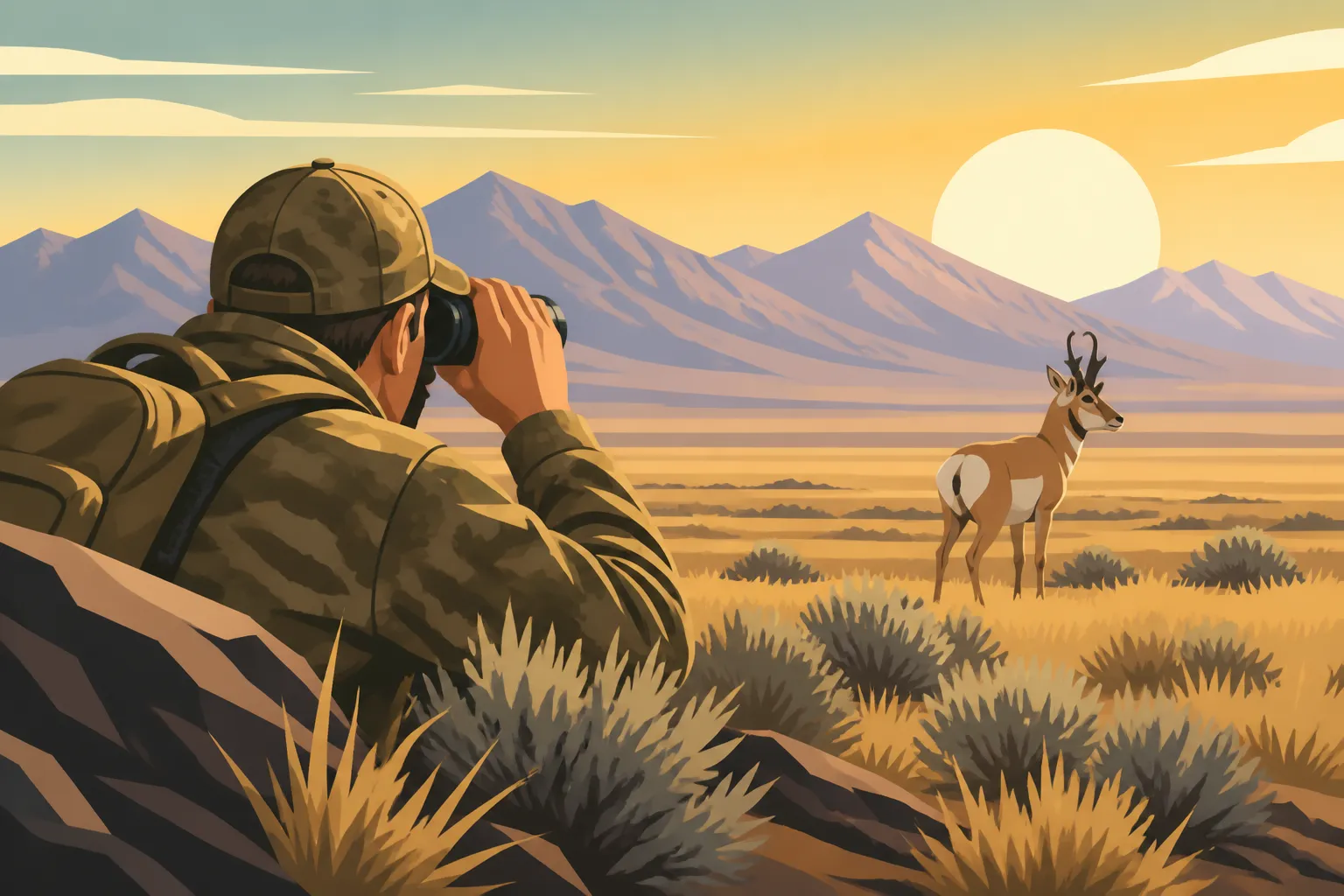
I cannot stress this enough: your optics are not just important; they are absolutely essential for a successful spot and stalk antelope hunt in Nevada. You'll spend probably 90% of your hunting time behind glass. Good quality binoculars are your bread and butter. A 10×42 or 10×50 binocular is a great starting point for covering ground quickly from a vehicle or a vantage point. Look for brands known for their clarity and low-light performance, because first light and last light are often when you'll pick up those distant shapes.
But to truly dissect the distant landscape and confirm if that speck is a rock or a record-book buck, you absolutely need a spotting scope. An angled 65mm or 80mm spotting scope with variable magnification (think 20-60x or 25-75x) is ideal. Paired with a sturdy tripod, this setup allows you to meticulously grid-search vast areas and spend minutes, not seconds, evaluating an animal. It's not uncommon to spend hours just glassing, picking apart every fold in the terrain. Remember, Spotting Scope Power for Open Country needs to be significant to properly evaluate an animal that might be two miles away. Without excellent glass, you're essentially hunting blind in the sagebrush sea, constantly wondering if you're missing something truly special just beyond your naked eye's reach.
Clothing and Camouflage Considerations
While pronghorn are more attuned to movement than color, breaking up your silhouette is crucial. Standard hunting camouflage patterns designed for timber might not be ideal for the open, muted tones of the high desert. Think arid, brush, or open-country patterns that blend with sagebrush, dirt, and rock. Layering is also key. Nevada's desert climate can swing wildly, often starting frosty at dawn, heating up significantly by midday, and cooling rapidly as the sun sets. Lightweight, breathable layers that wick moisture are your best friend.
A good pair of quiet, durable pants that can withstand crawling through sagebrush and over sharp rocks is also a must. Consider knee pads or robust fabric in the knees for those long crawls. A broad-brimmed hat will help keep the sun off your face and neck during long hours of glassing. While pronghorn don't typically rely on scent to the same degree as deer, keeping your clothes clean and free of strong odors is always a good practice, especially if the wind shifts unexpectedly during a close stalk. The goal is to become an invisible, silent part of the landscape, and the right clothing contributes significantly to that illusion.
Rifle, Ammo, and Shooting Support
Given the nature of Nevada's open antelope country, shots can often be long. This isn't to say you should shoot at extreme distances, but rather that you need to be prepared for the possibility. A flat-shooting caliber is a significant advantage. Cartridges like the .25-06 Remington, .270 Winchester, 6.5 Creedmoor, 7mm Remington Magnum, or .300 Winchester Magnum are popular choices, known for their ability to deliver consistent performance over longer ranges. Pair your rifle with quality, consistent ammunition that you've thoroughly tested at various distances out to at least 400-500 yards. Knowing your rifle's capabilities and your own limitations is paramount.
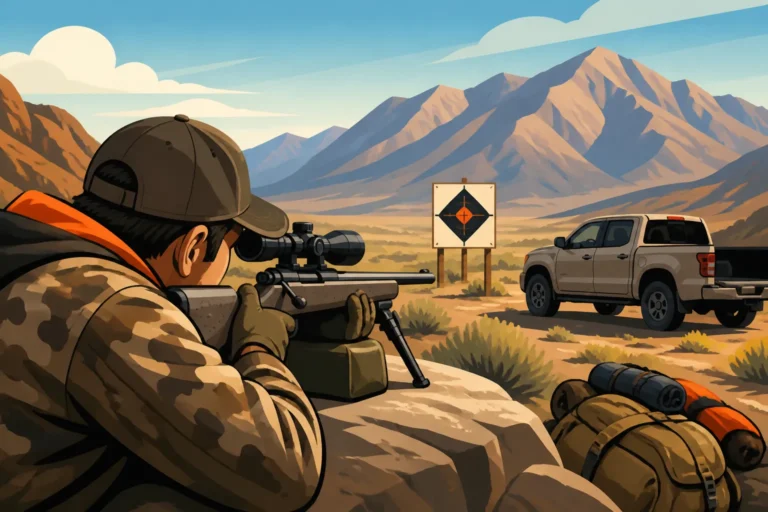
Crucially, you absolutely must have a stable shooting platform. Forget trying to freehand a shot at a distant target after crawling for an hour. Shooting sticks or a bipod are non-negotiable for spot and stalk antelope. They provide the stability needed for precision shots, especially when adrenaline is pumping and you're tired from a long stalk. A solid rest can mean the difference between a clean kill and a missed opportunity. Practice shooting from various field positions with your chosen support system – prone, kneeling, and even sitting – as you never know what kind of cover the terrain will offer when you finally get into position.
The Art of Spotting Pronghorn
The most challenging, and arguably most important, part of antelope hunting in Nevada is finding them in the first place. You can be the best stalker in the world, but if you can't locate the animals, it's all for naught.
Effective Glassing Techniques
Glassing is not just looking through binoculars; it's a systematic approach to picking apart the landscape. When you first arrive at a high vantage point, resist the urge to immediately throw your rifle up. Instead, take a few minutes to scan the landscape with your naked eye, identifying areas of interest: subtle changes in terrain, draws, potential water sources, or patches of different vegetation. Once you have a general idea, pull out your binoculars and start a methodical scan.
The "grid glassing" method is your best friend here. Start at one side of your viewing area, pick a point, and slowly scan horizontally, moving your binoculars in a tight, overlapping pattern. Once you reach the end of that horizontal strip, drop your glass down slightly and scan back in the opposite direction. This ensures you cover every inch of visible terrain. Pay close attention to subtle movements, changes in color, or anything that just "looks off." Pronghorn often blend in incredibly well with the sagebrush, and sometimes all you'll see is a flicker of white, a dark horn, or a horizontal line that doesn't quite match the vertical lines of the brush. Utilize the early morning and late evening light; the low angle can create shadows that highlight animals, and they are often more active during these cooler periods. A quick look on a tool like GoHunt's mapping system can also help you identify optimal glassing knobs and vantage points before you even leave home, allowing for more efficient use of your time in the field. This type of E-Scouting a Nevada Unit Before the Season can save you countless hours of driving and hiking. Remember, Glassing Grids Across a Nevada Basin is a skill that improves with practice, so don't get discouraged if it feels slow at first.
Identifying Key Antelope Habitat
While pronghorn can be found almost anywhere in their preferred habitat, certain areas will concentrate them. Water sources are paramount in the arid Nevada landscape. Even a small seeps, a stock pond, or a guzzler can act as a magnet for antelope, especially during hotter months. Keep an eye on these features, either by scouting them directly or by looking for game trails leading to and from them. During your e-scouting phase, make sure to mark every potential water source on your map.
Beyond water, look for areas with good forage, typically open sagebrush flats interspersed with grasses and forbs. Pronghorn are browsers and grazers, and they'll seek out the best feeding grounds. They also prefer areas that offer good visibility, often bedding on slight rises or ridges where they can see danger approaching from any direction. Low draws and washes, while offering potential cover for you, are also travel corridors for antelope moving between feeding and bedding areas. Learning to identify these types of terrain on a map, and then confirming them in the field, will dramatically increase your chances of spotting pronghorn. Look for fresh tracks, droppings, and rubbed sagebrush stems as signs of recent activity – these clues tell you that antelope are using the area, even if you don't see them at that moment.
Mastering the Stalk: Closing the Distance
Once you've spotted your antelope, the real game begins. This is where patience, planning, and meticulous execution come into play. A good stalk can take hours, cover miles, and test every ounce of your mental fortitude.
Planning Your Approach
This is often where hunters make or break their hunt. After you've identified the target animal and confirmed its location, the very next step is to get off the glass and onto your map (physical or digital, like with GoHunt). Don't just start walking. Instead, carefully study the terrain between you and the antelope. Look for every fold, every rise, every wash, every patch of taller sagebrush – anything that can provide cover. Your goal is to map out a route that keeps you completely out of sight for as long as possible.
Crucially, you must always be aware of the wind. Pronghorns have an excellent sense of smell, and while not as scent-focused as deer, they will pick up human odor, especially if you're downwind. Always approach from downwind, or at least crosswind, taking advantage of any shifts. Reading Wind on a Long Sage Stalk is a skill that takes practice, but it's non-negotiable for success. If the wind is wrong, you either need to find an entirely new approach or, if impossible, wait for the wind to change or for the animals to move. Sometimes, a "bad" wind means you have to abandon a stalk and wait for a better opportunity. It's frustrating, but it's part of the game. Using a rim to break your silhouette or a deep wash to stay hidden can make all the difference in covering significant ground unnoticed.
The Patience Game
A pronghorn stalk is rarely a quick affair. Once you start moving, every step must be deliberate, every movement slow and controlled. Resist the urge to rush. You'll likely spend extended periods crawling, waiting for a pronghorn to put its head down to feed, or pausing behind a piece of cover to re-evaluate the situation. It can feel agonizingly slow, especially when you know the animal is just over the next rise.
One of the most frustrating aspects of a long stalk is the unexpected. Other animals – a small herd of does, a curious coyote, or even an innocent jackrabbit – can unwittingly betray your position, sending your target buck dashing off. Always be aware of your surroundings and any other critters that might blow your cover. If the antelope stand up and start looking your way, freeze immediately. Sometimes they're just scanning, sometimes they've picked up on something. Wait until they settle back down before resuming your movement. This immense test of patience is precisely why many hunters find pronghorn so challenging, but it's also what makes a successful stalk so incredibly rewarding.
Closing the Last Hundred Yards on a Pronghorn
This is the moment of truth. You've navigated the terrain, battled the wind, and maintained your patience. Now, you're within shooting range, or very close to it. The final hundred yards, or even fifty, can be the most difficult. Here, every movement, every sound, becomes magnified. You'll need to use every tiny piece of cover available – a small clump of sage, a subtle dip in the ground – to maintain your invisibility. Often, this means a low crawl, pushing your rifle ahead of you, carefully avoiding snapping branches or loose rocks.
As you get closer, assess the animal's demeanor. Is it alert? Feeding calmly? Bedded? Your approach strategy will depend on this. If it's feeding with its head down, that's your cue to move. If it's looking your way, freeze. The goal is to get into a stable shooting position without being detected. This might mean crawling on your belly until you can get your bipod deployed, or slowly rising behind a small rise to take a kneeling shot. Remember, Closing the Last Hundred Yards on a Pronghorn demands extreme stealth and calm. Sometimes, the Best Time of Day to Stalk Antelope for this final approach is when they are actively feeding or bedded down during the middle of the day.
Shot Placement and Post-Harvest Considerations
After all that effort, making a clean, ethical shot is paramount. Pronghorn anatomy and the often-long shooting distances require careful consideration.
Understanding Antelope Anatomy
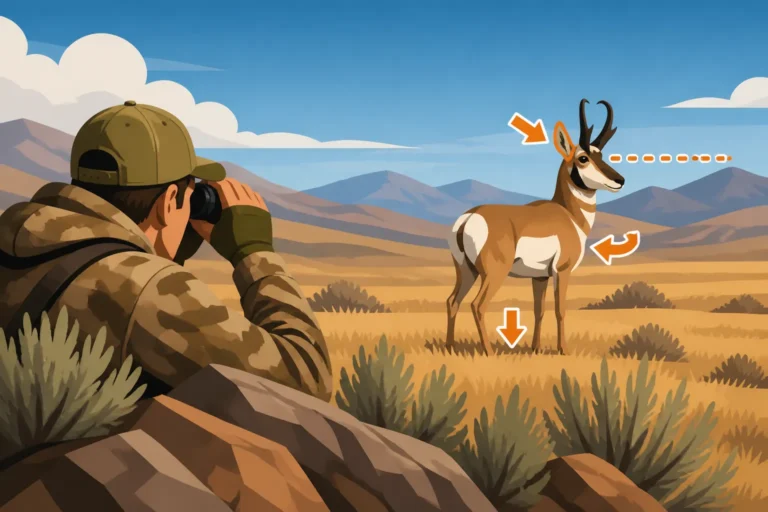
Pronghorn are not huge animals, but they are built for speed and endurance. Their vital organs (heart and lungs) are located relatively far forward in their chest, compared to a deer or elk. This means that aiming directly behind the shoulder, as you might for other big game, can result in a gut shot or hitting too far back. For a pronghorn, you typically want to aim slightly forward, tight to the front leg and about one-third of the way up the body. This targets the heart and lungs, ensuring a quick and humane harvest.
Because shots often occur at longer distances in open country, understanding bullet drop and wind drift is crucial. Even a slight miscalculation in range or wind can result in a wounding shot or a miss. Practice at various distances before your hunt, and use a rangefinder religiously. Always be aware of the exact yardage to your target and compensate accordingly. Ethical hunting means taking only the shots you are confident in, especially when hunting a species as resilient and fast as a pronghorn.
Field Dressing and Meat Care in Warm Climates
Nevada's antelope seasons often occur in late summer or early fall when temperatures can still be quite high. This means that proper field dressing and meat care become immediate priorities the moment you harvest an animal. Heat is the enemy of wild game meat. As soon as the animal is down, get to it quickly. Remove the guts immediately to allow the carcass to cool internally.
Skinning the animal promptly will also help dissipate heat. If you're far from a cooler or refrigeration, consider quartering the animal and getting the meat into game bags that allow airflow. Hang the bags in a shady, breezy spot if possible. Carrying plenty of water, not just for drinking, but also for rinsing away blood and grime, is advisable. For more detailed steps, check out this guide on Field Dressing in August Heat. It's a critical skill to master for any early season hunt in the desert, as improperly handled meat can spoil quickly, negating all your hard work. Don't let the heat ruin your hard-earned prize.
Advanced Tactics and Common Pitfalls
Even with solid fundamentals, there are always ways to refine your approach and avoid common mistakes that can lead to frustration.
Using a Decoy on Nevada Pronghorn
Decoys can be a game-changer for pronghorn, especially during the rut when bucks are territorial and aggressive. A well-placed buck decoy can draw a curious or challenging buck right into shooting range, often closing those difficult last few hundred yards that seemed impossible to cover by crawling. The key is timing and presentation. Decoys work best when a buck is already aware of your general presence (perhaps from a failed stalk) or if he sees the decoy as a challenge to his territory.
However, using a decoy isn't without its risks. Firstly, never use a decoy if other hunters are in the vicinity; it's a safety hazard. Secondly, the decoy needs to be deployed quickly and realistically. You typically need at least two people: one to hold the decoy, and one to be ready to shoot. The person with the decoy should be positioned to present the decoy realistically, perhaps mimicking a challenging posture, while the shooter is hidden nearby. It's often most effective when the buck is already at a distance and needs an extra incentive to close the gap. For a deeper dive, read our guide on Using a Decoy on Nevada Pronghorn. Remember, a poorly used decoy can just as easily spook an animal as draw it in.
Adapting to Changing Conditions
Nevada's weather and terrain are notoriously unpredictable. You might start your day with calm winds, only for a dust devil to kick up in the afternoon, or for a sudden thunderstorm to roll in. Being adaptable is not just a nice-to-have; it's a necessity. If the wind suddenly shifts, you might need to abandon your meticulously planned stalk and find an entirely new approach. If a herd you've been watching suddenly disappears over a ridge, be prepared to get in your truck and relocate them using roads and high points, or even to start a new search entirely.
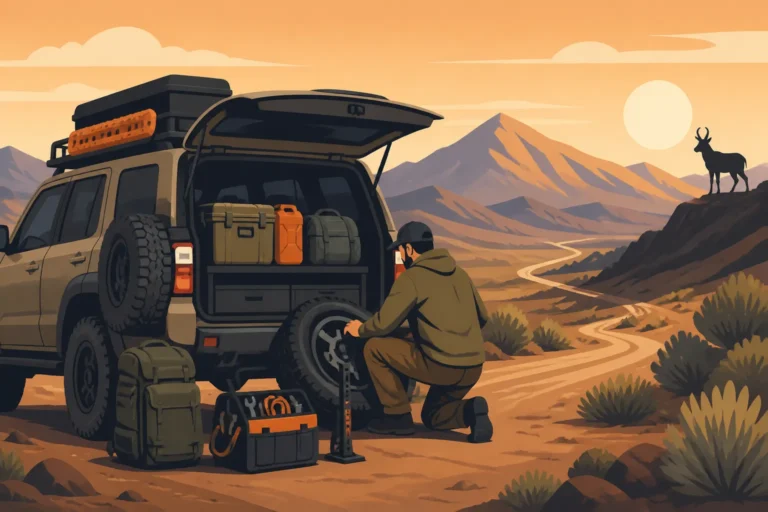
The same goes for unexpected heat or cold snaps. Make sure your layering system allows for quick adjustments. Always carry more water than you think you'll need. Vehicle breakdowns on remote Nevada roads are also a real possibility, so be prepared with extra fuel, spare tires, and recovery gear. Having a reliable satellite messenger, like a Garmin inReach or a Zoleo, is crucial for communication in areas with no cell service. The ability to pivot your plans, stay safe, and maintain a positive attitude in the face of adversity is what separates successful desert hunters from those who go home empty-handed and frustrated.
Learning from Every Hunt
Every single hunt, whether successful or not, is a learning opportunity. When you get home, take the time to review your maps, reflect on your decisions, and identify what worked and what didn't. Did you choose the right glassing point? Was your stalk route optimal? Did you misjudge the wind? Go back over the unit using your mapping software (like GoHunt) and analyze the terrain where you saw animals, where you stalked, and where you ultimately made your move.
Keep a hunting journal. Document the weather conditions, time of day, animal behavior, and your specific tactics. Over time, this personal database of information will become invaluable, helping you make better decisions on future hunts. Talk to other hunters, share experiences, and learn from their successes and failures. The vastness and challenges of Nevada hunting mean there's always something new to learn, and continuous self-improvement is the hallmark of a truly skilled and ethical hunter.
Antelope Regulations and Management in Nevada
Before you even step foot in the field, it's critical to understand the regulations specific to Nevada for pronghorn antelope. These rules are in place to manage the herd and ensure fair chase opportunities for everyone.
Tagging and Reporting Requirements
Nevada has specific requirements for tagging your harvested animal. Once you've successfully taken a pronghorn, you must immediately validate and attach your tag to the animal, typically to the horn or leg, as specified in the regulations. This tag must remain with the animal until it is processed for storage. Failing to tag an animal correctly can lead to serious legal repercussions.
Beyond tagging, Nevada mandates that all successful big game hunters report their harvest. This is vital data for wildlife biologists, helping them assess herd health, harvest success rates, and inform future tag quotas. This reporting is usually done online through the Nevada Department of Wildlife (NDOW) website within a specified timeframe after your hunt. You can find more specific details on Mandatory Reporting After a Nevada Harvest. Make sure you understand these requirements fully before you head out, as non-compliance can result in fines or loss of hunting privileges.
Season Dates and Application Strategies
Nevada's antelope seasons are generally short, typically running for a week or two in late summer or early fall. The exact dates will vary by unit and by year, so always consult the current year's hunting proclamation. You can usually find information on Nevada Antelope Season Dates on the NDOW website. Antelope tags in Nevada are highly coveted and allocated through a draw system, making them challenging to acquire for both residents and non-residents.
The application period for Nevada big game tags typically runs from late March to mid-May. Specifically, Nevada Applications Run March 23 to May 13 each year. It’s crucial to mark these dates on your calendar and apply well in advance of the deadline. The draw system utilizes bonus points, which accumulate each year you apply and are unsuccessful, squaring those points to increase your odds over time. Understanding this system is key to eventually drawing an antelope tag. Researching draw odds by unit can help you make informed choices, increasing your chances of success in future draws. Don't just apply for any unit; target those that align with your experience and research, potentially using tools like GoHunt's draw odds data.
Pros and Cons of Spot and Stalk Antelope Hunting in Nevada
| Feature | Pros | Cons |
|---|---|---|
| Terrain | Vast, open landscapes allow for spotting animals from extreme distances. | Lack of significant cover makes closing distance incredibly challenging. |
| Optics Reliance | High-quality optics are extremely effective for locating and evaluating animals far away. | Requires significant investment in top-tier binoculars, spotting scope, and tripod. |
| Challenge | Offers a true test of hunting skill, patience, and physical endurance; highly rewarding upon success. | Can be frustrating; animals spook easily, and long stalks often end in failure. |
| Season Timing | Often occurs in pleasant weather (late summer/early fall), though heat can be a factor. | Higher temperatures require immediate and diligent meat care to prevent spoilage. |
| Animal Behavior | Pronghorn are typically found in herds, increasing the chance of multiple sets of eyes spotting you. | Legendary eyesight and incredible speed make them difficult to approach and nearly impossible to outrun. |
| Shot Opportunities | Potential for long-range shots due to open country, requiring precision and stable shooting platforms. | Longer shots increase the margin for error; hunters must be proficient and disciplined with their shooting. |
Disclaimer
Please be aware that hunting regulations, season dates, and license requirements can change. Always consult the most current Nevada Department of Wildlife (NDOW) hunting regulations and proclamations before planning any hunt. This guide is for informational purposes only and does not supersede official state regulations. It is your responsibility as a hunter to know and abide by all applicable laws.