How Outfitters Plan Emergency Evacuations
Hunting in the vast, wild expanses of Nevada offers some of the most challenging and rewarding experiences in the West, but it also comes with inherent risks. The remoteness, rugged terrain, and unpredictable weather mean that even a minor incident can quickly escalate into a serious emergency. Understanding how a reputable outfitter plans for and executes emergency evacuations is crucial knowledge for any hunter venturing into this incredible landscape with a guide. This guide will delve into the meticulous planning, communication, and logistical strategies that professional outfitters employ to keep their clients safe when the unexpected happens.
Why Emergency Planning is Paramount in Nevada's Backcountry
Nevada's hunting grounds are unlike many others. We're talking about millions of acres of federally owned land, often with sparse populations, vast distances between towns, and limited infrastructure. When you head out with an outfitter, you're not just going for a walk in the park; you're often plunging deep into genuine wilderness. This environment demands a level of preparedness that simply isn't necessary in more accessible hunting areas.
The Harsh Realities of Nevada's Terrain and Climate
Imagine being miles from the nearest paved road, sometimes an hour or more from cell service, in country that ranges from scorching desert lowlands to jagged, snow-dusted mountain peaks. A simple twisted ankle, which might be an inconvenience closer to home, can quickly become a life-threatening situation here. The sheer scale of the landscape means that even if you can get a message out, help might be hours away, navigating rough, unmaintained dirt roads or waiting for suitable air rescue conditions. Nevada's Roads Are Long and Its Services Are Far Apart and Remote Road Conditions Across Nevada are real considerations that dictate every aspect of an outfitter's emergency strategy. You can't just flag down a passerby; you're often truly on your own until coordinated help arrives.
The climate itself is a major factor. Early archery seasons can see temperatures soaring into the triple digits, leading to rapid dehydration and heatstroke, especially when you're physically exerting yourself. Later rifle seasons bring the risk of sudden snowstorms, freezing rain, and hypothermia. Flash floods can turn dry washes into raging rivers in minutes. Every one of these environmental factors must be meticulously considered and planned for by any responsible outfitter.
Common Scenarios Requiring Evacuation
While we all hope for an uneventful hunt, accidents and illnesses are always a possibility. Knowing what kinds of situations typically trigger an emergency evacuation plan can help you understand the gravity of an outfitter's preparation.
First and foremost are injuries. This could be anything from a severe cut that needs stitches, a broken bone from a fall on rocky terrain, or, regrettably, an accidental gunshot wound. These incidents require immediate medical attention, often beyond what basic first aid can provide. Then there are illnesses. Dehydration is a constant threat in Nevada's arid environment, as is altitude sickness if you're hunting in higher elevations without proper acclimation. Allergic reactions to insect bites or plants, severe stomach issues, or even a sudden cardiac event can strike anyone at any time, far from modern medical facilities.
Beyond personal health, environmental hazards play a significant role. Getting hopelessly lost, even with experienced guides, can happen in dense fog or a sudden whiteout. Being trapped by a flash flood, encountering dangerous wildlife (though rare, it's a possibility), or having your vehicle break down so far from civilization that immediate repair isn't possible are all scenarios that demand a robust emergency plan. What Vehicle Support Means Far From Town and How Outfitters Handle Breakdowns Far From Town become critically important discussions in this context.
The Foundation of an Outfitter's Emergency Plan
A successful emergency evacuation isn't just about reacting to a crisis; it's the culmination of extensive pre-planning, continuous monitoring, and specialized training. Reputable Nevada outfitters treat safety as seriously as they do finding trophy animals, recognizing that their clients' well-being is their ultimate responsibility.
Comprehensive Risk Assessment and Prevention
Before a single boot hits the sagebrush, a good outfitter has already done a thorough risk assessment. This starts with pre-trip communication with clients. They'll want to know your medical history, any pre-existing conditions, allergies, and your general fitness level. Being completely honest here is vital; it allows them to tailor their plan and ensure they have the right resources on hand.
Gear checks are another crucial step. An outfitter will typically provide a detailed gear list, but they'll also ensure that clients have appropriate clothing for varied conditions, enough water capacity, and personal communication devices like headlamps and whistles. They might even recommend you bring your own satellite messenger.
Perhaps most importantly, route planning is meticulous. Outfitters will map out primary hunting areas, but also identify alternative escape routes, the quickest paths to roads, and the locations of the nearest medical clinics or hospitals. They understand that in an emergency, every minute counts. Continuous weather monitoring is also non-negotiable. Forecasts for the specific hunt unit are checked daily, sometimes hourly, and plans are adjusted on the fly to avoid dangerous conditions like sudden storms or extreme heat waves.
Communication Protocols in the Field
In areas where Cell Coverage Across Nevada Hunt Units is practically nonexistent, reliable communication becomes the lifeline. Outfitters invest heavily in redundant communication systems to ensure they can always reach out for help.
Satellite communication devices are indispensable. We're talking about devices like Garmin inReach or Zoleo, which allow for two-way text messaging and SOS capabilities, or Iridium satellite phones for voice calls. These are not just for the lead guide; often, multiple guides and even clients might carry them. They enable regular check-in schedules with a base camp or another guide team, ensuring that if a check-in is missed, an alarm can be raised.
Furthermore, outfitters establish emergency signals. These might be agreed-upon whistle blasts, specific light signals at night, or hand gestures if visual contact is possible but voice communication is not. The goal is to have multiple layers of communication that can be activated even if primary systems fail. This ensures that help can be summoned, or at least an alert can be raised, no matter how remote the location. The ability to track their teams and clients via GPS on these devices adds an extra layer of safety, allowing them to pinpoint a location rapidly in an emergency. Satellite Messenger Use in Remote Country is not a luxury, it's a necessity.
Medical Preparedness and Training
When a medical emergency strikes miles from the nearest medical facility, the immediate response of the guide is paramount. That's why professional outfitters prioritize medical training for their staff.
Most reputable guides hold current first aid certifications, often going beyond basic CPR to include Wilderness First Aid (WFA), Wilderness First Responder (WFR), or even Wilderness EMT (WEMT). These certifications equip them to handle more complex injuries and illnesses in remote settings, stabilizing a patient until professional medical help arrives. The outfitter's medical kits are far more comprehensive than a simple band-aid pouch; they are stocked with trauma dressings, splints, medications for common ailments, and sometimes even emergency prescription drugs (administered under strict protocol). These kits are tailored to the specific environment and potential risks of the hunt.
Understanding and respecting client medical conditions is also part of this preparedness. If a client has a known heart condition or severe allergies, the guide will have specific protocols in place. The immediate goal in any medical emergency is stabilization of the patient and preventing the condition from worsening, while simultaneously initiating the evacuation process. This means knowing when to treat on site, when to attempt a walk-out, and when to call for immediate air support. Wilderness First Aid on a Guided Hunt is not just a course; it's a critical skill set in the field.
Executing an Emergency Evacuation: What to Expect
When an emergency happens, the well-rehearsed plan kicks into action. As a client, understanding this process can help you remain calm and assist your guide effectively. It's a structured response designed to prioritize safety and facilitate the quickest, safest evacuation possible.
Initial Response and Stabilization
The moment an emergency is recognized, the guide's role is to take charge. This involves immediate assessment of the situation, administering appropriate first aid, and securing the scene to prevent further injury or complications. They will evaluate the patient's condition, the severity of the injury or illness, and the environmental factors at play. Their calm demeanor is infectious, and it's essential for your role as a client to remain calm, follow all instructions, and assist where safely possible. Panicking only wastes precious time and resources.
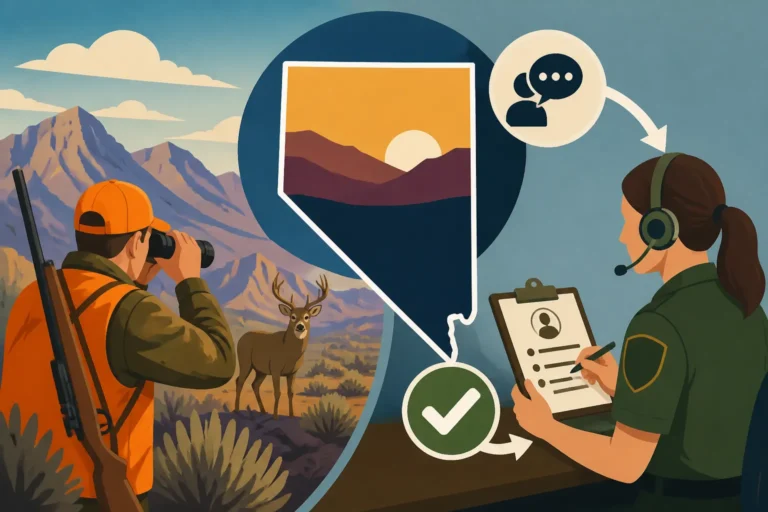
Simultaneously, the guide will begin calling for help through their established communication protocols. This involves using satellite devices to transmit detailed information about the situation, the patient's condition, and precise GPS coordinates to their base camp, emergency contacts, or directly to search and rescue (SAR) services.
The guide then faces a critical decision matrix: can the patient be self-evacuated (walked out with assistance), does it require an assisted walk-out with more support, can ground transport reach them, or is an immediate air rescue (helicopter) necessary? This decision is based on the severity of the condition, the terrain, weather, and the available resources.
Modes of Evacuation in Nevada's Remote Areas
Depending on the decision made during the initial response, various methods of evacuation may be employed. The goal is always the safest and most efficient extraction.
For less severe injuries or illnesses where the patient is mobile, vehicle-assisted extraction is often the first choice. Outfitters utilize robust 4×4 trucks, ATVs, or UTVs to navigate rough trails and get as close as possible to the patient. They are equipped to handle the challenges of Remote Road Conditions Across Nevada and have the recovery gear to get through almost anything. However, many areas are designated wilderness or roadless, making vehicle access impossible.
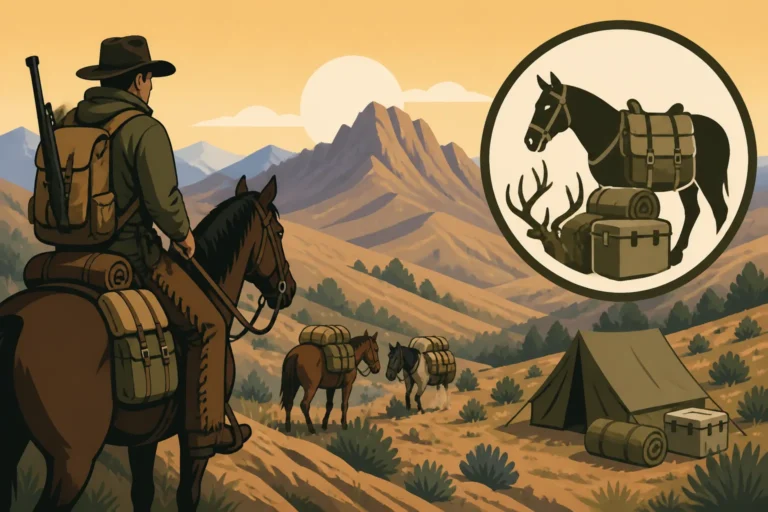
In deeper wilderness or rugged mountain terrain, horseback or pack string evacuation might be necessary. This involves bringing in horses or mules to transport an injured or ill person, often secured in a specialized litter or on horseback if their condition allows. This is slower than vehicle transport but invaluable for reaching areas where no roads exist. Packing an Animal Out of Roadless Country is a skill many Nevada outfitters possess.
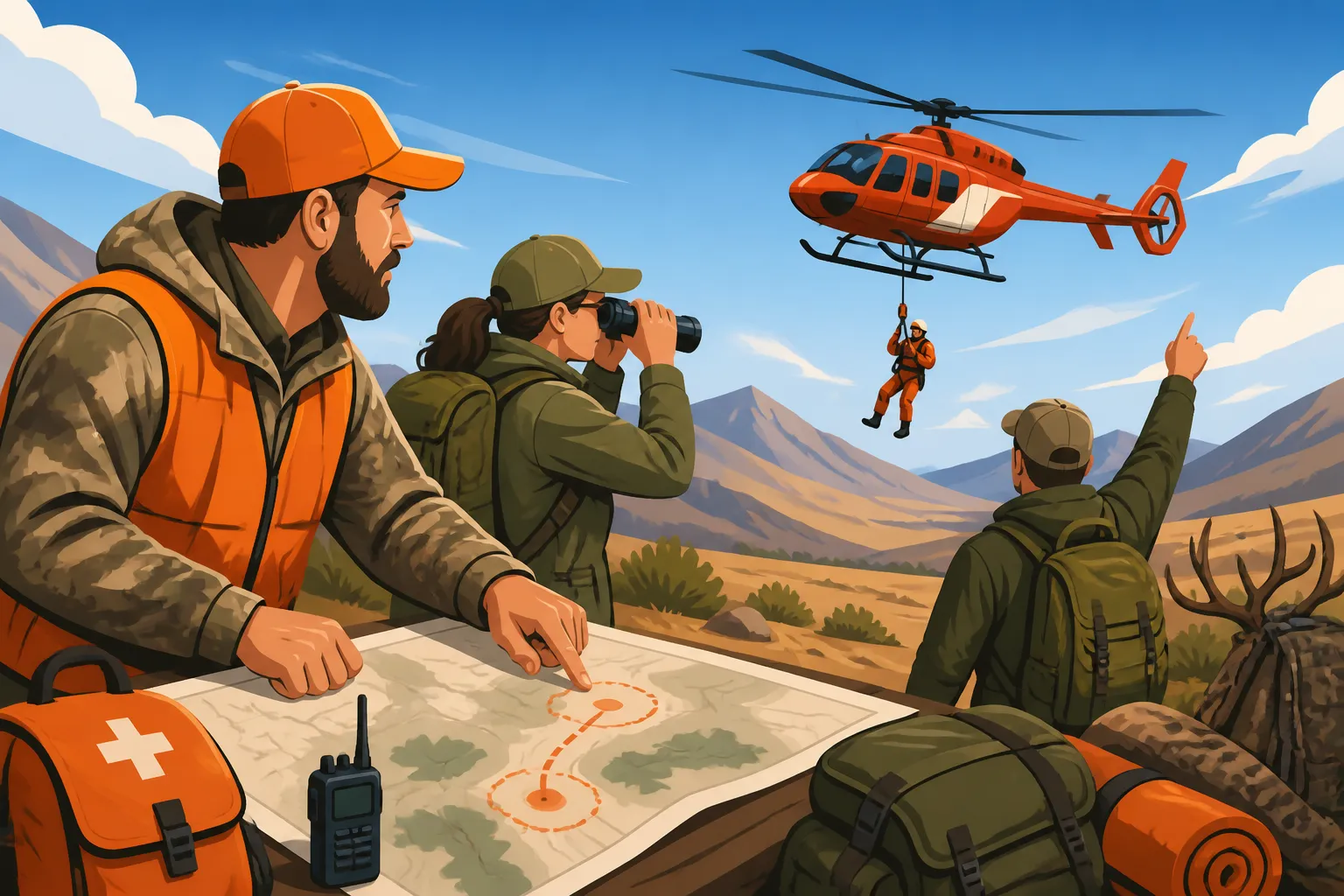
For severe, life-threatening conditions, or when ground evacuation is too slow or impossible, air ambulance or helicopter rescue is the fastest option. This involves coordinating with local SAR, sheriff's departments, or specialized air medical services. This is a complex operation dependent on weather conditions, terrain, landing zone availability, and the availability of aircraft. Outfitters will have established contacts and protocols for initiating this type of rescue, often the most expensive option, which is why personal medical evacuation insurance is always a wise consideration.
Post-Evacuation Support and Debrief
Once the immediate crisis has passed and the client has been safely evacuated and is receiving medical care, a responsible outfitter's work isn't done.
They will continue to ensure the client's safety and comfort post-evacuation, assisting with logistics like transportation to a hospital, lodging, and ensuring they have access to their personal belongings. Communication with family members is a critical, often emotionally charged step, where the outfitter acts as a liaison, providing updates while respecting privacy.
Internally, the outfitter will conduct a thorough review of the incident. This debriefing examines what happened, what went well, what could have been done better, and what lessons can be learned to improve future safety protocols and training. It's a continuous process of learning and refinement. Finally, if needed, outfitters may also facilitate emotional and psychological support for all involved, recognizing the trauma that an emergency situation can inflict on clients and guides alike.
Before You Book: Vetting an Outfitter's Safety Protocols
As a hunter, you have a responsibility to yourself to thoroughly vet any outfitter you consider. This means looking beyond their success rates or trophy photos and deeply understanding their commitment to safety and emergency preparedness.
Asking the Right Questions About Safety
When you're speaking with potential outfitters, don't hesitate to ask direct questions about their safety procedures. This isn't being paranoid; it's being responsible. Here are some essential questions:
- "What specific emergency communication devices do you carry in the field, and who carries them?"
- "What level of first aid training do your guides possess, and are those certifications current?"
- "Can you describe your specific plan for a serious injury, like a broken leg, occurring deep in the backcountry?"
- "What are your protocols for managing extreme weather events, such as a sudden blizzard or a heatwave?"
- "Do you recommend clients carry personal emergency devices, and do you have any specific medical evacuation insurance providers you suggest?"
- "How do you handle client medical information and ensure confidentiality?"
A reputable outfitter will be happy to discuss these points in detail and should be able to articulate a clear, concise plan. If they seem vague or dismissive, that's a red flag. Questions Worth Asking Before You Book are literally life-saving.
Utilizing Resources for Outfitter Research
Beyond direct questions, there are resources that can help you research an outfitter's reputation and legitimacy. Websites like BookYourHunt can provide listings and initial information about various outfitters, but they should only be a starting point. Always follow up with direct inquiries. Similarly, resources like GoHunt might offer articles and community forums where you can gather insights, but personal verification remains key.
Crucially, check references. Ask for contact information for past clients, especially those who might have hunted in similar conditions or even experienced a minor incident with the outfitter. Also, verify their licensing. The Nevada Department of Wildlife (NDOW) licenses guides and outfitters, and you should always confirm that their licenses are current and in good standing. Vetting a Nevada Outfitter Before You Send a Deposit means doing your homework. Don't rely solely on online reviews; talk to people.
Your Personal Role in Emergency Preparedness
Even with the best outfitter, your own preparedness plays a significant role in your safety. Physical fitness is paramount when Preparing Physically for Long Glassing Days or navigating steep terrain. Be honest with yourself and your outfitter about your capabilities. Overstating your fitness can put yourself and others at risk.
Carry essential personal gear. A small survival kit with a whistle, fire starter, knife, and headlamp is a good idea. Always have enough water, even on a guided hunt, and know how to use it sparingly if necessary. Most importantly, practice open communication. Share your complete medical history and any concerns you have before the hunt. Provide your outfitter with clear emergency contact information.
Finally, consider investing in your own personal satellite communication device and personal medical evacuation insurance, even on a guided hunt. While your outfitter will have their own systems, having a redundant means of communication and a plan for medical transport offers an extra layer of peace of mind. Your safety is a partnership, and taking responsibility for your part ensures a more secure and enjoyable experience in Nevada's wild country.
Disclaimer
This article is for general informational purposes only and does not constitute professional advice. Laws, prices and regulations vary by location and change over time. Consult a qualified professional for guidance on your specific situation.