What Vehicle Support Means Far From Town
Heading out into Nevada's vast and wild landscape for a hunt is an incredible adventure, but it comes with a unique set of challenges. One of the biggest, and often underestimated, is understanding what true "vehicle support" means when you're literally hours from the nearest paved road, let alone a mechanic or even cell service. A simple flat tire or a dead battery isn't just an inconvenience here; it can quickly become a serious, even life-threatening, situation that leaves you completely stranded. This guide will walk you through the harsh realities of Nevada's remote terrain and what you need to consider for vehicle support, whether you're tackling a DIY hunt or booking with an outfitter.
The Stark Reality of Nevada's Remote Backcountry Roads
When we talk about "far from town" in Nevada, we're not talking about a half-hour drive down a gravel road. We're talking about places where you might not see another human for days, where the closest gas station is a hundred miles away, and where the silence is so profound it's almost deafening. This incredible remoteness is what draws many of us to hunt here, but it also demands a profound respect for preparedness, especially when it comes to your vehicle.
Vast Distances and Unforgiving Terrain
Nevada is truly a land of immense distances. You can drive for hours on what appears to be a main dirt track, only to realize you've barely covered any ground on your map. These aren't your typical well-maintained forest roads. They're often rough, rocky, and unpredictable. Think about the basin and range country, where you're constantly climbing over a low pass only to drop into another wide-open valley. The roads reflect this terrain, alternating between washboard sections that rattle your teeth, deep sand that threatens to bog you down, and sharp volcanic rock that can shred tires in an instant. It's a landscape that tests vehicles to their limits, and often pushes them beyond. Just imagine being hundreds of miles from the nearest town, and you get a flat tire. Is it the only spare you have? Is your jack even working? Do you have the right tools? These questions are critical, because What Nevada Backroads Do to a Tire is a brutal education for many.
The Lack of Infrastructure and Services
Unlike many other hunting states, Nevada's public lands often lack any real infrastructure once you leave the main highways. Cell service is virtually non-existent in much of the backcountry. Forget about roadside assistance; there often aren't even other roadsides, just sagebrush and mountains. This means if your vehicle breaks down, you are truly on your own until you can either fix it, hike out, or activate an emergency communication device. Cell Coverage Across Nevada Hunt Units is almost entirely limited to population centers and major interstates, leaving vast stretches of prime hunting country as digital dead zones. This reality fundamentally shifts what "vehicle support" actually means. It's not about relying on external help; it's about building self-sufficiency into your vehicle and your plans. The nearest fuel station might be a three-hour round trip, and that's if you can even get there. That's why Fuel and Service Distances in Nevada is a crucial part of any hunt planning.
Essential Vehicle Preparations for the DIY Hunter
If you're planning a DIY hunt in Nevada, your vehicle isn't just transportation; it's your lifeline, your base camp, and your emergency shelter all rolled into one. Neglecting vehicle preparation is a gamble you absolutely cannot afford to take in this country. The peace of mind that comes from knowing your rig is ready is priceless.
Pre-Trip Maintenance: Your First Line of Defense
Before you even load your rifle, your vehicle needs a thorough going-over. Think of it as a physical exam before a marathon. Start with the basics:
- Tires: This is paramount. You need aggressive, all-terrain tires in good condition. Check for adequate tread depth, sidewall integrity, and proper inflation. Don't forget your spare (or two!) – ensure it's in as good a condition as your road tires. Many experienced Nevada hunters run an extra spare for good measure.
- Fluids: Oil, coolant, brake fluid, power steering fluid – check them all and top them off. Consider a fresh oil change if you're due or planning a particularly long trip.
- Belts and Hoses: Inspect them for cracks, wear, or bulges. Carry spares if your vehicle is prone to issues, especially for serpentine belts.
- Brakes: Ensure your brake pads and rotors are in good shape, especially if you'll be hauling heavy loads or navigating steep descents.
- Battery: Test your battery, and clean the terminals. A weak battery in cold weather or after a long day of bumping around on rough roads is a recipe for disaster.
- Lights: Headlights, taillights, turn signals – make sure they all work. You don't want to find out a headlight is out when you're leaving camp before dawn.
Equipping Your Rig for Self-Sufficiency
Beyond basic maintenance, you need to equip your vehicle for worst-case scenarios. This isn't overkill; it's smart planning for Nevada. You are your own support team.
| Item Type | Essential Items for Remote Nevada | Why It's Critical |
|---|---|---|
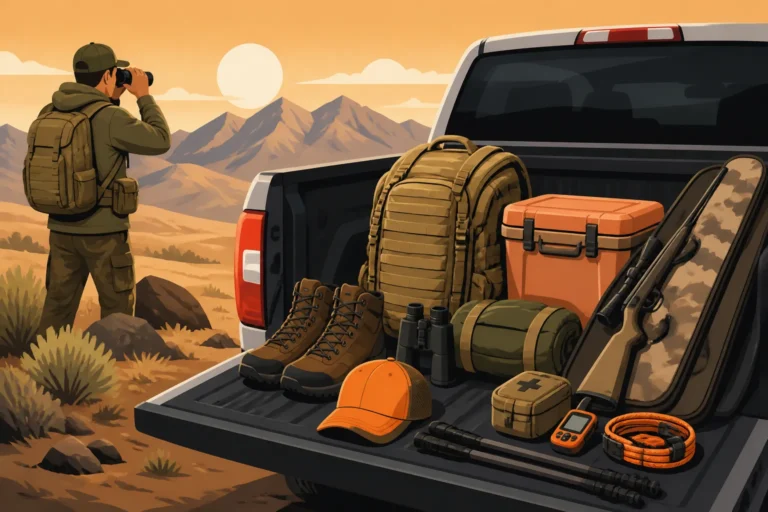
| Tire Repair | Two full-size spare tires, heavy-duty jack, lug wrench, tire plug kit, portable air compressor, tire repair tools. | Sharp rocks and long distances make flats almost inevitable. Multiple spares are wise. |
| Recovery | Shovel, tow strap, shackles, traction boards (Maxtrax or similar), winch (if applicable). | Getting stuck in sand, mud, or snow is common. Self-recovery is often your only option. Vehicle Recovery Gear for Nevada Roads is non-negotiable. |
| Fluids/Parts | Extra oil, coolant, brake fluid, power steering fluid, spare belts, radiator stop leak, hose repair kit. | Small leaks or unexpected failures can be managed to get you to the nearest town. |
| Fuel | At least two 5-gallon jerry cans of extra fuel. | Carrying Extra Fuel and Water is fundamental. Distances between gas stations are extreme. |
| Water | Minimum 5-10 gallons of potable water for vehicle and personal use. | Beyond drinking, it's essential for cooling overheating engines or washing. |
| Tools | Comprehensive toolkit, multimeter, zip ties, duct tape, electrical tape, hose clamps. | Basic repairs might be necessary to limp out of the backcountry. |
| Navigation | GPS device (dedicated or app-based like GoHunt), paper maps, compass. | Knowing exactly where you are and where you need to go, even without power. |
| Communication | Satellite messenger or satellite phone. | Satellite Messenger Use in Remote Country is a critical safety item when out of cell range. |
| Lighting | High-powered flashlight (with extra batteries), headlamp. | Repairs or tasks after dark are common; essential for safety and navigation. |
Remember, your vehicle needs to be able to carry all of this, plus your hunting gear, camp setup, and potentially an animal quartered out. Consider roof racks, cargo boxes, and heavy-duty suspension if you're loading up for a serious backcountry trip. When planning, utilize tools like GoHunt's mapping features to scout potential routes and assess road accessibility before you leave home. This proactive approach can save you a world of trouble.
What to Expect from Outfitter Vehicle Support
While DIY hunting in Nevada demands total self-reliance for your vehicle, booking with an outfitter changes the dynamic considerably. Outfitters often specialize in navigating these remote landscapes, and their vehicle support is a key part of the service they provide. However, "support" still means something different here than it might in a less rugged state.
The Guide's Robust Approach to Logistics
A reputable Nevada outfitter understands the demands of the terrain better than anyone. They've likely spent decades bouncing over the same washboard roads and negotiating tricky two-tracks. Their vehicles are typically heavy-duty, meticulously maintained, and purpose-built for the rigors of backcountry travel. Think lifted 4×4 trucks, often with custom suspensions, heavy-duty tires, extra fuel tanks, and extensive recovery gear. They often carry more tools, spare parts, and emergency supplies than most individuals would ever consider. What a Nevada Guide Carries in the Truck isn't just for convenience; it's their business to be prepared. When you book a guided trip, part of what you're paying for is this extensive logistical support and their expertise in getting you in and out safely. You can find many reputable outfitters specializing in Nevada hunts through platforms like BookYourHunt.
Contingency Plans for Remote Breakdowns
Even with the best preparation, things can go wrong. A guide's vehicle can get a flat, or even suffer a mechanical issue. The difference is their level of preparedness and their contingency plans.
- Multiple Vehicles: Many outfitters operate with at least two vehicles, especially for larger groups or when moving clients and gear to remote spike camps. This provides an immediate backup.
- Expertise in Field Repair: Guides are often adept at roadside repairs. They can typically change a tire faster than you can blink, and might carry specialized tools or knowledge to fix common issues in the field.
- Satellite Communication: Outfitters almost always have satellite communication devices, like satellite phones or dedicated two-way satellite messengers. This allows them to call for external help if a repair is beyond their capabilities, which is crucial in areas without cell service. Satellite Messenger Use in Remote Country is as vital for them as it is for you.
- Evacuation Plans: Reputable outfitters will have established plans for client evacuation in case of a serious vehicle breakdown combined with injury or medical emergency. This might involve calling in a second vehicle, arranging for a pickup from a specific remote location, or even coordinating with search and rescue if necessary. When vetting an outfitter, it's a good idea to ask about their emergency protocols and what happens if a vehicle breaks down.
While you, as the client, won't be expected to fix the truck, it's still smart to have your own personal emergency kit (which we'll cover next) just in case you're separated from the main vehicle for an unexpected period.
Emergency Preparedness Beyond the Vehicle
Regardless of whether you're rolling in your own tricked-out rig or riding shotgun with an experienced outfitter, personal emergency preparedness is absolutely non-negotiable when hunting in remote Nevada. A vehicle can only take you so far, and sometimes, you might find yourself needing to leave it behind, or simply waiting it out.
Reliable Communication When Cell Service Dies
The vastness of Nevada means you will almost certainly encounter areas with no cell service. Relying on your phone to call for help is a rookie mistake.
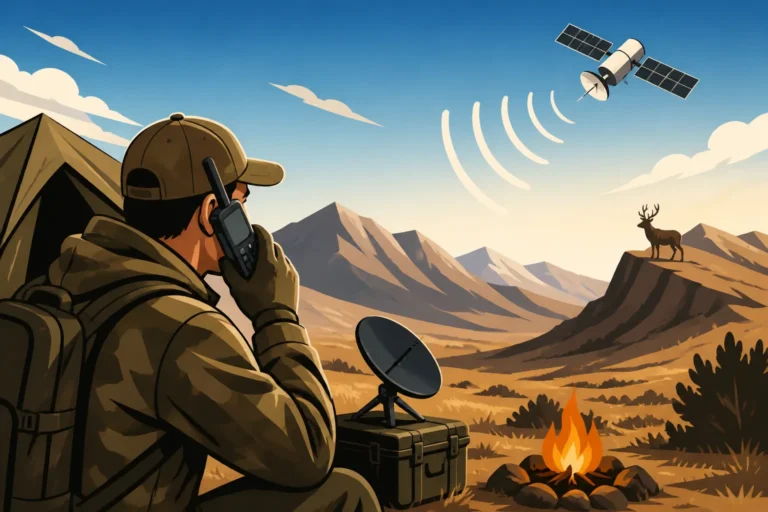
- Satellite Messengers and Phones: These are your primary communication tools in the backcountry. Devices like a Garmin inReach or a Zoleo allow you to send and receive text messages, share your location, and activate an SOS function to alert emergency services, all via satellite. A satellite phone offers voice communication, though it's typically more expensive. Seriously consider Satellite Messenger Use in Remote Country for any trip far from pavement.
- Two-Way Radios: For short-range communication between hunting partners, two-way radios can be invaluable. This allows you to stay in contact if you split up or need to coordinate a recovery effort, especially in terrain that might block line of sight for yelling.
- Pre-Trip Communication Plan: Before you leave, tell someone reliable exactly where you're going, your planned route, when you expect to return, and what your emergency contact procedures are. Give them a detailed itinerary and map coordinates.
Personal Survival Kits for Unexpected Stays
Even if your vehicle is perfectly supported, what if you have to leave it to hike out? What if you're injured a mile from the truck? A small, well-stocked personal survival kit is crucial. This should always be with you, not just in the truck.
- Water and Water Filter: Even if you have gallons in the truck, carry at least a couple of liters on your person, plus a personal filter or purification tablets. Water You Must Carry on a Desert Day Hunt is significant.
- Food: High-energy snacks like energy bars, nuts, or jerky that can sustain you for 24-48 hours.
- Fire Starting: Multiple methods: waterproof matches, lighter, fire steel.
- Shelter: A lightweight emergency blanket or bivy sack. Even in summer, Nevada nights can get cold. Layering for Basin and Range Temperature Swings also applies if you are stranded, as temperatures can plummet.
- First Aid Kit: A compact kit for cuts, blisters, sprains, and any personal medications.
- Navigation: A small handheld GPS or your phone with downloaded offline maps (like what GoHunt provides), plus a compass and a printed map of your immediate area.
- Signaling Devices: A whistle, signal mirror, or a small strobe light to attract attention.
- Knife/Multi-tool: Always useful for various tasks.
- Headlamp: With extra batteries, for hands-free lighting in the dark.
In Nevada, vehicle support isn't a luxury; it's a foundational element of a safe and successful hunt. Whether it's your own meticulous preparations or the robust logistics of a professional outfitter, understanding and respecting the demands of this incredible, yet unforgiving, landscape is key to an unforgettable adventure.
Disclaimer
This article is for general informational purposes only and does not constitute professional advice. Laws, prices and regulations vary by location and change over time. Consult a qualified professional for guidance on your specific situation.