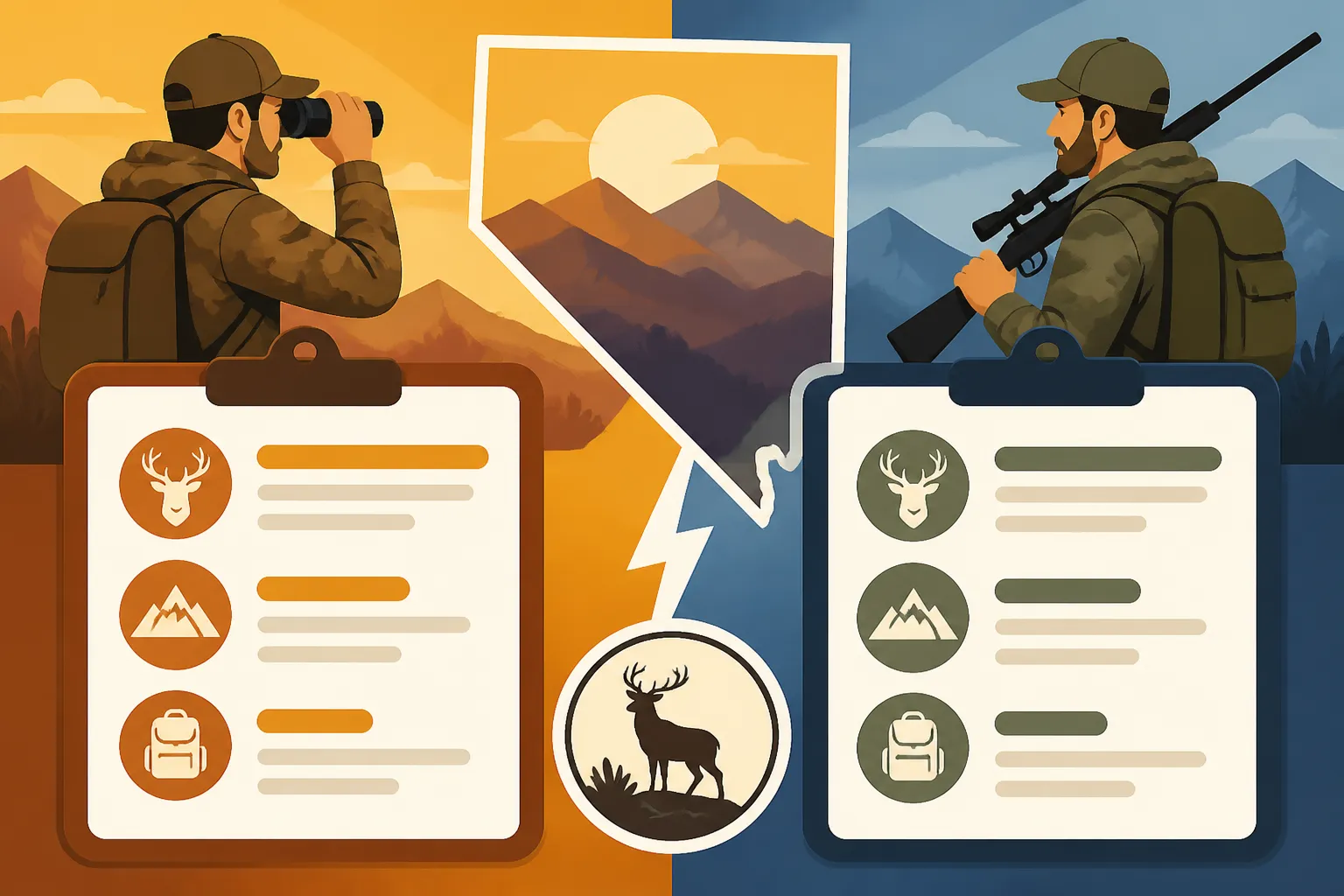
Comparing Two Outfitter Bids Side by Side
Choosing a hunting outfitter in Nevada can feel like navigating a maze of promises and price tags, especially when you're staring at multiple bids that look good on paper but have subtle differences. It's easy to get caught up in the excitement of a potential hunt, but taking the time to compare bids side-by-side is crucial for a successful and stress-free experience. This guide will walk you through how to systematically evaluate different proposals, ensuring you make an informed decision for your next big game adventure in the Silver State.
Understanding the Core Components of an Outfitter Bid
Before you can compare anything, you need to understand what you're actually looking at. An outfitter's bid isn't just a number; it's a breakdown of services, expectations, and often, what isn't covered. Many hunters get frustrated when they arrive at camp only to find hidden costs or unexpected limitations. Your goal here is to identify exactly what each outfitter is offering, in detail, to avoid any surprises down the line. It's not just about the species or the unit; it's about the entire experience from start to finish.
What's Included and Excluded
This is often the first place bids diverge significantly, and it's where many hunters overlook critical details. An outfitter's bid should clearly outline what's part of the package. Does it include transportation from a local airport, like Reno-Tahoe, or do you need to arrange your own travel to the trailhead? Are all meals provided, and if so, what kind of meals can you expect? Some outfitters offer gourmet camp food, while others provide more basic, utilitarian fare. Don't assume anything. If one bid states "all inclusive" and another lists out specific items, dig deeper into the "all inclusive" to ensure it truly matches your expectations.
Beyond the basics, think about what happens after the shot. Does the bid include field dressing, caping, and packing out your animal? This is a huge consideration, especially in the rugged terrain of Nevada where a downed elk might be miles from the nearest road. Some outfitters will handle all of it, while others might charge extra or expect you to participate significantly. Understanding these inclusions and exclusions is paramount to accurately assessing the true cost and effort required on your part. This is also a good time to ask about what happens with meat processing and shipping, as those are almost never included in the base price and can add significant costs.
The Fine Print: Dates, Species, and Unit Specifics
Every outfitter bid for a Nevada hunt should be crystal clear about the hunting dates, the specific species you're pursuing, and the exact hunt unit or units they operate in. Nevada's draw system is unit-specific, and seasons can vary even within the same species across different units. Make sure the dates align with the season you drew or plan to draw. If an outfitter is vague about the unit, that's a red flag. Legitimate outfitters will specify where they hold permits and where they plan to hunt.
You'll also want to look for details regarding the type of hunt. Is it a rifle hunt, archery hunt, or muzzleloader? Are there specific weapon restrictions they impose? Pay attention to any language about antler point restrictions or trophy fees if you're pursuing a specific class of animal. Some outfitters might offer a discounted rate for a cow elk hunt versus a bull, or a management buck versus a trophy. Ensure the bid precisely matches the hunt you envision and the tag you hold. For deeper insights into Nevada's specific regulations, you might want to review resources like Reading a Nevada Hunt Unit Before You Apply to fully understand the unit codes mentioned in any bid.
Evaluating the Outfitter's Experience and Reputation
A hunting outfitter is more than just a service provider; they are your guide, your safety net, and a crucial factor in your overall hunting experience. Price is important, but a cheap hunt with a questionable outfitter can quickly turn into a nightmare. You need to do your due diligence to ensure you're entrusting your precious tag, and your safety, to a reputable professional. This goes beyond just a flashy website or compelling brochure.
References and Past Client Testimonials
Good outfitters are proud of their client successes and will readily provide references. Don't settle for just a few names; ask for a list of recent clients—preferably from the last year or two, and specifically for the type of hunt you're booking. When you call these references, ask targeted questions: Was the camp comfortable? Were the guides knowledgeable and professional? Did they feel safe? How was the food? What was the guide-to-hunter ratio on their specific hunt? Were there any hidden costs not mentioned in the original bid?
It's also a good idea to seek out independent reviews. Websites like BookYourHunt or forums dedicated to Western hunting can offer invaluable, unfiltered feedback from past clients. While a single negative review shouldn't be a deal-breaker, a pattern of complaints about safety, communication, or unfulfilled promises should make you wary. Always take the time to How to Read an Outfitter's References thoroughly and critically, as this step often reveals the true character of an operation.
Licensing, Permits, and Insurance Verification
This is a non-negotiable step. Every legitimate outfitter operating in Nevada must be licensed by the state. You can usually verify their license directly through the Nevada Department of Wildlife (NDOW) website or by contacting their licensing division. Don't be shy about asking for proof of their current state outfitter's license. Beyond state licensing, many Nevada hunts occur on federal lands administered by the Bureau of Land Management (BLM) or the U.S. Forest Service. This means outfitters need specific permits from these federal agencies to operate legally on that public ground. Ask to see their current federal land use permits.
Furthermore, a reputable outfitter will carry liability insurance. This protects both them and you in the event of an accident or unforeseen circumstance. While you hope you'll never need it, knowing they're properly insured offers significant peace of mind. A simple request for their insurance certificate can confirm this. Understanding How NDOW Licenses Guides and Outfitters and Why Nevada Guides Need Federal Permits on Top of a State License can help you understand what to look for and what questions to ask to ensure their operation is fully legal and compliant.
Assessing Value Beyond Just the Price Tag
When two bids come in, one might be significantly cheaper than the other. Your first instinct might be to jump on the lower price, but a truly great hunting experience is about far more than just the dollar amount. You need to consider the intangible values, the logistical support, and the overall quality of the experience that each outfitter promises. Sometimes, paying a bit more upfront can save you a lot of headache, disappointment, or even danger in the long run.
Guide-to-Hunter Ratios and Camp Comforts
A critical factor often overlooked is the guide-to-hunter ratio. Is it one guide for every hunter (1:1), one guide for two hunters (1:2), or even higher? A 1:1 ratio generally means more personalized attention and greater flexibility in hunting strategies, which can be invaluable in challenging Nevada terrain. A 1:2 ratio can still be excellent, especially if you're hunting with a friend or family member. However, larger ratios can mean less individual focus and potentially more compromise in how and where you hunt. Consider what level of personal guidance and attention you need and expect.
Camp comforts also play a huge role, especially on multi-day hunts. Are you staying in a heated tent with cots, or a wall tent with a wood stove, or is it a rustic cabin? Is there a dedicated cook, or do guides pull double duty? What about amenities like showers or charging stations for electronics? Some hunters are perfectly content with a bare-bones spike camp, while others prefer more creature comforts after a long day in the field. Be realistic about your own preferences. The best way to evaluate this is by asking Questions Worth Asking Before You Book that delve into these specifics, rather than making assumptions based on vague descriptions.
| Feature | Outfitter A Bid | Outfitter B Bid |
|---|---|---|
| Price | $$$ | $$ |
| Species/Unit | Mule Deer, Unit 102, Late Rifle | Mule Deer, Unit 102, Archery |
| Dates | Nov 10-17 | Aug 1-8 |
| Guide Ratio | 1:1 | 1:2 |
| Inclusions | Guided hunt, field dressing, meat pack-out, 3 meals/day, tent camp with cots, transportation from Elko | Guided hunt, field dressing (hunter assists), 2 meals/day, spike camp, hunter provides transportation to trailhead |
| Exclusions | Tag fees, meat processing, taxidermy, alcohol, personal gear | Tag fees, meat processing, taxidermy, alcohol, personal gear, pack-out past 1 mile, transportation from airport |
| Camp Amenities | Large wall tent, wood stove, camp cook, charging station | Dome tents, sleeping bags provided, shared cooking by guide/hunter, no charging |
| References | 5 recent, named clients provided upon request | 2 recent references, email contacts only |
| Deposit | 50% upon booking | 25% upon booking |
| Refund Policy | Full refund if tag not drawn. No refunds for cancellation within 90 days. | Partial credit for future hunt if tag not drawn. No refunds for cancellation. |
| Insurance | Proof of liability insurance on file | "Fully insured" – need to verify |
Logistical Support and Emergency Preparedness
Nevada's vast, rugged landscape means that hunts can take you far from civilization. Logistical support is paramount. How will you get to and from the hunting areas each day? Does the outfitter use trucks, ATVs, horses, or a combination? What is their plan for retrieving a downed animal, especially in roadless country or Wilderness Study Areas and Vehicle Limits? A good outfitter will have a clear, well-rehearsed plan for all these eventualities.
Even more critical is emergency preparedness. What's their plan if someone gets injured or seriously ill deep in the backcountry? Do guides carry satellite communication devices? Are they trained in wilderness first aid? What is their nearest emergency contact point, and how quickly can they get help? These are not questions you want to be asking when an emergency occurs. Outfitters should have clear protocols for communication, evacuation, and medical support. This peace of mind is priceless. Learning about How Outfitters Plan Emergency Evacuations can help you formulate specific questions around their safety protocols.
Making Your Final Decision with Confidence
After pouring over bids, checking references, and asking all the hard questions, it's time to bring all that information together. This final step is about trusting your analysis, being firm on your non-negotiables, and understanding the financial commitments involved.
Trusting Your Gut and Asking Last-Minute Questions
Sometimes, despite all the facts and figures, one outfitter just feels right. Don't discount your intuition. You're going to spend a significant amount of time, money, and personal energy on this hunt, often with people you've just met. A good rapport with the outfitter and their team can make all the difference. If an outfitter is evasive, slow to respond, or makes you feel rushed, that's a red flag. A reputable outfitter will be patient and eager to answer all your questions, no matter how small.
Before you sign on the dotted line, consolidate any lingering questions. Perhaps something came up during your reference calls, or you want clarification on a specific point in the contract. Don't be afraid to reach back out for a final conversation. This is your chance to clear up any ambiguities. You might also find it helpful to look into other resources like GoHunt for unit specific details or draw odds which can inform your final decision about the outfitter's advertised unit success rates.
Deposits, Payments, and Cancellation Policies
Understanding the financial commitment is crucial. Outfitter bids will clearly outline their deposit structure. Typically, a significant deposit is required upfront to secure your spot, with the remainder due closer to the hunt date. Confirm the payment schedule and what forms of payment they accept. Never pay cash for a deposit without a clear, written receipt.
The cancellation and refund policy is arguably one of the most important sections to scrutinize. What happens if you have to cancel? What if you fail to draw the tag you needed for the hunt? Nevada's draw system means this is a very real possibility for many hunters. Some outfitters will offer a full refund if you don't draw, while others might offer a credit for a future hunt or retain a portion of your deposit. Make sure you fully understand Reading the Cancellation and Refund Terms and Whether You Get a Refund If You Fail to Draw before committing. This protects your investment should unforeseen circumstances arise, and ensures you're not left in a difficult financial position. Ensure all agreements, especially regarding refunds and cancellations, are in writing.
Disclaimer
This article is for general informational purposes only and does not constitute professional advice. Laws, prices and regulations vary by location and change over time. Consult a qualified professional for guidance on your specific situation.