What a Guided Chukar Day Costs
The dream of chasing chukar across Nevada's rugged, steep slopes is a powerful one for many upland hunters. But let's be honest, the thought of tackling those mountains, finding those elusive birds, and enduring the sheer physical punishment can be incredibly daunting, especially if you're new to it. Many folks wonder if a guided trip is the answer, but then the next question hits: "What's that actually going to cost?" This guide aims to pull back the curtain on the financial realities of booking a guided chukar hunt in Nevada, helping you understand what goes into the price, what you're paying for, and how to gauge if it's the right investment for your hunting ambitions.
The Unforgettable Challenge of Nevada Chukar Hunting
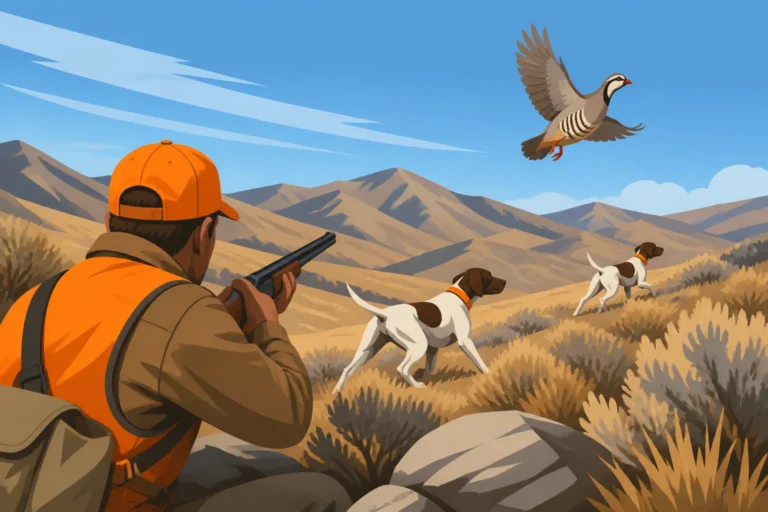
Before we dive into the dollars and cents, let's talk about what makes chukar hunting such an intense, almost legendary pursuit here in Nevada. These birds aren't called "devils of the rock piles" for nothing. They thrive in some of the most unforgiving, steep, and rocky terrain you can imagine, often covered in sharp volcanic scree and slick shale. When you find a covey, they often flush downhill at breakneck speed, only to land far below and then run uphill when pursued. It's a game of endless climbs, descents, and razor-sharp focus.
Why Chukar Hunters Seek Guidance
For many, a guided chukar hunt isn't just about bagging birds; it's about experiencing this unique challenge with someone who truly understands it. The learning curve for chukar can be brutally steep, leading to many frustrating, birdless days for the uninitiated. Guides offer invaluable local knowledge, years of experience reading the terrain, and, crucially, well-trained dogs that can pinpoint coveys and retrieve birds from impossible places.
Think about it: you've driven hours, maybe even flown across the country, just to experience the thrill of a chukar hunt. Do you really want to spend your precious hunting days stumbling around, second-guessing every move, and likely coming home empty-handed? That's where a guide comes in. They can significantly increase your chances of finding birds, provide the right gear advice, and most importantly, teach you the nuances of this demanding sport. It's often seen as an accelerator for the learning process, letting you compress years of trial and error into a few intense days. Why Chukar Hunting Is So Punishing perfectly encapsulates the kind of day you're signing up for, and a guide can make that punishment more productive.
The Value of Experienced Dogs
You simply cannot overstate the importance of good dogs in chukar hunting. These aren't your average park stroll dogs; they're finely tuned athletes bred and trained for specific terrain and quarry. A guide's dogs know how to work the steep, rocky ground, how to scent birds in the thermals, and how to recover a downed bird from a sheer cliff face. Without them, you're essentially walking around in a vast, empty landscape hoping for a miracle. They cover exponentially more ground, conserve your energy, and are often the difference between a successful hunt and a long hike. When considering a guided trip, a big part of what you're investing in is the guide's canine companions and their expertise.
Breaking Down the Costs of a Guided Chukar Day
Now, let's talk about what most people are really curious about: the money. A guided chukar day in Nevada can represent a significant investment, but understanding what typically goes into that cost helps manage expectations. There's what's included, what's usually extra, and a whole lot of variables that push the final figure up or down.
What's Typically Included in the Price
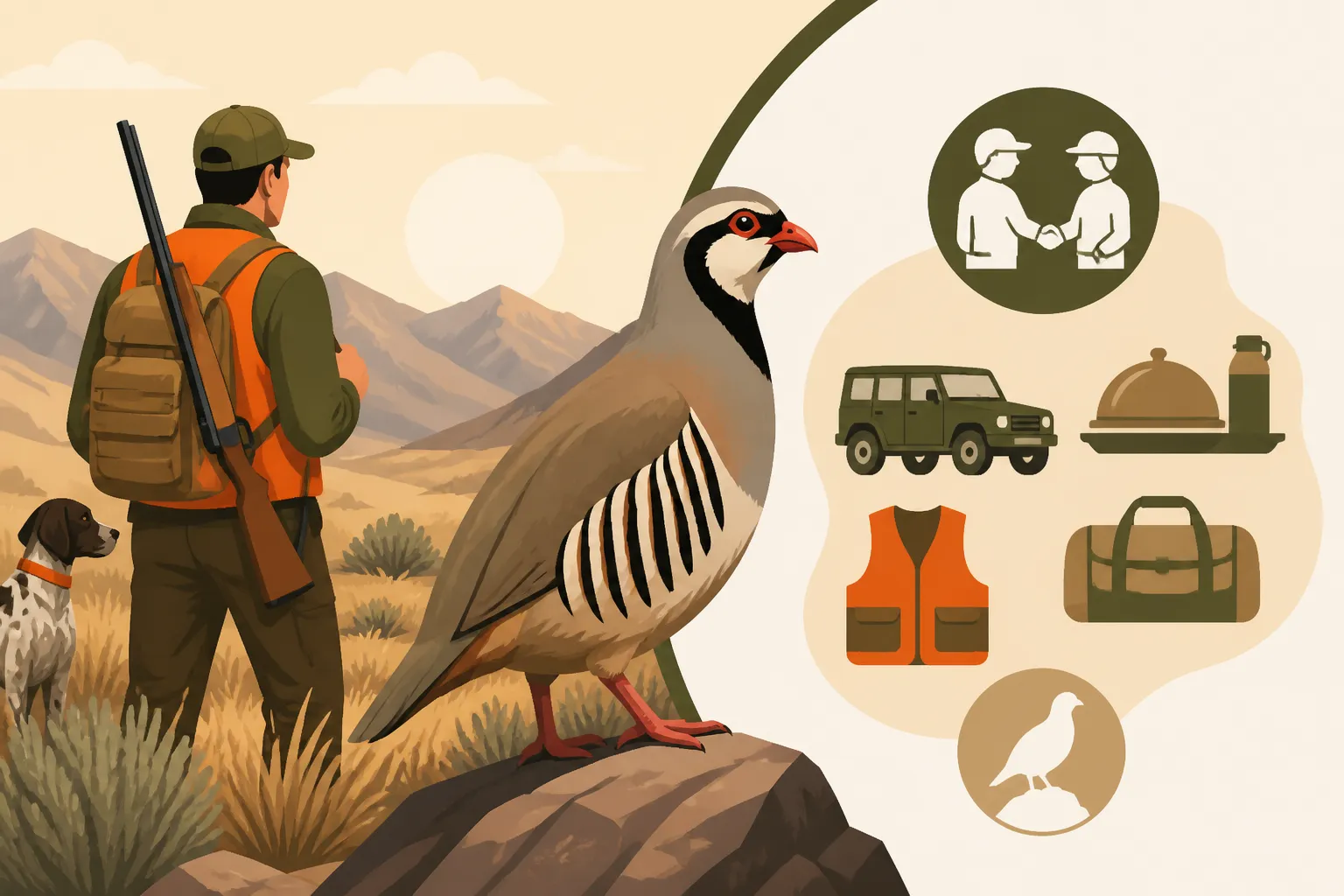
When you book a guided chukar hunt, you're usually paying for a package of services designed to maximize your chances and provide a safe, enjoyable experience. This almost always includes:
- Professional Guide Services: This is the core of it – the guide's expertise, their knowledge of the local chukar habitat, and their ability to read the terrain and the birds. They lead the way, make tactical decisions, and ensure your safety.
- Trained Bird Dogs: As we discussed, these dogs are indispensable. Their training, care, and health are a major part of a guide's overhead, and you're getting the benefit of their specialized skills. Hunting Chukar Behind a Guide's Dogs dives deeper into how these amazing animals work.
- Transportation During the Hunt: Most guides will pick you up at an agreed-upon meeting point and provide transportation in a suitable 4×4 vehicle to and from the hunting grounds. This is crucial for accessing remote areas that your rental car simply couldn't handle.
- Lunch and Non-Alcoholic Beverages: A packed lunch, snacks, and plenty of water are often provided, keeping you fueled for those long, strenuous climbs.
- Field Dressing of Birds: The guide will typically handle the initial field dressing of any harvested chukar, preparing them for transport.
- Basic Gear if Needed: Some guides might offer loaner items like a quality bird vest, strap-on gaiters (essential for protecting your shins from sharp rocks and cacti), or even a shotgun if you don't want to fly with your own. Always confirm this ahead of time.
Common Expenses Not Covered by the Base Rate
It's equally important to understand what's not usually included in the upfront cost, as these can add up quickly. Getting surprised by these additional expenses is a common frustration for hunters who haven't done their homework.
- Nevada Hunting License and Upland Game Bird Stamp: You absolutely need these to legally hunt. These are purchased separately from the Nevada Department of Wildlife (NDOW) before your hunt. Make sure you understand the requirements well in advance.
- Ammunition: You'll need to bring your own shotgun shells. Chukar hunting often involves a lot of shooting, so bring plenty!
- Gratuities for the Guide: Tipping your guide is customary and highly recommended, just as you would tip any service professional. This is a significant portion of their income and reflects your appreciation for their hard work, effort, and successful day.
- Lodging and Meals (outside of the provided lunch): You'll be responsible for your hotel, motel, or campsite accommodations and all other meals before and after the hunt.
- Travel to and from Nevada: Airfare, gas, rental car, and any associated travel costs are yours to cover.
- Game Processing and Shipping: If you want your birds professionally plucked, packaged, or shipped home, those are additional services you'll need to arrange and pay for.
- Personal Hunting Gear: This includes your shotgun, boots, appropriate clothing layers (crucial for Nevada's weather swings), and any personal items like binoculars or a GPS device. Physical Conditioning for a Chukar Hunt also mentions crucial gear like good boots.
A Look at Typical Inclusions and Exclusions
To make it a little clearer, here's a quick table outlining what you can generally expect:
| Item/Service | Typically Included? | Typically Excluded? | Notes |
|---|---|---|---|
| Guide Fee | Yes | Covers guide's time, expertise, and dogs. | |
| Trained Bird Dogs | Yes | Guide's dogs and their care. | |
| Field Transportation | Yes | From meeting point to hunting areas in a 4×4. | |
| Lunch/Snacks/Water | Yes | During the hunt. | |
| Field Dressing | Yes | Basic cleaning of birds for transport. | |
| Hunting License | Yes | Purchased separately from NDOW. | |
| Upland Game Stamp | Yes | Purchased separately from NDOW. | |
| Ammunition | Yes | Bring your own preferred gauge and shot size. | |
| Guide Gratuity | Yes | Customary tip for good service. | |
| Lodging | Yes | Your overnight accommodations. | |
| Breakfast/Dinner | Yes | Your meals outside of the hunt day. | |
| Travel (Air/Gas/Rental) | Yes | Getting to and from the hunting area. | |
| Specialized Gear | Yes | Your shotgun, boots, clothing, etc. (some loaners may be available). | |
| Meat Processing/Shipping | Yes | For extensive processing beyond field dressing. |
Factors That Influence the Price Tag
The cost of a guided chukar day isn't a fixed number; it fluctuates based on several key factors. Understanding these can help you find an option that fits your budget and expectations. When you're looking for an outfitter, platforms like BookYourHunt can give you a general idea of market rates and what different operations offer.
Guide Reputation and Experience
Just like in any profession, experience commands a premium. A guide with a stellar reputation, years (or even decades) of successful chukar hunts under their belt, and a consistent track record of putting clients on birds will naturally charge more. They've perfected their craft, their dogs are seasoned veterans, and they know the land intimately. If you're looking for a high-success, educational, and truly memorable experience, investing in a top-tier guide is often worth it. Newer guides, or those still building their client base, might offer slightly lower rates as they establish themselves.
Number of Hunters in Your Group
Most chukar guides price their services per hunter, per day. However, many offer discounts for larger groups. A solo hunter might pay a higher daily rate than someone who books with two or three friends. This is because the guide still has the same overhead (vehicle, gas, dog expenses) whether they're guiding one person or three. If you can round up a couple of hunting buddies, you might be able to reduce the per-person cost, making the trip more accessible.
Location and Accessibility of Hunting Areas
Nevada is a vast state, and some chukar spots are harder to reach than others. If a guide needs to drive several hours each way to access a prime, less-pressured chukar unit, or if the terrain requires specialized equipment to reach, those additional logistical challenges can factor into the price. Guides operating closer to major towns or in more easily accessible (though perhaps more pressured) areas might have slightly lower operational costs, which could translate to different pricing. When researching units, resources like GoHunt can provide valuable insights into accessibility and terrain, helping you anticipate potential guide costs related to location.
Season Timing and Demand
Chukar season typically opens in the fall and runs through the winter. The early season, especially around opening day, is often in high demand, as hunters are eager to get out. As the season progresses, and especially during colder, more challenging weather, demand might shift, and some guides could adjust their rates. Prime dates will almost always be booked solid and command full price. When Nevada Chukar Season Opening Date provides details on when the season typically kicks off.
What Extra Services Are Offered
Some outfitters go above and beyond the basic guided day. This could include:
- Multi-day packages: Booking several days in a row might come with a slight discount compared to booking individual days.
- Lodging options: A few guides might offer lodging as part of a more inclusive package, though this is less common for single-day chukar hunts.
- Meal upgrades: Beyond a basic lunch, some might provide a more gourmet field meal or offer dinner options.
- Gear rentals: Beyond basic items, some could rent shotguns, e-collars, or other specialized equipment.
The more comprehensive the service, the higher the overall cost. It's important to clarify exactly what you're getting to avoid unexpected bills. When you're asking Questions Worth Asking Before You Book, always inquire about these potential add-ons.
Is a Guided Chukar Hunt Worth the Investment?
This is the million-dollar question for many hunters. There's no single "yes" or "no" answer, as it depends entirely on your personal goals, budget, and hunting philosophy. However, we can explore the pros and cons to help you make an informed decision.
The Benefits of Going Guided
For many, the benefits far outweigh the costs, especially for a challenging species like chukar.
- Significantly Higher Success Rates: This is arguably the biggest draw. A good guide, with good dogs, dramatically increases your odds of finding birds and getting shooting opportunities. For a hunter with limited time, this can be crucial.
- Invaluable Education: A guided trip is a crash course in chukar hunting. You'll learn how to read the terrain, understand chukar behavior, work with dogs, and navigate the mountains safely. This knowledge is transferable to future DIY hunts.
- Safety in Remote Terrain: Nevada's chukar country can be dangerous. Guides know the safe routes, potential hazards (like rattlesnakes or treacherous footing), and are equipped for emergencies. Snake Awareness on an August Archery Hunt, while focused on archery, highlights the general need for caution in Nevada's wild spaces, a concern a guide alleviates.
- Access to Prime, Unpressured Areas: Guides often have permits and knowledge of specific, less-accessed public land areas where chukar thrive away from heavier pressure.
- Physical Stamina Management: While you'll still hike hard, a guide's expertise in planning routes can help conserve your energy by optimizing climbs and descents, ensuring you're fresh for shooting opportunities.
- Enjoyment and Camaraderie: Sharing the challenge and excitement with an experienced professional, and seeing their dogs work, adds another layer of enjoyment to the experience.
When a DIY Approach Might Be Better
For some, a guided trip might not be the right fit, or at least not yet.
- Budget Constraints: Let's face it, guided hunts are expensive. If your budget is tight, a DIY hunt, even if it means fewer birds, might be your only option. You'll save significantly on guide fees.
- Desire for Self-Sufficiency: Some hunters prefer the challenge of figuring it out entirely on their own, finding their own birds, and relying solely on their skills. There's a deep satisfaction in a hard-earned DIY bird.
- Extensive Prior Experience: If you're already a seasoned chukar hunter with proven success in similar terrain, a guide might be less necessary, unless you're looking to explore a completely new region or specific, hard-to-access units.
- Plenty of Time to Scout: If you have weeks or months to dedicate to scouting, learning the terrain, and finding birds yourself, you might be able to replicate some of what a guide offers, given enough effort. E-Scouting a Nevada Unit Before the Season is a great resource for this approach.
Ultimately, the decision comes down to what you value most. If you prioritize learning, efficiency, safety, and a higher probability of success on one of the most challenging upland birds, a guided chukar hunt in Nevada is a truly worthwhile investment. It's an experience that goes beyond just bagging birds; it's about pushing your limits in incredible country, guided by someone who knows it like the back of their hand.
Disclaimer
This article is for general informational purposes only and does not constitute professional advice. Laws, prices and regulations vary by location and change over time. Consult a qualified professional for guidance on your specific situation.