What to Do If an Outfitter Cancels
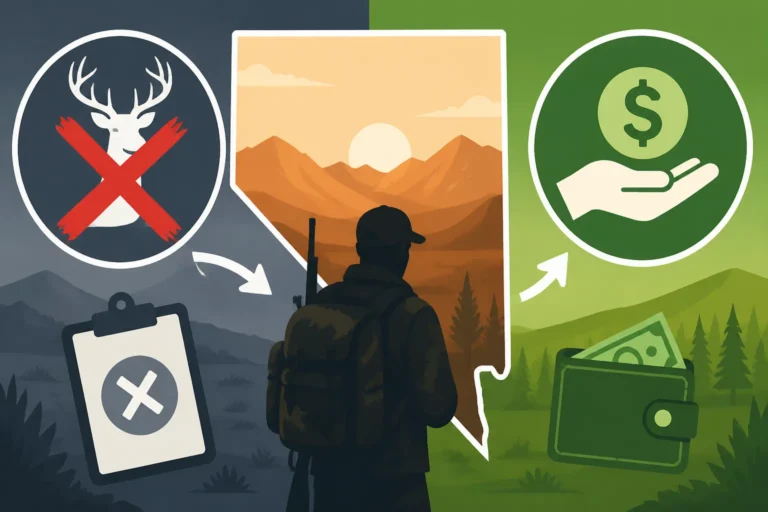
It’s a hunter’s worst nightmare: you’ve spent months planning, endured the nail-biting wait for draw results, and meticulously booked your dream Nevada hunt with an outfitter, only for them to call and say, "We have to cancel." The gut punch is real, leaving you with a mix of frustration, confusion, and a frantic scramble to figure out what comes next. This guide is here to walk you through the essential steps and considerations when your booked outfitter cancels, helping you navigate the situation as smoothly as possible and hopefully salvage your hunting season.
Understanding Your Outfitter Agreement
The very first place your mind should go, even before panic sets in, is your outfitter agreement. That contract you signed (or should have signed!) holds the key to understanding your rights and the outfitter's obligations in the event of a cancellation. Think of it as your hunting season's constitution.
The Importance of a Written Contract
Believe it or not, some hunters still operate on a handshake agreement, or worse, just a few emails. While trust is a wonderful thing, when money and precious tags are involved, a detailed, written contract is absolutely non-negotiable. This document should spell out every aspect of your hunt: the dates, the species, the specific unit or area, the services included (food, lodging, guiding, transportation), the payment schedule, and crucially, the terms for changes or cancellations. Without it, you're essentially flying blind if anything goes awry. It protects both you and the outfitter, laying a clear foundation for expectations.
Before you ever commit to a hunt, dedicate serious time to reviewing the contract. Don't skim it. Read every line, question anything that's unclear, and make sure you understand the implications of each clause. This might feel tedious when you're excited about an upcoming adventure, but it's an investment in peace of mind. A good contract should leave no room for ambiguity about what happens if plans change.
Identifying Cancellation Clauses and Refund Policies
Within that contract, you're looking for specific language regarding cancellations. Most reputable outfitters will have a clear policy outlining what happens if they cancel the hunt versus if you cancel. Typically, if the outfitter cancels, the contract will detail whether you receive a full refund, a partial refund, or a credit towards a future hunt. There might be different stipulations depending on how close to the hunt date the cancellation occurs. For instance, a cancellation six months out might warrant a full refund, while one a week before the season could be more complex.
It's also important to note that many outfitters have non-refundable deposits. This is common practice, as that deposit often covers their initial administrative costs, booking fees, and the opportunity cost of holding those dates for you. Understanding these nuances, especially as detailed in Deposits and Cancellation Terms in Nevada, is critical. Don't assume a full refund is always guaranteed; the contract is your source of truth.
Force Majeure and Unforeseen Circumstances
Another crucial clause to look for is "force majeure." This fancy legal term basically covers "acts of God" or unforeseen circumstances beyond anyone's control. Think wildfires closing a hunting unit, extreme weather making travel impossible, unexpected regulatory changes from Nevada's wildlife department, or a personal emergency (like serious illness) on the outfitter's part.
If a force majeure event leads to a cancellation, the contract usually specifies how it's handled. Sometimes it means a full credit for a future hunt, sometimes a partial refund, and sometimes even no refund at all, depending on the severity and impact. This clause is there to protect both parties from situations no one could have predicted. While it can be frustrating, especially if your drawn tag is now essentially useless for that year, it's a reality of outdoor adventures. Always read this section carefully to know your standing should mother nature or other major events interfere with your plans.
Immediate Steps When an Outfitter Cancels
Okay, the call or email has come in. Your outfitter, perhaps one you found through a platform like BookYourHunt or GoHunt, has cancelled. Take a deep breath. Here’s how to proceed systematically.
Confirming the Cancellation and Understanding the Reason
Your absolute first priority is to get the cancellation confirmed in writing. An email is perfect. This creates a paper trail and eliminates any "he said, she said" scenarios down the road. In this communication, politely ask for the specific reason for the cancellation. Knowing why they cancelled can significantly influence your next steps. For example:
- Outfitter illness or emergency: This is unfortunate but understandable. They might offer to reschedule or refer you to another reputable outfitter.
- Overbooking or staffing issues: This is a red flag and suggests poor management. It strengthens your case for a full refund.
- Loss of hunting access: If they lost access to the private land or a specific public land permit, it's a legitimate reason, but they should still honor refund or reschedule terms.
- Wildlife population issues or regulatory changes: Nevada can change seasons or quotas, especially for certain species. This might be a force majeure situation.
Understanding the why helps you assess the fairness of their proposed solution and how firmly you can push for your desired outcome. Document every detail, including dates and times of communications.
Reviewing Your Contract and Documentation
Once you have the cancellation in writing, pull out your contract immediately. Read through it again, specifically focusing on the cancellation clause and force majeure section we just discussed. Highlight the relevant parts that apply to your situation. This contract is your best advocate.
Gather all other pertinent documentation: your confirmation emails, payment receipts, screenshots of any online booking confirmations (perhaps from a site like BookYourHunt), and any communication leading up to the cancellation. The more thoroughly you've documented your booking and payments, the stronger your position will be when discussing resolutions. This prep work ensures you're informed and organized when you start discussions with the outfitter.
Communicating Professionally and Clearly
It's easy to let frustration and disappointment take over, but maintaining a calm, professional tone is crucial. Start by expressing your disappointment but also an understanding (if applicable) of their situation. Clearly state that you are looking for a resolution based on your signed agreement.
Specify what you expect: a full refund, a partial refund, or a credit for a future hunt. If you have a drawn tag for a specific unit, like one you identified using a service like GoHunt, emphasize the difficulty and value of that tag. Ask what steps they will take to facilitate your request and by when. Remember, every conversation should ideally be followed up with an email summarizing what was discussed and agreed upon. This creates a further record and keeps everyone accountable. Persistence, coupled with professionalism, often yields the best results.
Navigating Refunds, Rescheduling, and Alternatives
After the initial shock and communication, it's time to figure out the path forward for your hunt. This often involves a negotiation or clear understanding of the options available.
Pursuing a Refund or Credit
If your contract dictates a refund, or if the outfitter is offering one, be clear about the amount and the timeline for receiving it. If the outfitter is hesitant or unresponsive, and your contract supports a refund, you may need to escalate. Send a formal letter referencing the contract and the cancellation, reiterating your request. If payment was made by credit card, and the outfitter is outright refusing a legitimate refund stipulated in your contract, you might be able to dispute the charge with your credit card company. This should be a last resort, as it can damage relationships, but it’s an option for non-compliance.
Alternatively, many outfitters, especially those facing legitimate unforeseen circumstances, will offer a credit for a future hunt. This can be a good option if you trust the outfitter and intend to hunt with them again. Ensure the credit has clear terms: does it expire? Can it be transferred? Can it be used for a different species or type of hunt? Weigh the value of a future hunt against the immediate need for your money back, especially if you have other plans.
Exploring Rescheduling Options
Sometimes, a cancellation simply means a delay, and rescheduling is a viable path. Discuss potential new dates with the outfitter. This might mean pushing your hunt to later in the current season (if tags and regulations allow) or into the following year. Consider how this impacts your tag. If you had a specific Nevada draw tag, will that tag still be valid for the rescheduled hunt? This is a crucial question, as drawn tags can be incredibly hard to come by, especially for prime units.
| Scenario | Common Outfitter Offer | Hunter's Best Approach |
|---|---|---|
| Outfitter Cancels (Non-Force Majeure) | Full refund or credit for future hunt. | Request full refund, or clear terms for credit. |
| Outfitter Cancels (Force Majeure) | Credit for future hunt, sometimes partial refund. | Understand contract, negotiate fair credit or partial refund. |
| Hunter Cancels | Forfeit deposit, partial refund depends on timing. | Review contract, aim to minimize losses, offer to find replacement. |
| Rescheduling due to mutual agreement | Shift dates, potentially small rebooking fee. | Confirm all new details in writing, check tag validity. |
If rescheduling for the same species and unit isn't possible, explore other options with the outfitter. Perhaps they have an availability for a different species or a different type of hunt you'd be interested in. Flexibility on your part can sometimes open up new opportunities, but never compromise on what you truly want out of a hunting experience.
Finding an Alternative Outfitter or DIY Hunt
With a cancelled hunt, especially if it was for a coveted drawn tag, time is of the essence. You might need to find an alternative quickly. Start by reaching out to other reputable outfitters. Platforms like BookYourHunt are excellent for quickly searching available hunts, and GoHunt offers fantastic resources for researching units and potential DIY opportunities if you decide to go that route. Don't be shy about explaining your situation; sometimes outfitters have last-minute openings due to other cancellations.
If finding another outfitter proves difficult or too expensive on short notice, consider if a DIY hunt is feasible. Do you have the skills, gear, and knowledge to hunt the area on your own? For many Nevada units, a self-guided hunt requires significant preparation, especially for areas that are Preparing for Long Glassing Days. Tools and information from GoHunt can be invaluable here, helping you scout new areas digitally. This might mean adjusting your expectations, but salvaging your season with a successful DIY hunt can be incredibly rewarding. If you've been considering Hunting Solo Against Hiring a Guide, this might be the unplanned opportunity to try it.
Protecting Yourself for Future Hunts
Experiencing an outfitter cancellation is a tough lesson, but it’s one that can teach you how to better prepare for future adventures.
Due Diligence Before Booking
The best defense against a bad cancellation experience is thorough preparation before you even book. Before putting down a deposit, perform extensive due diligence on any outfitter you're considering. Don't just rely on their website testimonials.
- Check References: Ask for a list of recent clients and actually call them. Ask specific questions about their experience, the outfitter's professionalism, and how any unexpected issues were handled.
- Verify Licensing: Ensure the outfitter is properly licensed by the Nevada Department of Wildlife (NDOW). You can usually check this on the NDOW website or by contacting them directly. Understanding How NDOW Licenses Guides and Outfitters is critical for your peace of mind.
- Read Reviews (Skeptically): While online reviews can be helpful, be wary of overly enthusiastic or extremely negative ones without detail. Look for consistent themes.
- Ask About Cancellation Policies: Don't wait for them to tell you. Explicitly ask, "What is your policy if you have to cancel? What if I have to cancel?" Get the answers in writing or ensure they are clearly outlined in the contract. Questions like Questions Worth Asking Before You Book can save you a lot of heartache.
Considering Hunt Insurance
For many hunters, especially those investing a significant amount in a drawn tag or an expensive outfitter hunt, hunt insurance is becoming an increasingly popular safeguard. This isn't just about covering lost luggage; specialized hunt insurance can cover:
- Trip Cancellation: If you have to cancel due to unforeseen medical emergencies, job loss, or other covered reasons.
- Lost Tag Fees: Some policies will reimburse the cost of a non-refundable tag if you can't use it.
- Outfitter Cancellation: Certain policies specifically cover situations where your outfitter cancels, providing reimbursement for lost deposits or hunt fees.
It's crucial to read the policy details carefully to understand what is and isn't covered. While it's an added expense, the peace of mind it offers, especially for a high-stakes hunt like a Nevada elk or bighorn draw, can be invaluable. Don't forget to investigate if the policy would kick in if the outfitter failed to refund you according to contract terms.
Financial Safeguards and Payment Strategies
How you pay for your hunt can also offer a layer of protection. Whenever possible, use a credit card for deposits and payments. Credit card companies often provide purchase protection and a dispute resolution process that can be a lifesaver if an outfitter refuses to honor their contract. Paying with a personal check or cash offers almost no recourse if things go sideways.
Avoid paying the full amount too far in advance, unless your contract specifically requires it and you have solid insurance or a long-standing, trusted relationship with the outfitter. A common structure is a deposit to book, a mid-point payment, and the final balance due shortly before the hunt. This strategy gives you some leverage and helps manage your financial risk. Keep meticulous records of all payments, just as you would for any other significant investment. Understanding typical payment structures and what The All-In Price of a Nevada Nonresident Deer Tag includes can help you benchmark.
Disclaimer
This article is for general informational purposes only and does not constitute professional advice. Laws, prices and regulations vary by location and change over time. Consult a qualified professional for guidance on your specific situation.