When Nevada Elk Muzzleloader Hunts Run
It can feel like navigating a maze trying to pinpoint the exact dates for Nevada's coveted elk muzzleloader hunts. With seasons varying by unit, specific weapon type regulations, and the sheer competition for these tags, it’s easy to get frustrated trying to plan. This guide is here to untangle that complexity, giving you a crystal-clear picture of when these unique seasons run and how you can best prepare for them.
Understanding the Nuances of Nevada's Elk Muzzleloader Seasons
Nevada's elk muzzleloader seasons are a prime example of how specific and detailed big game hunting regulations can be. Unlike a general rifle season that might cover broad swaths of the state, muzzleloader hunts are often highly localized, running for short, intense windows in very specific units. This precise timing isn't arbitrary; it's carefully designed by the Nevada Department of Wildlife (NDOW) to manage herd populations, distribute hunting pressure, and offer unique opportunities to hunters. For many, these hunts represent a chance to experience elk hunting with a challenging, traditional weapon during times that often coincide with prime elk activity.
The frustrating part, of course, is that these details aren't always immediately obvious. You can't just pick a month and expect a statewide muzzleloader season. Instead, you're looking at a patchwork of opportunities that demand diligent research and careful planning, especially if you're holding one of those hard-won tags. Understanding the "when" is just the first step; the "why" and "how" of these seasons are just as crucial for a successful hunt.
The General Muzzleloader Hunt Timelines for Elk
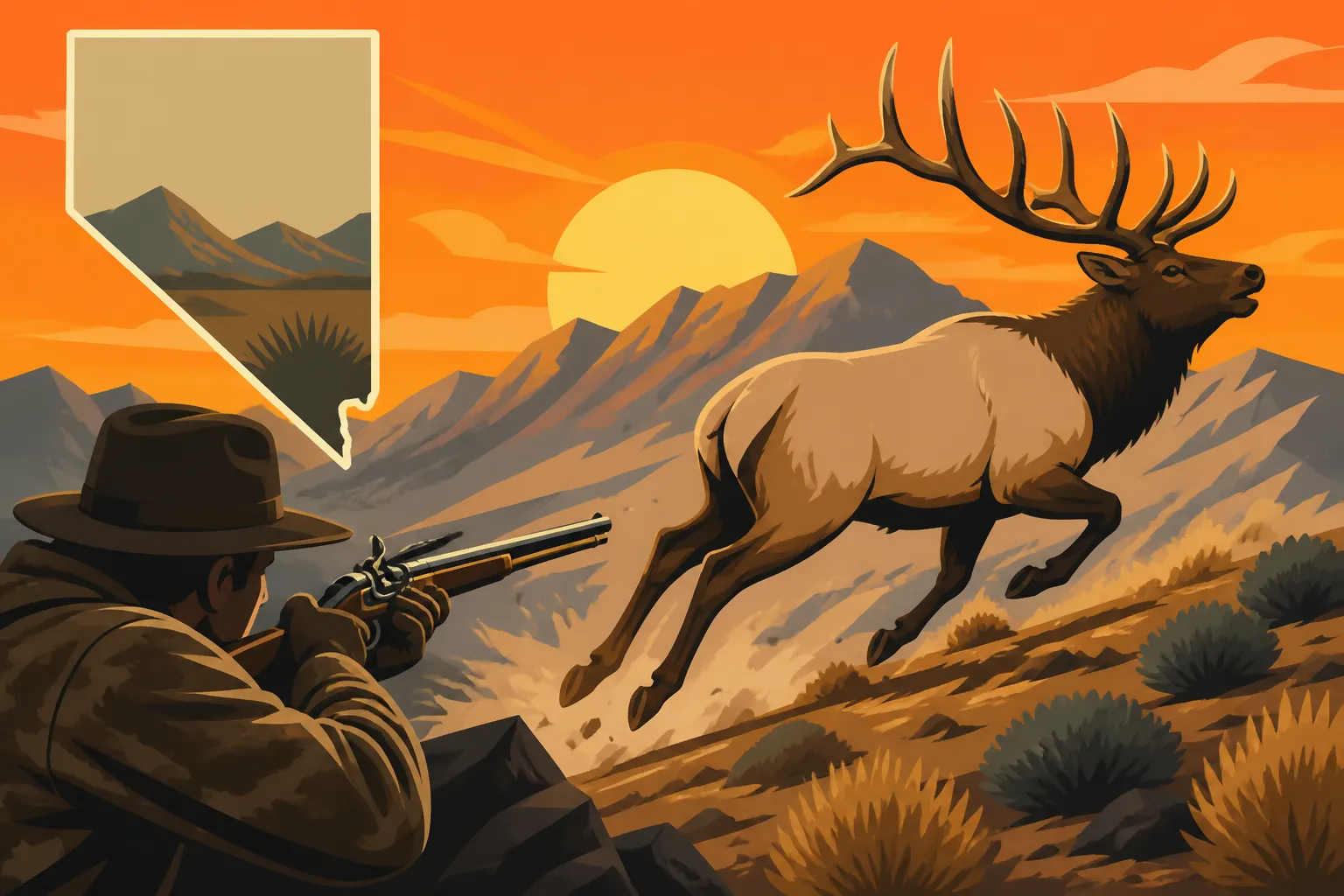
When we talk about Nevada's elk muzzleloader hunts, most hunters immediately think of September. And for good reason – this is indeed the most common and often most sought-after window for these specialized tags. These September hunts are timed to fall right after the peak of the archery rut, or sometimes even overlap with the tail end of it, offering a fantastic opportunity to hear bulls bugle and potentially call them in. Picture crisp autumn mornings, the sound of a bugle echoing across a sage-covered basin, and the challenge of closing the distance with a single-shot muzzleloader. It's a truly exhilarating experience that captivates many.
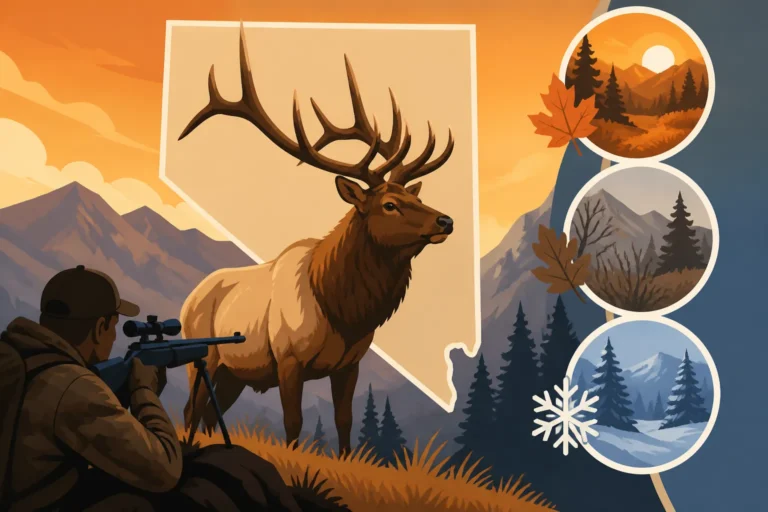
However, it’s a mistake to assume September is the only time. While less frequent, some units may offer later muzzleloader seasons, occasionally extending into October or even early November. These later hunts present an entirely different set of challenges and rewards. The elk might be transitioning to winter ranges, focused more on feeding than rutting, and weather conditions can be much harsher. Snow can be a factor, potentially making access difficult but also concentrating animals and revealing tracks. These "shoulder" season muzzleloader hunts tend to see less hunter pressure, but they also require a different approach and a higher tolerance for colder, more unpredictable weather. Knowing the difference and preparing for either scenario is key. It's not just about the dates, but the conditions those dates imply. If you're looking at specific units, our guide on Nevada Elk Muzzleloader Timing by Unit offers a deeper dive into these variations.
Why Specific Units Dictate Your Muzzleloader Window
The real puzzle piece in Nevada elk muzzleloader hunting is the unit-specific nature of the seasons. Nevada's vast and diverse landscape, from its high desert mountains to its sparse pinyon-juniper country, means that elk populations and their behaviors vary significantly by region. Consequently, NDOW designs hunting seasons to align with the ecological conditions and herd management objectives of individual units or unit groups. This means that a muzzleloader elk hunt in the vast, open ranges of eastern Nevada might have completely different dates and even rules than a hunt in the forested mountains of the northern part of the state.
For example, a unit known for higher bull-to-cow ratios or a strong tradition of trophy animals might have a very short, restrictive muzzleloader season to limit harvest, often placing it in that coveted early September window. Conversely, units with a robust, expanding herd might have a slightly longer or even multiple muzzleloader periods. This unit-by-unit approach also considers access, typical weather patterns, and even other concurrent hunts (like archery deer or general rifle elk) to minimize conflicts and maximize the quality of the hunting experience. When you're trying to figure out Which Units Open Elk Muzzleloader in September versus When the Rest of the Elk Muzzleloader Hunts Start, you'll quickly realize how localized this information truly is. This is where a detailed resource like GoHunt becomes invaluable, allowing you to filter seasons by weapon type and unit, presenting all the relevant dates in one place without sifting through dozens of pages of regulations. Without understanding your specific unit, the broader statewide dates are almost meaningless, which is a frustration many new applicants face.
Advantages and Challenges of Muzzleloader Elk Hunting in Nevada
Choosing to pursue elk with a muzzleloader in Nevada is a commitment to a unique and often more challenging hunting experience. It's not for everyone, but for those who embrace it, the rewards can be profound. The "primitive weapon" aspect of muzzleloader hunting inherently adds a layer of difficulty and satisfaction, pushing hunters to refine their stalking skills, shot placement, and understanding of animal behavior. However, this challenge comes with its own set of considerations, from the limitations of the weapon itself to the specific timing of these hunts.
Many hunters are drawn to muzzleloader seasons because they often fall into those magical transitional periods between archery and general rifle, sometimes offering less competition than rifle hunts and different opportunities than archery. But make no mistake, it demands a different kind of preparation and mindset. It's about being patient, precise, and profoundly connected to the moment.
The Thrill of Hunting During the Rut's Echoes
One of the biggest draws for Nevada's September muzzleloader elk hunts is their proximity to the rut. While archery hunters often get the very peak, muzzleloader season often catches the tail end or the active 'echoes' of the rut, particularly in early to mid-September. This means you still have a very real chance of hearing bulls bugle and respond to calls, which transforms the entire hunt into an interactive and intensely exciting experience. The possibility of Bugling Bulls in Nevada's Northern Mountains during your hunt with a muzzleloader adds an incredible dimension, turning a stalk into a chess match of calls and counter-calls.
Imagine slipping through the timber or across a sage flat, hearing a distant challenge, and then slowly working your way into position, using cow calls and locator bugles to draw a bull closer. With a muzzleloader, that "closer" distance is absolutely critical. You can't rely on the reach of a modern high-powered rifle. This forces you to become an even more skilled woodsman, reading wind, terrain, and elk body language with heightened awareness. The satisfaction of closing that last 100 yards and getting a shot opportunity on a rutting bull with a muzzleloader is unparalleled, a testament to pure hunting skill and dedication. Even if the bugling has subsided to scattered grunts, the excitement of being in elk country during this energetic time is truly special, giving you a completely different experience than a late-season rifle hunt. Understanding When the Elk Rut Peaks in Nevada can help you strategize which specific muzzleloader hunts might offer the best bugling action.
Overcoming Gear and Skill Demands
Muzzleloader hunting, especially for an animal like elk, presents specific gear and skill demands that differ from other weapon types. First and foremost, the weapon itself requires intimate knowledge. You're dealing with black powder or its substitutes, specific bullet types (often sabots or full bore projectiles), and primers. Unlike a modern rifle where you just load a cartridge, loading a muzzleloader is a multi-step process that needs to be practiced until it's second nature. Imagine fumbling with powder and a ramrod when a bull is closing in – not ideal! You'll need to know your Muzzleloader Caliber Minimums for Elk and ensure your setup meets all NDOW regulations. This means hours at the range, not just shooting, but practicing the entire loading and shooting sequence under pressure.
Beyond the weapon, muzzleloader hunting often means limited range. While some modern muzzleloaders can be surprisingly accurate at longer distances, most hunters prefer to keep their shots under 150-200 yards for ethical and consistent performance on large game. This greatly emphasizes stalking and calling skills. You can't just spot an elk across a canyon and expect a high-percentage shot like you might with a long-range rifle setup. Furthermore, NDOW regulations dictate what kind of optics are legal on muzzleloaders. While a scope may be allowed in many jurisdictions, you'll need to confirm Can You Use a Scope on a Muzzleloader? in Nevada, as rules can change or be specific to the hunt code. This focus on getting close, combined with the single-shot nature of the weapon, ratchets up the mental game significantly. Every decision, every move, becomes magnified.
| Feature | Muzzleloader Elk Hunting | Rifle Elk Hunting (General Season) |
|---|---|---|
| Typical Season Time | Primarily September (rut echoes), some later hunts. | October to December, post-rut or migration. |
| Weapon Challenge | Single shot, slower reload, shorter effective range, specific powder/projectile needs. | Multi-shot, faster reload, longer effective range, modern optics. |
| Hunting Style | Heavily reliant on stalking, calling, understanding wind, and terrain for close approaches. | Often involves glassing, long-range shooting, covering vast distances. |
| Hunter Pressure | Generally less pressure than peak rifle seasons, but tags are very limited and competitive. | Can be high, especially on public land during opening weekends. |
| Trophy Potential | Excellent, as seasons often coincide with rutting activity for mature bulls. | Excellent, especially in late seasons when bulls are concentrated or migratory. |
| Weather Conditions | Mild to cold in September, potentially harsh with snow in later seasons. | Can range from mild to extremely cold and snowy, requiring robust gear. |
Planning Your Nevada Muzzleloader Elk Application and Hunt
Securing a Nevada elk tag, especially a muzzleloader one, is a significant achievement given the state's draw odds. Once you have that tag in hand, the real planning begins. It's not just about showing up with your muzzleloader; it's about meticulously understanding the hunt unit, the specific regulations tied to your hunt code, and making sure your gear and physical conditioning are up to the challenge. The expansive nature of Nevada's public lands means that every detail, from scouting to camp setup, needs careful consideration.
The application process itself is a hunt, and if you’re successful, the actual field hunt is a culmination of months, if not years, of preparation. Many hunters, myself included, have learned the hard way that overlooking a single detail can turn a dream hunt into a frustrating ordeal. This is particularly true in Nevada, where distances are vast, and services are sparse.
Deciphering Hunt Codes and Draw Odds
The Nevada Department of Wildlife assigns specific "hunt codes" to every season, and these codes are your key to unlocking all the necessary details for your muzzleloader elk hunt. A hunt code (e.g., ELK M0162) will tell you the species, weapon type (M for muzzleloader), and the specific unit or unit group (162). Each code is tied to its own set of dates, tag quotas, and often specific regulations. It’s absolutely critical to understand how to read a Nevada hunt unit number so you know exactly where you can hunt and when. Misinterpreting these codes can lead to hunting in the wrong unit or outside the legal season, which nobody wants.
When you're still in the application phase, resources like GoHunt are indispensable for diving into the draw odds for these specific muzzleloader tags. They aggregate years of draw data, showing you how many tags were issued, how many applicants there were, and the success rates for both residents and non-residents. This data helps you make informed decisions about where to apply, especially since tags for prime September muzzleloader hunts are often incredibly difficult to draw. For example, if you're looking at a specific unit, GoHunt can show you that the Nevada Elk Muzzleloader Timing by Unit for that area might offer slightly better odds than another, or it might highlight units with better Elk Harvest Success Broken Down by Unit from previous years, guiding your application strategy.
Essential Preparations for a Successful Muzzleloader Season
Once you’ve successfully drawn a muzzleloader elk tag, the real work begins. Physical preparation is paramount, especially for Nevada’s rugged, vast terrain. Elk often inhabit steep, broken country, and you’ll be covering a lot of ground, often at elevation. Our guide on Preparing Physically for Long Glassing Days is a great starting point, but for muzzleloader hunting, you'll likely be doing more than just glassing; you'll be actively stalking and possibly packing out an animal from remote areas. Start a rigorous exercise routine well in advance, focusing on cardio, strength, and endurance. Being in top physical shape not only increases your chances of success but also your safety and enjoyment in the field.
Beyond physical fitness, extensive e-scouting and pre-season scouting are critical. Nevada units are massive, and knowing the terrain, water sources, and potential elk hangouts before you arrive is invaluable. Use tools like GoHunt’s mapping features, along with other satellite imagery and topographic maps, to identify potential areas. Look for north-facing slopes, dense timber pockets, water sources, and historical elk movement corridors. This helps you narrow down vast units into manageable hunting blocks. Our article on E-Scouting a Nevada Unit Before the Season provides detailed steps on how to do this effectively. When you combine this digital groundwork with practical skills like sighting in your muzzleloader, practicing ethical shot placement, and ensuring you have all the necessary gear – from optics to emergency supplies – you're setting yourself up for the best possible experience in Nevada's challenging elk country.
Finding Your Specific Hunt Dates and Staying Informed
In the dynamic world of hunting regulations, staying current is not just important, it's a legal necessity. Nevada's hunting seasons, while generally consistent, can see minor tweaks from year to year based on wildlife population surveys, weather impacts, and management objectives. This is especially true for specialized hunts like muzzleloader elk seasons, which are finely tuned to specific herd segments and ecological conditions. Relying on outdated information can lead to disappointment or, worse, legal issues. Therefore, knowing exactly where to find the most up-to-date information is crucial for any hunter.
It's a common frustration to hear anecdotal information about "when the hunt is," only to discover the official dates are slightly different. The key is always to go straight to the source and verify every detail for your specific hunt code.
Navigating NDOW Resources for Current Regulations
The single most authoritative source for Nevada's elk muzzleloader hunt dates and regulations is the Nevada Department of Wildlife (NDOW) itself. Every year, NDOW publishes a comprehensive "Nevada Big Game Hunt Application Guide" or a similar regulations booklet. This document contains the official season dates, unit boundaries, weapon restrictions, and all other legal requirements for every big game hunt in the state. You can usually find this document on the NDOW website (ndow.org) as a downloadable PDF. When you're trying to figure out Nevada Elk Muzzleloader Season Timing, this is your absolute bible.
It's vital to download and carefully read the regulations specific to the current year you intend to hunt. Don't rely on last year's regulations or information from forums, as small but significant changes can occur. Look for the section pertaining to elk hunts, and then specifically for muzzleloader hunts, identifying your exact hunt code. Pay close attention to the open and close dates, legal shooting hours, and any unit-specific notes. While online tools like GoHunt are excellent for quick reference and analysis, always cross-reference the final details with the official NDOW regulations document. This ensures you're fully compliant and have the most accurate information at your fingertips, reducing the stress and uncertainty that can plague a hunt in unfamiliar territory.
Utilizing Scouting Tools and Community Insights
Beyond the official regulations, modern technology and community insights offer powerful ways to refine your understanding of your muzzleloader elk hunt. Digital mapping tools, such as those found on GoHunt, onX Hunt, or other GPS applications, allow you to overlay public land boundaries, historical burn areas, water sources, and even satellite imagery to get an unparalleled view of your unit. By combining the official dates with visual scouting, you can identify potential access points, glassing knobs, and areas where elk might be concentrated during your specific hunt window. For instance, if your hunt is in late September, you might be looking for higher elevation feeding areas before the elk start their descent, as described in Reading a Nevada Hunt Unit Before You Apply.
Joining online hunting communities or forums dedicated to Nevada hunting can also provide valuable, albeit unofficial, insights. While you should always verify official dates, hunters often share experiences about general elk movement patterns, weather impacts during certain seasons, and successful tactics for muzzleloader hunting in specific regions. This collective knowledge can give you a feel for the pulse of a unit and help you understand the nuances beyond just the dates. However, use caution and discretion with shared information; never treat it as official, and always be respectful of others' experiences. The combination of official data, advanced mapping, and community wisdom creates a well-rounded approach to preparing for your Nevada elk muzzleloader hunt.
Disclaimer
The information provided in this article is for general guidance and informational purposes only. Hunting regulations, season dates, and unit boundaries are subject to change by the Nevada Department of Wildlife (NDOW). Hunters are solely responsible for verifying all current regulations, season dates, and licensing requirements directly with NDOW before applying for a tag or heading into the field. This content does not constitute legal advice or an official endorsement of any hunting practice.