When Nevada Elk Rifle Seasons Open
It can feel like you need a secret decoder ring just to figure out when big game seasons actually open in Nevada, especially when you're dreaming of chasing those majestic elk across the sagebrush-dotted mountains. You pore over the regulations, trying to make sense of hunt codes, unit groupings, and date ranges that seem to shift slightly every year. This guide is here to untangle that knot, giving you a clear picture of when Nevada's rifle elk seasons typically kick off, what to look for in the regulations, and how to plan your hunt around those crucial dates.
Understanding the General Timeline for Nevada Elk Rifle Seasons
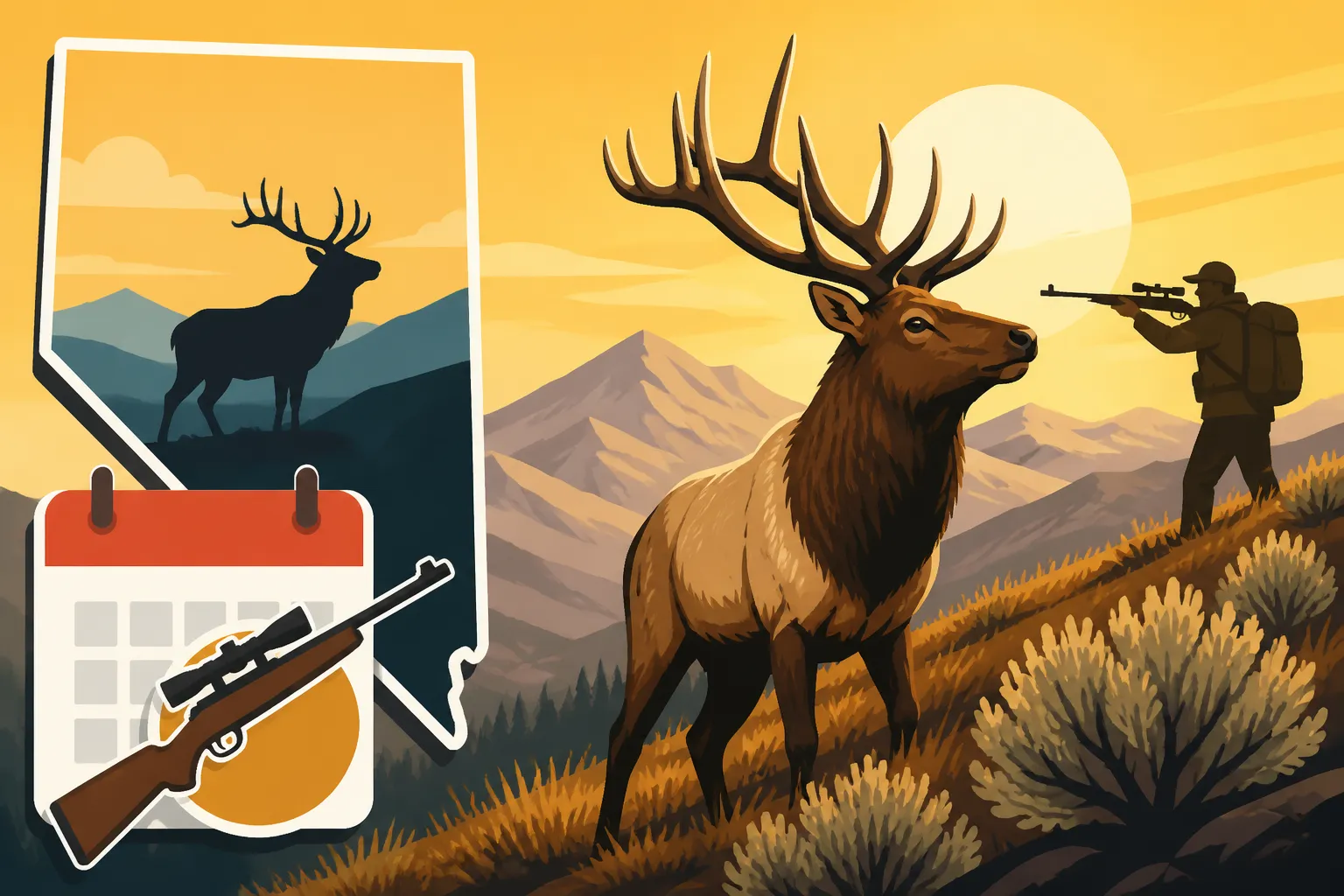
If you've been putting in for Nevada elk for a while, you know that patience is a virtue, both in the draw and in waiting for those season dates to arrive. Generally speaking, Nevada's rifle elk seasons primarily open in October, extending through early November, with some specialized hunts running even later into December. It's not like clockwork for every unit across the entire state, which is where the confusion often sets in. Instead, the Nevada Department of Wildlife (NDOW) meticulously crafts specific hunt codes for different units or unit groups, each with its own set of dates designed to manage herd health and provide diverse hunting opportunities.
What does this mean for you, the hunter? It means you can't just assume "elk season" is a single block of time. There are often distinct windows: an earlier October rifle season, a more general mid-to-late October into early November season, and then those coveted late-season opportunities. These differing timelines are put in place for a multitude of reasons, from targeting specific age classes of bulls to managing localized herd impacts or even working around migration patterns. When you're looking at the big game season regulations, pay close attention to the individual hunt numbers listed. Each three or four-digit code corresponds to a specific unit or unit complex, a weapon type, and a specific date range. For instance, a hunt coded "1611" might be an early October rifle hunt in a northern unit, while "1633" could be a late November/early December rifle hunt in a more central or eastern range. This specificity is crucial and why checking the official NDOW regulations annually is non-negotiable. It's a system that, while complex, allows for nuanced management across Nevada's incredibly diverse landscapes and elk populations.
Key Opening Dates and How They Vary by Unit
The beauty, and sometimes the headache, of Nevada elk hunting lies in its diversity. Not all units are created equal, and neither are their rifle elk season opening dates. You'll find that the earliest rifle seasons for elk typically begin in the first week of October. These early hunts often target specific units or those with robust elk populations that can sustain earlier pressure. Think about the northeastern corners of the state, where some of the more established herds reside, or certain ranges in central Nevada. These early hunts can be fantastic, sometimes catching the tail end of the elk rut, leading to incredible bugling action for hunters who prefer rifle to archery but still want some of that thrilling interaction.
As the calendar progresses, the majority of Nevada's general rifle elk seasons open up around the middle of October, often around the 10th to the 15th, and run for several weeks into early November. This is the sweet spot for many hunters, offering cooler weather, changing leaves in the aspens, and elk that are often still active from the rut or are beginning to move into transitional feeding areas. Some of the most sought-after units, often those known for producing trophy bulls, will fall into this mid-October opening window. However, it’s not uncommon to find that different units, even within the same general region, might have staggered opening dates to spread out hunting pressure or to align with local elk behavior. For instance, one unit might open on October 10th, while an adjacent unit might not open until October 15th, or even the 20th. This is why a tool like GoHunt's Insider platform, with its detailed unit breakdowns, can be invaluable for cross-referencing these dates when you're trying to decide where to focus your application. You'll want to carefully read the regulations to understand which units run a muzzleloader deer hunt alongside or overlapping some of these rifle elk seasons, as that can affect other hunters' presence.
Finally, Nevada also offers later rifle elk seasons that can open in late November and stretch all the way into December. These hunts are often geared towards managing cow herds, or they are specific bull hunts in units where elk congregate on winter range, offering a completely different challenge. Imagine hunting with snow on the ground, potentially tracking animals, and glassing vast, open landscapes for those wintering herds. These late seasons are often incredibly physically demanding but can be extremely rewarding. However, due to variable snow depths and accessibility issues, they require thorough preparation and a keen understanding of the unit. The article on Late Season Elk Hunts Into December delves deeper into these colder weather challenges and opportunities.
Here's a simplified look at how opening dates can vary:
| Season Type | Typical Opening Window | General Duration | Common Units/Conditions |
|---|---|---|---|
| Early Rifle Bull | First Week of October | ~10-15 Days | Specific units, often higher elevations, potential rut activity |
| General Rifle Bull | Mid-October | ~2-3 Weeks | Majority of units, peak hunting period, cooler weather |
| Late Rifle Bull/Cow | Late November | ~10-15 Days | Winter range, often snow present, specific management hunts |
This table provides a general overview, but you must consult the official NDOW regulations for the precise dates of your specific hunt number and unit. The specific hunt numbers listed in the season dates are your roadmap. You can also find more detailed information on Nevada Elk Rifle Hunts Stretch From October Into December.
How to Find the Exact Season Dates for Your Drawn Unit
So, you've successfully navigated the Nevada draw and have an elk rifle tag in hand. Congratulations! Now comes the critical step: verifying your exact season dates. The absolute first place to look, without fail, is the official Nevada Department of Wildlife (NDOW) Big Game Seasons and Application Guide, released annually. This document is the gospel for all season dates, unit boundaries, and specific hunt parameters. You can usually find it as a PDF download on the NDOW website. Don't rely on old copies or word-of-mouth; regulations can and do change year to year.
When you receive your tag, it will also clearly state your hunt number and the valid dates. This is your definitive confirmation. Cross-reference this information with the season guide to ensure everything aligns. Remember, Nevada's draw results land at the end of May, giving you plenty of time to confirm dates and start planning. For many hunters, the waiting for those results to be released in late May can be agonizing, but it’s a necessary part of the process.
Beyond the official state resources, there are excellent third-party tools that can help you organize and visualize this information. Websites and apps like GoHunt offer detailed breakdowns of units, draw odds, and, crucially, specific season dates for each hunt code. They often integrate this data with mapping features, allowing you to quickly see when a particular unit is open. This can be especially helpful if you're still in the E-Scouting a Nevada Unit Before the Season phase and trying to decide which units to apply for based on their season timing. These platforms often make it easier to digest the complex information found in the NDOW regulations, presenting it in a user-friendly format. They can also provide insights into Reading a Nevada Hunt Unit Before You Apply or help with Reading a Nevada Hunt Number Before You Apply, ensuring you understand the specifics of your chosen area.
When examining the dates, pay close attention to the specific weapon type listed for your hunt. While this article focuses on rifle seasons, Nevada also offers archery and muzzleloader elk hunts, each with their own unique season structures and dates. You wouldn't want to show up with a rifle to an archery-only hunt! Also, keep an eye out for any specific restrictions within your unit, such as antler point requirements or special zones. Sometimes, a unit might have different opening dates for different portions of the unit, or specific harvest quotas that could lead to an early closure for certain species or sex of animal, though this is less common for general rifle elk. The key takeaway here is diligence: verify, double-check, and then confirm again. Your hunting success hinges on being in the right place at the right time, legally.
Factors Influencing Season Dates and Your Hunt Planning
It's natural to wonder why Nevada's elk rifle seasons don't just follow one simple, statewide calendar. The reasons are rooted deeply in wildlife management and the unique characteristics of Nevada's vast and varied landscape. NDOW biologists and commissioners consider a multitude of factors when setting these dates, and understanding them can help you plan a more successful hunt.
Firstly, herd management objectives play a massive role. Some units might need an earlier or later season to achieve specific harvest goals, whether that's targeting older bulls, managing overall herd numbers, or providing opportunities for new hunters. The population dynamics of Why Nevada Elk Herds Grew From Nothing Into a Trophy Draw are complex, and season setting is a key management tool. Secondly, biological factors like the elk rut, calving periods, and migration patterns are carefully considered. An early October rifle season might coincide with the tail end of the rut, offering a chance at bugling bulls. Later seasons might be timed to intercept elk as they move to lower elevation winter ranges, which can be an advantage or disadvantage depending on conditions. The goal is to maximize ethical hunting opportunities while minimizing disturbance during critical biological periods.
Environmental conditions also significantly influence elk behavior and, by extension, season timing. Drought years can impact forage and water availability, leading to different elk distribution patterns. Conversely, years with abundant moisture might mean elk are more dispersed. Snowfall can dramatically shift elk movements, pushing them to lower elevations earlier than usual. A late November or December hunt, for example, heavily relies on snow to concentrate animals and make tracking possible. These changing conditions mean that while the dates are fixed once published, the experience of the hunt can vary wildly from year to year.
For you, the hunter, this variability means a flexible and adaptable mindset is paramount. Once you know your season dates, you can start digging into historical weather data for your unit, researching past snow depths, and scouting potential migration corridors. Tools like those offered by GoHunt often have features to help with this research, allowing you to analyze past success rates for specific hunt codes and even view historical weather patterns. Considering different scenarios and having backup plans for accessing your hunting grounds is always a smart move. For example, knowing what kind of vehicle support you might need for remote Nevada roads or how to manage heat on an August archery hunt are critical considerations, even for rifle hunts in cooler months. If you've drawn a tag in a unit like 162, which has a reputation for record book bulls, understanding these nuances becomes even more critical for maximizing your chances. Ultimately, effective planning around these diverse season dates requires a blend of regulatory knowledge, biological understanding, and a willingness to adapt to whatever the Nevada backcountry throws your way.
Planning Your Hunt Around the Rifle Elk Season Openers
Once you've secured a coveted Nevada elk rifle tag and confirmed your specific opening dates, the real planning begins. These dates dictate everything from when you'll take time off work to when you'll need to have your gear ready and your physical conditioning peaked. A common mistake many hunters make is to treat the opener as a hard "start" date without considering the lead-up. For Nevada elk, the opener is just the beginning of your hunting window, and smart preparation can make all the difference.
First off, consider the logistics of travel. Nevada's hunt units are vast, and services are far apart. If your season opens on a specific date, you'll want to arrive at least a day or two beforehand to set up camp, scout any last-minute areas, and let the dust settle from your drive. This also allows you to acclimatize to the elevation, which can be a significant factor in some of Nevada's higher elk country. Think about your schedule; if your hunt opens on a Saturday, planning to arrive Thursday evening or Friday morning gives you ample time without feeling rushed. You'll want to review resources like Preparing Physically for Long Glassing Days to ensure you're in top shape for the demanding terrain.
Next, factor in the weather, especially for those October openers. While early October can still see warm, even hot, days in the Nevada sun, evenings and mornings will be cool, and higher elevations can receive early snow. Layering your clothing is key. For later seasons, starting in late November or December, expect cold temperatures, potential heavy snow, and strong winds. Your gear list will need to reflect this, focusing on insulated clothing, waterproof outerwear, and reliable footwear. This planning also includes considering how to keep your meat cool on an early season hunt, which is critical for preserving your harvest.
Finally, dedicate time to pre-season scouting. While you might not be able to physically scout your unit during the summer, modern E-Scouting a Nevada Unit Before the Season techniques allow you to familiarize yourself with terrain, access points, and potential elk hotspots from home. Use online mapping tools to identify water sources, bedding areas, and feeding grounds. You can also research historical data on elk movements in that specific unit. By having a good understanding of the unit before your opening day, you can hit the ground running, rather than spending precious hunting time figuring out the lay of the land. Remember, two rifle elk hunts in Nevada units often means varying terrain and challenges, so tailoring your plan to your specific unit is essential. Your opening date isn't just a day on the calendar; it's the culmination of months, or even years, of preparation, and approaching it strategically will significantly enhance your experience.
Disclaimer
The information provided in this guide is for general informational purposes only and is subject to change. Hunting regulations, season dates, and unit boundaries in Nevada are set by the Nevada Department of Wildlife (NDOW) and are updated annually. It is the hunter's sole responsibility to consult the most current official NDOW Big Game Seasons and Application Guide and comply with all applicable state and federal laws and regulations before engaging in any hunting activities.