When Nevada Archery Deer Season Opens
Many hunters dream of chasing Nevada mule deer, but figuring out when the archery season actually kicks off can be confusing, especially with all the talk about draws and specific hunt units. This guide is here to untangle the complexities of Nevada's archery deer opening dates, giving you the clear, actionable information you need to plan your hunt effectively and prepare for the unique challenges of the high desert.
Nevada's Archery Deer Season Kicks Off in Early August
The question on every bowhunter's mind when planning a trip to the Silver State is simple: "When can I hit the field?" For Nevada's archery deer season, the answer is a relatively consistent early August. This early start often comes as a surprise to those accustomed to later archery openers in other Western states. While rifle seasons stretch into the fall, and even some muzzleloader deer hunts run later, the bowhunting opportunity for mule deer often arrives with the scorching summer sun. This makes it a unique and challenging hunt, demanding specific preparation and tactics to be successful.
General Archery Season Opening Dates
Across the vast majority of Nevada's hunt units, the archery deer season typically opens on August 1st. This isn't a hard and fast rule for every single unit every single year, as regulations can always shift slightly, but it's the widely recognized starting point. This consistent August 1st opener provides a predictable timeline for hunters eager to get out before the crowds of the later firearm seasons. However, the exact closing date can vary more, so it’s crucial to know When Nevada Archery Deer Season Closes for your specific unit. This early window, often referred to as Nevada's August Archery Deer Window, means you'll be hunting in conditions vastly different from a crisp fall hunt. Think high temperatures, potentially active rattlesnakes, and very wary deer.
Why the Early Start for Archery Deer
You might wonder why Nevada chooses such an early start for its archery deer season, placing it squarely in the hottest part of the summer. There are a few key reasons behind this. Primarily, it's about providing a distinct hunting opportunity that minimizes conflict and overlap with the more popular rifle seasons that come later in the year. By setting the archery season so early, it gives archers a chance to pursue deer before the general rifle pressure begins. It also often aligns with a period when deer are still in their predictable summer patterns, typically closer to water sources and in higher, cooler elevations, often with velvet antlers. This early timing, however, comes with its own set of challenges, particularly concerning Heat Management on an August Archery Hunt and game care. The Nevada Department of Wildlife (NDOW) designs these seasons to offer diverse opportunities while balancing wildlife management goals and hunter experience.
Understanding Nevada's Unit-Specific Archery Regulations
While August 1st is the general starting gun, Nevada's hunting regulations are highly unit-specific. This means that simply knowing the general opening date isn't enough; you absolutely must dive into the details for the particular hunt unit you've drawn or plan to apply for. Nevada is vast, and its diverse landscapes, from the Great Basin to the Sierra Nevada, mean that deer behavior and local conditions vary wildly. What's true for a unit near Ely might not be true for one in the far west near Reno, or up in the Jarbidge Wilderness. This intricate system is designed to manage specific herd populations and habitat conditions, ensuring sustainable hunting opportunities.
Decoding Hunt Unit Numbers and Boundaries
Every hunt in Nevada is tied to a specific unit or group of units, each designated by a unique number. It’s absolutely vital to know Reading a Nevada Hunt Unit Before You Apply because these numbers dictate everything from season dates to species hunted. For instance, a unit like 031 or 101 will have its own specific opening and closing dates for archery deer, even if it falls generally within the early August timeframe. Understanding How Nevada Numbers Its Hunt Units and, more importantly, Reading a Nevada Unit Boundary Map is paramount. Tools like those offered by GoHunt provide fantastic digital mapping resources that overlay these unit boundaries, public and private land, and even historical harvest data. This kind of E-Scouting a Nevada Unit Before the Season can save you immense amounts of time and help you pinpoint potential hunting areas before you ever set foot on the ground. Always cross-reference any digital map with the official NDOW regulations to ensure accuracy.
Checking Official Regulation Documents
The official Nevada Big Game Season and Application Guide is your bible for any Nevada hunt. This document, published annually by the Nevada Department of Wildlife (NDOW), contains the definitive season dates for every hunt unit and every species. You can usually find it online well in advance of the application period. It's not enough to rely on hearsay or old regulations; always consult the current year's guide. Pay close attention to the specific hunt code for archery deer within your chosen unit, as it will list the exact start and end dates. This guide will also provide crucial information about weapon restrictions, legal shooting hours, and tag requirements. Don't leave your hunt planning to chance; the small details in the regulations can make or break your trip. If you're utilizing services like GoHunt, make sure their data aligns with the official NDOW publications.
Essential Gear and Physical Preparation for August Archery
Hunting Nevada's mule deer with a bow in August isn't for the faint of heart. The conditions are tough, requiring meticulous gear planning and a high level of physical fitness. The rugged, open country demands specific equipment choices, and the scorching temperatures mean you need to be in top shape to cover ground effectively and safely. Many hunters underestimate the brutal combination of heat, elevation, and vast distances in Nevada.
Bowhunting Gear Specifics for Nevada Deer
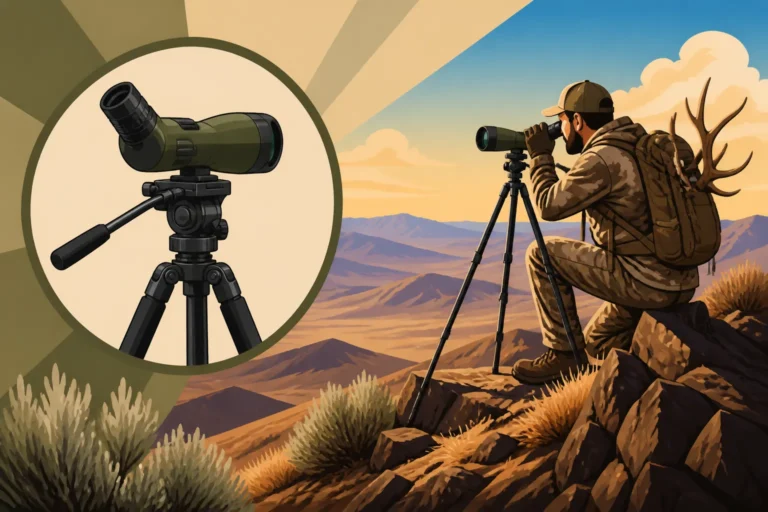
Before you even think about hitting the mountains, ensure your bow setup meets Nevada's legal requirements. For big game like mule deer, there are specific regulations concerning bow draw weight and broadhead types. You'll need to know the Minimum Bow Draw Weight for Big Game and understand Broadhead Requirements for Bowhunting. Fixed-blade broadheads are generally preferred for their reliability, but always check if expandable broadheads are legal for your specific hunt and unit. Beyond the bow itself, optics are king in Nevada. High-quality binoculars and a spotting scope are indispensable for Why Glassing Beats Walking in Sage Country, helping you locate deer from miles away without expending precious energy in the heat. A rangefinder is also non-negotiable for accurate shot placement in this open terrain. Don't forget a reliable GPS or a mapping app like GoHunt for navigation, as cell service is often nonexistent.
Physical Conditioning and Hydration Strategy
The heat and rugged terrain of an August archery hunt demand peak physical condition. You'll likely be hiking significant distances, often at elevation, under a relentless sun. Start a rigorous training regimen months in advance, focusing on endurance, strength, and carrying weight. Practice hiking with your pack and bow in conditions that simulate your hunt. Hydration is not just important; it's a matter of survival. You absolutely must plan for Water You Must Carry on a Desert Day Hunt. Carrying a hydration pack with a large capacity, along with extra water bottles in your vehicle, is non-negotiable. Electrolytes are also crucial to replenish what you lose through sweat. Beyond hydration, awareness of your surroundings is key; Snake Awareness on an August Archery Hunt is critical, as rattlesnakes are often active in the warm weather, especially near water sources or shaded rocks.
Navigating the Unique Challenges of Early Archery Seasons
An August archery hunt in Nevada presents a unique set of strategic and logistical challenges that demand careful consideration. This isn't your typical crisp fall deer hunt; it requires a different mindset and approach to be successful. From scorching temperatures to deer behavior, every aspect of the hunt is amplified by the early season timing.
Locating Deer in Summer Conditions
During the early archery season, deer behavior is heavily influenced by the heat and the availability of water. Unlike later seasons where deer might be more spread out or focused on the rut, August deer will often be concentrated around reliable water sources. This makes Sitting Water on a Nevada August Hunt a potentially effective tactic, especially during the hottest parts of the day. You'll need to spend significant time e-scouting and on the ground, carefully Reading Water Sources Before an August Hunt to identify key areas. Look for springs, guzzlers (man-made wildlife watering devices), and shaded north-facing slopes where deer might bed to escape the sun. Deer will also often be in velvet, which, while aesthetically pleasing, means they aren't yet in their hardened, post-rut patterns. Utilizing mapping platforms like GoHunt can help identify potential water sources and historical deer hotspots, giving you a valuable head start.
The Role of Glassing and Stalking in Open Country
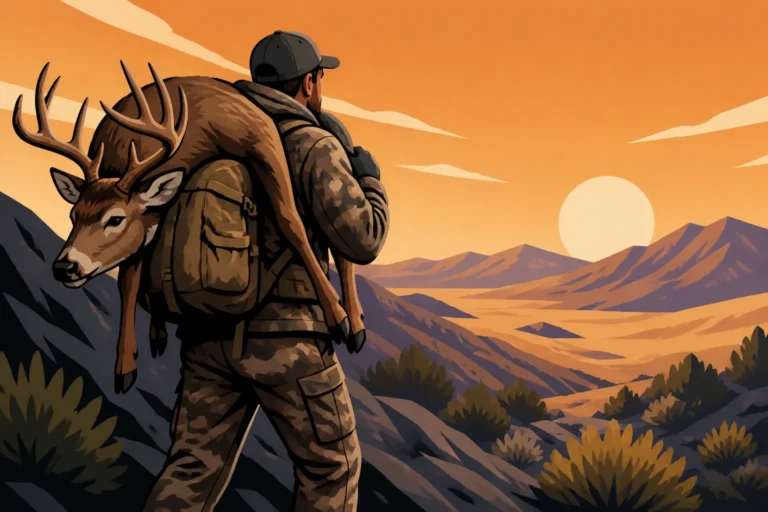
Nevada's vast, open country is notorious for its long sightlines, making glassing an absolutely essential skill for any hunter, but especially for early archery season. Deer can be spotted from miles away, allowing you to plan a careful approach without spooking them. This is precisely Why Glassing Beats Walking in Sage Country blindly. You'll spend hours behind your binoculars and spotting scope, systematically picking apart distant hillsides and canyon bottoms. Once a deer is located, the challenge shifts to the stalk. The sparse cover in much of Nevada means you need to be incredibly patient and skilled at using terrain features like draws, ridges, and even individual sagebrush clumps to conceal your movement. Closing the distance to within bow range in such open, dry conditions, often against swirling desert thermals, is a true test of a bowhunter's ability. This often involves long, slow crawls and careful use of shadows in the early morning or late evening. Packing out a harvested animal in these conditions means having a solid plan for Packing an Animal Out of Roadless Country and getting the meat cooled quickly to prevent spoilage.
| Season Type | Typical Open Date | Typical Close Date | Key Challenges | Essential Gear Focus |
|---|---|---|---|---|
| Archery Deer | August 1st | Mid-August/Early Sept | Extreme heat, wary deer, water scarcity | Optics, hydration, lightweight gear |
| Muzzleloader Deer | Mid-September | Late September | Cooler temps, more pressure, specific weapon | Optics, specific weapon, layered clothing |
| Rifle Deer | Early October | Late November | Colder temps, higher pressure, rut activity | Optics, rifle, warm clothing |
Disclaimer
The information provided in this article is for general guidance only and should not be considered legal advice. Hunting regulations in Nevada are subject to change, and it is the hunter's responsibility to consult the most current official Nevada Department of Wildlife (NDOW) regulations prior to engaging in any hunting activities. Always verify specific season dates, unit boundaries, and legal requirements directly with NDOW.