Tree Stand Rules That Apply on Public Land
It's easy to get excited about the possibilities of hunting Nevada's vast public lands, but when it comes to using equipment like tree stands, many hunters find themselves scratching their heads. The truth is, not all public land is created equal, and rules that apply in one state or even one part of Nevada might not apply in another. This guide is here to unravel the confusion surrounding tree stand use on Nevada's public domain, helping you stay legal, ethical, and effective.
The Legal Landscape: Tree Stands on Nevada Public Lands
Navigating the rules for tree stands on public land in Nevada can feel like deciphering an ancient scroll, especially when you're used to different regulations back home or in other states. The core of Nevada's approach is geared towards preventing permanent alterations to public land and ensuring fair access for everyone. It's less about whether you can use a stand, and more about how and when you use it.
Permanent Structures Are a No-Go
Let's get this straight right off the bat: building or maintaining any kind of permanent structure on Nevada's public lands is generally prohibited. This includes tree stands that are constructed with nails, screws, bolts, or any other method that causes damage to the tree or is intended to be left in place indefinitely. We're talking about those old-school wooden stands or even ladder stands that are bolted into trees and left season after season. The intent of these regulations is to protect the natural environment and to prevent any individual from claiming a piece of public land for their exclusive use.
If you drill into a tree, saw off branches to create shooting lanes for a fixed position, or somehow permanently alter the vegetation to set up a stand, you’re almost certainly crossing a line. Public land is meant to be wild, and these kinds of modifications fundamentally change that. This regulation isn't just about tree stands; it extends to any permanent ground blind or other fixed hunting structure you might consider building out there. The key is "permanent" and "damage." If it's going to be there forever, or if it hurts the tree, it's a definite no.
Portable Stands: The "When to Remove" Rule
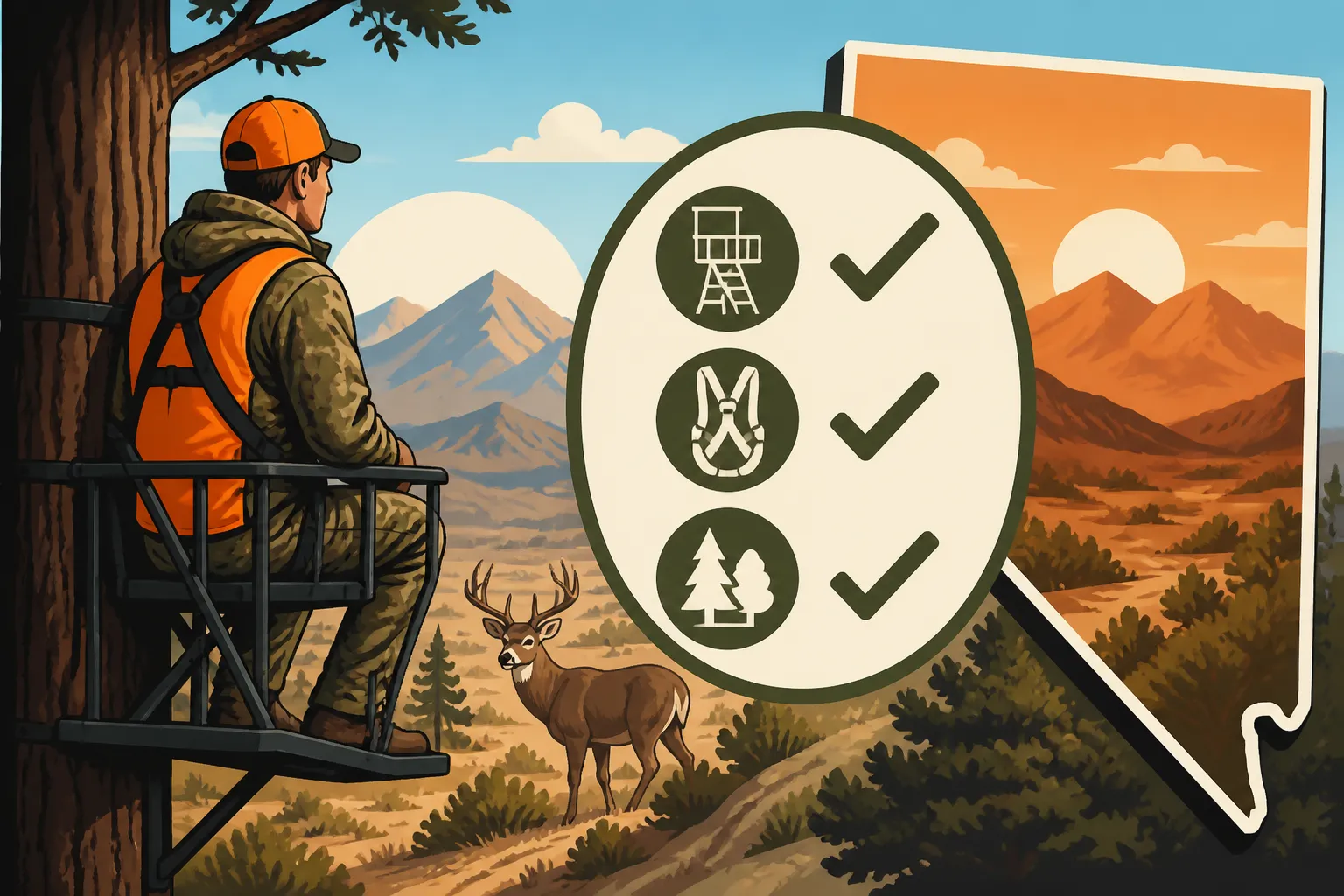
Now, for the good news: portable tree stands are generally allowed in Nevada, provided you follow specific guidelines. This is where most hunters will operate. A portable stand is one that is designed to be easily set up and taken down without damaging the tree. Think climbing stands, hang-on stands, or even lightweight ladder stands that are secured with straps or chains that don't pierce the tree bark. The crucial part, however, is the "when to remove" rule.
Nevada Department of Wildlife (NDOW) regulations typically stipulate that portable tree stands, ground blinds, and other temporary hunting structures must be removed from public land within a certain timeframe after the close of the hunting season for which they were used. While specific dates can vary slightly or be unit-dependent, a common rule of thumb is "within 10 days following the close of the season." This means you can't just leave your hang-on stand out there all year, hoping to come back to it next fall. It needs to be packed out once your tag is filled or the season ends. Failure to remove your stand within the specified period can result in it being considered abandoned property, and you could face fines or even have your stand confiscated by game wardens. It’s a good practice to always double-check the current year's hunting regulations booklet or the NDOW website for the exact language regarding stand removal, as rules can occasionally be updated. This also applies to things like Trail Camera Rules on Nevada Public Land.
Damage to Trees: A Key Concern
Even with portable stands, the manner in which they are installed and used is incredibly important. The primary concern is always avoiding damage to the trees. Using screws, nails, or any other method that penetrates the living tissue of a tree is strictly forbidden. This isn't just an arbitrary rule; it's about tree health. Puncturing the bark creates entry points for diseases and insects, potentially harming or even killing the tree over time. Moreover, leaving such hardware in trees can create hazards for hikers, landowners, or even future loggers.
Modern portable stands are designed to minimize tree damage, typically using cam-buckle straps, ratchet straps, or chain systems that wrap around the trunk without piercing it. If you're using a climbing stick system, ensure the steps don't have sharp edges that dig into the bark unnecessarily. When you set up your stand, take a moment to consider the long-term impact. Is it rubbing against the bark in a way that will cause a wound? Are you clearing branches excessively? Remember, the idea is to leave the land as you found it, or better. This ethical approach aligns perfectly with the "Leave No Trace" principles that are so vital for sustaining our hunting heritage and the wild places we cherish.
Jurisdictional Nuances: Where Your Stand May or May Not Be Welcome
Nevada is a land of vast public acreage, with different federal and state agencies managing various parcels. While the general rules about permanent versus portable stands apply broadly, specific areas or agencies might have additional restrictions or guidelines you need to be aware of. It’s never safe to assume that a rule on one piece of public land applies universally across the state.
Bureau of Land Management (BLM) and National Forests
The majority of Nevada's hunting occurs on lands managed by the Bureau of Land Management (BLM) or within the state's National Forests, primarily the Humboldt-Toiyabe. These are the workhorses of public land hunting. Generally, the NDOW rules regarding portable stands (no permanent damage, timely removal) apply directly to these lands. However, it's always a good idea to check with the local BLM field office or National Forest ranger district for any specific, localized regulations. Sometimes, a particular district might have temporary fire restrictions that impact camping or even certain types of equipment, or specific closures that weren't widely publicized.
For instance, while the core regulations are set at the state level by NDOW, a National Forest might have specific rules for a popular hunting area or a recently burned region. It's rare, but not impossible, for them to add a caveat about leaving even portable stands. Think of it as an extra layer of due diligence. When you're E-Scouting a Nevada Unit Before the Season, pay attention to the land management agency for that specific area. Tools like GoHunt are excellent for this, as they clearly delineate land ownership, allowing you to easily identify whether you're on BLM, National Forest, or other public or private ground. Understanding that BLM Ground Is Where Most Nevada Hunting Happens means you'll be dealing with their rules often.
Wilderness and Wilderness Study Areas: Extra Scrutiny
If you plan on hunting in a designated Wilderness Area or Wilderness Study Area (WSA), you need to be especially diligent. These areas are managed with a strict "untrammeled" philosophy, meaning human impact is meant to be minimal. This often translates to heightened restrictions on structures and equipment. While portable tree stands might not be explicitly prohibited in all wilderness areas, the spirit of wilderness preservation often discourages their use. Any action that leaves a visible trace or impacts the "wilderness character" is generally frowned upon, if not outright forbidden.
In these areas, the emphasis is heavily on "leave no trace." This often means that even temporary alterations to vegetation are scrutinized. You might find that the effort to find suitable trees and the added scrutiny from land managers make using a tree stand more trouble than it's worth. Many hunters opt for ground blinds made from natural materials or simply utilize natural cover in these pristine landscapes. When you're exploring Wilderness and Wilderness Study Areas Across Nevada, always consult the specific wilderness area's management plan or contact the administering agency (usually the Forest Service or BLM) directly. It’s better to be safe than sorry, as violations in wilderness areas can carry heavier penalties and undermine the very reasons these places are protected.
State Wildlife Management Areas: Unit-Specific Rules
Nevada also has a number of State Wildlife Management Areas (WMAs) managed by NDOW. These areas are specifically acquired and managed for wildlife habitat and public recreation, including hunting. While they fall under NDOW's general purview, WMAs often have their own specific regulations that can be more restrictive than broader public land rules. It's not uncommon for WMAs to have explicit prohibitions on any type of tree stand, or to have very strict rules about their installation and removal.
Before heading into a Nevada WMA with a tree stand, you absolutely must check the specific regulations for that particular area. These rules are usually published on the NDOW website or available at the WMA's administrative office. They might be detailed in the annual hunting regulations booklet as well. For example, some WMAs might completely forbid the use of screw-in steps, even if your stand doesn't use them directly, to prevent any type of tree damage. They may also have unique rules about Camping Rules on Nevada BLM Ground or travel. Treat WMAs as special cases, because they often are. A great place to start your research is with detailed maps that outline State Wildlife Management Areas in Nevada and then cross-reference with the latest regulations for those specific units.
Practicalities and Ethical Hunting with Tree Stands in Nevada
Beyond the legalities, there are practical considerations and ethical choices when using tree stands in Nevada. The state's landscape isn't always conducive to traditional tree stand hunting, and responsible use is paramount to maintaining a positive public image for hunters.
Scouting for Sparse Cover: A Nevada Reality
One of the biggest practical challenges for tree stand hunting in Nevada is simply finding suitable trees. Much of the Great Basin is dominated by sagebrush, pinion-juniper, or sparse aspen and cottonwood stands along riparian corridors. Large, mature trees with enough cover to effectively conceal a hunter and provide a good shooting lane are not as abundant as in forested regions of the Midwest or East. This means extensive scouting is often required.
You might spend hours e-scouting with satellite imagery from platforms like GoHunt, looking for pockets of denser timber or specific water sources where suitable trees might be present. When you do find a promising spot, be prepared for competition. If there's good cover, other hunters have likely spotted it too. Consider the typical "open country" style of hunting in Nevada; many hunters prefer Glassing Nevada's Basin and Range for Mule Deer and then performing a spot and stalk, rather than sitting in a stand. If you are committed to a stand, look for terrain features that naturally funnel animals, like draws or saddles with a few well-placed trees. Don't forget that even smaller trees can offer good concealment if you choose a stand that allows for close proximity to the trunk and use natural foliage to break up your silhouette.
Security and Responsible Use: Don't Leave It for Good
Given the regulations around removing stands after the season, the issue of security becomes relevant. If you're using a valuable portable stand, leaving it out for an extended period, even legally, carries risks. Theft is always a possibility on public land, and even the most remote areas aren't immune to opportunists. If you're going to leave a stand for a few days during your hunt, consider using a good quality cable lock to secure it to the tree. While it won't deter a determined thief with bolt cutters, it might make it enough of a hassle to send them looking for easier pickings.
More importantly, responsible use means thinking about the impression your stand leaves. Even if legally permitted, a stand left for weeks on end can appear abandoned or even blight a natural landscape. When the season is over, make it a priority to retrieve your gear. Not only does this keep you in compliance with NDOW regulations, but it also reflects well on the hunting community as a whole. Leaving your stand behind for good is not just illegal; it's disrespectful to the land and to other users who appreciate its wild character.
Alternatives When a Tree Stand Isn't Feasible
Let's face it, sometimes a tree stand simply isn't the best option in Nevada. Perhaps the trees are too sparse, too small, or the area you want to hunt is a wilderness zone with stricter rules. Don't despair! Nevada offers plenty of effective hunting methods that don't rely on elevation from a tree. Ground blinds are a fantastic alternative. These can range from natural blinds you build yourself using local vegetation (always ensuring no permanent alteration) to pop-up blinds that you carry in and set up temporarily. These offer excellent concealment and can be placed in areas with no trees at all, allowing you to utilize subtle terrain features or brush lines.
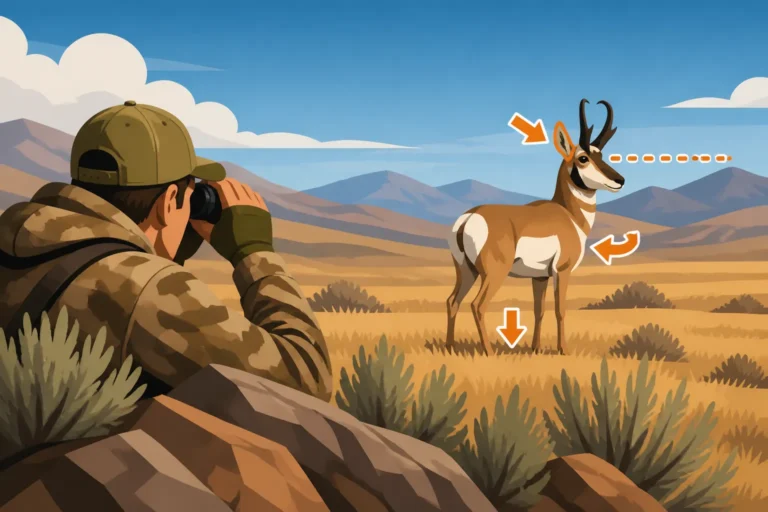
Spot and stalk hunting, as mentioned, is another highly effective method, especially for species like mule deer and antelope across Nevada's open landscapes. This involves using high-quality optics like binoculars and spotting scopes to locate animals from a distance, then carefully planning an approach using terrain to remain undetected. Learning to use draws, ridges, and even the smallest changes in elevation to break your silhouette can be far more productive than trying to force a tree stand into an unsuitable environment. For archers, mastering the art of How Close a Bowhunter Needs to Get on Mule Deer from the ground can open up many more opportunities.
Ensuring Compliance and Respecting the Land
Being a responsible hunter in Nevada means doing your homework and having a deep respect for the land and its rules. Ignorance of the law is never an excuse, and a little preparation can save you a lot of headache and potential fines.
Leveraging Technology for Land Ownership
In a state like Nevada, where land ownership can be a checkerboard of federal, state, and private parcels, understanding exactly where you are is critical. This is especially true when it comes to tree stand regulations, as rules can change depending on whether you're on BLM, Forest Service, State Park, or private land. Modern mapping applications, like those found on GoHunt, are invaluable tools for this. These apps provide detailed land ownership layers that clearly show boundaries, allowing you to instantly determine if you're on public ground and which agency manages it.
Before your hunt, use these tools to scout potential stand locations, identify access points, and verify land boundaries. You can download maps for offline use, which is essential given the spotty cell service in many remote Nevada units. This proactive approach not only helps you stay legal but also prevents unintentional trespass onto private property, which is a major concern for hunters. Knowing exactly where you're at, and what rules apply to that specific piece of ground, is a cornerstone of ethical hunting in the West. It also helps you understand things like Reading a Nevada Hunt Unit Before You Apply and How Nevada Numbers Its Hunt Units and Unit Groups.
Pre-Season Homework: Checking Local Regulations
We've touched on this, but it bears repeating: always, always do your pre-season homework. Nevada's hunting regulations are published annually, and it's your responsibility to read and understand them. Pay close attention to the general statewide regulations, but also look for any unit-specific rules or addendums that might apply to your chosen hunting area. These might be found in the current year's big game proclamation, on the NDOW website, or by contacting the relevant land management agency directly.
A quick call to the local BLM or Forest Service office for the area you plan to hunt can clarify any uncertainties. Ask specific questions about tree stands, blind usage, and removal dates. It’s better to get a direct answer than to rely on anecdotal information from forums or past experiences that might no longer be current. This due diligence ensures you're not just guessing but are actively seeking to comply with all applicable laws, showing respect for the resources and the agencies tasked with managing them.
The Broader "Leave No Trace" Ethos
Finally, embracing the broader "Leave No Trace" ethos is crucial for any public land user, but especially for hunters. This isn't just about tree stands; it's about minimizing your impact on the environment in every way possible. Pack out everything you pack in, and then some. Avoid leaving trash, spent casings, or any other debris. When field dressing an animal, scatter the remains away from trails and water sources. If you must build a fire, do so in a designated fire ring or use a portable stove.
Leaving no trace extends to your tree stand use: choose a stand that won't damage trees, remove it entirely when you're done, and if you clear any shooting lanes, do so minimally and only when absolutely necessary, using hand tools rather than power saws. The goal is that after you've hunted an area, someone else walking through it wouldn't even know you were there. This commitment to conservation and ethical behavior preserves the wild character of Nevada's public lands for future generations of hunters and outdoor enthusiasts alike.
| Rule Category | Permanent Tree Stands | Portable Tree Stands |
|---|---|---|
| Construction Method | Prohibited (Nails, screws, bolts, etc.) | Allowed (Straps, chains, non-damaging) |
| Damage to Trees | Strictly Prohibited | Avoid at all costs (No piercing bark) |
| Duration on Public Land | Never allowed to be left | Must be removed after season |
| Removal Deadline | N/A (Should never be built) | Typically 10 days after season close |
| Jurisdiction | Prohibited on virtually all public land | General NDOW rules, check local agency |
| Wilderness Areas | Prohibited | Often discouraged/highly restricted |
| WMAs | Prohibited | Check specific WMA regulations (can vary) |
| Ethical Impact | High negative impact, considered abandonment | Low impact if used responsibly and removed |
Disclaimer
The information provided in this guide is for general informational purposes only and does not constitute legal advice. Hunting regulations, including those pertaining to tree stands, can change. It is the individual hunter's responsibility to verify and comply with all current federal, state, and local laws and regulations before hunting. Always consult the official Nevada Department of Wildlife (NDOW) regulations and the specific land management agency (e.g., BLM, Forest Service) for the area you plan to hunt.