Patterning a Buck in the Weeks Before Opener
There’s nothing quite like the knot of anticipation you feel as hunting season approaches, but with that excitement often comes a nagging question: where are the deer really going to be when opening day finally arrives? Trying to predict the precise movements of a mature buck in Nevada’s vast and unforgiving landscape can feel like trying to catch smoke. This comprehensive guide will walk you through proven strategies for patterning bucks in the weeks leading up to opener, helping you go into the season with confidence, not just hope.
Understanding Pre-Season Buck Behavior
Before you even think about lacing up your boots or setting out trail cameras, it’s crucial to understand the fundamental shifts that occur in a buck’s world as summer transitions into fall. Their priorities change, their social structures evolve, and these changes directly impact where you’ll find them.
The Shift from Summer Patterns
During the long, lazy days of summer, mule deer bucks often group up in bachelor herds. They're typically focused on feeding in lush, higher-elevation areas where forage is abundant, helping them grow antlers and pack on critical fat reserves. Their movements can be relatively predictable, often gravitating towards reliable water sources and shaded bedding areas during the heat of the day. They’re less wary, less pressured, and generally more visible as they complete their antler growth in velvet.
However, as late summer gives way to early fall, usually around late August or early September in Nevada, a significant transformation occurs. Bucks shed their velvet, marking the official end of their antler growth cycle. This isn't just a cosmetic change; it signals a shift in their physiology and behavior. The bachelor groups often begin to dissolve, and bucks become more independent, sometimes even solitary, as their testosterone levels begin to rise in anticipation of the rut. Their focus shifts from simply growing antlers to preparing for the breeding season, which means they start to get a bit more secretive. This is a critical period to observe, as it offers a glimpse into their early fall haunts before hunting pressure fully sets in.
How External Factors Influence Movement
A buck's movement isn't just dictated by internal biological clocks; it’s heavily influenced by a host of external environmental factors. Understanding these can give you a significant advantage in patterning. For instance, forage availability is huge. If a particular area had good late-summer rains, certain feed like forbs or even specific types of sagebrush might be more palatable, drawing deer to those zones. Conversely, prolonged drought can push deer towards areas with more consistent water, often congregating around reliable springs or even man-made How Guzzlers Concentrate Desert Game.
Weather patterns also play a massive role. Cooler temperatures in the high country might keep bucks higher longer, while an early cold snap or snowfall could push them down to transitional zones or lower winter ranges even before the season begins. Wind direction and thermals are constant considerations in Nevada’s expansive country. Bucks will often bed in positions that allow them to smell danger from below and visually scan for threats from above. Knowing how the prevailing winds interact with the local topography can tell you a lot about where a buck feels safe enough to spend his daylight hours. Even something as subtle as wildfire burn scars from previous years can influence where deer feed and travel, as new growth emerges, attracting them to renewed browse.
Essential Scouting Techniques for Nevada Bucks
Patterning a buck in Nevada requires a multi-pronged approach. You can’t just rely on one method; combining different strategies will give you the most comprehensive picture of a buck’s habits.
E-Scouting from Home
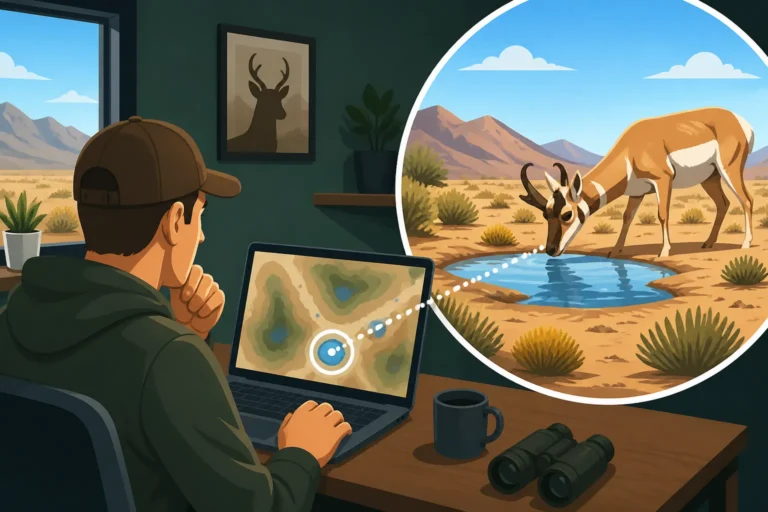
Before you ever burn a drop of gas or put boots on the ground, some of the most effective scouting can be done from the comfort of your own home. This is where tools like satellite imagery and topographical maps truly shine. Start by familiarizing yourself with your chosen unit. If you haven't already, take the time to deeply understand Reading a Nevada Hunt Unit Before You Apply by diving into the regulations and unit descriptions. Look for features that scream "deer habitat": north-facing slopes with thicker timber or juniper pockets offering shade and cover, drainages that provide natural travel corridors, and benches or saddles where deer might cross between feeding and bedding areas.
Pay close attention to changes in elevation, vegetation types, and potential pinch points where deer traffic might be funneled. Online mapping services and hunting apps like GoHunt offer incredible layers that show public land boundaries, historical burn data, and even water sources, which are absolutely vital in arid Nevada. Use these resources to mark potential bedding areas, feeding zones, and travel routes, creating a "hit list" of spots to investigate further. Understanding your unit's access and boundaries, often best viewed on platforms like GoHunt, can save you countless hours of wasted effort and prevent trespassing. This initial E-Scouting a Nevada Unit Before the Season phase is where you build the blueprint for your on-the-ground efforts.
Boots-on-the-Ground Reconnaissance
Once you have a solid e-scouting plan, it's time to hit the dirt. There’s no substitute for actually walking the terrain and seeing it with your own eyes. Focus your efforts on the areas you identified during e-scouting. Look for fresh sign: tracks, droppings, rubs (especially in late summer/early fall when bucks shed velvet and start polishing antlers), and even shed velvet if you’re early enough. Don't just stick to the obvious trails; push into thick cover, climb up to benches, and glass open slopes from vantage points.
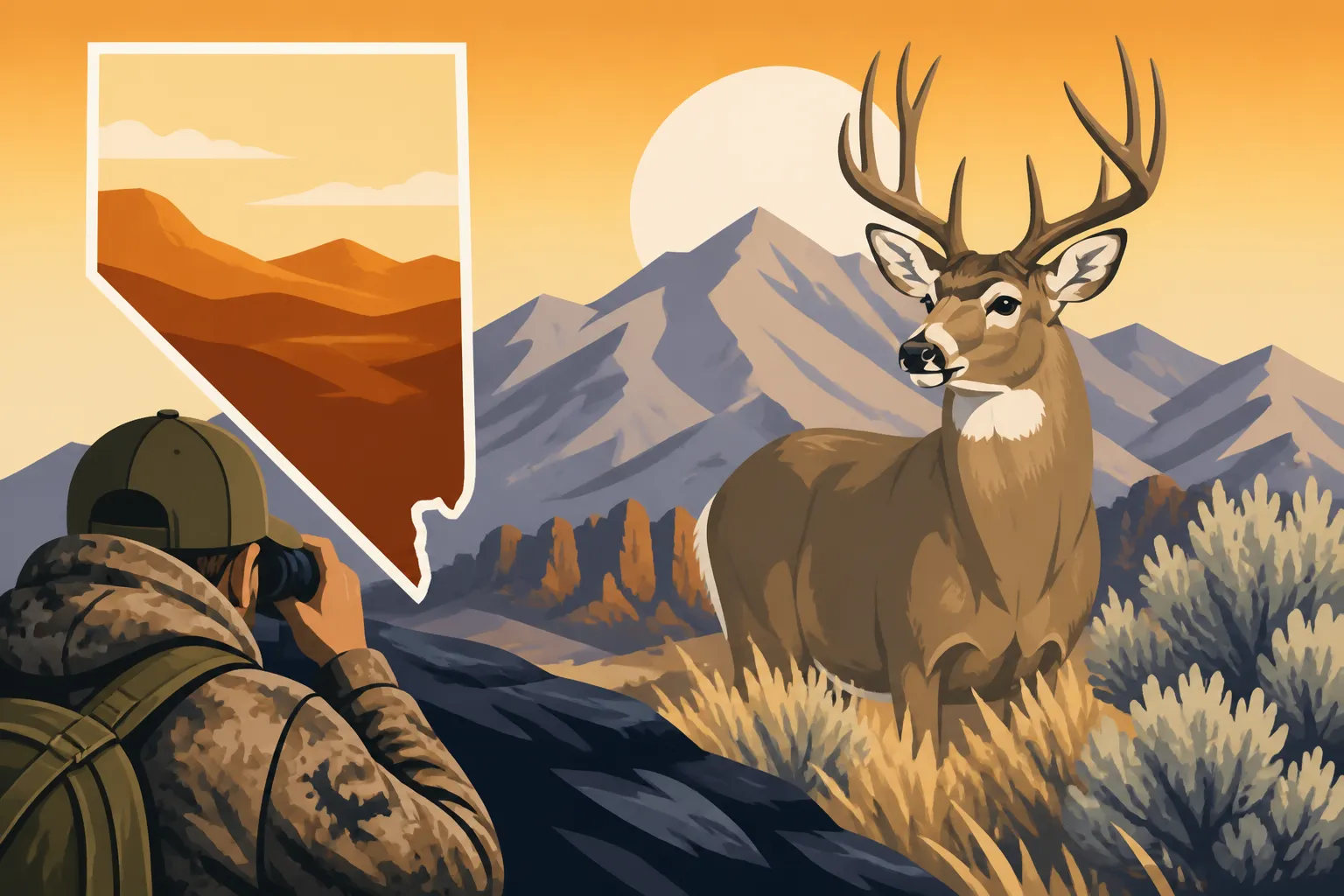
When you're out there, bring your optics. Quality binoculars and a spotting scope are indispensable in Nevada’s vast landscapes, allowing you to Preparing Physically for Long Glassing Days and cover immense distances visually without spooking game. Spend long hours glassing at dawn and dusk, observing where deer emerge to feed and where they retreat to bed. Try to identify individual bucks if possible. Note their size, antler characteristics, and, most importantly, their patterns of movement. Remember to adhere to all Trail Camera Rules on Nevada Public Land if you plan to deploy cameras, as regulations can vary. Don't be afraid to put on some serious miles; discovering hidden pockets of deer often requires venturing away from the easy access points.
Trail Camera Strategies
Trail cameras are an incredible tool for patterning bucks, offering a glimpse into their nocturnal and secretive daytime movements when you're not there. Placement is key. Instead of simply slapping them on a tree, think strategically about where deer are likely to travel or spend time. Focus on pinch points, trail intersections, saddles, or near water sources. Often, placing them on a scrape line or rub line as bucks start to become more active can yield great results. Position cameras to cover a broad area or to get clear photos of specific trails.
The goal isn't just to get a picture of a buck, but to get multiple pictures of the same buck over time, revealing his routine. Note the time of day, direction of travel, and how frequently he visits a particular spot. This data builds a picture of his habits. Check cameras sparingly to avoid pressuring the area. Every time you visit, you leave scent and disturb the natural environment. Many hunters use cellular cameras, which can send photos directly to your phone, minimizing disturbance. This technology, especially when integrated with apps like GoHunt, allows you to monitor activity remotely and stay out of the deer's core areas. Be diligent in reviewing your images; identifying a specific buck consistently appearing in a certain window can be gold for opening day.
Interpreting the Data and Fine-Tuning Your Plan
Collecting data is only half the battle. The real art of patterning comes in interpreting that information and building a flexible plan for your hunt.
Identifying Core Areas and Travel Corridors
Once you've gathered weeks of scouting information – from e-scouting waypoints, boots-on-the-ground observations, and trail camera intel – it's time to connect the dots. Look for patterns:
- Bedding Areas: Where do bucks feel safe enough to spend daylight hours? This might be thick timber, dense juniper stands, or even just secluded folds in the terrain offering visual protection. These are often on north-facing slopes for shade in warm weather or sunny south-facing slopes in colder conditions.
- Feeding Areas: Where are they consistently finding food? This could be a specific sagebrush flat, a pocket of bitterbrush, or an alfalfa field if you're near agricultural lands.
- Water Sources: In Nevada, water is life. Identify reliable springs, seeps, or guzzlers that bucks are visiting, especially during dry periods.
- Travel Corridors: How do they get from bedding to feeding to water? These are often natural funnels like saddles, drainages, or benches that offer cover or easy passage.
Overlay all this information on your map. You'll start to see a "home range" emerge for specific bucks. Mark these core areas and the trails connecting them. Your goal is to position yourself along a travel corridor or near a feeding/bedding area during legal hunting hours, trying to intercept a buck as he moves. Remember to be mindful of Reading a Land Ownership Layer Correctly to ensure you're always on accessible public land.
Adjusting for Opening Day Pressure
Here's the kicker: everything you learned pre-season can, and often will, change once opening day arrives and hunting pressure hits. Bucks, especially mature ones, are incredibly adept at sensing danger. Areas that were hot with activity during your scouting might become ghost towns as soon as hunters start stomping through.
Your carefully patterned buck might vanish from his observed patterns within hours of the season opening. This doesn't mean your scouting was useless; it means you need to adapt. Anticipate how bucks will react to pressure. They will often retreat to the thickest, nastiest, steepest, or most remote cover they can find. They might switch to entirely nocturnal movements or only move during the absolute safest times, like midday when many hunters are back at camp. Have a Plan B and a Plan C. Consider areas that are harder to access, which might offer a refuge for pressured deer. Think about how the wind and topography will allow deer to escape silently and where they might re-emerge hours later. It’s not just about knowing where a buck was, but predicting where he will be when he feels threatened. Having an understanding of Deciding on a Buck Before He Moves and predicting his next move is key.
Common Mistakes and How to Avoid Them
Even with the best intentions and diligent effort, hunters often make a few common missteps that can derail their pre-season patterning success.
Over-Pressuring Your Spot
One of the biggest mistakes you can make is loving your scouted area too much. Every time you go into a buck's core area, you leave scent, disturb the environment, and potentially educate the deer. If you're constantly checking trail cameras, walking the same trails, or glassing from the exact same spot day after day, that mature buck is going to know something is up. He'll either become completely nocturnal or abandon the area altogether.
The solution is restraint. Once you've established a pattern, back off. Let the deer settle back into their routine. Check trail cameras sparingly, or use cellular cameras to minimize your presence. When scouting, approach from downwind, move slowly, and be as stealthy as you would be during the hunt. Treat your scouting efforts as mini-hunts, always trying to be undetected. If you find yourself needing to keep eyes on an area, use powerful optics from a distant vantage point, ensuring you don't compromise your prime location before the season even starts.
Ignoring Changing Conditions
Nevada's environment is constantly in flux. What was true for a buck's pattern in August might be completely different by October. A sudden heatwave, an unexpected cold front, heavy winds, or even a local fire can drastically alter deer behavior and habitat. Relying solely on data from weeks or even months prior without considering current conditions is a recipe for frustration.
Stay updated on local weather forecasts, monitor drought conditions, and pay attention to changes in natural food sources. Has a spring dried up? Has a new browse sprouted after recent rains? Remember that Timing a Nevada Hunt Around the Rut can dramatically change a buck's priorities and locations. Your game plan needs to be fluid. Be prepared to shift your focus to different elevations, different aspects of slopes, or entirely different areas if the conditions dictate. A good hunter is not just a good scout, but also an excellent observer and adapter, always learning and adjusting to what the land and the animals are telling them.
| Scouting Method | Pros | Cons | Best Use for Patterning Bucks |
|---|---|---|---|
| E-Scouting | Cost-effective, covers vast areas, identifies key terrain features | Doesn't show fresh sign, relies on interpretation, can miss details | Initial unit breakdown, finding access, identifying primary zones |
| Boots-on-Ground | Confirms sign, assesses habitat quality, finds hidden pockets | Time-consuming, physically demanding, risk of spooking game | Verifying e-scouting, finding fresh sign, real-time observation |
| Trail Cameras | Collects data 24/7, confirms presence, reveals movement times | Can spook deer if checked too often, battery/data costs, theft risk | Confirming buck presence, establishing routines, identifying specific bucks |
Disclaimer
Hunting in Nevada involves inherent risks, and conditions can change rapidly. Always consult the official Nevada Department of Wildlife (NDOW) regulations for the most current rules and requirements before planning any hunting activity. This guide is for informational purposes only and does not supersede state or federal hunting laws. Ensure you have all necessary licenses and tags.