Trapping License Requirements for Residents
Getting into trapping in Nevada as a resident can feel like navigating a maze of regulations, especially if you're new to the state or just getting started. It's not as simple as throwing out a few traps; there's a specific process to follow to ensure you're trapping legally and ethically. This comprehensive guide will walk you through all the necessary trapping license requirements for Nevada residents, from education to application, so you can confidently pursue your passion for furbearers and predators.
Understanding Nevada's Trapping Landscape
Nevada's vast and diverse landscapes, from high desert sagebrush to alpine forests, are home to a variety of furbearer and predator species that can be legally trapped. However, just like hunting, trapping is a highly regulated activity designed to ensure sustainable populations and ethical practices. The Nevada Department of Wildlife (NDOW) is the governing body that sets these rules, and understanding them is your first step toward becoming a responsible trapper. Many residents express frustration with how dense the regulations can seem, but breaking it down makes it much more manageable.
The "Why" Behind Trapping Regulations
The regulations surrounding trapping aren't there to make things difficult; they're in place for crucial reasons. First and foremost is conservation. Trapping seasons, quotas, and specific methods are all designed to manage furbearer populations, preventing overharvest and ensuring these species thrive for future generations. It's about maintaining ecological balance. Secondly, public safety plays a significant role. Specific trap types, placement rules, and reporting requirements help minimize conflicts with other outdoor enthusiasts, livestock, and domestic animals. Finally, ethical considerations are paramount. NDOW promotes humane trapping methods and responsible harvest, ensuring that trappers uphold a high standard of animal welfare.
Furbearers and Predators You Can Trap in Nevada
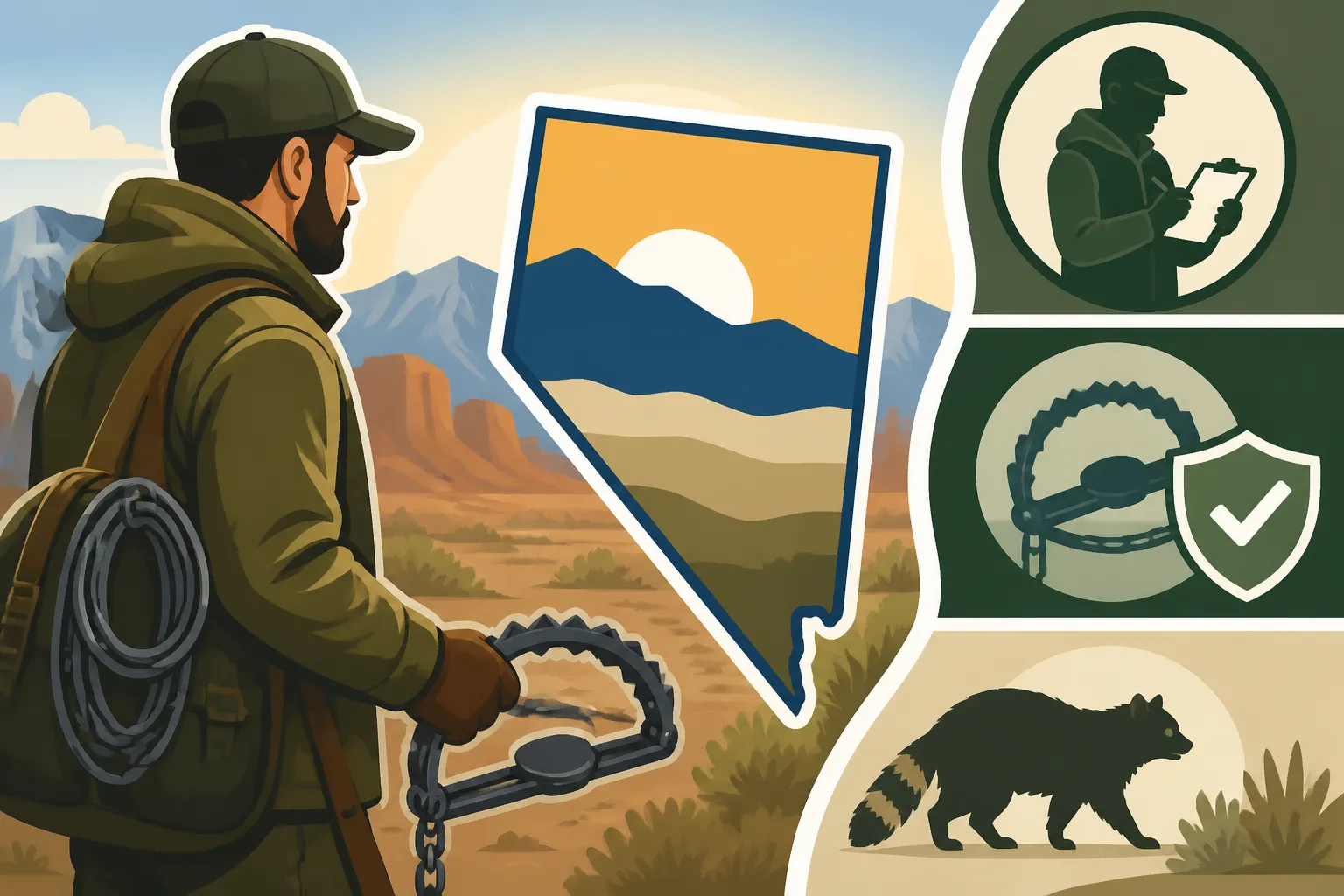
Nevada offers opportunities to trap several species, each with its own season and regulations. Common furbearers include bobcats, coyotes, red fox, gray fox, badgers, muskrats, beavers, and raccoons. Each species presents unique challenges and requires different trapping strategies. For instance, the regulations around Bobcat Season and Pelt Tag Rules are quite specific due to their value and management needs, often requiring a special pelt tag in addition to your general trapping license. Understanding these species-specific rules is just as important as having the right license. Familiarizing yourself with the animals you intend to pursue and their habitats will make you a more effective and ethical trapper.
Step-by-Step for Resident Trapping Licenses
Securing your Nevada resident trapping license involves a clear process that includes meeting eligibility, completing education, and navigating the application itself. It's a structured approach that ensures every trapper understands their responsibilities and the regulations. Don't let the paperwork intimidate you; it's a rite of passage for all who want to participate in Nevada's trapping heritage.
Meeting the Age and Residency Requirements
To qualify for a resident trapping license in Nevada, you first need to establish your residency. Generally, this means you've lived in Nevada for at least six months with the intent to make it your permanent home, and you don't claim residency in any other state for hunting, fishing, or trapping purposes. You'll typically need to provide proof of residency, such as a Nevada driver's license, voter registration, or utility bills. For minors, the rules can be a bit different. While there isn't a specific minimum age to purchase a trapping license, anyone under 14 must be accompanied by an adult while trapping. It's crucial to check the most current NDOW regulations document, often found online through the NDOW website or resources like GoHunt, for the precise legal age requirements and adult supervision rules, as these can be updated annually.
The Mandatory Hunter and Trapper Education Course
One of the most critical steps for any aspiring trapper in Nevada is completing a certified Hunter Education course. This isn't just about firearms safety; it covers ethics, regulations, animal identification, and responsible trapping practices. Nevada requires that Anyone Born After 1959 Needs Nevada Hunter Education before they can purchase a hunting or trapping license. Even if you're primarily interested in trapping, this course is mandatory. The good news is that Nevada Accepts Hunter Education From Any State if you've previously completed an approved course elsewhere.
The course itself typically covers:
- Trapper Ethics: Understanding the trapper's role in wildlife management and respecting private property and public resources.
- Furbearer Biology and Management: Learning about the species you'll encounter, their life cycles, and population dynamics.
- Trap Types and Setting: Detailed instruction on various traps, how to set them safely and effectively, and legal requirements for trap identification.
- Handling and Care of Furbearers: Humane dispatch methods and proper pelt preparation.
- Regulations and Laws: A deep dive into Nevada-specific trapping seasons, legal trap sizes, setbacks, and reporting requirements.
You can often find these courses offered in-person by NDOW or certified instructors, and there are approved online components available, usually followed by a mandatory field day. The hands-on experience during the field day is invaluable, allowing you to practice setting traps under expert supervision and discuss real-world scenarios. Make sure to schedule your course well in advance, as spots can fill up, especially closer to the start of trapping seasons.
Applying for Your License and Fees
Once you've met the residency and education requirements, applying for your trapping license is fairly straightforward. You'll typically do this through the NDOW's online licensing system or by visiting one of their regional offices. The process usually involves creating an account, selecting the appropriate license, and paying the required fees.
It's important to remember that a general trapping license is usually an annual permit, and you'll need to renew it each year. Some species, like bobcats, might require additional tags or permits beyond the general trapping license, so always check the current Furbearer Trapping Season Dates and regulations carefully. You can use platforms like GoHunt to cross-reference current regulations and season dates, which often provide quick links to NDOW's official documents, simplifying your research.
Here's a general breakdown of typical fees for Nevada resident trapping:
| License/Permit Type | Typical Resident Fee (Approximate, subject to change) | Key Requirements | Notes |
|---|---|---|---|
| Trapping License (Annual) | $30 – $40 | Nevada Residency, Hunter Ed (if born after 1959) | Required for all furbearer trapping |
| Combination License | $70 – $80 | Nevada Residency, Hunter Ed | Includes hunting, fishing, and trapping privileges |
| Junior Trapping License | $10 – $20 | Nevada Residency, Hunter Ed, Age-specific rules (e.g., under 18) | Check current regulations for exact age ranges |
| Bobcat Pelt Tag | Varies (often no additional fee, but required) | Trapping License, Mandatory reporting | Required per bobcat harvested; check Bobcat Season and Pelt Tag Rules |
| Application Fees | $5 – $10 (for certain applications or processing) | N/A | Sometimes applies to specific permits or online transactions |
Please note that these fees are approximate and can change. Always refer to the official Nevada Department of Wildlife website for the most current pricing and regulation details.
Beyond the Basic License: Additional Permits and Considerations
While the general trapping license is your foundational permit, there are often nuances and additional considerations that experienced trappers understand. Thinking beyond just the basic license ensures you're fully prepared and compliant with all state regulations, and helps you become a more effective and responsible trapper in the long run.
Special Tags for Specific Species or Zones
Nevada's diverse ecosystems mean that some furbearer populations require more specific management. As mentioned earlier, bobcats are a prime example. In addition to a general trapping license, anyone trapping a bobcat must typically obtain a special pelt tag for each animal harvested. This tag must be immediately affixed to the pelt upon harvest and is crucial for NDOW to monitor harvest numbers and ensure sustainable management. Always consult the specific Furbearer Trapping Season Dates and regulations for any additional tags or permits required for particular species you intend to pursue. These special requirements are often in place due to the market value of the fur, specific population management goals, or conservation efforts unique to that species.
Moreover, certain areas or management units might have specific restrictions or special permits. While less common for general furbearers, it's always wise to research the specific unit you plan to trap in. Tools like Reading a Nevada Hunt Unit Before You Apply (even if for hunting, the principle of unit research applies) can help you identify any localized rules. The more informed you are about your chosen area, the less likely you are to run into unexpected issues.
Annual Renewals and Staying Compliant
Your Nevada resident trapping license, like most hunting and fishing licenses, is an annual permit. This means it has an expiration date, usually at the end of the calendar year or specific to the licensing period. It's incredibly easy to let this slip, especially if you don't trap year-round. Missing a renewal means you're trapping illegally, which can result in significant fines and penalties. NDOW usually provides reminders, but it's ultimately your responsibility to keep track.
Staying compliant also extends to understanding and adhering to any changes in regulations year-to-year. Wildlife management is dynamic; seasons, bag limits, and even approved trap types can be modified based on population data, environmental conditions, or public input. Regularly checking the official NDOW regulations document, often available around late spring or early summer, is essential. Many seasoned trappers use resources like GoHunt to stay abreast of regulation changes, as these platforms often highlight key updates, allowing you to quickly spot what's different from the previous year.
Ethical Trapping Practices and Reporting
Beyond the legal requirements, ethical trapping is a cornerstone of the sport. This includes using humane traps that are species-appropriate, checking traps regularly (often within a 24-hour period), and employing quick, humane dispatch methods. Understanding and following Baiting and Trail Camera Rules in Nevada for other species can also give you insight into ethical considerations around attractants and monitoring in general, although trapping has its own specific rules. Responsible trappers strive to minimize suffering and prevent non-target captures.
Another critical aspect of compliance and ethical practice is harvest reporting. NDOW requires trappers to report their catches. This data is vital for wildlife biologists to assess population health, track harvest trends, and inform future management decisions. Specific requirements for Mandatory Reporting After a Nevada Harvest will be outlined in the regulations, including deadlines and the method of reporting (online, mail, or in-person). Failing to report can impact NDOW's ability to manage furbearers effectively and can also lead to penalties for the individual trapper. Always adhere to these reporting requirements meticulously; it's part of being a responsible steward of Nevada's wildlife resources.
Practical Considerations for Nevada Trappers
Trapping in Nevada, particularly in its remote and expansive units, demands more than just a license and knowledge of regulations. You need to be prepared for the realities of the Great Basin, from vast distances to harsh conditions. Thinking ahead about logistical challenges will make your trapping efforts safer and more successful.
Navigating Nevada's Public Lands for Trapping
The majority of Nevada is public land, primarily managed by the Bureau of Land Management (BLM) and the U.S. Forest Service. This offers incredible access, but it also means understanding how to navigate these lands legally and safely. Before you even set a trap, you need to know exactly where you are. Reading a Nevada Land Ownership Layer Correctly on a mapping app like OnX Hunt is crucial to avoid trespassing onto private property, which can have serious legal consequences. Similarly, understanding Motorized Travel Rules on Nevada Public Land is paramount; off-road travel can be restricted or prohibited in many areas, impacting how you access your trap lines.
E-scouting tools, such as those available on GoHunt, become invaluable for identifying potential trapping areas, checking land ownership, and even finding access roads. Just like with hunting, E-Scouting a Nevada Unit Before the Season can save you countless hours and ensure you're targeting productive areas legally. These maps can also help you identify water sources or other features that might concentrate furbearer activity, allowing you to strategically place your traps.
Safety and Logistics in Remote Country
Nevada is truly big country, and trapping often takes you far from paved roads and cell service. Being prepared for emergencies is not just smart, it's essential. Consider the distances involved; knowing How Far Apart Nevada Fuel Stops Are can mean the difference between making it back to town and being stranded. Always carry extra fuel, water, and emergency supplies, even for what you think will be a short day trip.
Communication is another critical factor. While cell service is spotty at best in many remote Nevada units, a Satellite Messenger Use in Remote Country device can be a literal lifesaver. Devices like a Garmin inReach or a Zoleo allow you to send emergency messages, communicate with loved ones, and track your movements, even when off-grid. Furthermore, prepare for sudden weather changes, rocky terrain, and potential encounters with wildlife. Physical conditioning is important, as checking a long trap line can involve significant hiking and effort. A well-prepared trapper is a safe and effective trapper.
Disclaimer
The information provided in this guide is for general informational purposes only and does not constitute legal advice. Trapping regulations in Nevada are subject to change by the Nevada Department of Wildlife (NDOW). It is the individual's responsibility to consult the most current and official NDOW regulations before engaging in any trapping activities. Always verify all license requirements, season dates, and specific rules with the official NDOW publications.