How Many Chances Four Nevada Points Buy
Navigating the Nevada big game draw can feel like trying to decipher an ancient riddle, especially when you start hearing about "squared" bonus points. It's a common frustration to build up points in other states where they're a simple 1:1 advantage, only to come to Nevada and find a completely different system. This guide is going to meticulously break down exactly how Nevada's unique bonus point structure works, focusing on what four hard-earned points actually mean for your draw chances and how you can best leverage them.
Deciphering Nevada's Unique Bonus Point System
Let's cut right to it: Nevada's bonus point system isn't like most other Western states. Many hunters arrive here, having built up points elsewhere, only to find the math is a little different. In states like Arizona or Wyoming, if you have five points, your application gets five times the preference or seniority over someone with zero. Simple, right? Nevada, however, decided to add a twist, making it both more rewarding for long-time applicants and, frankly, a bit more confusing for newcomers: they square your points.
What does "squared" actually mean in this context? It means that if you have 'X' number of bonus points, your application gets 'X' multiplied by 'X' entries into the draw pool, plus one for your current year's application. So, it's not a linear progression; it's exponential. This system was put in place to really reward consistent applicants who stick with it year after year, giving their loyalty a significant boost in the draw. It aims to increase their probability of drawing those highly coveted, once-in-a-lifetime tags over time. The core idea behind this unique structure is to favor those who have invested the most time in the system, rather than just having a flat advantage.
You accumulate these points by either applying for a big game tag and being unsuccessful in the draw, or by applying specifically for a "point-only" option. If you apply for a tag and don't draw, you automatically get a bonus point for that species. If you skip applying for a tag one year but still want to keep building your advantage, you can simply put in for a point-only application. It’s a smart way to stay in the game, even if life gets in the way of a full hunt application. Understanding How Nevada's Squared Bonus Point System Works is crucial before you even think about applying.
The Mathematical Advantage of Four Nevada Bonus Points
Now, let's get down to the brass tacks and answer the burning question: what do four Nevada bonus points actually get you? This is where the "squared" system really starts to show its power compared to a linear system.
When you have four bonus points, the calculation works like this:
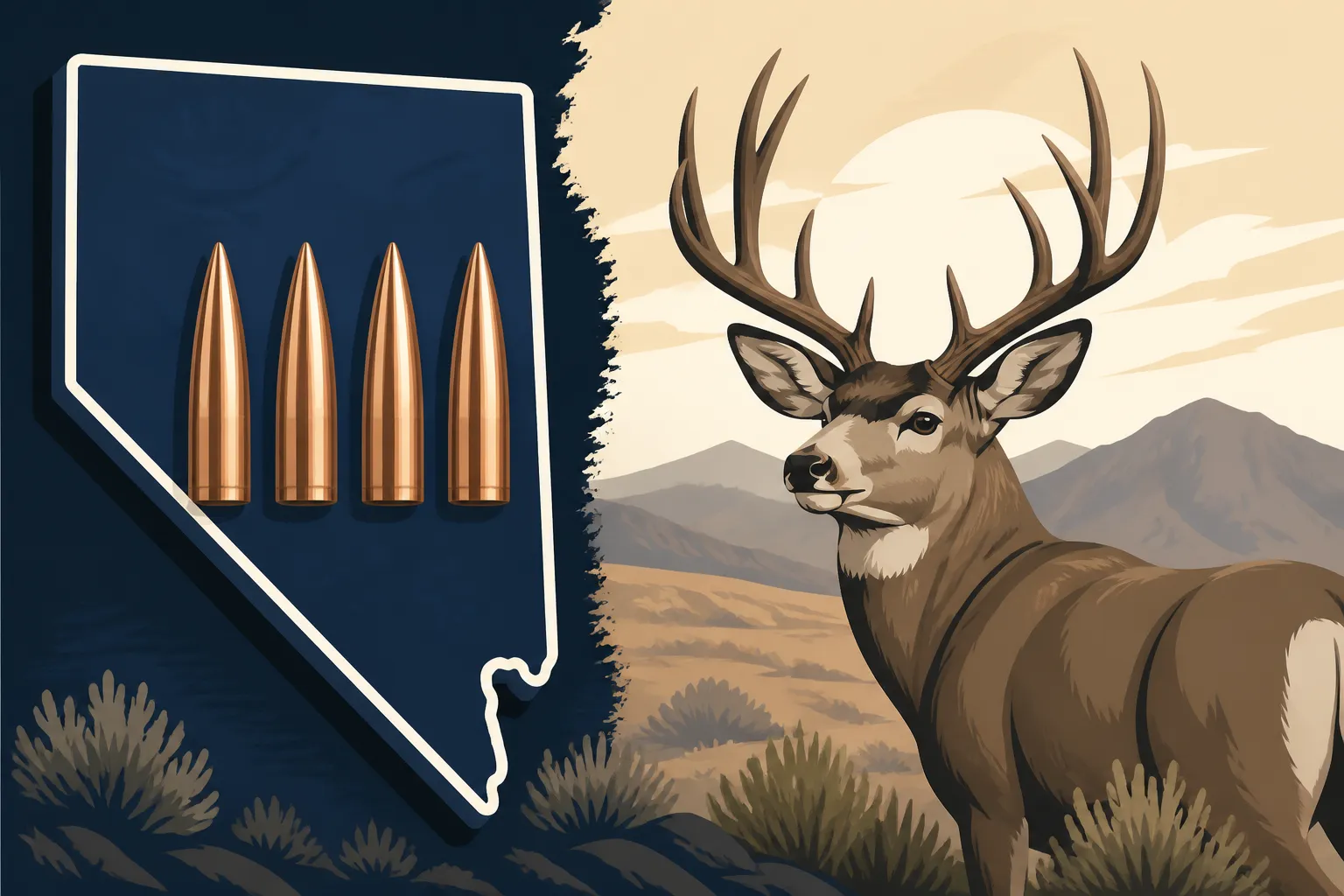
4 (points) x 4 (points) = 16 "chances" or entries.
Then, you add one more entry for your current year's application. So, for every species you apply for with four bonus points, your name will be entered 17 times into the draw for that specific hunt unit and species.
Think about that for a second. If you only had one point, your chances would be 1×1 + 1 = 2 entries. If you had two points, it'd be 2×2 + 1 = 5 entries. Three points gives you 3×3 + 1 = 10 entries. And with four, you leap up to 17 entries. This exponential growth is why Nevada's system can feel so different and, for those with accumulated points, so powerful.
Let's illustrate this with a simple table to make the progression crystal clear:
| Bonus Points Accumulated | Squared Entries (Points x Points) | Current Year Application | Total Draw Entries |
|---|---|---|---|
| 0 | 0 | 1 | 1 |
| 1 | 1 (1 x 1) | 1 | 2 |
| 2 | 4 (2 x 2) | 1 | 5 |
| 3 | 9 (3 x 3) | 1 | 10 |
| 4 | 16 (4 x 4) | 1 | 17 |
| 5 | 25 (5 x 5) | 1 | 26 |
As you can see, the jump from three points to four points more than doubles your entries (from 10 to 17). This is a significant bump in your odds, though it's important to remember that more entries don't guarantee a tag. It simply increases your mathematical probability within the draw pool. The actual odds depend on the number of available tags, the total number of applicants, and the points held by all those applicants. This is just Why Squaring Changes Nevada Draw Odds so dramatically.
This system is particularly meaningful for those once-in-a-lifetime tags like Desert Bighorn Sheep or premier elk units. For these highly sought-after species and units, you might be competing against thousands of other hunters. Having 17 entries in that lottery, compared to just 1 or 2, makes a noticeable difference, even if the odds are still long. You can investigate What One Nevada Bonus Point Is Worth to see how even a single point starts to give you an edge.
Why Nevada Opted for an Exponential Point System
Many states use a simpler linear point system, so why did Nevada decide to go with the squared approach? It boils down to a fundamental philosophy about rewarding commitment and enhancing the value of persistent application.
First and foremost, the system is designed to heavily favor those who have consistently applied over many years. In a linear system, the difference between someone with 5 points and someone with 10 points is simply double the advantage. In Nevada's squared system, 5 points gives you 26 entries (5×5+1), while 10 points gives you a whopping 101 entries (10×10+1). That's a massive difference, underscoring the state's desire to give a substantial edge to its most dedicated applicants. This system acknowledges the long-term investment hunters make, both financially and emotionally, in pursuing a Nevada big game tag. It also incentivizes hunters to keep applying, even through years of unsuccessful draws, because they know their efforts are accumulating a powerful advantage.
Secondly, it's about managing demand for those trophy units and species that often require years, if not decades, to draw. By making the point advantage exponential, it creates a clearer path for those who patiently build points to eventually draw a top-tier tag. Without such a system, the draw for premier hunts might feel more like a pure lottery even after accumulating some points, potentially discouraging long-term participation. Hunters need to understand that Nevada Applications Run March 23 to May 13 each year, and consistent application during this window is key.
However, it's not without its critics. Some argue that it creates an even greater barrier for new or occasional hunters, making it feel almost impossible to draw certain tags without a huge bank of points. While that's a valid perspective, the system’s intent is clear: reward the loyal. It emphasizes that a Nevada big game tag, particularly for elk or bighorn sheep, is often a prize earned through years of dedicated application. It reinforces the idea that these tags are truly special and often a once-in-a-lifetime experience.
Maximizing Your Nevada Draw Strategy with Bonus Points
Understanding how Nevada's squared bonus points work is one thing; developing a smart strategy to use them is another. With four points under your belt, you've already made a significant investment, and it's time to think critically about how to deploy them.
Consistent Point Accumulation
The absolute foundation of a successful Nevada draw strategy is consistency. Even if you don't plan to hunt every year, you should make it a priority to apply for a bonus point. Missing a year means falling behind, and given the squared nature, catching up can take even longer. If you know you can't commit to a full hunt, seriously consider Buying a Nevada Point-Only Application. This keeps your advantage growing without the commitment of an actual hunt application.
Strategic Unit Selection
With 17 entries in the draw for each species with four points, you have a much better chance than a zero or one-point applicant. This allows you to realistically consider units that might have seemed out of reach before. Instead of always defaulting to units with slightly better odds, you might now be able to aim for a more coveted unit with higher trophy potential, knowing your increased entries give you a fighting chance.
However, don't just blindly apply for the hardest-to-draw unit. Do your homework. Use resources like GoHunt's Insider tool, which breaks down draw odds by unit and species, allowing you to see how many applicants at each point level are applying for specific hunts. This data is invaluable for Checking Nevada Draw Odds Before You Apply. You can compare your 17 entries against the competition and make an informed decision. Look at harvest success rates, trophy quality, and the number of available tags for units you're interested in.
Understanding Draw Odds and Tiered Hunts
Nevada's draw odds are complex, influenced by resident vs. nonresident quotas, weapon types, and season dates. Some units have significantly better odds than others, and sometimes a slightly later or earlier season can dramatically change your chances, even within the same unit.
For example, a rifle hunt in a prime elk unit might be nearly impossible for a nonresident with four points, but a muzzleloader hunt in the same unit might be more attainable. Similarly, deer hunts can vary widely. If you're serious, you need to be Reading Nevada Hunt Draw Statistics year after year to spot trends.
It's also essential to consider your "choice order" strategy. Nevada allows you to list multiple choices on your application. While your first choice is always your best bet, understanding how the draw flows can help you make smart second and third choices that might still yield a tag. For instance, sometimes choosing a less popular weapon season (like muzzleloader or late archery) for your second choice can be a viable strategy if your primary choice is very competitive.
What Happens When You Draw?
A common question is What Happens to Nevada Points When You Draw. When you successfully draw a tag for a specific species, your bonus points for that species only are purged back to zero. This is a crucial detail. If you draw a mule deer tag, your deer points reset, but your elk points (if you have them) remain intact. This allows hunters to pursue different species concurrently, building points for one while still maintaining their advantage for another.
If you don't draw, your points roll over and increase by one for the next year, getting you ever closer to that next squared advantage jump. This is why the long game is so important in Nevada.
| Species Applied For | Bonus Points Before Draw | Draw Outcome | Bonus Points After Draw |
|---|---|---|---|
| Mule Deer | 4 | Successful | 0 |
| Elk | 2 | Unsuccessful | 3 |
| Antelope | 0 | Unsuccessful | 1 |
This table illustrates how your points are species-specific. Keep building those points for each species you are interested in, even if it's just point-only applications for a few years.
Final Thoughts on Your Nevada Bonus Point Journey
Having four Nevada bonus points is a significant achievement and puts you in a much stronger position than many other applicants. It’s a testament to your patience and dedication within Nevada's unique system. The jump from three to four points, translating to 17 entries in the draw, represents a substantial increase in your odds.
Remember, though, that draw odds are still odds. A tag is never guaranteed. The goal is to maximize your probability, and with four points, you've done a great job of building that foundation. Continue to apply consistently, research your units thoroughly, and use all the available tools (like GoHunt) to make the most informed choices. Your next trophy Nevada hunt might just be one application away. For those interested in pursuing multiple species, understanding Applying for Multiple Species in One Nevada Year can help plan your overall strategy.
Disclaimer
Please remember that hunting regulations and draw systems can change. Always consult the most current Nevada Department of Wildlife (NDOW) regulations and official draw information before applying for any tags. This content is for informational purposes only and should not replace official sources.