Applying for Multiple Species in One Nevada Year
Navigating the application process for big game hunting in Nevada can feel like deciphering an ancient scroll, especially when you're dreaming big and hoping to chase more than one species in a single year. It’s a common frustration: you're excited about the possibilities, but the rules aren't always crystal clear about how to legally and effectively throw your hat in the ring for multiple draws. This guide will walk you through the ins and outs of applying for various species in one Nevada year, ensuring you understand the system, manage expectations, and maximize your chances.
Understanding Nevada's Application System for Multiple Species
It’s completely understandable if you’ve felt a bit overwhelmed trying to figure out how Nevada’s draw system works, especially when you’re eyeing multiple big game tags. Many states have different approaches, and Nevada’s unique system means you can absolutely apply for more than one species. However, it's not a "one application fits all" scenario. Each species operates under its own distinct set of rules and draws, and there are some crucial first steps and financial commitments to consider.
The Combination License Requirement
Before you can even think about putting in for a mule deer, elk, or pronghorn tag, you absolutely need to secure a Nevada hunting license. This isn’t just a formality; it’s the foundational permit that unlocks your ability to apply for any big game draw. Often referred to as the "combination license," it covers both hunting and fishing privileges and is a non-negotiable prerequisite. For many hunters, especially those new to Nevada or coming from out of state, this is often the first hurdle that causes a bit of confusion. You might think you can just apply for a tag, but no, the license comes first. It’s like buying your ticket to the game before you can pick your seat.
Once you purchase this license, you’re in the system and eligible to start applying for the specific species draws. It's important to remember that this license itself does not grant you a tag for any species; it simply qualifies you to participate in the draw for those highly sought-after tags. Think of it as your annual membership to the Nevada hunting club. You’ll need to make sure you have this in hand before the application period opens, as it’s a required field on every big game application. The cost of this license, particularly for nonresidents, is a significant part of the overall financial commitment to hunting Nevada, and it’s something to factor into your budget right from the start. For more details on this essential first step, you can read up on Nevada's Combination License Comes Before Any Tag.
Species-Specific Applications
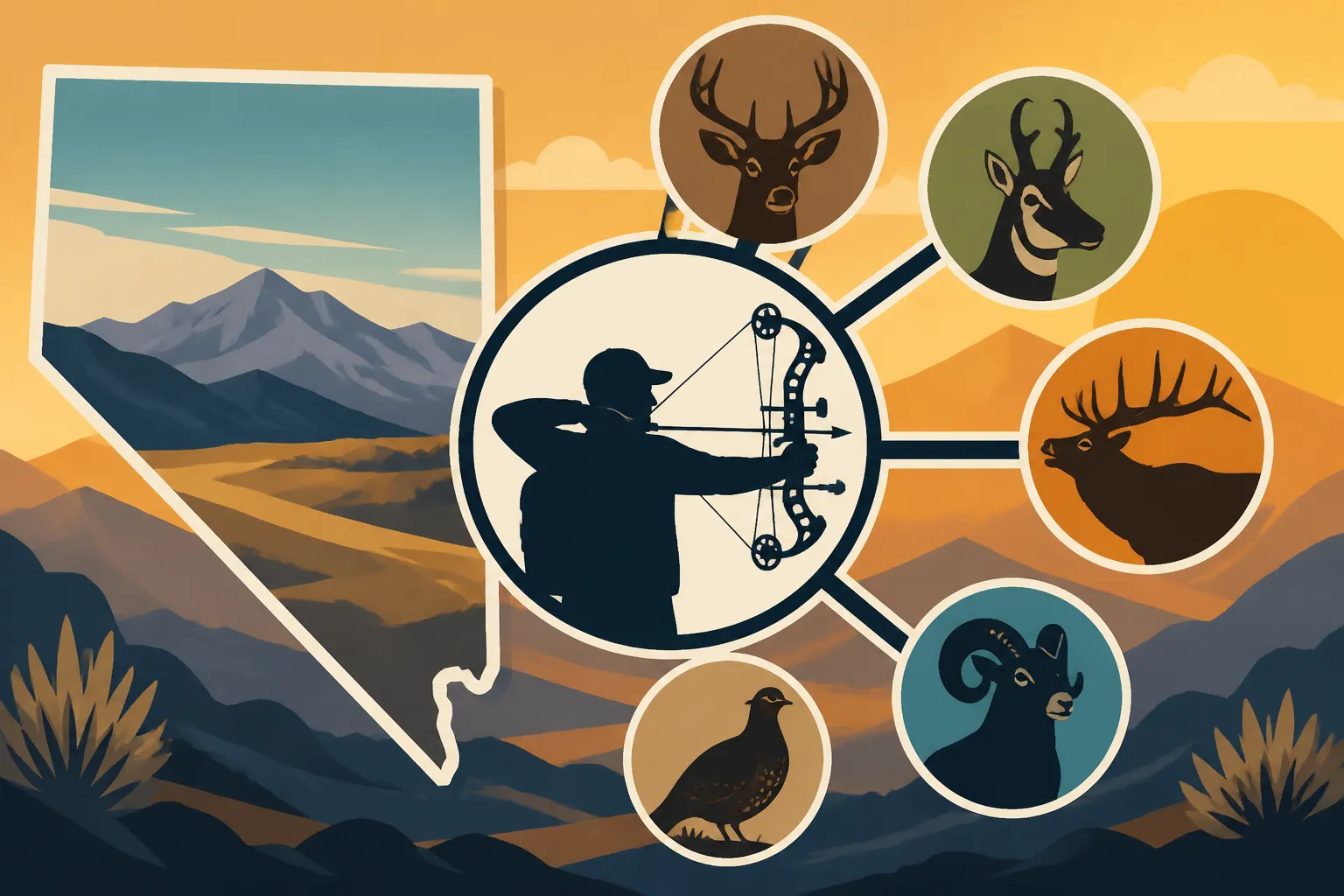
This is where the dream of hunting multiple species truly begins to take shape, but it also clarifies the financial and strategic investment involved. In Nevada, every big game species you wish to hunt – whether it’s mule deer, Rocky Mountain elk, pronghorn antelope, any of the three bighorn subspecies, Rocky Mountain goat, black bear, or mountain lion – requires its own completely separate application. There isn’t a single "big game application" form where you check off all the animals you want to pursue. Each species has its own draw, its own application fee, and its own unique set of hunt codes and units.
For example, if you want to hunt mule deer and also put in for an elk tag, you'll fill out one application for deer, select your preferred units and hunt choices, and then complete a second, entirely separate application for elk, with its own unit and season choices. This process repeats for every single species on your wishlist. Each of these applications comes with its own non-refundable application fee. While the exact fees can vary, expect to pay a distinct fee for each big game species you apply for. This means if you’re applying for deer, elk, and antelope, you’ll be paying three separate application fees in addition to the cost of your combination license. It's a system designed to manage demand for limited tags, and it certainly adds up quickly, making careful budgeting and strategic planning absolutely critical. Understanding Nevada Nonresident Tag Pricing by Species is key here.
Maximizing Your Odds Across Multiple Nevada Species
Applying for multiple species in Nevada is entirely possible, but it demands a thoughtful strategy beyond just throwing money at every available draw. You’re dealing with a system that, while fair, heavily rewards those who understand its nuances. It’s not just about applying; it’s about applying smart, especially when you’re trying to diversify your chances across several different animals. This is where researching odds, understanding bonus points, and leveraging modern tools really comes into play.
Strategic Choice Order for Each Species
When you’re filling out those individual applications for each species, the choices you list are incredibly important. Nevada allows you to list up to five choices for each species, and these are evaluated in the order you provide them. It might seem obvious, but many hunters underestimate just how much their choice order impacts their draw success. For high-demand tags, especially for premium units or seasons, if you don't draw your first choice, your chances diminish rapidly, and often, Does Your Second Choice Ever Draw in Nevada? is a question with a disappointing answer for many.
The most effective strategy is to meticulously research the draw odds for each unit and hunt code for each specific species you're interested in. This often means using tools like GoHunt, which compiles historical draw data and provides insights into which choices might be more realistic given your bonus points. You might have aspirations for a dream unit for elk, but if the odds are consistently 0.5% with your current point level, it might be more strategic to list a slightly more attainable unit as your second or third choice, while still putting that dream unit as your first. The key is to be realistic with your choices, understanding that while everyone hopes for that top-tier tag, a well-balanced choice order significantly improves your chances of drawing any tag. Remember, the application period for all these species typically falls within the same window, so you'll be making these strategic decisions for each species during the Nevada Applications Run March 23 to May 13 timeframe.
The Bonus Point System and Multi-Species Applications
Nevada’s bonus point system is designed to give loyal applicants an increasing mathematical advantage over time, but it’s crucial to understand how it interacts with multi-species applications. A common misconception is that if you apply for, say, deer, and build up deer bonus points, those points somehow carry over to your elk or antelope applications. This is simply not the case. In Nevada, bonus points are strictly species-specific. Your deer points only apply to the deer draw, your elk points only to the elk draw, and so on. There's no cross-pollination of points between species. So, the question of Do Nevada Deer Points Help an Elk Application? can be definitively answered with a "no."
This means that if you're serious about drawing a quality tag for multiple species, you need to build points for each of those species individually. This often translates to years of applying for point-only for species where you have low odds or for those you're saving for a "once-in-a-lifetime" hunt, while still applying for tags where you have a better chance with your current points. Nevada's system also squares your bonus points, meaning the more points you have, the exponentially greater your chances become. Understanding Nevada's Squared Bonus Points Into Draw Chances is vital for truly leveraging this system. It's a long game, and applying for multiple species means playing that long game on several different boards simultaneously.
Managing Application Deadlines and Fees
Successfully applying for multiple species hinges on meticulous organization around application deadlines and a clear understanding of the financial commitment. Nevada's big game application period typically runs from late March through mid-May, with a firm closing deadline. While the exact dates might shift slightly year to year, the window remains consistent, meaning all your big game applications, regardless of species, must be submitted within this specific timeframe. Missing the deadline for even one species means you've forfeited your chance for that year, along with any opportunity to accrue a bonus point for that species. You can always check for the exact closing date on The Nevada Application Deadline in May.
Beyond the deadline, the fees are a major consideration. As mentioned, each species application incurs a separate, non-refundable application fee. These fees vary by species, with elk typically having a higher application fee than deer or antelope, for example. If you’re applying for three different species, you’re looking at three separate application fees charged upfront, regardless of whether you draw a tag or not. This is on top of your annual combination license fee. This financial outlay is often a limiting factor for hunters, especially nonresidents. It means you need to budget not just for potential tag fees (which are only charged if you draw) but also for the certainty of losing those application fees each year you apply. Understanding that Are Nevada Application Fees Refundable? helps manage expectations about this upfront cost. Therefore, a clear budget and a strategic decision on which species you can realistically afford to apply for annually are paramount.
Practical Considerations for Applying for Several Nevada Hunts
So, you’ve decided to go all-in and apply for multiple species in Nevada. That’s fantastic! The Silver State offers some incredible opportunities. However, beyond just submitting applications, there are some really practical, boots-on-the-ground considerations you need to think through. It's one thing to dream of drawing multiple tags; it's another to actually execute those hunts effectively and responsibly.
Financial Planning for Application Fees and Tags
Let's talk brass tacks: applying for multiple species in Nevada can quickly become a significant financial investment, even before you ever set foot in a unit. As we discussed, each species requires its own application fee, which is non-refundable. Then, if you are lucky enough to draw a tag, you will be charged the full tag fee. For nonresidents, these tag fees can be substantial, particularly for species like elk or bighorn sheep. This means you need a clear financial plan not just for the application fees that are guaranteed to be spent, but also for the larger tag fees that might hit your credit card account suddenly when Nevada Draw Results Land at the End of May.
Here's a quick overview of what you might expect for nonresident fees, though these can change, so always check the current regulations:
| Species | Application Fee (approx.) | Tag Fee (approx.) | Total (if drawn) |
|---|---|---|---|
| Mule Deer | $20 | $300 – $370 | $320 – $390 |
| Elk | $25 | $1,200 – $1,500 | $1,225 – $1,525 |
| Pronghorn | $15 | $300 – $370 | $315 – $385 |
| Bighorn Sheep | $100 | $1,500 – $1,750 | $1,600 – $1,850 |
| Mountain Goat | $100 | $1,500 – $1,750 | $1,600 – $1,850 |
| Black Bear | $15 | $200 – $250 | $215 – $265 |
| Mountain Lion | $15 | $100 – $125 | $115 – $140 |
Note: These are approximate nonresident fees and subject to change. Always refer to current NDOW regulations for exact pricing.
You can see how drawing multiple premium tags in a single year could easily lead to several thousand dollars in tag fees alone, not to mention travel, gear, and other hunting expenses. It’s a fantastic problem to have, but it’s a problem nonetheless if you haven’t planned for it. Many hunters decide to focus on building points for one or two primary species each year, perhaps only putting in for a third species if the application fee is low or they have a very high chance of drawing a specific hunt code.
Logistics of Multiple Successful Draws
Okay, imagine the dream scenario: you check the draw results, and boom, you've drawn a mule deer tag and an elk tag in Nevada in the same year! Congratulations, that's an incredible accomplishment. Now, reality sets in. How are you going to hunt both of them?
The biggest logistical challenge is often timing. While some seasons might overlap, allowing for a combined trip, others could be weeks or even months apart. For example, Nevada's August Archery Deer Window might be followed by rifle elk hunts in October or even December. This could necessitate multiple, lengthy trips to Nevada, each requiring travel, time off work, and preparation. You'll need to consider:
- Time Off Work: Can you realistically take multiple weeks or even a month out of your year to pursue these hunts?
- Travel Costs: Each trip means another round trip for flights or fuel, lodging, and food.
- Physical Demands: Hunting in Nevada, especially for species like elk or bighorn sheep, is incredibly physically demanding. Are you prepared to sustain that level of exertion across multiple hunts in different terrains?
- Tagging and Reporting: Ensuring you understand all the specific tagging and mandatory reporting requirements for each species and ensuring you meet those deadlines can be a complex task when juggling multiple hunts.
It's a wonderful dilemma to have, but it absolutely requires foresight and a robust plan to ensure you can ethically and successfully complete each hunt. Sometimes, drawing two tags means making a tough decision about which one to prioritize if their seasons clash or if your schedule simply can't accommodate both.
Using E-Scouting Tools for Broad Research
In today's hunting world, especially for a complex draw state like Nevada, e-scouting tools are an absolute game-changer, particularly when you’re applying for multiple species. Platforms like GoHunt provide an incredible advantage by consolidating a vast amount of data that would take you weeks to sift through manually. Instead of guessing, you can make informed decisions about where to apply.
These tools allow you to:
- Analyze Draw Odds: You can look at historical draw odds for every unit and every species, often broken down by resident/nonresident and weapon type. This helps you understand where your bonus points might give you a realistic chance versus where you’d be simply buying a lottery ticket.
- Research Unit Data: For each species, you can dive into unit-specific data like public land percentages, harvest success rates, game density estimates, and terrain maps. This helps you visualize the hunt and determine if a unit aligns with your preferred hunting style and physical capabilities. You can get a good feel for Reading a Nevada Hunt Unit Before You Apply from your home office.
- Compare Opportunities: When you’re looking at multiple species, you can easily compare the quality of opportunities side-by-side. For instance, you might see that deer draw odds are tough in a particular unit but antelope odds are more favorable, guiding your application strategy.
- Overlay Maps: Most e-scouting platforms offer detailed mapping layers, showing public/private land, wilderness areas, water sources, and even historical burn scars. This is invaluable for E-Scouting a Nevada Unit Before the Season and for planning potential access points and hunting strategies for all the species you might draw.
Leveraging these kinds of tools is not just a convenience; it's practically a necessity for maximizing your chances and making the most informed decisions when applying for multiple big game species in Nevada. It transforms a daunting, speculative process into a data-driven strategy.
Disclaimer
The information provided in this guide is for general informational purposes only and does not constitute legal advice. Hunting regulations, fees, and season dates are subject to change. Always consult the most current Nevada Department of Wildlife (NDOW) regulations and official publications before applying for licenses or tags, or before engaging in any hunting activities.