What Time Nevada Applications Close
It’s a heart-dropping moment when you realize you might have missed a crucial hunting application deadline, especially for a state as sought-after as Nevada. The dream of chasing a giant mule deer or a trophy bull elk can vanish in an instant if you’re not meticulously organized. This guide is here to walk you through the exact closing times for Nevada's big game applications, help you understand the critical nuances of the submission process, and arm you with the knowledge to avoid common, frustrating pitfalls.
Navigating the Nevada Big Game Application Window
Applying for big game tags in Nevada can feel like stepping into a high-stakes game of chess, where every move, and every deadline, is absolutely critical. It’s not just about picking your dream hunt; it’s about making sure your application actually gets counted. For many hunters, myself included, the entire process can be a source of significant anxiety, especially when you’re dealing with the unique system Nevada has in place. You’ve got to understand the full timeline, not just the very end, to truly prepare.
The Annual Application Period Overview
Before we even get to the closing bell, it’s vital to understand the window itself. Nevada's big game application period is fairly consistent year to year, typically opening in late March and running through mid-May. This isn't a secret, but it's often overlooked in the rush to just get the application submitted. Knowing the full duration, from start to finish, allows you to properly research units, refine your hunt choices, and prepare all the necessary documentation without feeling rushed. It's an opportunity to truly strategize, not just react.
Imagine dedicating months to e-scouting, pouring over harvest data, and maybe even making a scouting trip or two. All that effort hinges on you successfully submitting your application within this specific timeframe. Missing the beginning might not hurt you as much as missing the end, but giving yourself ample time to submit your choices, double-check everything, and deal with any unforeseen technical glitches is invaluable. It removes the last-minute stress that can lead to costly mistakes. Many hunters make the mistake of waiting until the eleventh hour, only to find themselves scrambling with internet issues or forgotten passwords. You can check the official details on When Nevada Big Game Applications Open.
The Essential Nevada Combination License
Here's a piece of the puzzle that trips up many first-time applicants, and even some seasoned ones: you can't just apply for a deer or elk tag directly in Nevada. You must first purchase a Nevada Combination License. This license acts as your entry ticket into the draw system, allowing you to then apply for individual species tags. It's a non-refundable fee that covers your hunting and fishing privileges for the year, and it’s a prerequisite for any big game application. Without it, your application for that coveted elk tag won't even be considered.
This isn't just a minor administrative hurdle; it's a foundational step that needs to be budgeted for both time and money. For nonresidents, in particular, the cost of this combination license can be a significant upfront investment, well over a hundred dollars, before you even get to the application fees per species. It's easy to overlook this detail when you're focused on the big prize, but forgetting to secure your combination license means your entire application effort is in vain. Make sure this is the very first item on your checklist, long before you even consider your hunt unit choices. Understanding The Nonresident Nevada Combination License Price is crucial for planning your budget.
The Critical Deadline: When Applications Truly Close
The single most important piece of information for any Nevada big game applicant is the exact moment the application window slams shut. This isn't a suggestion; it's a hard and fast rule. There's no grace period, no "just this once" leniency, and absolutely no opportunity to beg for an extension. If your application isn't fully submitted and confirmed by this precise moment, you're out of luck for the entire year, regardless of how many bonus points you've accumulated. It’s a harsh reality, but one that every hunter needs to internalize.
The Exact Closing Hour and Minute
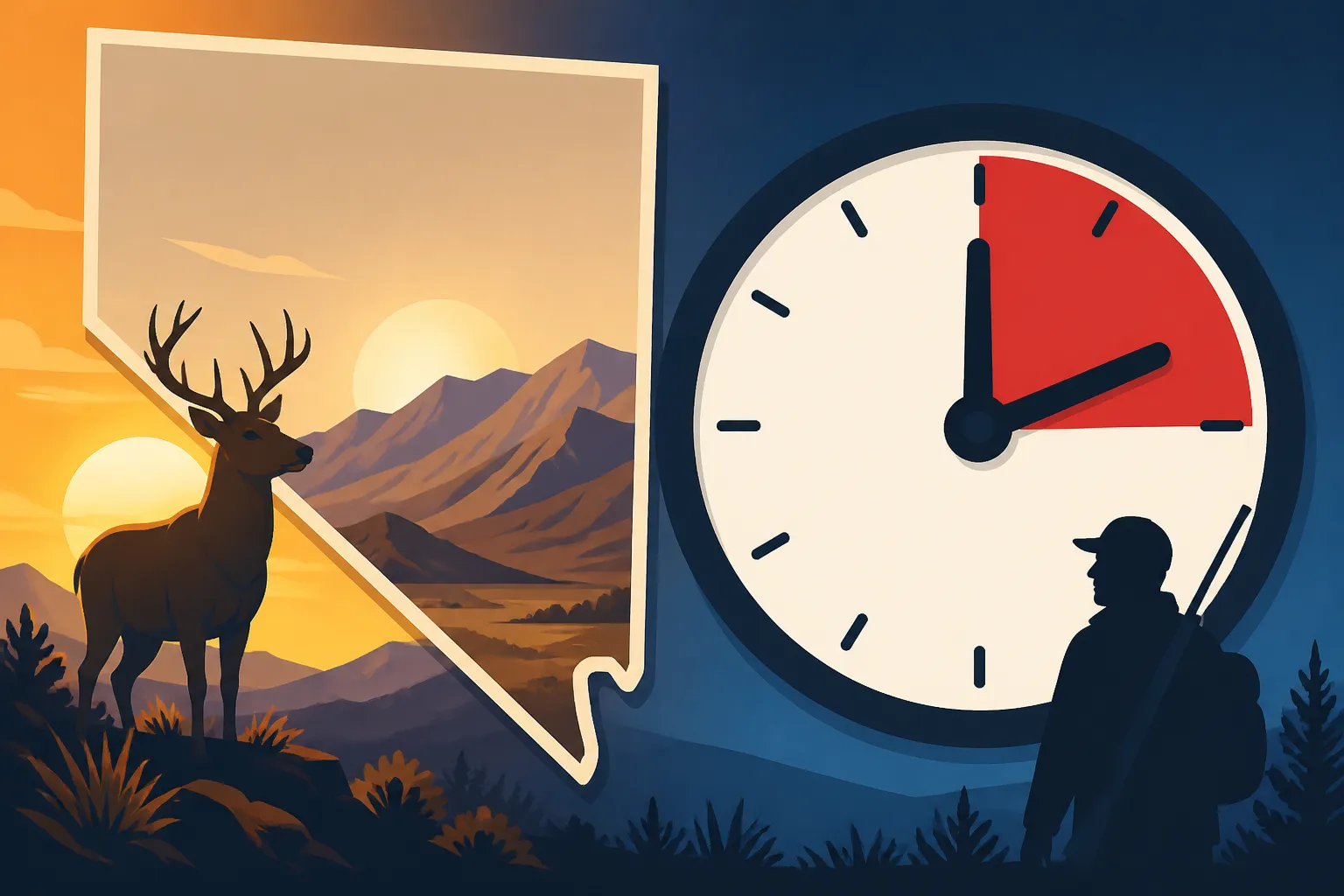
Nevada big game applications officially close at 11:00 PM Pacific Time on May 13th. Mark that date and time down in your calendar, set multiple alarms, and plaster sticky notes on your computer screen. This isn't 11:00 PM your local time; it's 11:00 PM Pacific Daylight Time. If you’re on the East Coast, that means it’s 2:00 AM on May 14th for you. If you’re in the Mountain Time Zone, it's midnight. This specific detail about The Closing Hour on Nevada Deadline Day is where many hopeful hunters make their fatal error.
The digital nature of the application system means that the server clock is the ultimate authority. It doesn't matter if your personal computer clock says 10:59 PM if the server registers 11:00 PM and one second. The system will automatically cut you off. This often leads to stories of last-minute panic, where hunters are frantically hitting "submit" as the clock ticks down, only to be met with a frustrating error message. It’s a preventable situation, and the best defense is to complete your application well in advance of this hard deadline. Seriously, aim for May 12th, or even earlier, to avoid any undue stress.
Understanding Nevada's Time Zone
As mentioned, the deadline is strictly set to Pacific Time. Nevada, being a western state, predominantly observes Pacific Daylight Time (PDT) during the application period. This might seem like a small detail, but it's a recurring source of confusion, especially for out-of-state applicants. Failing to convert the deadline to your local time zone can result in you thinking you have an extra hour or two when, in reality, you’ve already missed the cutoff. This particular aspect of Which Time Zone Nevada Deadlines Use cannot be stressed enough.
Think about it: if you're in New York, 11:00 PM PDT is 2:00 AM EDT. If you're planning to submit your application after work on May 13th, and you're not factoring in the time zone difference, you could easily be submitting at what you think is 10:00 PM local time, but it’s already 1:00 AM on the 14th in Nevada. Always double-check your local time against Pacific Time using a reliable online converter or by simply remembering the fixed offset. Don't let a simple geographical difference derail your hunting aspirations.
Last-Minute Submission Challenges
Trying to submit your application in the final hours, or even minutes, leading up to the 11:00 PM PDT deadline on May 13th is fraught with peril. While it might feel exciting, like a thrilling race against the clock, it’s far more likely to end in disappointment. The Nevada Department of Wildlife (NDOW) online portal, like any major digital system, can experience high traffic volumes as the deadline approaches. This surge in users can slow down the website, cause submission errors, or even lead to temporary outages.
I've heard countless stories of hunters whose credit card payments failed to process in time, or whose internet connection glitched right as they hit submit. The system is designed to handle a lot, but peak usage can strain any server. Furthermore, if you encounter any issues—a forgotten password, an incorrect unit code, a problem with your combination license purchase—customer support lines will likely be overwhelmed or already closed for the day. You'll be left alone to troubleshoot, with the clock relentlessly ticking. Save yourself the headache; plan to submit your application days, if not a full week, before The Nevada Application Deadline in May. GoHunt, for instance, often sends reminders weeks in advance, precisely to help hunters avoid this last-minute scramble.
Why Meticulous Timing Matters: Avoiding Common Pitfalls
The frustrations of missing a deadline extend far beyond just losing out on a single year's hunt. For many, especially those who have been building points for years, it can feel like a profound waste of time, effort, and even money. Nevada's draw system is competitive, and every application counts. Understanding the potential pitfalls and actively working to avoid them is just as important as knowing the draw odds.
Consequences of Missing the Deadline
The most immediate and obvious consequence of missing the application deadline is that you simply won't be entered into the draw for that year. No tag, no hunt, no chance. But for dedicated Western hunters, the impact goes much deeper, especially in Nevada's unique bonus point system. Nevada's system squares your bonus points, meaning the more points you have, the exponentially greater your chances. Missing a year means you don't accumulate another point, essentially freezing your progress while others continue to build their advantage.
Consider someone who has been accumulating points for a decade, waiting for that dream elk tag. Missing one deadline means they not only lose a year of potential hunting but also fall a year behind in their point accumulation, which can be a significant setback in a draw where How Nevada's Squared Bonus Points Work. It's not just about one hunt; it's about the long-term strategy for drawing those coveted premium tags. The emotional toll of realizing you've squandered years of dedication for a simple oversight is immense. It's a hard lesson to learn, and one best avoided through diligent preparation.
Common Submission Errors to Watch For
Beyond simply missing the deadline, there are other common errors that can invalidate your application, even if you submit it on time. These are the subtle, sneaky mistakes that can catch you off guard, and they’re often born from rushing or not fully understanding the requirements.
One frequent mistake is failing to complete all necessary steps, such as not confirming the payment, or overlooking the need for that aforementioned Nevada Combination License. Another common issue is entering incorrect hunt unit codes or failing to rank your choices properly. Some units have specific weapons restrictions, or are youth-only hunts, and applying for one you're not eligible for will simply result in a rejected choice.
Payment issues are also rampant. Ensure your credit card information is current, that it has sufficient funds, and that your bank doesn't flag the NDOW transaction as fraud. It’s a good idea to notify your bank in advance, especially for large nonresident fees. I’ve seen hunters get their applications rejected because their card declined and they didn't realize it until after the deadline. Always verify the confirmation email from NDOW, which usually signifies a successful submission. Without that email, you can't be sure your application went through.
The Myth of Late Submissions
Let's debunk a common misconception right now: there is no such thing as a "late submission" in Nevada's big game draw. Once that 11:00 PM PDT deadline on May 13th hits, the door is absolutely, irrevocably closed. You cannot call NDOW and sweet-talk them into accepting a late application. You cannot email them your choices the next morning and hope for an exception. The system is automated, and it is final.
Some states might have a brief grace period or a separate second-chance draw for specific circumstances, but Nevada is not one of them for the primary big game draw. The only other opportunities for tags typically involve leftover tags that go on sale much later in the year, and these are often for less desirable units or difficult seasons. These leftover tags are a completely separate process and don't involve your bonus points. So, do not fall prey to the belief that you can "fix" a missed deadline. The solution is always proactive: apply early, apply correctly, and apply with confidence.
What Happens After Your Application Is Submitted
Once you’ve successfully navigated the application process and clicked that final submit button, a wave of relief washes over you. But the journey isn’t quite over. There are still a few critical steps and waiting periods before you know if your dream of a Nevada big game tag will become a reality. Understanding these next phases helps manage expectations and ensures you’re prepared for whatever the draw brings.
Confirmation and Payment Processes
Immediately after a successful submission, you should receive a confirmation email from NDOW. This email is your receipt, your proof that your application was received and is officially in the system. It will typically outline the species you applied for, your hunt choices, and any fees processed. Do not delete this email. It’s a crucial record, and you might need it for reference or if any issues arise later. If you don't receive it within a few minutes, check your spam folder. If it's still missing, it’s wise to log back into your NDOW account to verify the application status.
Regarding payments, Nevada's system charges your credit card for the application fees per species upfront. However, the full tag fee for a drawn tag is only charged after the draw results are released and if you are successful. This means you need to ensure the credit card on file will remain valid and have sufficient funds available when the draw results come out. Imagine drawing that once-in-a-lifetime elk tag, only for the payment to fail because your card expired or you didn't have enough money in the account. That's another potential heartache you absolutely want to avoid. Ensure your financial ducks are in a row long before When Nevada Draw Results Are Released.
Anticipating Draw Results and Point Accumulation
The wait for draw results can feel agonizingly long. Typically, Nevada releases its draw results towards the end of May. This is a period of constant checking of emails and logging into the NDOW portal. When the results are out, you'll generally receive an email notification directing you to log in and view your outcome. This moment is the culmination of all your planning and waiting.
If you are unsuccessful in drawing a tag, don't despair! This is where Nevada's bonus point system truly shines. For every year you apply for a species and are unsuccessful, you earn one bonus point. These points are then squared in subsequent draws, significantly increasing your mathematical odds. So, even if you don't draw, you're building a stronger hand for the future. Many hunters choose to apply for a "point only" option in years they don't plan to hunt, specifically to keep accumulating these valuable points. Understanding the value of Buying a Nevada Point-Only Application can be a smart long-term strategy. The key is consistency; keep applying, keep building those points, and eventually, your time will come. You can explore How Nevada's Squared Bonus Points Work for a deeper dive into this unique system.
Strategizing for Success in Future Nevada Draws
The Nevada draw isn't a one-and-done lottery; it's a marathon. A successful long-term strategy involves more than just hitting the submit button on time. It's about understanding the system, making informed choices, and playing the waiting game with patience. This strategic approach separates the consistently successful applicants from those who get frustrated and give up.
Building Bonus Points Systematically
Nevada's bonus point system, where your points are squared, means that the more points you have, the exponentially better your odds become. This isn't just a minor advantage; it's a game-changer. For example, with one point you have one chance, with two points you have four chances, with three points you have nine chances, and so on. This mechanism means that those who consistently apply and accumulate points are heavily favored.
This understanding should shape your long-term strategy. If you're new to the Nevada draw, don't expect to draw a trophy elk tag in your first year. It's a process of building seniority. Even if you can't commit to a hunt every year, consider applying for a "point only" option to keep your point accumulation ticking upwards. This ensures you're always gaining ground, always increasing your odds for that dream tag down the line. It's a financial commitment, yes, but it’s an investment in future hunting opportunities. Regularly checking Where Nevada Posts Its Draw Odds Tables can help you understand the power of points for specific units and species.
Reapplying After a Successful Draw
One of the most common questions new applicants have is what happens to their bonus points if they actually draw a tag. In Nevada, when you successfully draw a tag for a specific species, your bonus points for that species are reset to zero. This makes perfect sense; the system is designed to give everyone a fair shake at drawing a premium tag, not to allow one hunter to perpetually hoard tags.
However, your points for other species remain untouched. So, if you draw a mule deer tag, your elk or antelope points are still safe and sound, continuing to accrue. This is a critical detail for hunters who apply for multiple species. It encourages a varied approach to your applications. You might prioritize building elk points while trying for a deer tag with fewer points. It’s a nuanced system that rewards careful planning and understanding of how Nevada Squares Your Bonus Points Into Draw Chances. So, even after a successful hunt, don't forget to get back in the game for other species or to start rebuilding those points for your next big draw.
Leveraging Tools and Resources for Application Success
In this modern age of hunting, there’s no excuse for missing deadlines or submitting flawed applications. A wealth of tools and resources are available, designed to streamline the process, help you stay organized, and ultimately increase your chances of a successful draw. Don't rely solely on memory; use the technology and communities at your disposal.
Utilizing Online Draw Calendars
The internet is your best friend when it comes to tracking application deadlines. Numerous hunting forums, state wildlife agency websites, and dedicated hunting resources publish comprehensive draw calendars that list opening and closing dates for every Western state. These calendars are invaluable for a multi-state applicant who juggles various deadlines. Make it a habit to check these resources early in the year and transfer relevant dates to your personal calendar with multiple reminders.
Setting digital reminders on your phone or computer for a week out, three days out, and 24 hours before the Nevada deadline can be a lifesaver. This prevents you from getting caught off guard by a sudden realization that the deadline is looming. These tools serve as an external brain, ensuring that even if you're busy with work or family, that critical notification pops up when you need it most. And remember, always convert the deadline to your local time zone when setting these reminders!
Leveraging Hunt Planning Platforms like GoHunt
For serious Western big game hunters, platforms like GoHunt have become indispensable. These services offer far more than just draw calendars. They provide detailed research tools, including draw odds data, unit breakdowns, harvest statistics, and season dates. More importantly, many integrate personal application tracking features that can keep you organized across multiple states and species.
GoHunt's Insider platform, for example, allows you to track your bonus points for Nevada and other states, provides historical draw data, and offers sophisticated filtering tools to help you identify units that align with your point totals and hunting goals. They also send out timely email reminders for upcoming deadlines, often with specific guidance for each state. Using a service like GoHunt can take a huge amount of the administrative burden off your shoulders, allowing you to focus on the exciting part: planning your actual hunt. Investing in such a tool can pay dividends in peace of mind and, ultimately, in drawing those hard-earned tags. It truly makes understanding complex draws like Nevada's much more manageable.
NDOW's Official Resources
While third-party platforms are incredibly helpful, always remember that the Nevada Department of Wildlife (NDOW) website is the ultimate official source. This is where you'll find the most current regulations, season dates, hunt unit maps, and, of course, the application portal itself. Make sure your NDOW online account is set up well in advance of the application period. Verify your login credentials, update any personal information, and ensure your combination license is current.
The NDOW website also publishes the official Reading the Nevada Big Game Seasons Document each year, which details every unit, every season, and all the specific rules. While it can be a dense read, familiarizing yourself with this document, even cursorily, can prevent misunderstandings. Don't wait until the last minute to explore their site, especially if you're experiencing technical issues. Their FAQ section can be incredibly helpful for common questions.
Applying for Multiple Species and Choice Order
Nevada allows hunters to apply for multiple species within the same application period, which is a fantastic opportunity for those looking to maximize their chances or experience different hunts. However, this flexibility comes with its own set of strategic considerations, particularly regarding choice order and the implications for bonus points.
Strategic Selection of Hunt Choices
When you apply for a big game tag in Nevada, you typically get to list up to five hunt choices for each species. This is where strategy really comes into play. Your first choice is obviously your dream unit or season, but your subsequent choices should be carefully considered to improve your overall odds of drawing any tag, while still aiming for quality.
Many hunters use their later choices as "fallback" options – units with higher draw odds, perhaps for less popular seasons or weapon types, that they'd still be happy to hunt. The system processes your choices in the order you list them. If your first choice isn't drawn, it moves to your second, and so on. It’s important to research the draw odds for all your choices. You can get a good feel for these odds by studying Reading Nevada Hunt Draw Statistics from previous years. Don't waste a choice on a unit you know you'll never draw or one you wouldn't actually hunt; doing so only squanders an opportunity.
Here's a quick table to help visualize the application timeline and key actions:
| Action | Recommended Timing | Critical Deadline | Notes |
|---|---|---|---|
| Purchase Nevada Combination License | Early March – Early May | May 13th, 11:00 PM PDT | Required before any species application. |
| Research Units and Season Dates | January – April | N/A | Utilize GoHunt, NDOW website, and other resources. |
| Prepare Hunt Choices (1-5 per species) | Late April – Early May | May 13th, 11:00 PM PDT | Based on research and personal preference. |
| Submit Online Application | Early May (e.g., May 1st-10th) | May 13th, 11:00 PM PDT | Aim to submit well before the final hours! |
| Verify Confirmation Email | Immediately after submission | N/A | Crucial proof of successful entry. Check spam! |
| Ensure Funds for Tag Fee (if drawn) | Late May (when results posted) | N/A | Card on file will be charged automatically for successful draws. |
| Check Draw Results | End of May | N/A | NDOW will notify via email; check online portal. |
| Plan for Future Point Accumulation | June onwards | N/A | Understand How Nevada's Squared Bonus Points Work. |
Applying for Multiple Species in a Single Year
Nevada offers the exciting possibility of applying for multiple big game species in the same draw. You can apply for deer, elk, antelope, and bighorn sheep, for instance, all within the same application window. This is a common strategy for hunters who are serious about drawing a tag in Nevada and want to spread their bets. However, each species application incurs its own fee, and you'll need to research the draw odds and your personal point totals for each one independently.
It’s important to remember that drawing a tag for one species does not affect your ability to draw a tag for another species in the same year, beyond the initial combination license requirement. Your bonus points are species-specific. So, if you have high deer points but low elk points, you might draw a deer tag and still be unsuccessful for elk, but your elk points will continue to build. This flexibility allows for truly personalized hunting strategies, enabling you to chase a general season deer tag while simultaneously building points for that once-in-a-lifetime bighorn sheep or trophy elk hunt. Just be mindful of the cumulative application fees and potential tag costs if you are lucky enough to draw multiple tags. You can dive deeper into Applying for Multiple Species in One Nevada Year to refine your approach.
Last-Minute Checklist and Preventing Headaches
Even with all the planning in the world, the final approach to the deadline can still feel stressful. To help ease that anxiety and ensure you don't overlook anything vital, a comprehensive last-minute checklist is invaluable. This isn't just about hitting submit; it's about confirming every detail, no matter how small, to safeguard your application.
The Final Review of Your Application
Before you hit that final "submit" button, take a deep breath and conduct a thorough, meticulous review of your entire application. This means going through every single field, every hunt choice, and every personal detail with a fine-tooth comb.
- Personal Information: Is your name spelled correctly? Is your address current? Is your date of birth accurate? Even small discrepancies can cause issues.
- Combination License: Did you purchase and link your Nevada Combination License? This is non-negotiable.
- Hunt Choices: Are your unit codes correct? Are the weapon types (archery, muzzleloader, rifle) accurate for your chosen seasons? Are your choices ranked in the correct order of preference? Double-check Reading a Nevada Hunt Unit Before You Apply to ensure you're picking valid codes.
- Payment Information: Is the credit card number correct, the expiration date valid, and do you have sufficient funds available for the application fees? Consider having a backup card ready if needed.
- Bonus Point Status: Does your account accurately reflect your current bonus points for each species? While this usually updates automatically, it's good to confirm.
- Confirm, Confirm, Confirm: Once submitted, ensure you receive the confirmation email. If not, log back into your NDOW account to verify. Don't assume.
These checks might seem minor, but they are the details that often lead to rejected applications or missed opportunities. Take the extra five or ten minutes; it could save you an entire year of waiting.
Setting Up Your NDOW Online Account Properly
The foundation of any successful Nevada application is a properly set up and maintained NDOW online account. If you're a new applicant, create your account well in advance. If you're a returning applicant, log in weeks before the application period opens to ensure everything is in order.
Verify your username and password work. If you need to reset your password, do it early when customer support lines aren't jammed. Ensure all your contact information is up to date, especially your email address, as this is how NDOW will communicate important information and draw results. If you have any issues creating or accessing your account, address them immediately. Don't wait until May 13th to discover you're locked out of your account; that’s a recipe for disaster. Setting Up a Nevada Online Account correctly is your first step towards a smooth application process.
Remember, the goal is to make the application process as smooth and stress-free as possible. By being proactive, understanding the precise deadlines and time zones, and utilizing available tools like GoHunt and NDOW's official resources, you significantly increase your chances of successfully submitting your application and, hopefully, drawing that coveted Nevada big game tag. Good luck, and happy hunting!
Disclaimer
Please note that hunting regulations, season dates, and application procedures are subject to change. While this guide provides comprehensive information, it is the hunter's sole responsibility to verify all current rules and deadlines with the Nevada Department of Wildlife (NDOW) directly before applying. This content is for informational purposes only and does not constitute legal or official advice.