Which Nevada Units Offer Muzzleloader Deer
It can be incredibly frustrating trying to pinpoint specific hunting opportunities in Nevada, especially when you're wading through regulations trying to find something as niche as muzzleloader deer units. The season dates are often short, the unit designations can feel like a secret code, and you just want a straight answer about where you can even apply. This guide is here to clear the smoke, laying out exactly which Nevada units offer muzzleloader deer hunts and helping you understand the ins and outs of these unique seasons.
Understanding Nevada's Muzzleloader Deer Hunts
Nevada's vast, open landscapes and diverse mule deer populations offer a truly unique experience for those who embrace the challenge of a muzzleloader hunt. Unlike the general rifle seasons, which can sometimes feel crowded, muzzleloader opportunities often come with specific, shorter windows and typically fewer tags, appealing to hunters looking for a more traditional and focused experience. It's a chance to slow down, refine your stalking skills, and truly immerse yourself in the sagebrush sea.
The Appeal of Muzzleloader Deer Hunting in Nevada
There's a certain romance to the muzzleloader. It's not just about the challenge of a single shot; it's about connecting with a more primitive form of hunting. In Nevada, where shots can often stretch across vast distances, choosing a muzzleloader forces you to get closer, to understand the terrain, the wind, and the deer's behavior on a much more intimate level. For many, it's about the limited entry aspect, too. Fewer tags often translate to less pressure in the field, which can be a huge draw in popular deer units. Imagine those crisp fall mornings, the smell of black powder lingering in the air after a successful stalk – it's an experience that regular rifle season often can't replicate. It's also a fantastic way to extend your hunting season or try for a unit that might be out of reach with a rifle tag.
General Season Structure and Dates
Nevada's muzzleloader deer seasons typically fall in a short window, usually in the late summer or early fall, often preceding or overlapping slightly with the beginning of the general rifle seasons. These hunts are specifically designed to give muzzleloader enthusiasts a dedicated chance before the main rifle pressure hits. While the exact dates and units can shift slightly year to year based on wildlife management objectives, the general framework remains consistent. You'll often find these hunts are concentrated in early to mid-September, offering cooler temperatures than the August archery hunts but often before the peak of the rut. This timing requires different scouting strategies, focusing on summer patterns and water sources rather than rutting activity. Understanding these specific windows is key when you're looking at your Nevada Applications Run March 23 to May 13 for the upcoming year.
Specific Nevada Units for Muzzleloader Deer
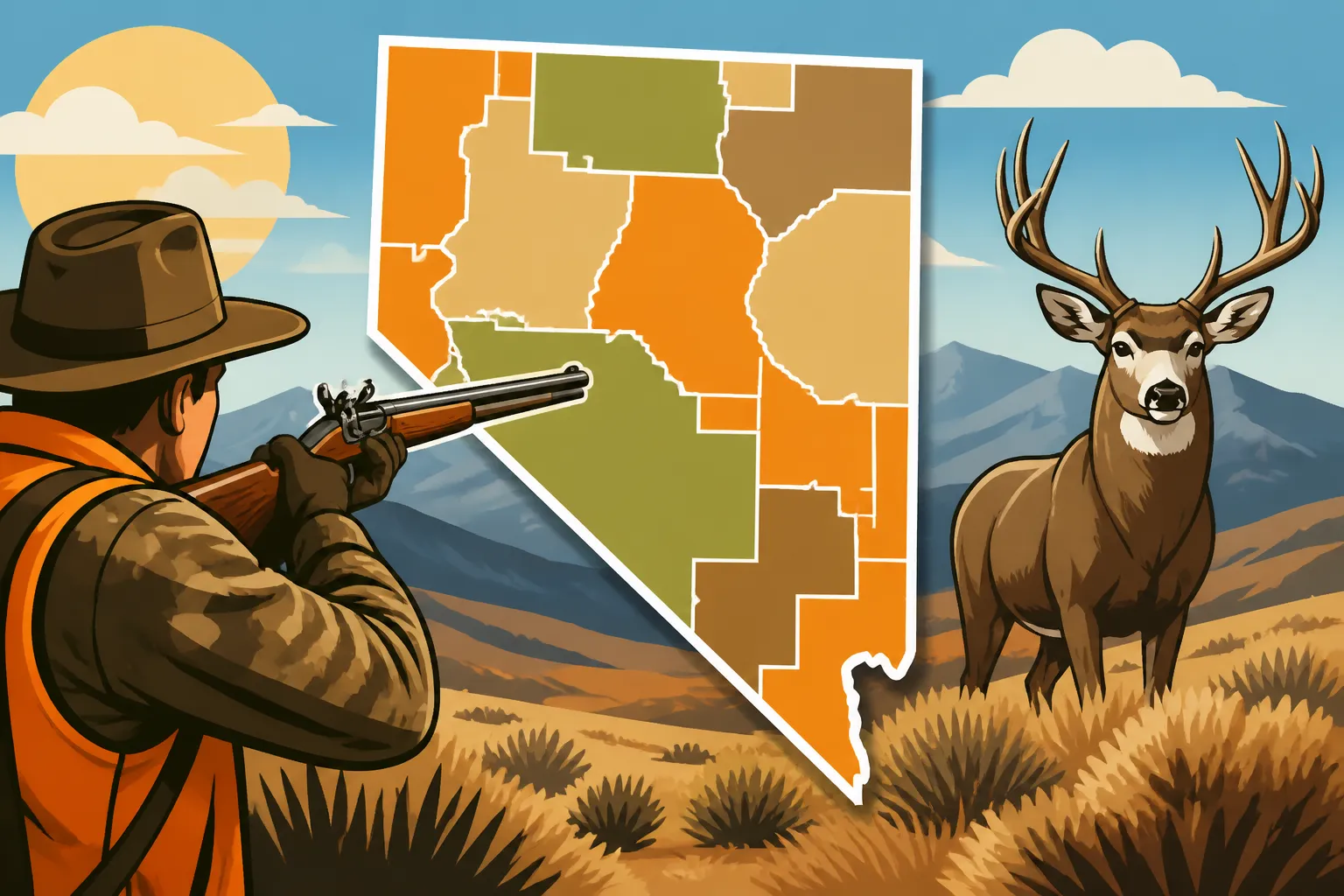
Alright, let's get down to brass tacks: which units actually offer muzzleloader deer tags? Nevada's regulations are broken down by hunt units, and within those units, by specific hunt codes that denote the weapon type, season dates, and sometimes even the sex of the animal. Muzzleloader hunts are designated with "MU" in their hunt codes. It's crucial to consult the official Nevada Department of Wildlife (NDOW) regulations each year, as quotas and unit groupings can see minor adjustments. However, certain regions and units consistently offer muzzleloader opportunities.
Eastern Nevada's Muzzleloader Opportunities
Eastern Nevada, with its iconic Basin and Range topography, often provides some of the most sought-after muzzleloader deer tags. Units here tend to be vast, offering plenty of room to roam and test your skills. You'll often find muzzleloader hunts available in units that are known for strong mule deer populations and diverse habitats, ranging from high-elevation aspen and pine pockets to expansive sagebrush flats.
Units like Unit 111, encompassing parts of the Schell Creek Range and other areas near Ely, and Unit 108, including portions of the Egan Range, frequently show up on the muzzleloader roster. These areas can be incredibly challenging, but they hold the potential for mature bucks. The terrain is rugged, demanding physical conditioning and a keen eye for glassing. When you're Reading a Nevada Hunt Unit Before You Apply, paying close attention to the specific hunt code for muzzleloader is vital, as a unit might have rifle tags but not muzzleloader.
Other eastern units that have offered muzzleloader seasons in recent years often include those within the Humboldt-Toiyabe National Forest boundaries, particularly in the northern and central portions of the state. These higher elevation hunts can coincide with early fall weather, adding another layer of challenge and beauty to the experience.
Central and Western Nevada Muzzleloader Units
Moving west, the opportunities shift slightly but remain just as compelling. Central and Western Nevada units often feature different types of terrain, including vast, remote expanses of sagebrush and pinyon-juniper forest, along with pockets of more mountainous country. The units here can be incredibly large, demanding extensive e-scouting and on-the-ground reconnaissance.
Units in the central part of the state, such as Unit 131 (which includes parts of the Toiyabe Range) and sometimes units around the Monitor Range, might offer muzzleloader hunts. These areas are characterized by long sightlines and a true test of a hunter's ability to spot game at extreme distances, then execute a precise stalk. Understanding Why Nevada Deer Hunting Is a Glassing Game is paramount here, perhaps even more so for a muzzleloader hunter who needs to get within a more limited range.
Western Nevada, closer to the Sierra Nevada, might also present limited muzzleloader options in units like Unit 201 or Unit 194, though these can be highly competitive and dependent on herd health and quota setting each year. These areas tend to be more diverse ecologically, often having good cover and more varied topography.
Southern Nevada's Unique Muzzleloader Hunts
Southern Nevada offers a different flavor of muzzleloader hunting entirely. Here, you're looking at desert mountain ranges, often isolated and harsh, but home to resilient desert mule deer. These hunts are generally tougher, with lower deer densities and extreme environmental conditions, but they offer true solitude.
Units around the Desert National Wildlife Refuge or in the southern part of the state, such as Unit 261, might occasionally feature muzzleloader seasons. These hunts demand meticulous planning for water, extreme heat management, and a deep understanding of how deer use the sparse resources available. The success rates in these units can be lower, reflecting the challenging environment, but drawing a tag here is an adventure in itself.
It’s worth noting that the phrase "Muzzleloader Deer Runs One Week in Select Nevada Units" highlights just how short these seasons can be. This means your scouting and preparation need to be incredibly dialed in, as you won't have much time once the season opens.
Here’s a simplified table summarizing common muzzleloader deer units and their general seasons. Please remember this is for illustrative purposes only, and you MUST consult the current NDOW regulations for precise and up-to-date information.
| Region | Representative Units (Examples) | General Season Timing | Notes |
|---|---|---|---|
| Eastern Nevada | 108, 111, 114, 115 | Early to Mid-September | Rugged, high-elevation, strong deer numbers |
| Central Nevada | 131, 132, 141 | Early September | Vast sagebrush, pinyon-juniper, remote |
| Western Nevada | 194, 201 | Early September | Varied terrain, potentially competitive |
| Southern Nevada | 261, 262 | Mid-September | Desert mountains, challenging conditions |
Navigating the Nevada Draw for Muzzleloader Tags
Once you know which units to target, the next hurdle is actually drawing a tag. Nevada's draw system, with its squared bonus points, can feel intimidating, but understanding how it works is your best bet for success. Muzzleloader tags are often limited, making them highly sought after.
Applying for Muzzleloader Deer Tags
The application process for Nevada big game, including muzzleloader deer, typically opens in March and closes in May. When you apply, you'll select your preferred hunt codes, which specify the unit, species, and weapon type. It's important to list multiple choices if available for muzzleloader, or consider combination hunts if they align with your goals. Given the limited nature of these tags, having a solid understanding of how Nevada Squares Your Bonus Points Into Draw Chances is critical for improving your odds. The more bonus points you've accumulated, the better your mathematical chances become. Don't forget that you need to purchase a Nevada hunting license (the "Combination License") before you can even apply for any draw.
Resources for Scouting and Unit Research
Before you even fill out that application, research is paramount. Knowing which units consistently offer muzzleloader tags and then diving deep into their terrain, access, and deer populations will give you a significant advantage. Tools like GoHunt's INSIDER service are invaluable for this. They provide detailed draw odds, unit profiles, and harvest statistics that can help you identify realistic muzzleloader opportunities based on your bonus point situation. You can use their mapping features to study topography, water sources, and potential bedding areas from the comfort of your home, effectively E-Scouting a Nevada Unit Before the Season. This kind of in-depth analysis, aided by platforms like GoHunt, helps refine your choices and ensures you're applying for units that truly match your hunting style and physical capabilities. Remember, simply because a unit offers a muzzleloader tag doesn't mean it's the right unit for you. GoHunt and similar resources can help bridge that gap.
Muzzleloader Caliber Minimums for Elk
While we're talking about deer, it's worth a quick mention that Nevada also has specific regulations for muzzleloader use on other big game species, such as elk. For those considering an elk hunt with a muzzleloader down the line, Nevada requires a minimum caliber. Specifically, for elk, it's generally a .50 caliber or larger, using a single projectile. Deer regulations are typically less stringent on minimum caliber, but it’s always wise to check the latest NDOW regulations to ensure your setup is legal. These details are important for all big game species, so always double-check your gear against the current regulations.
Tactics for Nevada Muzzleloader Deer Hunts
Muzzleloader hunting in Nevada requires a distinct approach compared to rifle or even archery seasons. The limited range of the weapon and the typically vast, open country mean your tactics need to be spot-on.
Glassing as a Core Muzzleloader Tactic
In Nevada, glassing is king, and for muzzleloader hunters, it's absolutely essential. You'll spend countless hours behind your optics, systematically Glassing Grids Across a Nevada Basin to locate deer. With a muzzleloader, you can't just spot a deer across a canyon and shoot; you need to find that animal, identify its pattern, and then plan an intricate stalk that gets you within effective range—typically 150-200 yards or less for most muzzleloaders. This means finding vantage points, setting up your spotting scope and binoculars, and patiently picking apart the landscape. Early morning and late evening are often the best times to find deer up and feeding, but you'll also be looking for bedded animals during the heat of the day. Platforms like GoHunt also offer insights into terrain features often frequented by deer, helping focus your glassing efforts.
Weather and Terrain Considerations
Nevada's weather can be notoriously unpredictable, especially in the fall. Early September hunts can still feature scorching desert heat, while late September in higher elevations might bring freezing nights and even snow. This variability greatly impacts deer behavior and your hunting strategy. On hot days, deer will often be found near reliable water sources or bedded in the shade of juniper trees or north-facing slopes. Cooler weather might see them more active for longer periods.
The terrain itself dictates much of your approach. The broken, rocky country of Nevada's mountain ranges provides excellent cover for stalking, allowing you to use draws, ridges, and rock formations to close distance. In contrast, the wide-open sagebrush flats require extreme patience and often a crawling stalk to avoid detection. No matter the unit, expect physically demanding conditions. Be prepared for long hikes, steep climbs, and potentially difficult pack-outs. Understanding how to manage Heat Management on an August Archery Hunt is a good baseline, even for early September muzzleloader seasons. Always pack enough water, prepare for drastic temperature swings, and know your physical limits.
Disclaimer
The information provided in this article is for general guidance only and is based on typical Nevada hunting regulations. Hunting regulations, season dates, unit boundaries, and application procedures are subject to change annually by the Nevada Department of Wildlife (NDOW). It is the sole responsibility of the hunter to consult and adhere to the most current official NDOW regulations and proclamations before applying or hunting. No liability is assumed for any inaccuracies or changes in regulations.