When Nevada Rifle Deer Season Opens
Trying to figure out exactly when Nevada's rifle deer season opens can feel like you're trying to solve a puzzle with a constantly shifting rulebook. It's not just one blanket date across the whole state, and for us hunters who spend countless hours planning, that can be incredibly frustrating. This guide is going to clear up the confusion, walking you through the ins and outs of Nevada's rifle deer season openers so you can pin down those crucial dates and start your hunt preparations with confidence.
The General Timeline for Nevada Rifle Deer Season Openers
Unlike some states that have a single, statewide opening day, Nevada operates on a much more nuanced system when it comes to rifle deer seasons. This approach, while sometimes perplexing, is designed to manage specific deer herds across incredibly diverse habitats, from high mountain ranges to vast desert basins. The opening dates are meticulously set by the Nevada Department of Wildlife (NDOW) to align with herd health objectives, potential migration patterns, and the biological rhythms of the mule deer.
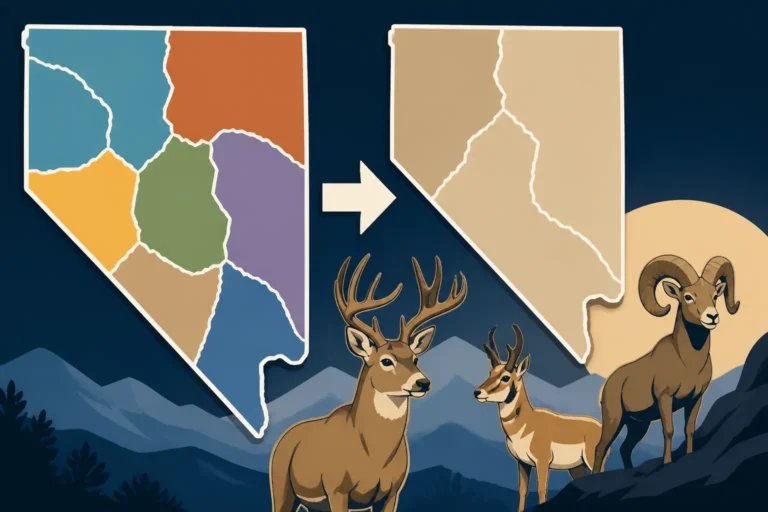
You'll quickly discover that the state is divided into many hunt units, and each unit, or often a group of units, will have its own specific season structure. This means that while one unit's rifle season might kick off in early October, a neighboring unit could begin a week or two later, or even earlier. It's this patchwork of dates that often catches new and even experienced Nevada hunters off guard. Understanding this fundamental staggered approach is the first step in decoding when and where you can hunt.
Early vs. Late Season Openers
When we talk about Nevada's rifle deer season, we're really looking at a spectrum of opening dates that typically span from early October well into November, and occasionally even into December for some specialized hunts. Early season openers, generally falling in the first half of October, often target bucks that are still in their summer patterns, potentially grouped up and focused on feeding before the major rut activity kicks in. These hunts can offer opportunities for spotting velvet bucks, though many will have stripped by then. The weather can still be mild, sometimes even hot, making water sources and shaded bedding areas prime locations.
On the other hand, some units feature later season openers, often stretching into late October and November. These seasons are strategically timed to coincide with the mule deer rut, or at least the pre-rut and the start of the migration into wintering grounds. This is when bucks are more active, less cautious, and often on the move, making for exciting hunting. These late seasons are particularly popular for hunters hoping to find bigger bucks, as the rut often brings them out into the open more frequently. Learning about Why Late Seasons Produce Bigger Bucks can be a real game-changer in your planning. The trade-off for these later hunts is, of course, the weather, which can range from crisp autumn days to biting cold, snow, and challenging road conditions.
Understanding Hunt Codes and Unit Groupings
One of the most crucial elements in deciphering Nevada's season dates lies in understanding the hunt codes and how units are grouped. Every single hunt opportunity in Nevada is assigned a unique code, and within that code is embedded a wealth of information, including the specific weapon type (rifle, muzzleloader, archery), the species, and, most importantly for this discussion, the season dates. This system can be intimidating at first glance, but once you crack the code, it makes perfect sense.
For example, a hunt code like "1011" for deer might tell you it's a general season rifle hunt for unit 101, and the regulations guide will then link that code to a precise opening and closing date. Often, several individual units are lumped together into a "unit group" that shares the exact same season dates. This streamlines the regulations but requires you to pay close attention to which units fall into which groups. It's not uncommon for hunters to spend hours pouring over maps and regulations trying to make sense of it all. This is where tools like GoHunt can really shine, as they often simplify these complex tables into an easily digestible format, but you should always cross-reference with the official NDOW documents. A deep dive into Reading a Nevada Hunt Unit Before You Apply can save you a lot of headaches, ensuring you know exactly what dates correspond to the unit you’re eyeing.
Specific Opening Dates by Region and Season Type
Because Nevada is such a vast and ecologically varied state, the opening dates for rifle deer season are not uniform. The high desert plateaus of the north and east behave very differently from the arid, lower elevation ranges of the central and southern parts of the state. These geographical and biological distinctions directly influence when the seasons begin and end, creating a diverse hunting calendar that caters to different conditions and deer behaviors.
Understanding these regional differences is key to successful planning. What works for a high-country mule deer hunt in October might not be effective for a desert unit hunt in November. The NDOW tries to balance hunter opportunity with sustainable management, leading to these distinct regional season frameworks.
Northern and Eastern Nevada Units
Many of Nevada's most sought-after mule deer units are found in the northern and eastern parts of the state. These regions, characterized by higher elevations, more extensive forest cover in some areas, and significant migration corridors, often see rifle seasons opening in early to mid-October. For example, units within the Humboldt-Toiyabe National Forest or those surrounding the Ruby Mountains tend to have seasons that begin around the second or third week of October. These dates are often chosen to allow for some cooler weather, perhaps even the first dusting of snow, which can get deer moving.
The early October openers in these regions can still mean relatively warm temperatures, especially at lower elevations. Hunters should be prepared for variable conditions, from mild autumn days to sudden cold snaps. The deer in these areas might still be in summer ranges, high up in the mountains, but as the season progresses, they'll begin their descent. Later in October, the pre-rut activity often picks up, and bucks become more visible. These units are renowned for trophy potential, making their opening dates highly anticipated. For those interested in later opportunities, there are often Late Rifle Deer Seasons in Nevada that extend the hunt into the prime rut.
Central and Southern Nevada Desert Units
Moving into the central and southern reaches of Nevada, the landscape dramatically changes to vast sagebrush flats, pinyon-juniper woodlands, and rugged desert mountains. Here, deer densities can be lower, and the migration patterns are often less pronounced or driven by different factors, such as specific water sources. Consequently, the rifle season opening dates in these desert units can differ significantly from their northern counterparts.
Many central and southern Nevada units see their rifle seasons open later, often in late October or even early November. These later dates are frequently aligned to capture the peak of the rut in these specific environments, or to coincide with cooler temperatures that encourage deer movement across the open terrain. Hunting these units demands a different strategy, often involving extensive glassing and long stalks. Hunters often spend their days glassing across huge basins, a technique crucial to success, as detailed in Glassing Nevada's Basin and Range for Mule Deer. The later openers here mean you might be contending with colder weather, but also the chance to catch bucks truly on the move.
Junior and Special Hunts
It's absolutely critical to remember that junior hunters and those with special permits often have entirely different season dates than the general public. Nevada is committed to providing opportunities for youth, and their hunts are frequently scheduled outside the main general season windows, sometimes earlier in September or later in November, to offer a less crowded experience or specific opportunities. For example, some junior rifle deer hunts might open in late September or early October, giving younger hunters first crack at deer before the general season pressure arrives. These seasons are designed to foster participation and make the experience more accessible.
Similarly, specific mobility-impaired hunts or other special circumstance tags can have unique opening dates. These are not typically part of the general draw and are often granted through separate application processes. If you or someone you know qualifies for one of these special hunts, it's paramount to consult the specific regulations for those hunt codes, as they will operate on their own distinct timelines. Always double-check the latest NDOW regulations for these specific categories, as they are subject to change annually.
How to Find the Exact Opening Dates Each Year
Navigating the nuances of Nevada's deer season dates can feel like a labyrinth, but there are definitive sources that provide the precise information you need. Relying on outdated information or word-of-mouth can lead to costly mistakes, so always go directly to the official channels. As a veteran hunter, I've learned that precision in planning starts with precision in information gathering.
While general knowledge of season windows is helpful, the exact day and time your chosen unit opens is non-negotiable for lawful hunting. This information is meticulously published each year, reflecting any changes in management objectives or herd conditions.
The Official NDOW Regulations
Without a doubt, the single most authoritative source for Nevada rifle deer season opening dates is the official Nevada Department of Wildlife (NDOW) "Big Game Seasons and Application Guide." This document, released annually, is your bible for all things related to big game hunting in the state. You can usually find it as a downloadable PDF on the NDOW website. Don't be intimidated by its length; it's organized logically.
Once you have the guide, you'll want to navigate to the section specifically for mule deer. Here, you'll find comprehensive tables listing all the hunt units, their associated hunt codes, weapon types, and crucially, the precise opening and closing dates for each season. Pay very close attention to the column that specifies "Weapon Type," ensuring you're looking at the dates for rifle season. These tables are the legal basis for all hunting seasons, and any discrepancies found elsewhere should be immediately questioned. They are the final word, and it’s a good idea to download and even print the relevant pages for your chosen unit.
Using Online Planning Tools
While the NDOW regulations are the official word, many hunters find online planning tools incredibly helpful for quickly sifting through the data. Websites and apps like GoHunt offer fantastic resources that aggregate this information, allowing you to filter by species, weapon type, and unit, often displaying the opening dates in a much more user-friendly interface. These platforms can save you hours of digging through PDFs. Many of them even allow you to E-Scouting a Nevada Unit Before the Season, providing an immersive planning experience.
These tools are particularly useful for:
- Quickly comparing dates: See at a glance how different units' rifle seasons align.
- Visualizing units: Often integrated with mapping features that show unit boundaries, public land, and even potential access points.
- Draw odds integration: Many platforms combine season dates with historical draw odds, helping you make informed application decisions.
It's important to remember that while these online tools are incredibly convenient and generally accurate, they are interpretations of the official regulations. Always, always, always cross-reference the opening dates you find on a third-party site with the official NDOW Big Game Seasons and Application Guide. This simple step can prevent misunderstandings and ensure you're hunting legally and on the correct dates.
Here's a generalized look at how Nevada rifle deer seasons often shake out, though specific dates vary annually:
| Region / Season Type | Typical Opening Range | Key Considerations |
|---|---|---|
| Northern & Eastern High Country | Early to Mid-October (e.g., Oct 5 – Oct 15) | Cooler weather, potentially early snow, bucks still in summer ranges or moving. |
| Central & Southern Desert Units | Late October to Early November (e.g., Oct 20 – Nov 5) | Warmer weather initially, increasing rut activity, focused on water sources and pinyon-juniper. |
| Late Season Rifle Hunts | Late November (e.g., Nov 20 – Nov 30) | Cold, snowy conditions likely, peak rut activity or post-rut migration. |
| Junior Hunts | Often Earlier (e.g., Sep 20 – Oct 10) | Designed for youth, less pressure, often before general season. |
Note: This table provides a generalized overview. Always consult current NDOW regulations for exact dates.
Planning Your Hunt Around the Opening Dates
Once you've nailed down the exact opening dates for your chosen Nevada rifle deer unit, the real planning begins. These dates aren't just arbitrary numbers; they dictate everything from what gear you'll pack to the tactics you'll employ in the field. Nevada's vast and rugged landscape demands thorough preparation, and knowing your opening date allows you to anticipate the conditions and deer behavior you're likely to encounter.
It's not enough to simply know when the season starts; you need to consider what that specific timeframe means for the deer, the terrain, and your personal readiness. This foresight can make the difference between a frustrating trip and a successful, memorable hunt.
Early Season Considerations
If your unit's rifle season opens in early to mid-October, you're looking at what many consider an "early season" hunt. This period usually means warmer weather is still a distinct possibility, especially at lower elevations. Daytime temperatures can still climb into the 60s or even 70s, which influences deer behavior significantly. Bucks might not be as active during the heat of the day, preferring to bed down in shady areas or dense cover. This makes glassing during dawn and dusk even more crucial. You'll likely encounter deer still in their summer patterns, possibly in larger bachelor groups, and focused heavily on available forage and water sources.
For early season hunts, proper gear for varying temperatures is a must. Layering for Basin and Range Temperature Swings is incredibly important, as mornings can be frosty and afternoons quite warm. Hydration is also paramount; even in October, the desert sun can be intense. Pay close attention to water sources, both natural springs and man-made guzzlers, as deer will be concentrated around them. This is where topics like Hunting Water in Nevada's Driest Country become highly relevant. Be mindful of potential for wildfire closures too, as dry conditions can persist. Physical conditioning for long days in potentially warm, rugged terrain is also key.
Mid to Late Season Strategies
When your rifle season opens in late October or pushes into November, you're getting into the prime time for mule deer activity. This period often coincides with the peak of the pre-rut and the rut itself, depending on the specific unit and its deer population. Bucks are becoming more active, covering more ground in search of does, and their caution levels tend to drop. This increased activity can make them more visible during daylight hours, offering excellent opportunities for encounters.
However, later season openers also bring a host of new challenges, primarily related to weather. Expect much colder temperatures, especially at higher elevations, and a higher probability of snow. This can dramatically impact road conditions, making access to some areas difficult or impossible without a capable 4×4 vehicle. Remember that Nevada's Roads Are Long and Its Services Are Far Apart, so planning for adverse conditions is vital. Deer will be starting their migration from high summer ranges to lower wintering grounds, and knowing these corridors can be invaluable. This is where concepts like Hunting the Post-Rut Migration for Big Bucks truly come into play, as movement patterns shift. Glassing remains your most powerful tool, so being ready for Preparing Physically for Long Glassing Days in colder conditions is a must. Scouting before the season, perhaps even months in advance using tools like GoHunt's historical weather data and topo maps, can give you a significant advantage in anticipating these changes.
Disclaimer: Hunting regulations, including season dates and specific unit boundaries, can change annually. It is solely the hunter's responsibility to review and comply with the most current Nevada Department of Wildlife (NDOW) official regulations before participating in any hunting activity. This article provides general information and should not be considered a substitute for the official NDOW Big Game Seasons and Application Guide.