How Nevada Lion Quotas Close a Zone
There’s nothing quite like the thrill of a mountain lion hunt, but that excitement can quickly turn to frustration when a zone suddenly closes due to reaching its quota. It’s a reality many Nevada hunters face, and understanding how these closures work isn't just helpful, it’s essential for a successful and legal hunt. This guide will walk you through the specifics of Nevada's mountain lion quota system, helping you prepare, adapt, and stay informed when chasing these elusive predators across the Silver State.
Understanding Nevada's Mountain Lion Quota System
Hunting mountain lions in Nevada offers a unique challenge, often taking you into rugged, remote terrain. However, unlike many other big game species, lion hunting is governed by a quota system designed to carefully manage populations. This system is crucial, and if you're not paying attention, you could find your hunt ending abruptly.
Why Quotas Exist for Mountain Lions
The Nevada Department of Wildlife (NDOW) manages mountain lion populations with a keen eye on sustainability. Quotas aren't arbitrary numbers; they are science-backed tools designed to ensure healthy lion numbers persist across the state for future generations. Without quotas, there's a higher risk of overharvest, especially for female lions, which can severely impact population growth. Think of it like a carefully balanced ecosystem: too many lions can impact deer and elk herds, but too few can lead to other ecological imbalances. These quotas help maintain that delicate balance, allowing for regulated hunting while safeguarding the species. It's about conservation first and foremost, ensuring that the unique experience of hunting mountain lion hunting in Nevada remains viable.
How Quotas Are Established by Zone
Nevada is a vast state, and its mountain lion populations aren't uniform. To account for these regional differences, NDOW divides the state into specific management zones, each with its own established quota. These zones typically align with existing hunt units or groups of units, making it easier for hunters to identify which rules apply to their chosen area.
NDOW biologists set these quotas based on a wealth of data, including population surveys, historical harvest data, depredation incidents, and habitat assessments. They constantly monitor these factors to determine how many lions can be sustainably harvested from each zone. Crucially, these quotas often distinguish between male and female lions, with a stricter limit on females. This is because the loss of a female can have a much larger impact on the reproductive capacity and overall health of a local lion population. This layered approach ensures that hunting pressure is distributed appropriately and doesn't jeopardize the long-term health of the herds. You can often find details on these specific quotas by consulting the official Nevada Mountain Lion Quotas and Zones document released annually by NDOW.
Real-Time Tracking of Harvest and Closures
This is where the rubber meets the road for hunters. A quota is only effective if its progress is tracked and communicated diligently. NDOW understands the need for timely information, and they work hard to provide updates as harvest numbers climb. Imagine you’ve spent days Hunting Lions Behind a Pack of Hounds in a remote zone, only to find out the quota was met yesterday. It’s a frustrating scenario, but it’s entirely avoidable with proper diligence.
NDOW maintains a dedicated hotline and updates its website frequently to provide the current harvest totals for each zone. Many hunters also rely on digital tools like GoHunt to keep a close eye on these numbers. These resources often aggregate real-time harvest data, giving hunters an added layer of insight beyond the official channels. It's not enough to check once; during prime hunting periods or as quotas near their limits, you need to be checking frequently, sometimes even daily, to avoid being caught off guard. Missing a closure notification means you could be hunting illegally, even unintentionally.
The Mechanics of a Zone Closure
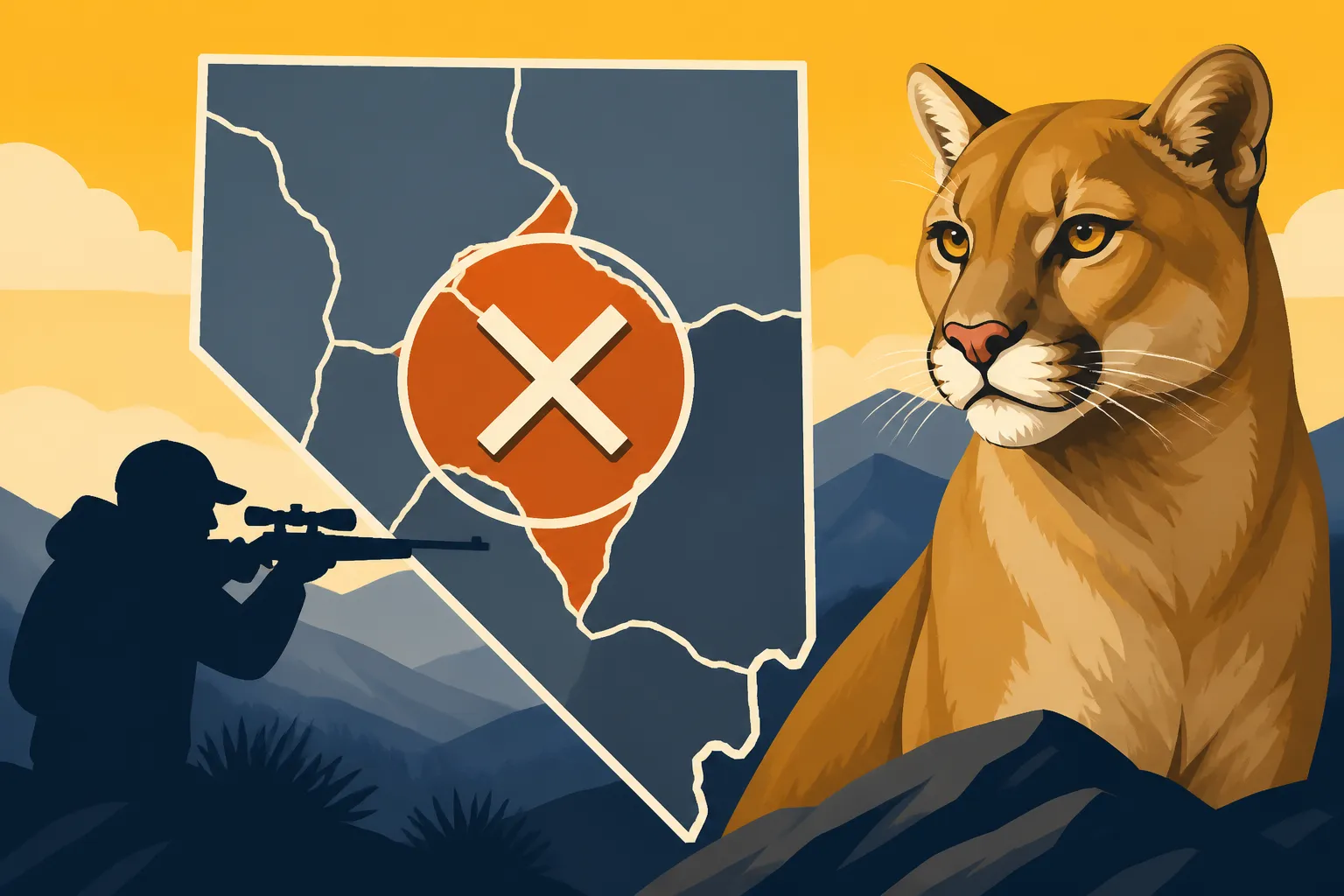
The term "zone closure" sounds serious, and it is. When a mountain lion management zone reaches its harvest limit, the hunting season for that specific area is immediately closed. Understanding the precise mechanics of this process is paramount for any hunter planning to pursue lions in Nevada.
The "Fill Rate" and Trigger Points
It's not always as simple as hitting a hard number. Often, there are internal trigger points or "fill rates" that NDOW uses to manage the quota. For instance, a zone might have a total quota of 10 lions, but if 7 or 8 female lions are harvested, even if the overall male quota isn't met, NDOW might initiate a review or even an early closure. This is because female harvest significantly impacts future population growth. The regulations are very specific about these trigger points.
Typically, NDOW monitors the harvest numbers against both the overall quota and the female-specific quota. Once a certain percentage of either of these quotas is met, or if a critical number of female lions are harvested, the zone is flagged for potential closure. This usually happens very quickly. If you're out in a unit like, say, Unit 111 or 113, and you've been tracking the harvest, you'll see those numbers tick up. When the quota is nearing, the urgency to monitor the official channels becomes critical. The system is designed to be responsive, meaning closures can happen at any time, not just at the end of a week or month.
Official Notification Methods
When a zone closes, NDOW doesn't just quietly update a webpage. They employ several methods to ensure hunters are notified as quickly and broadly as possible. The primary method is usually an official announcement on the NDOW website, often accompanied by a press release or public notice. However, in today’s connected world, they also utilize more immediate channels:
- Dedicated Hotline: NDOW often maintains a specific phone number that hunters can call to get the most up-to-date harvest numbers and closure information. This is invaluable, especially if you're in an area with limited internet connectivity.
- Email and Text Alerts: Many hunters sign up for NDOW's email or text alert systems, which send out notifications when zones are nearing or have reached their quotas. This is perhaps the most immediate way to get critical updates.
- News Media and Social Media: Local news outlets and NDOW's social media channels will also often carry closure announcements.
It cannot be stressed enough: it is the hunter's responsibility to know if a zone is open or closed. Ignorance of a closure is not a defense. Before you even step foot in the field, and certainly before pulling the trigger, you must verify the status of your chosen zone. Neglecting to check could lead to severe penalties, including fines, license revocation, and the forfeiture of your harvested animal.
Immediate Impact on Hunters
So, what happens if you're deep in the backcountry, chasing a lion with your hounds, and a closure is announced? The impact is immediate and absolute. As soon as a zone is officially declared closed, all hunting activity for mountain lions in that specific zone must cease.
This means:
- No More Hunting: If you're actively hunting, you must stop immediately. No more pursuing tracks, no more releasing hounds, no more trying to locate a lion.
- No Harvest Allowed: Any lion taken after the official closure time, even if you weren't aware of it, is considered an illegal harvest. This is why immediate reporting of your kill is so critical under the Mountain Lion Tagging Requirements in Nevada and How Nevada Manages Lion Harvest depends on this timely information.
- Penalties: Taking a lion after a zone closure can result in significant legal repercussions. These can include heavy fines, mandatory court appearances, loss of hunting privileges for several years, and confiscation of the harvested animal, your weapon, and potentially even your vehicle or dogs used in the hunt.
It's a tough pill to swallow, especially after investing time, effort, and money into a hunt. But the integrity of the quota system, and the health of the lion population, depends on strict adherence to these rules. Always have a clear understanding of the closure process before your hunt begins.
Strategies for Hunting Under a Quota System
Hunting mountain lions in Nevada demands a different kind of strategy than, say, a deer or elk hunt where seasons are fixed. The dynamic nature of quota-based seasons means you need to be adaptable and highly informed.
Pre-Season Planning and Research
The groundwork for a successful quota-based lion hunt begins long before you hit the trail. Pre-season planning isn't just about scouting; it's about deep dives into regulatory data and historical trends.
- Regulations Review: Start by thoroughly reviewing the current year's Nevada Big Game Seasons and Regulations, specifically the section on mountain lions. This document will outline the zones, their quotas, and any special conditions. Pay close attention to the Reading a Nevada Hunt Unit Before You Apply section to ensure you understand the boundaries.
- Historical Data Analysis: Look at past years' harvest statistics. NDOW provides detailed data on past lion harvests, including which zones closed and when. Platforms like GoHunt also offer powerful tools for analyzing draw odds and harvest success rates, which can inform your strategy. Did a particular zone close quickly every year? Was the female quota frequently the limiting factor? This historical context can give you an edge in predicting how fast a quota might fill.
- Targeting Lower-Pressure Zones: While everyone wants to hunt a "hot" zone, these are often the first to close. Consider researching zones that historically have lower harvest numbers or larger quotas. These might offer a longer hunting window.
- Unit Familiarity: Even if you can't scout for lions directly, familiarize yourself with the terrain, roads, and access points within your target zones. Use tools like onX Hunt to overlay public land, private land, and wilderness areas. Understanding the geography will help you hunt more efficiently when the season opens.
Staying Informed During the Season
Once the season opens, communication becomes your most critical piece of gear. This isn't a passive hunt where you can just go out for a week and expect everything to be the same.
- Daily Quota Checks: Make it a habit, especially during the peak of the season or if you know a zone's quota is getting low, to check NDOW's official harvest numbers daily. If possible, check multiple times a day. If you're in an area with poor cell service, plan for how you'll get updates – perhaps driving to a town with service at the end of each day or using a satellite communication device to receive updates.
- Sign Up for Alerts: Ensure you are subscribed to any official NDOW text or email alert systems. These are often the fastest way to get real-time closure notifications.
- Buddy System: If hunting with partners, establish a system for one person to be responsible for checking quotas and relaying information to the rest of the group. This helps ensure no one is caught unaware.
Considering Alternative Zones
A key part of hunting under a quota system is flexibility. If your primary zone is filling up fast, or worse, closes, having a backup plan can salvage your hunt.
- Scout Multiple Zones: During your pre-season planning, identify and research several potential zones. Don't put all your eggs in one basket.
- Understand Different Species and Season Dates: While your focus might be on lions, be aware of other species' seasons and regulations. Knowing When Nevada Rifle Deer Seasons Fall or the details of Nevada Elk Rifle Hunts Stretch From October Into December might offer a different opportunity if your lion hunt is cut short.
- Geographic Diversity: Choose backup zones that are geographically distinct. A closure in one area due to local conditions (like heavy snowfall or concentrated lion activity) might not affect another region. Having options across different parts of the state can increase your chances of finding an open area.
Ethical Considerations and Management
Mountain lion hunting, like all hunting, comes with a deep responsibility. Under a quota system, ethical considerations and cooperation with wildlife management become even more critical.
The Importance of Reporting Harvests
The quota system relies entirely on accurate and timely harvest reporting. Without it, NDOW cannot effectively manage the population, and zones could remain open past their sustainable harvest limit, leading to detrimental impacts on lion numbers.
- Prompt Reporting: After you harvest a lion, it is your legal and ethical obligation to report it to NDOW as quickly as possible. This isn't just about getting your tag validated; it's about signaling to the state that a lion has been taken from a specific zone, which contributes to the running tally. The sooner you report, the sooner NDOW can update the harvest totals and, if necessary, close a zone. Delaying your report could lead to another hunter unknowingly exceeding the quota. Reviewing the detailed steps in Mountain Lion Tagging Requirements in Nevada is essential here.
- Accurate Information: Provide all requested information truthfully and accurately. This data is vital for biologists to assess population health, track trends, and set future quotas. From sex to location, every piece of information helps paint a clearer picture.
- Carcass Examination: Be prepared for NDOW to request biological samples or even the entire carcass for examination. This provides invaluable data for ongoing research and management. For more insights into how state agencies use this data, check Where Nevada Publishes Harvest Data.
Understanding the Role of Hound Hunting
Hound hunting is a traditional and highly effective method for pursuing mountain lions, and it plays a significant role in Nevada's management strategies.
- Efficiency: Hounds allow hunters to cover vast, rugged terrain and successfully locate and tree lions. This efficiency, while good for hunters, also means quotas can be filled rapidly.
- Selective Harvest: Ethical hound hunters can often assess the size and sex of a treed lion before deciding whether to harvest. This allows for selective harvest, which is particularly important for managing female quotas. A responsible hunter will prioritize a male lion if the female quota is nearing its limit.
- Community of Reporting: The hound hunting community is often very well-connected. Information about tracks, sightings, and harvests can spread quickly. While unofficial, this network often supplements NDOW's formal reporting, helping hunters stay informed about activity levels in various zones. Many successful lion hunters are deeply invested in conservation and adhere strictly to the rules, understanding that their actions directly impact the future of lion hunting. If you're considering Hunting Lions Behind a Pack of Hounds, make sure you understand the nuances involved in this method and its connection to overall management efforts.
Nevada Mountain Lion Quotas by Zone (Illustrative Example)
To give you a clearer picture, here's an example of how Nevada's mountain lion quotas might be structured. Please remember these numbers are purely illustrative and change annually. Always consult the official NDOW regulations for the most current data.
| Lion Management Zone | Hunt Units Included | Total Quota | Female Quota | Harvested (Male) | Harvested (Female) | Status (Hypothetical) |
|---|---|---|---|---|---|---|
| Zone 1 (Northeast) | 011, 012, 013 | 10 | 4 | 3 | 2 | Open |
| Zone 2 (Central) | 061, 062, 063 | 8 | 3 | 4 | 3 | Approaching Closure (Female) |
| Zone 3 (West) | 192, 194, 195 | 12 | 5 | 6 | 5 | CLOSED (Female Quota Reached) |
| Zone 4 (South) | 231, 232, 233 | 7 | 3 | 2 | 1 | Open |
This table highlights how different zones have different quotas based on local population dynamics. Crucially, notice how Zone 3 has been marked as "CLOSED" even though its total quota of 12 wasn't met. This is because the female quota of 5 was reached, triggering an immediate closure for that specific zone. This demonstrates the importance of tracking both total and female-specific harvest numbers.
Conclusion
Hunting mountain lions in Nevada is an unforgettable experience, but it requires diligent preparation and constant vigilance, especially with the state's quota system. By understanding how quotas are set, how zones are closed, and what your responsibilities are as a hunter, you can navigate these challenges effectively. Stay informed through NDOW's official channels and supplementary tools like GoHunt, plan for contingencies, and always prioritize ethical hunting practices. Your efforts not only enhance your chances of a successful hunt but also contribute to the long-term health and sustainability of Nevada's remarkable mountain lion populations.
Disclaimer
The information provided in this article is for general guidance and informational purposes only. Hunting regulations, seasons, and quotas in Nevada are subject to change by the Nevada Department of Wildlife (NDOW) without notice. While every effort has been made to provide accurate and up-to-date information, it is the hunter's sole responsibility to consult the official, current Nevada Big Game Seasons and Regulations, available on the NDOW website, before participating in any hunting activity. Failure to comply with all applicable laws and regulations can result in significant penalties.