What a Nevada Dream Tag Entry Costs
It's incredibly frustrating, isn't it, to pore over draw odds year after year, throwing your hat into the ring for those coveted Nevada tags, knowing full well the chances are slim? Many of us dream of that one-in-a-lifetime hunt without the decades of point accumulation. This guide is here to shed light on exactly what a Nevada Dream Tag entry costs, giving you a clear picture of this unique opportunity and how it might just be your ticket to an incredible big game experience.
Understanding the Nevada Dream Tag Program
The Nevada Dream Tag program isn't just another raffle; it's a unique opportunity designed to fund critical wildlife conservation projects across the Silver State while offering hunters a chance at an unparalleled experience. It's truly distinct from the regular big game draw and understanding its origins and benefits helps put the entry cost into perspective.
What the Dream Tag Really Is
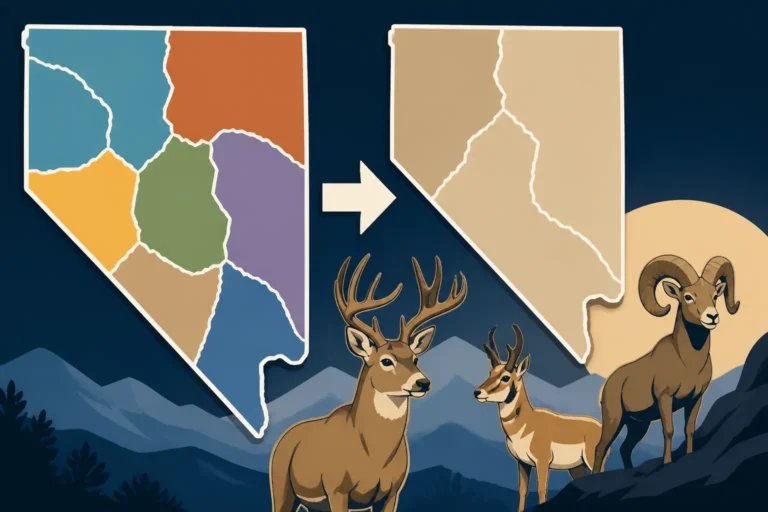
At its core, the Nevada Dream Tag is a special raffle-based hunt opportunity. Unlike the traditional big game drawing where you apply for specific units and seasons, the Dream Tag awards a single, highly flexible tag for each of several premier species: mule deer, elk, California bighorn sheep, desert bighorn sheep, and Rocky Mountain bighorn sheep. This means if you win a Dream Tag for, say, mule deer, you get to hunt for that species in any open unit, during any open season, for an entire year. It’s the ultimate freedom for a hunter who wants to chase a specific animal without the usual unit restrictions or time constraints. The Nevada Department of Wildlife (NDOW) partners with various conservation organizations to manage this program, ensuring its success in both fundraising and providing exceptional hunting experiences.
The tags themselves are often referred to as "governor's tags" or "commission tags" in other states, signifying their rarity and the incredible flexibility they offer. Imagine being able to scout a trophy buck in Unit 102, then deciding to hunt a different, less-pressured unit with a monster bull, all on the same type of tag. That's the power of the Dream Tag. It allows you to literally pick the best possible scenario for your hunt, which is something almost no other tag in the state offers.
It’s important to remember that these aren't tags you apply for in the traditional sense, building up points over time. Instead, they are won through a raffle drawing, making every entry a shot at instant success, regardless of your past application history or bonus points. For many, this lottery aspect is a refreshing change from the often-decades-long waiting game that comes with the regular draw, particularly for coveted species.
Why the Dream Tag Exists
The primary purpose behind the Nevada Dream Tag program is to generate significant funding for wildlife conservation. The revenue collected from each entry goes directly back into the state's wildlife management efforts. This includes crucial habitat improvement projects, scientific research into herd health and migration patterns, wildlife transplants to bolster struggling populations, and water development projects built for wildlife in arid regions. It's a win-win scenario: hunters get a chance at an incredible tag, and Nevada's wildlife resources receive vital financial support.
Think about the sheer scale of the conservation challenges in a state as vast and arid as Nevada. Drought affects Great Basin deer populations, wildfires reshape sagebrush habitat, and water sources are perpetually scarce. The funds raised by programs like the Dream Tag are instrumental in addressing these issues. They allow NDOW and its partners to undertake projects that might otherwise be impossible due to budget constraints, directly impacting the health and sustainability of the very herds we all hope to hunt. This is a testament to how hunting dollars consistently fund conservation.
Beyond the financial aspect, the Dream Tag also serves to promote Nevada as a premier hunting destination, showcasing the quality of its big game animals and the unique challenges and rewards of hunting the Basin and Range country. It generates excitement and engagement within the hunting community, keeping the passion for wildlife and the outdoors alive. This dual benefit of funding conservation while inspiring hunters is a cornerstone of responsible wildlife management, making every entry not just a gamble, but a contribution.
The Allure of No Unit Restrictions
Perhaps the most compelling aspect of winning a Nevada Dream Tag is the complete absence of unit and season restrictions. This single feature transforms the hunting experience entirely. Unlike regular tags where you're bound to a specific unit and a narrow season window, a Dream Tag winner can literally hunt anywhere in Nevada that is open for that species, at any time within the designated hunting year. This flexibility is what truly makes it a "dream" tag for many.
Imagine having the freedom to chase a mature mule deer buck during the peak of the rut, whether that’s a late rifle season in a remote unit or an archery hunt in another. You're not restricted by the arbitrary lines on a map; instead, you can pursue the biggest or most accessible animal you can find. This flexibility allows for unparalleled scouting opportunities, letting you pinpoint specific animals or areas of high game concentration without worrying about your tag being invalid. This level of access is almost impossible to achieve through the standard draw, which has strict unit assignments like those you'd encounter when reading a Nevada hunt unit before you apply.
This unique flexibility also opens up possibilities for hiring guides or utilizing specialized tactics that might not be viable in a restricted unit. For instance, if you're eyeing a record-book bull, you can focus your E-scouting a Nevada unit before the season and in-person efforts on multiple top-tier areas, adapting your plan based on real-time intelligence or weather patterns. This level of control over your hunt is why these tags are so highly sought after and why the entry costs are a small price to pay for such an extraordinary opportunity.
Breaking Down the Entry Costs
So, what does it actually cost to enter this incredible raffle? The beauty of the Nevada Dream Tag is that while the prize is enormous, the entry barrier is surprisingly low, making it accessible to a wide range of hunters.
The Standard Entry Fee
The typical cost for a single entry into the Nevada Dream Tag raffle is $10. That's right, just ten bucks for a chance at a hunt that could define your hunting career. This low price point is intentionally set to encourage broad participation, ensuring that as many hunters as possible can contribute to conservation and vie for these coveted tags. Compared to the often hundreds or even thousands of dollars required for a nonresident Nevada elk tag or other premium draw tags, a $10 raffle ticket feels almost negligible.
It's common for hunters to purchase multiple entries to increase their odds, but the base cost remains very affordable. This structure makes the Dream Tag a very different animal from applying for regular draw tags, where the application fees alone can add up, even if you don't draw. Here, every $10 directly equates to one chance in the drawing. There are no complex point systems to navigate, unlike when Nevada squares your bonus points into draw chances.
When you weigh this small entry fee against the potential reward – a tag that offers statewide access and season-long flexibility for a premier big game animal – it becomes clear why so many hunters are willing to invest in multiple entries. It's a modest investment for a shot at something truly extraordinary, and a direct way to support the wildlife you cherish, even if you don't win.
Maximizing Your Chances: Buying Multiple Entries
While a single $10 entry gives you a shot, many serious contenders and dedicated conservationists opt to buy multiple entries to increase their statistical odds. The process is straightforward: each $10 you spend buys you one additional entry into the drawing for your chosen species. So, if you spend $100, you'll have ten entries; if you spend $500, you'll have fifty entries, and so on.
There's no limit to how many entries you can purchase, allowing hunters to decide how much they're willing to invest in this unique opportunity. While the odds are still long, especially for the most popular species like elk or bighorn sheep, every additional entry mathematically improves your chances. This strategy is a stark contrast to the regular draw, where an extra application fee only gets you another year of bonus points, not a direct increase in your immediate draw probability. Many hunters consult resources like GoHunt to understand overall draw dynamics, but for the Dream Tag, it’s simply a numbers game: more entries equal more chances.
The decision to buy multiple entries often comes down to personal budget and how strongly you desire one of these special tags. Some hunters might dedicate a specific amount of their annual hunting budget to Dream Tag entries, seeing it as both a charitable contribution to wildlife and a thrilling long shot. It’s an accessible way to play the high-stakes game of trophy hunting without the decades-long commitment required for many traditional draws.
License Requirements Before Entry
A common question hunters have is whether they need to possess a valid Nevada hunting license before purchasing Dream Tag entries. The good news is, no, you do not need a current Nevada hunting license to purchase Dream Tag raffle entries. This is a significant convenience, especially for out-of-state hunters or those who haven't yet committed to buying their annual license but want a shot at the Dream Tag. You can participate in the raffle without any prior licensing commitment.
However, if you are the lucky winner of a Nevada Dream Tag, you absolutely will need to purchase a valid Nevada hunting license and any required stamps (like an upland game bird stamp, though usually not applicable for big game Dream Tags) before you can actually redeem and utilize your tag. This ensures that all legal requirements are met for the actual act of hunting. The cost of a Nevada hunting license, especially for nonresidents, is a separate expense that should be factored in if you win.
This two-step process makes the entry phase very low-friction. You can throw your name into the hat for a minimal investment, and only if you win do you incur the additional, but necessary, expense of the hunting license. It removes a potential barrier to entry and encourages wider participation, all while ensuring that the eventual hunter is properly licensed when they head afield.
Comparing Dream Tag Costs to Traditional Applications
It's helpful to look at the Dream Tag entry cost in the context of other hunting expenditures, particularly those associated with the regular Nevada big game draw. This comparison highlights the unique value proposition of the Dream Tag.
Application Fees vs. Dream Tag Entries
When you apply for a regular Nevada big game tag, you pay an application fee for each species, typically ranging from about $15 to $20 for residents, and often higher for nonresidents. While these fees might seem small, they are generally non-refundable, even if you don't draw a tag. So, if you apply for mule deer, elk, and antelope, you're looking at $45-$60+ in non-refundable fees, plus the cost of your hunting license up front. This doesn't even count the actual tag fee, which is charged only if you draw. For example, a nonresident Nevada elk tag runs well over $1,200 if you're successful in the draw, plus the initial application fees.
Contrast this with the Nevada Dream Tag entry cost of $10 per ticket. Every $10 you spend directly goes toward a chance at a tag, and that tag, if won, doesn't require an additional purchase. The funds are also directed towards conservation, providing a more immediate and direct impact compared to the administrative fees of the regular draw. The "all-in" cost for entering the Dream Tag raffle is simply the sum of your entries, making it transparent and easy to manage.
This fundamental difference means that with the Dream Tag, your financial investment is directly tied to raffle chances and conservation funding, without the overhead of application fees for tags you might never draw. It offers a more streamlined and perhaps less financially risky way to pursue a truly premier hunting opportunity, particularly for hunters who are tired of accumulating bonus points year after year with no guarantee of success.
Opportunity Cost and Investment Strategy
Every dollar spent on hunting, whether it's gear, gas, or tags, involves an opportunity cost. When considering the Dream Tag, hunters often weigh it against other investments, such as buying bonus points without applying for a tag, or simply saving up for an out-of-state hunt with better draw odds. Many dedicated hunters use platforms like GoHunt to analyze draw odds, track their points, and strategize their applications across multiple states. This analytical approach helps them determine where their money has the best chance of yielding a tag.
For the Dream Tag, the strategy is simpler: you're investing in a chance. The odds are long, but the prize is truly exceptional. It's a different kind of investment than meticulously building points over a decade to get a marginal edge in the regular draw. For some, the opportunity cost of putting $100 into Dream Tag entries is well worth the excitement and the remote possibility of winning a hunt of a lifetime, especially when compared to the ongoing, smaller expenses of maintaining bonus points in multiple states.
It's about diversifying your "hunting portfolio," if you will. You might continue to apply for regular tags, carefully managing your points and choices, while simultaneously taking a few shots at the Dream Tag each year. This hybrid approach allows you to pursue the long-term goal of a general draw tag while also holding out hope for that instant, unrestricted Dream Tag success. Ultimately, your investment strategy depends on your personal goals and risk tolerance.
The Value of a "Hunt of a Lifetime" Tag
Let's be realistic: a "hunt of a lifetime" tag, especially one without unit or season restrictions, carries an immense intrinsic value that far surpasses the $10 entry fee. These are the hunts that most hunters only dream of, offering unparalleled flexibility to pursue trophy animals. Imagine having the power to decide your hunting dates, choose prime locations, and adapt your strategy to weather conditions or game movements across the entire state of Nevada. This freedom, for species like mule deer are the reason most hunters apply in Nevada or Nevada elk herds grew from nothing into a trophy draw, is simply invaluable.
Winning a Dream Tag is akin to winning a golden ticket. It eliminates the years of frustration from drawing poor units, dealing with compressed season windows, or being limited to areas with heavy pressure. Instead, you can focus entirely on the quality of the experience and the pursuit of a specific animal, knowing that you have the entire state and season at your disposal. This level of access and flexibility could easily cost tens of thousands of dollars if purchased through an auction tag or a high-end guided hunt.
When you put it into perspective, a $10 entry isn't just buying a raffle ticket; it's buying a chance at an experience that very few hunters will ever have. It's an investment in a memory, a story, and an adventure that will last a lifetime. For many, that potential, however small the odds, makes the Dream Tag entries a worthwhile and exciting annual tradition.
Who Benefits from Your Dream Tag Investment?
Every dollar spent on a Nevada Dream Tag entry contributes directly to the well-being of Nevada's wildlife. This isn't just a raffle; it's a vital funding mechanism for the state's conservation efforts.
Funding Conservation Efforts
The funds generated by the Nevada Dream Tag program are a critical source of revenue for NDOW and its conservation partners. This money doesn't disappear into a black hole; it's meticulously allocated to projects that directly benefit big game populations and their habitats across Nevada. This includes vital work like habitat restoration following wildfires, developing new water sources in arid regions through the construction and maintenance of guzzlers, and funding research into diseases like Chronic Wasting Disease (CWD) to protect herd health.
For instance, robust funding allows for strategic wildlife transplants to establish or boost populations in suitable habitats, as seen with Nevada holds all three bighorn subspecies, or to reintroduce elk into areas where they once thrived. It also supports efforts to manage invasive species that degrade native habitats and compete with forage for deer and elk. These tangible projects ensure that the wildlife resources we all cherish remain healthy and abundant for future generations of hunters and wildlife enthusiasts. When you buy a Dream Tag entry, you're directly contributing to the long-term sustainability of Nevada's incredible outdoor heritage, making every dollar count towards protecting the very animals you hope to hunt.
Partnering Organizations and Their Role
NDOW doesn't manage the Dream Tag program in isolation. They partner with several dedicated conservation organizations, both local and national, to promote the raffle and channel funds effectively. Groups like the Wild Sheep Foundation, Rocky Mountain Elk Foundation, Mule Deer Foundation, and local sportsmen's organizations play a crucial role in publicizing the Dream Tag, processing entries, and ensuring the funds are directed to impactful projects. These partnerships are essential for extending the reach and effectiveness of conservation efforts.
These organizations often have direct involvement in specific on-the-ground projects, leveraging their volunteer networks and expertise to complement NDOW's efforts. For example, the Wild Sheep Foundation might use Dream Tag funds specifically for bighorn sheep research or habitat restoration in critical sheep ranges. Similarly, the Rocky Mountain Elk Foundation might focus on projects that benefit elk forage and migration corridors. This collaborative approach ensures that the money raised addresses a wide array of conservation needs across different species and habitats.
By participating in the Dream Tag raffle, you're not just supporting a government agency; you're also empowering a network of passionate conservationists who are working tirelessly to protect and enhance Nevada's wildlife. It's a testament to the power of collective action, demonstrating how hunters' dollars are a primary driver of successful conservation initiatives.
Here's a quick comparison of entry costs and typical application fees:
| Category | Cost Description | Typical Cost | Purpose |
|---|---|---|---|
| Nevada Dream Tag Entry | Cost per single raffle ticket | $10 | Entry into a drawing for a flexible, statewide "hunt of a lifetime" tag; supports conservation. |
| Regular Big Game Application Fee | Non-refundable fee per species in the draw | $15 – $20 (Resident) | Administrative cost to enter the regular draw; does NOT guarantee a tag or points. |
| $20 – $30 (Non-Resident) | |||
| Nevada Bonus Point-Only Application | Cost to purchase a point without applying for a tag | $15 (Resident) | Builds points for future draws without committing to a specific hunt. |
| $20 (Non-Resident) | |||
| Nevada Annual Hunting License | Required to hunt (if you draw or win a tag) | ~$38 (Resident) | General license required to legally hunt any game. |
| ~$155 (Non-Resident) | |||
| Nevada Regular Tag Fee (if drawn) | Actual cost of the tag, paid after drawing | ~$150 (Deer, Resident) | Cost of the actual big game tag if successful in the draw. |
| ~$400 (Elk, Resident) | |||
| ~$350 (Deer, Non-Resident) | |||
| ~$1200 (Elk, Non-Resident) |
Disclaimer
The information provided in this article is for general guidance only and is subject to change. Hunting regulations, fees, and program details can be updated by the Nevada Department of Wildlife (NDOW) at any time. Always consult the most current official NDOW regulations and publications before making any hunting plans or purchases.