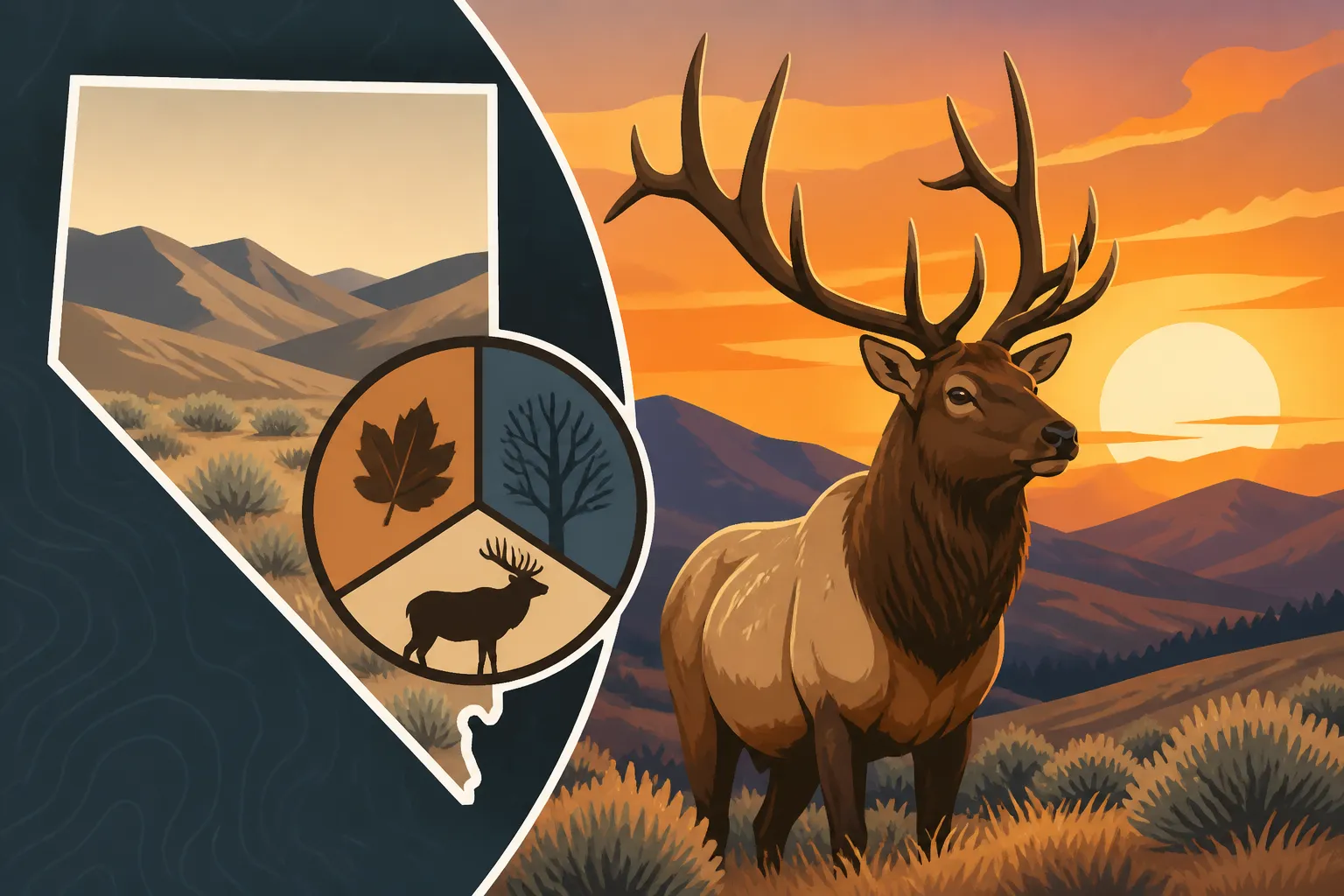
How Late Nevada Elk Season Runs
Trying to pin down the exact dates for Nevada's late elk season can feel like trying to nail jello to a wall. The regulations are dense, the hunt codes seem like a secret language, and you're just trying to figure out if that hard-won tag will have you hunting in the snow or dodging blustery winds. This guide is here to break down the complexities, giving you a clear picture of when Nevada's elk season truly runs into the colder months, and what to expect when you finally draw one of those coveted late-season tags.
Understanding Nevada's Late Elk Season Framework
Nevada's elk seasons, especially those stretching into the latter part of the year, are carefully structured to manage herd health and provide diverse hunting opportunities. Unlike some states with straightforward, statewide date ranges, Nevada employs a highly unit-specific and weapon-specific system. This means that when we talk about "late season," we're really talking about a collection of distinct hunts, each with its own precise start and end dates, often running through November and even into December.
The primary reason for these later hunts often boils down to herd management objectives. Many of these tags are for antlerless elk (cows), crucial for maintaining healthy population levels and preventing overgrazing in specific units. These hunts also capitalize on the elk's natural movement patterns as they transition from higher summer ranges down to more accessible wintering grounds, a time when they can be more concentrated. However, these later dates also bring with them the added challenge of colder weather, potential snow, and shorter daylight hours, adding a layer of ruggedness that appeals to many seasoned hunters. It's a trade-off: more concentrated animals, but much tougher conditions.
The Role of Unit and Weapon Type in Season Dates
The specific hunt unit you draw a tag for, combined with the legal weapon type, are the two biggest factors determining your exact late-season dates. You simply can't talk about late elk season in Nevada without acknowledging that Unit 111 might have a rifle hunt ending in mid-November, while Unit 162 could have a muzzleloader hunt stretching into early December. This unit-by-unit variation is why simply asking "When is late elk season?" won't get you a single, clear answer. You have to dive deep into the regulations for your specific hunt number.
Rifle seasons generally offer the longest reach and are often scheduled to coincide with elk moving into their wintering areas, making them popular for these later dates. Muzzleloader hunts are less common in the deep late season for elk, but when they do occur, they usually offer a unique challenge and a shorter window, typically in the first half of November. Archery, while popular for earlier seasons like Nevada's August Archery Deer Window, is quite rare for late elk hunts due to the extreme difficulty of getting within bow range of cold-weather elk in open terrain. It's not impossible, but you'll find far fewer tags and much shorter windows for late archery than for rifle or even muzzleloader. Each weapon type brings its own set of rules and limitations, directly impacting the viable hunt dates and tactics you'll need to employ.
Distinguishing Bull vs. Antlerless Hunts
It's absolutely vital to understand whether your late-season tag is for a bull or an antlerless (cow) elk, as this profoundly influences the timing and purpose of the hunt. While some late bull hunts exist – often targeting mature animals that have evaded hunters during the rut – a significant portion of Nevada's late elk seasons are dedicated to antlerless harvest.
Antlerless hunts are a critical tool for game managers to balance elk populations with available habitat. These hunts help control herd growth, reduce depredation on private lands, and ensure the long-term health of the entire herd. Because the objective isn't trophy harvest, these seasons might be placed strategically to target concentrations of cows as they gather on winter range, sometimes even extending later into December than bull hunts. If you've drawn one of these antlerless tags, your focus shifts from finding a specific-sized bull to simply harvesting an elk, often with a different set of challenges and opportunities.
For instance, a late antlerless hunt might have less competition from other hunters than a prime-time rut bull hunt, but you'll be dealing with colder temperatures and potentially deeper snow. Understanding the difference between a bull and an antlerless tag isn't just about what you can legally shoot; it's about understanding the specific management objective of your hunt and preparing accordingly. You'll often see these reflected directly in the hunt code itself, with codes often designating "any bull" or "antlerless" tags clearly.
Typical Timing for Late Nevada Elk Hunts
When we dive into the nuts and bolts, most of Nevada's true "late" elk seasons fall predominantly within November and December. These are the hunts where you're genuinely preparing for winter conditions, and the landscape has usually transformed from the golden hues of autumn to the stark, often snow-dusted, grays and whites of winter. These periods are specifically designed to align with elk migrations to lower elevations and wintering grounds, where they become more visible and sometimes more concentrated, albeit often in challenging environments.
The NDOW (Nevada Department of Wildlife) annual Big Game Seasons and Regulations document is your absolute bible for these dates. Within its pages, you'll find the specific hunt codes, units, and corresponding dates. For example, you might see "Unit 071-073 ELK RIFLE" with a season running from "Nov 15 – Nov 28" for antlerless, or perhaps a bull tag in a different unit like "Unit 111 ELK RIFLE" from "Dec 1 – Dec 14." These aren't just arbitrary dates; they're the result of years of biological data and management planning. Knowing When Nevada Elk Rifle Seasons Open and how long they run for these late hunts is key to successful application and planning.
November and December Rifle Hunts
By far, the most common and robust late-season elk opportunities in Nevada occur with rifle hunts in November and December. These seasons are a serious commitment, demanding physical and mental toughness. Think about it: the days are short, the temperatures can plummet well below freezing, and you're likely dealing with snow, ice, or at least frozen ground. But with these challenges come unique advantages.
Elk, driven by instinct and hunger, are typically moving from higher elevation summer ranges down to lower, more protected wintering areas. This movement can concentrate them, making them easier to locate, especially with good optics and patience. However, they are also under pressure, often having been hunted for months during archery and early rifle seasons, making them wary. The key to success often lies in spotting animals on open hillsides or in sagebrush flats where they browse for forage, then executing a long, careful stalk. Having the right gear for extreme cold, like high-quality layering systems and insulated boots, is non-negotiable. You'll also need to consider your vehicle's preparedness for remote, potentially snow-covered roads, as Vehicle Prep for Remote Nevada Roads becomes critical in these conditions.
Consider a hypothetical scenario: you've drawn a late November antlerless tag for Unit 071. You've been monitoring weather reports, and a storm just dumped 6 inches of snow. This means elk that were previously scattered might now be concentrated in sunny, south-facing pockets, or along the lower edges of the pinyon-juniper belts. Your strategy shifts from covering vast amounts of ground to meticulously glassing key transition zones, using the fresh snow to identify tracks and movement patterns. This is where patience truly pays off, often glassing for hours from a vantage point, watching for that tell-tale movement of an elk against the white backdrop.
Muzzleloader and Archery Opportunities
While most late-season hunting leans heavily on rifles, some muzzleloader and very limited archery opportunities can extend into the late fall. These are often shorter windows and are typically found in specific units. For instance, you might find a muzzleloader elk hunt in a unit like 161, with dates running through the first two weeks of November, providing a distinct challenge for hunters looking to extend their primitive weapons season. Knowing Nevada Elk Muzzleloader Timing by Unit is crucial for these specific opportunities.
Muzzleloader hunting in cold weather presents its own set of considerations. Reliability of your powder charge and primer in freezing, damp conditions is paramount. Practice shooting your muzzleloader in conditions similar to what you'll encounter on your hunt – cold, perhaps wet – to ensure your setup performs reliably. Accuracy with a muzzleloader also becomes even more critical when elk are spooky and opportunities might be fleeting.
Late archery, as mentioned, is rare for elk in Nevada. If such a tag exists, it would almost certainly be for antlerless animals and require an exceptionally dedicated hunter. The combination of cold, wary animals, and the need for extremely close ranges makes it an uphill battle. However, for those who thrive on the ultimate challenge, it might represent a unique opportunity. It's important to remember that legal shooting hours also change throughout the season, with later sunrises and earlier sunsets. Knowing Nevada Legal Shooting Hours for Big Game is critical for making the most of those precious daylight hours.
Navigating Draw Results and Regulations for Late Hunts
Securing a late-season elk tag in Nevada is often the culmination of years of applying and building bonus points. Once you've successfully drawn, the real work of understanding your specific hunt begins. The Nevada Department of Wildlife (NDOW) is the official source for all regulations, and familiarizing yourself with their publications is non-negotiable. Many hunters rely on resources like GoHunt to simplify this process, as they compile and analyze the official data, providing an easier interface to understand draw odds and specific hunt details. Still, always cross-reference with the official NDOW documents.
The complexity lies not just in finding the dates, but understanding the nuances: legal weapons, unit boundaries, specific bag limits, and any special conditions that might apply. For example, some late antlerless hunts might have different requirements for evidence of sex than general season bull hunts. It's your responsibility as a hunter to know these details inside and out. Don't just skim; read, absorb, and plan accordingly.
Interpreting the Nevada Big Game Seasons and Regulations
The annual Nevada Big Game Seasons and Regulations booklet is the authoritative guide to all hunting dates, rules, and unit information. It's often available online as a PDF through the NDOW website. Within this document, you'll find extensive tables listing every hunt code, unit, species, weapon type, season dates, and applicable tag quotas. Learning Reading the Nevada Big Game Seasons Document is a skill every Nevada hunter needs to master.
Each hunt is assigned a unique code, such as "3121" or "3243." These codes are typically structured to provide key information: the first digit might indicate the species (e.g., '3' for elk), the next digits the unit group, and the last digit or two the specific season and weapon type. While not always immediately intuitive, understanding this system is key to navigating the regulations. For example, you might see a code for a Unit 071-073 antlerless rifle hunt with specific dates listed for November. It's a puzzle, but once you learn to read it, the pieces fall into place. Tools like GoHunt can help you quickly search and filter these regulations by unit or species, making it much easier to digest than sifting through dozens of pages of PDF text. They often provide overlays on maps that show unit boundaries, which is incredibly helpful when you're trying to figure out exactly which mountain range you'll be hunting. This level of detail is necessary when planning for a hunt where Reading a Nevada Hunt Unit Before You Apply is paramount.
| Hunt Category | Typical Start Date | Typical End Date | Common Weapon Type | Primary Focus (Late Season) | General Conditions |
|---|---|---|---|---|---|
| Late Rifle Bull | Early Nov | Mid-Dec | Rifle | Trophy/Management | Cold, Snow, Wary Elk |
| Late Rifle Antlerless | Mid-Nov | Late Dec | Rifle | Herd Management | Colder, More Snow, Concentrated Elk |
| Late Muzzleloader (Limited) | Early Nov | Mid-Nov | Muzzleloader | Opportunity/Challenge | Cold, Potential Snow, Specific Rules |
| Late Archery (Very Limited) | N/A | N/A | Archery | Extremely Rare | Extreme Cold, Close Range Difficult |
Note: This table provides general timelines. Always consult the official NDOW regulations for exact unit-specific dates.
Planning Around Potential Weather and Access Challenges
Late-season elk hunting in Nevada is synonymous with challenging conditions. The Great Basin's weather can be notoriously fickle and extreme. A warm, sunny autumn day can quickly turn into a blizzard, leaving roads impassable and trapping hunters. This isn't just a minor inconvenience; it's a serious safety concern. You need to be prepared for everything from heavy snowfalls to icy roads, freezing rain, and bitter winds.
Your planning needs to go beyond just the hunt itself. Consider your vehicle: four-wheel drive is often essential, and carrying chains, a shovel, extra fuel, and recovery gear is highly recommended. Cell service is spotty to non-existent in much of Nevada's backcountry, so a satellite messenger or emergency beacon is a smart investment. Physical conditioning is also crucial, as chasing elk through snow and over uneven terrain can be exhausting. Remember, Preparing Physically for Long Glassing Days is important, but preparing for strenuous climbs in snow at high elevation is even more so.
Access can become a major issue. Many forest service and BLM roads close seasonally due to snow, making parts of units inaccessible by vehicle. E-scouting using satellite imagery and topographic maps is helpful, but nothing beats recent, on-the-ground intelligence about road conditions. Calling the local NDOW office or forest service ranger district for updates on road closures before you head out is a smart move. Furthermore, if you manage to harvest an elk, the cold temperatures are a blessing for meat care, but getting that animal out of roadless country, often through snow, is a monumental task. Planning for Packing an Animal Out of Roadless Country well in advance, whether with game carts, pack frames, or even horses, is critical for a successful and ethical hunt.
Nevada's late elk seasons offer a truly wild, unforgettable hunting experience for those willing to embrace the challenges. By understanding the intricate timing, preparing for the harsh conditions, and meticulously studying the regulations, you can turn a difficult draw into a deeply rewarding adventure.
Disclaimer
The information provided in this article is for general guidance and informational purposes only. Hunting regulations, season dates, and unit boundaries are subject to change. Always consult the official Nevada Department of Wildlife (NDOW) regulations and current proclamations before planning any hunting trip. It is the hunter's responsibility to know and abide by all applicable laws and regulations.