Nevada Muzzleloader Deer Windows
Muzzleloader deer hunting in Nevada is one of those elusive opportunities that many hunters dream about, yet the specifics of when and where these seasons actually open can feel like trying to hit a moving target. It’s frustrating to invest time and energy in researching, only to find you've missed crucial deadlines, misunderstood the unit-specific regulations, or simply didn't know which units even offered a muzzleloader hunt. This guide is here to untangle all the complexities, offering a clear, comprehensive look at Nevada's muzzleloader deer windows, helping you prepare for a truly unique and challenging hunt in the Silver State.
Understanding Nevada's Muzzleloader Deer Seasons
Nevada's big game seasons are often segmented, providing diverse opportunities for hunters who prefer different weapons or hunting styles. Muzzleloader deer season falls into a very specific and often highly sought-after category, acting as a bridge between the early archery hunts and the more widespread general rifle seasons. These hunts are designed to offer a unique challenge, requiring a different skillset and approach compared to modern firearms or even traditional archery.
When Muzzleloader Deer Season Runs in Nevada
Generally speaking, Nevada's muzzleloader deer seasons typically open in the late summer or early fall, often in September or early October. This timing places them squarely after the August archery hunts have wrapped up and before the bulk of the rifle seasons commence in mid to late October. This specific slot means hunters are often in the field during a period when mule deer are still largely in their summer patterns, possibly still holding higher elevations or feeding in lush, green pockets, but beginning to feel the subtle shifts toward fall. The weather can be a mixed bag; you might experience scorching desert heat in some units, while higher elevations could bring crisp mornings and cool evenings. It's crucial to understand that these dates are not uniform across the entire state, and vary significantly by hunt unit and year. Therefore, relying on last year's calendar or general assumptions can lead to disappointment. Always check the official Nevada Department of Wildlife (NDOW) regulations booklet for the precise dates in the current season, as they are subject to change annually based on herd management objectives and environmental conditions.
The unique timing of the muzzleloader season presents both challenges and opportunities. On one hand, the deer aren't typically in the full-blown rut yet, so you won't be using classic rut-hunting tactics. Their summer coats might still be present, and they could be patterned around consistent food and water sources. On the other hand, the often milder weather can make for more comfortable hunting days, though early season warmth requires meticulous game care. This transitional period means you're often hunting deer that are less pressured than during peak rifle season, but also potentially more reclusive than a rutting buck.
Which Nevada Units Offer Muzzleloader Deer
It's a common misconception that all big game units in Nevada offer every type of hunt. This simply isn't the case, especially for specialized seasons like muzzleloader deer. Only a select number of Nevada hunt units, or specific unit groups, will have a dedicated muzzleloader deer hunt. These units are often chosen for a variety of reasons, including specific herd management goals, habitat characteristics that lend themselves well to muzzleloader hunting, or to provide a staggered hunting pressure across different weapon types. For instance, some units known for strong mule deer populations might have a muzzleloader option, while others, perhaps with less robust herds or different access challenges, might not.
Hunters often find themselves poring over maps and regulations trying to discern which units are even an option. This is where understanding how to effectively navigate the NDOW regulations becomes paramount. When you're "Reading a Nevada Hunt Unit Before You Apply", you'll notice that each hunt code specifies not only the species and season dates but also the legal weapon type. Muzzleloader hunts will be explicitly listed as such. It's not always the same units year after year, though there are certainly traditional muzzleloader units that tend to show up consistently. Keep in mind that some units might combine for a muzzleloader hunt, meaning a single tag might be valid across multiple, contiguous unit boundaries. This can significantly increase your hunting area and potentially your chances of success, but also demands a thorough understanding of those boundary lines to avoid unintended trespass.
How Long the Muzzleloader Deer Window Runs
This is where the rubber truly meets the road for many hunters. Unlike some general rifle seasons that can span several weeks, Nevada's muzzleloader deer windows are notoriously short. It’s frustrating for hunters who are used to more expansive opportunities to realize they might only have a week, or even just a few days, to fill their tag. This brevity is by design, serving to manage hunter pressure, maintain the integrity of the muzzleloader challenge, and limit overall harvest on specific deer herds. A typical muzzleloader season might run for anywhere from seven to ten days, and occasionally even shorter.
This compressed timeframe has significant implications for your hunt planning. You can't just casually stroll into the field whenever you feel like it. Every day, every hour, becomes precious. Scouting beforehand becomes even more critical, as you won't have the luxury of extended in-season searching. You need to know where the deer are likely to be, understand their patterns, and have a good feel for the terrain before opening day. The short window also means you need to be prepared for varied weather conditions throughout your hunt, as you might experience several shifts in a single week. This is truly a hunt where a well-thought-out plan and unwavering dedication for a concentrated period can pay off, rather than a drawn-out, opportunistic approach.
Key Characteristics of Nevada Muzzleloader Hunts
Muzzleloader hunting in Nevada is a unique blend of traditional challenge and modern pursuit. It sits distinctively between the pure silence of archery and the long-range capabilities of modern rifles, demanding a specific mindset and specialized equipment. Understanding these characteristics is crucial for anyone considering applying for or participating in one of these coveted hunts.
Weapon Restrictions and Specifics
Nevada's regulations for muzzleloader hunts are quite specific and are designed to uphold the traditional spirit of these hunts. The most significant restriction, and often the biggest adjustment for hunters used to modern firearms, is the typical requirement for open sights. This means no magnifying scopes are generally allowed, forcing hunters to get considerably closer to their quarry for an ethical shot. This immediately elevates the challenge, making stalking skills paramount. For those wondering, "Can You Use a Scope on a Muzzleloader?", the answer for Nevada deer is almost always no, unless specifically stated otherwise in the regulations for a particular hunt code, which is rare for deer. Always double-check the current year's regulations for any subtle changes or unit-specific exceptions, but assume open sights.
Beyond sights, there are usually specific requirements regarding projectile type and caliber. For mule deer, there will be a minimum caliber requirement, typically a .45 caliber or larger, and generally, only conical bullets or round balls are allowed. The question of "Sabot Bullets in a Muzzleloader" often comes up; while some states allow sabots, Nevada's big game muzzleloader regulations often restrict them for deer, requiring full bore-sized projectiles. Again, this reinforces the traditional aspect of the hunt. Ignition systems are also usually limited to percussion caps or flintlock mechanisms, excluding 209 primers on most big game muzzleloader hunts in Nevada. These restrictions are intended to ensure a challenging hunt, one that honors the historical method of muzzleloading and rewards precise shot placement and expert stalking.
Terrain and Timing Considerations
The specific timing of Nevada's muzzleloader deer hunts, usually in September or early October, plays a huge role in the types of terrain you'll likely encounter and the behavior of the deer. During this period, especially in lower elevation units, temperatures can still be quite warm, even hot. This means deer activity might be concentrated during the cooler morning and evening hours, with midday often spent bedded in shaded, secluded areas. Hunters will need to adapt their strategies to these patterns, focusing on glassing during peak activity times and carefully approaching bedding areas when the sun is high.
Many of Nevada's prime mule deer units are characterized by the vast, open expanses of the Basin and Range country, with scattered sagebrush, rocky outcroppings, and juniper stands. This makes "Glassing Nevada's Basin and Range for Mule Deer" a foundational skill. From a vantage point, you can systematically pick apart distant hillsides and valleys, identifying deer before they ever know you're there. Since muzzleloaders demand closer shots, identifying bedded animals and planning a meticulous stalk is critical. In higher elevation units, you might find deer transitioning from high mountain summer ranges, starting to move towards wintering grounds, though the full migration isn't usually in swing yet. Water sources, even small springs or isolated guzzlers, remain absolutely vital during this time, and deer activity will often revolve around them. Pay close attention to these critical resources during your scouting.
Comparing Muzzleloader to Archery and Rifle Hunts
Nevada's muzzleloader deer hunts offer a distinct experience when compared to its archery and general rifle seasons. For starters, the effective range of a muzzleloader, even in the hands of a skilled shooter, is generally much shorter than that of a modern high-powered rifle. This means you won't be taking 300-yard shots, bringing the challenge much closer to archery, where hunters also strive to close the distance. However, a muzzleloader typically offers a greater ethical range than a traditional bow, providing a bit more leeway in shot distance and less reliance on perfect animal positioning.
Compared to general rifle seasons, muzzleloader hunts often experience significantly less hunter pressure. With fewer tags allocated and a more specialized weapon requirement, you might find more solitude in the field. This can lead to a more peaceful and traditional hunting experience, where deer are less skittish from constant human presence. However, the limited number of tags also means that drawing a muzzleloader tag can be incredibly difficult, often requiring many years of bonus points. The season's timing, bridging the gap between summer and fall, also presents different challenges and opportunities for deer behavior compared to the early August archery hunts or the later, often colder, rifle seasons which may coincide with the rut or post-rut migration. Each weapon type truly offers a unique path to pursuing mule deer in Nevada, and the muzzleloader option provides a deeply rewarding, if challenging, middle ground.
| Season Type | Typical Timing | Units Available | Weapon Type | Average Duration | Draw Difficulty |
|---|---|---|---|---|---|
| Archery | August | Many | Bow/Crossbow | 3-4 Weeks | Moderate-High |
| Muzzleloader | Sept/Early Oct | Select Units | Muzzleloader | 1-2 Weeks | High |
| Rifle (Early) | Mid-Oct | Many | Rifle | 2-3 Weeks | Moderate |
| Rifle (Late) | Nov-Dec | Select Units | Rifle | 1-2 Weeks | Very High |
Navigating the Application and Draw for Muzzleloader Tags
The dream of drawing a Nevada muzzleloader deer tag is a powerful one for many hunters. However, turning that dream into a reality requires a strategic approach to the application process, a deep understanding of the draw odds, and often, a hefty dose of patience. Nevada's draw system can be complex, and for specialized hunts like muzzleloader deer, the competition can be incredibly fierce.
Applying for Muzzleloader Deer Tags
The first hurdle to clear for any Nevada big game hunt is the application process itself. The application period is relatively tight, with "When Nevada Applications Open in March" and "The Nevada Application Deadline in May" marking the critical window. You absolutely cannot afford to miss these dates, as there are no late applications accepted. Before you can even think about applying for a specific big game tag, you'll need to purchase a Nevada Combination License, which serves as your base hunting license for the year. This is a non-negotiable step.
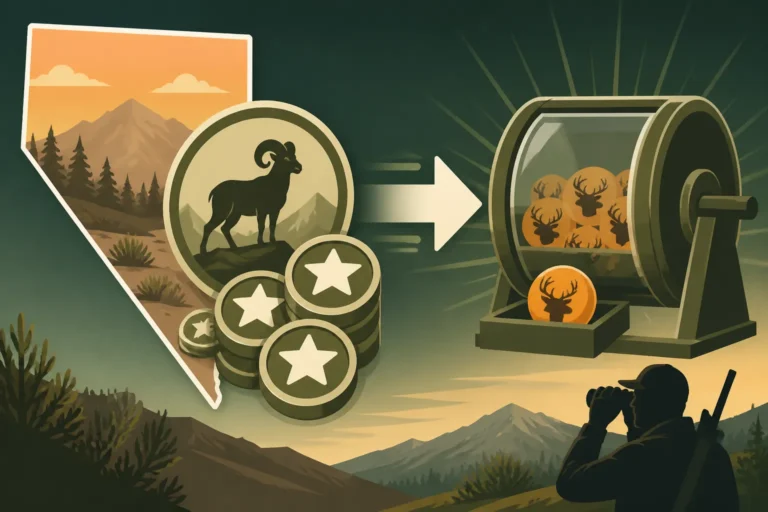
When it comes to the draw itself, Nevada utilizes a bonus point system designed to reward loyal applicants. "How Nevada's Squared Bonus Points Work" is an essential piece of knowledge for any serious Nevada hunter. Essentially, your accumulated bonus points are squared and added to your application number in the draw, giving you an exponentially increasing number of "chances" as your points grow. For highly coveted tags like muzzleloader deer, building up a solid foundation of bonus points over several years is often the only realistic path to drawing. Each species has its own separate bonus point accumulation, so deer points only apply to deer draws. You'll submit your choices for hunt units and weapon types, so designating a muzzleloader hunt as your first choice is how you aim for that specific opportunity.
Understanding Draw Odds and Unit Popularity
Let's be blunt: the draw odds for many Nevada muzzleloader deer tags are tough. Very tough. Because of the limited number of tags issued for these specialized hunts and the growing number of hunters seeking them, you're often looking at single-digit percentage chances in popular units, especially for trophy-potential areas. It's frustrating to see those low odds, but it's the reality of a demand-driven system for a finite resource. These tags are often the equivalent of "unicorn" hunts, meaning most hunters might only draw one in their lifetime, if they're lucky.
Unit popularity plays a huge role here. Units known for producing larger bucks or offering more accessible terrain will naturally see a surge in applications, driving the draw odds even lower. This is where diligent research and realistic expectations come into play. While it's tempting to only apply for the "best" units, sometimes a more strategic approach involves looking at units with slightly better odds, even if they're not producing record-book animals every year. Tools like those offered by GoHunt provide invaluable data on previous year's draw statistics, allowing you to see exactly how many applicants there were, how many tags were issued, and what the minimum and maximum points drawn were. This information is critical for making informed application decisions.
Maximizing Your Chances with Strategic Choices
Given the challenging draw odds, maximizing your chances requires more than just wishing and hoping. It demands a strategic application. First, truly understand the point system and how your accumulated points will affect your draw weight. GoHunt's detailed analytics can help you project how many years it might take to draw in a particular unit with your current point level. This isn't just about applying; it's about applying smart. When "E-Scouting a Nevada Unit Before the Season", consider not just the trophy potential, but also the public land access, terrain difficulty, and even the historical weather patterns for the muzzleloader window.
Your hunt choice order on the application is paramount. Always list your absolute dream hunt as your first choice, even if the odds are astronomical. You have to be in it to win it. However, use your second, third, and fourth choices strategically to target units where your points might give you a more realistic shot. This is where GoHunt really shines, allowing you to sort units by draw odds, success rates, and even mule deer densities, helping you craft a tiered application strategy. Don't be afraid to look at lesser-known units that might fly under the radar but still offer a quality muzzleloader experience. Remember, a tag in hand, even for a "lesser" unit, is infinitely better than another year of collecting points for a tag you might never draw.
Tactics and Considerations for Nevada Muzzleloader Deer
Hunting with a muzzleloader in Nevada's expansive and often rugged terrain demands a unique blend of traditional skills and a deep understanding of mule deer behavior. The limitations of the weapon, combined with the specific timing of these hunts, require a finely tuned approach to be successful.
Spot and Stalk Strategies Unique to Muzzleloader Season
For muzzleloader hunters, the game isn't just about finding a deer; it's about getting close to that deer. With open sights and generally shorter effective ranges compared to modern rifles, closing the distance is absolutely critical. This elevates the spot and stalk method to an art form. You'll spend significant time glassing from vantage points, meticulously searching for deer. Once an animal is located, the real work begins. Your approach must be flawless, utilizing every fold in the terrain, every patch of sagebrush, and every rock outcropping to break your silhouette and hide your movement.
Wind direction is paramount. A mule deer's nose is their primary defense, and a single gust carrying your scent can send them bounding away, often for good. You must constantly monitor the wind, even carrying a small puffer bottle or a feather to check it frequently during your stalk. Playing thermals, especially in the mornings and evenings when air currents are shifting, is also key. Your goal isn't just to get within 100-150 yards (or whatever your comfortable ethical range is); it's to get there undetected and ideally with the deer unaware of your presence. This often means taking detours, crawling, and moving at an agonizingly slow pace. Remember, stealth and patience are your greatest allies when you're trying to get a muzzleloader shot.
Reading Sign and Habitat During the Muzzleloader Window
The late summer to early fall timing of Nevada's muzzleloader deer seasons means you'll typically be hunting deer that are still largely on their summer ranges. This often means higher elevations in the mountains, cooler north-facing slopes, or areas with more abundant feed. They haven't usually started their major migration movements towards winter ranges yet, nor are they typically consumed by the rut. Therefore, understanding summer patterns is crucial. Look for fresh tracks, droppings, and rubs on smaller trees or sagebrush where bucks might be working off velvet or establishing dominance.
Water sources are always a magnet for deer in arid Nevada, and the muzzleloader window is no exception. While "Sitting Water on a Nevada August Hunt" is a classic archery tactic, knowing where those reliable water sources are located is still invaluable for muzzleloader hunters. Deer will often bed close to water in the warmer months, making these areas prime for morning and evening glassing. Focus your scouting efforts on areas with good forage, cover, and reliable water. Bucks might still be in bachelor groups, making them easier to pattern once located. Pay attention to transition zones between different habitat types – the edge of dense juniper stands, the confluence of several draws, or areas where open sagebrush meets scattered mountain mahogany. These are often highways for deer moving between feeding and bedding areas.
Ethical Shot Placement and Tracking with Traditional Firepower
Hunting with a muzzleloader comes with a profound responsibility for ethical shot placement and meticulous tracking. Unlike high-velocity modern rifle rounds, muzzleloader projectiles, particularly traditional conical bullets or round balls, often have slower speeds and different ballistic trajectories. This means that understanding your effective range and the limitations of your particular load is paramount. Practice extensively at the range, not just from a bench, but from field positions you might encounter, such as kneeling, sitting, or using shooting sticks. Know exactly where your bullet will strike at various distances, as trajectory can be significantly different than what you might be accustomed to with a centerfire rifle.
When an opportunity arises, choose your shot wisely. Aim for the vital organs – the lungs and heart – to ensure a quick, ethical harvest. Avoid marginal shots, especially at longer ranges or if the animal is quartering away sharply. After the shot, even if the deer appears to drop, always assume it's hit and observe its reaction and the surrounding area. Mark the spot of the shot, and if the deer runs, give it time, especially if you suspect a lung shot. A good rule of thumb is to wait at least 30 minutes for lung shots, and several hours for gut shots, before initiating a track. Tracking a wounded animal, particularly with a single-shot muzzleloader, demands patience, a keen eye for blood and tracks, and a commitment to recovery. Ensure you have a good headlamp, flagging tape, and a plan for how you'll track and recover your animal, especially if darkness is approaching.
Preparing for Your Nevada Muzzleloader Hunt
A successful muzzleloader hunt in Nevada is rarely a matter of luck. It's the culmination of meticulous preparation, from the gear you pack to the physical and mental state you bring to the field. Nevada's vast and wild landscape demands respect and thorough readiness.
Essential Gear for a Muzzleloader Hunter
Beyond your muzzleloader itself, a specific array of gear is absolutely essential for a successful and safe hunt. First and foremost, you need all the components for your muzzleloader: powder (measured and pre-portioned charges are often convenient), primers or percussion caps, and your chosen projectiles. Don't forget your loading tools – a loading rod, bullet starter, and capper/decapper. Cleaning supplies are also critical, as black powder firearms require more frequent cleaning, even in the field, to maintain accuracy and reliability. A small cleaning kit with patches, solvent, and bore butter can prevent misfires and ensure consistent performance.
Optics are king in Nevada's open country. While you won't use a scope on your muzzleloader, a high-quality pair of binoculars (10×42 or 10×50 are popular choices) and a spotting scope on a sturdy tripod are indispensable for "Glassing Nevada's Basin and Range for Mule Deer". You'll spend hours behind glass, picking apart distant hillsides. For navigation, a GPS device or a reliable hunting app like onX Maps on your phone (with downloaded offline maps) is crucial for understanding unit boundaries, identifying public land, and marking crucial waypoints like water sources or potential bedding areas. Don't forget layers of clothing suitable for swinging temperatures, a sturdy backpack for carrying essentials and potentially packing out meat, and enough water to stay hydrated for long, strenuous days in the field. Even if you're not planning a multi-day pack trip, having adequate supplies is vital.
Physical and Mental Preparation for the Field
Nevada hunting, regardless of weapon, is often a physically demanding endeavor. The terrain, with its steep grades, rocky ground, and endless sagebrush, can be grueling. For muzzleloader hunters, where closing the distance is key, you'll be doing a lot of walking, climbing, and often crawling. "Physical Preparation for Long Glassing Days" and subsequent stalks is not just a good idea; it's a necessity. Start a fitness routine well in advance, focusing on cardiovascular endurance, leg strength, and core stability. Hiking with a weighted pack, mimicking the conditions you'll face in the field, is excellent training. Don't underestimate the impact of elevation if you're coming from a lower altitude; spend time acclimating if possible.
Beyond the physical, mental preparation is equally important. Muzzleloader hunts are often characterized by long periods of glassing, painstaking stalks, and the intense pressure of a short shot window. You need to cultivate patience, persistence, and the mental fortitude to stay focused even when opportunities are scarce or conditions are tough. Understand that success isn't guaranteed, and learn to enjoy the process, the challenge, and the immersion in the wild Nevada landscape. Being mentally prepared for discomfort, setbacks, and the unique demands of a muzzleloader hunt will significantly enhance your overall experience.
Sighting In and Practice Drills for Muzzleloader Accuracy
This is perhaps the most critical step for any muzzleloader hunter. Your muzzleloader's accuracy can fluctuate significantly based on powder charge, projectile type, primer, and even atmospheric conditions. You absolutely must spend extensive time at the range, sighting in your muzzleloader and understanding its performance. Don't just shoot a few groups from a bench. Practice shooting from various field positions – kneeling, sitting, standing, and using shooting sticks or a backpack as a rest. This simulates real-world hunting scenarios and helps you understand how your body position affects accuracy.
Practice at different distances within your ethical range, paying close attention to bullet drop and wind drift. A muzzleloader's trajectory is often more pronounced than a modern rifle's, and even a slight crosswind can push your projectile significantly off target at modest distances. Repeat your loading sequence multiple times to ensure you can do it quickly and efficiently under pressure. Knowing your "Muzzleloader Caliber Minimums for Elk" provides a good baseline for understanding required power, but for deer, focus on achieving maximum accuracy with a load that delivers sufficient energy for a clean kill. The more comfortable and proficient you are with your muzzleloader, the more confident you'll be when that hard-earned opportunity finally presents itself in the field. There's no substitute for diligent practice when it comes to muzzleloader hunting.
Disclaimer
Please remember that hunting regulations, season dates, and unit boundaries can change annually. Always consult the official Nevada Department of Wildlife (NDOW) regulations for the most current and accurate information before planning any hunt. This guide is for informational purposes only and should not be considered a substitute for official state publications.