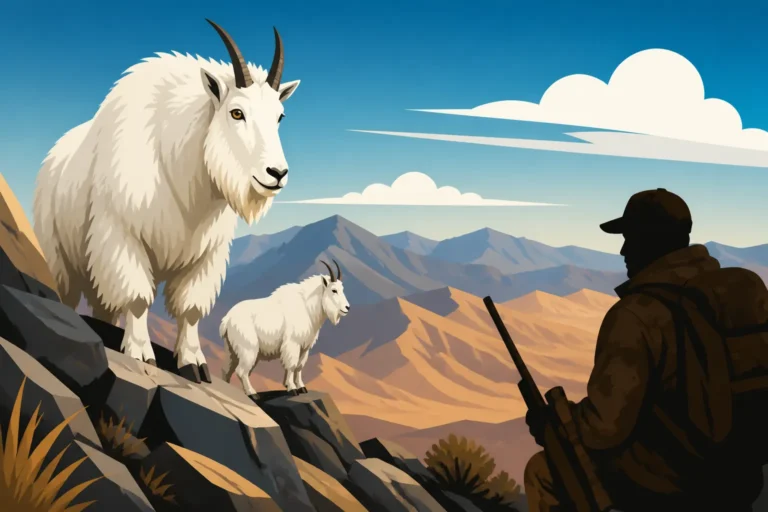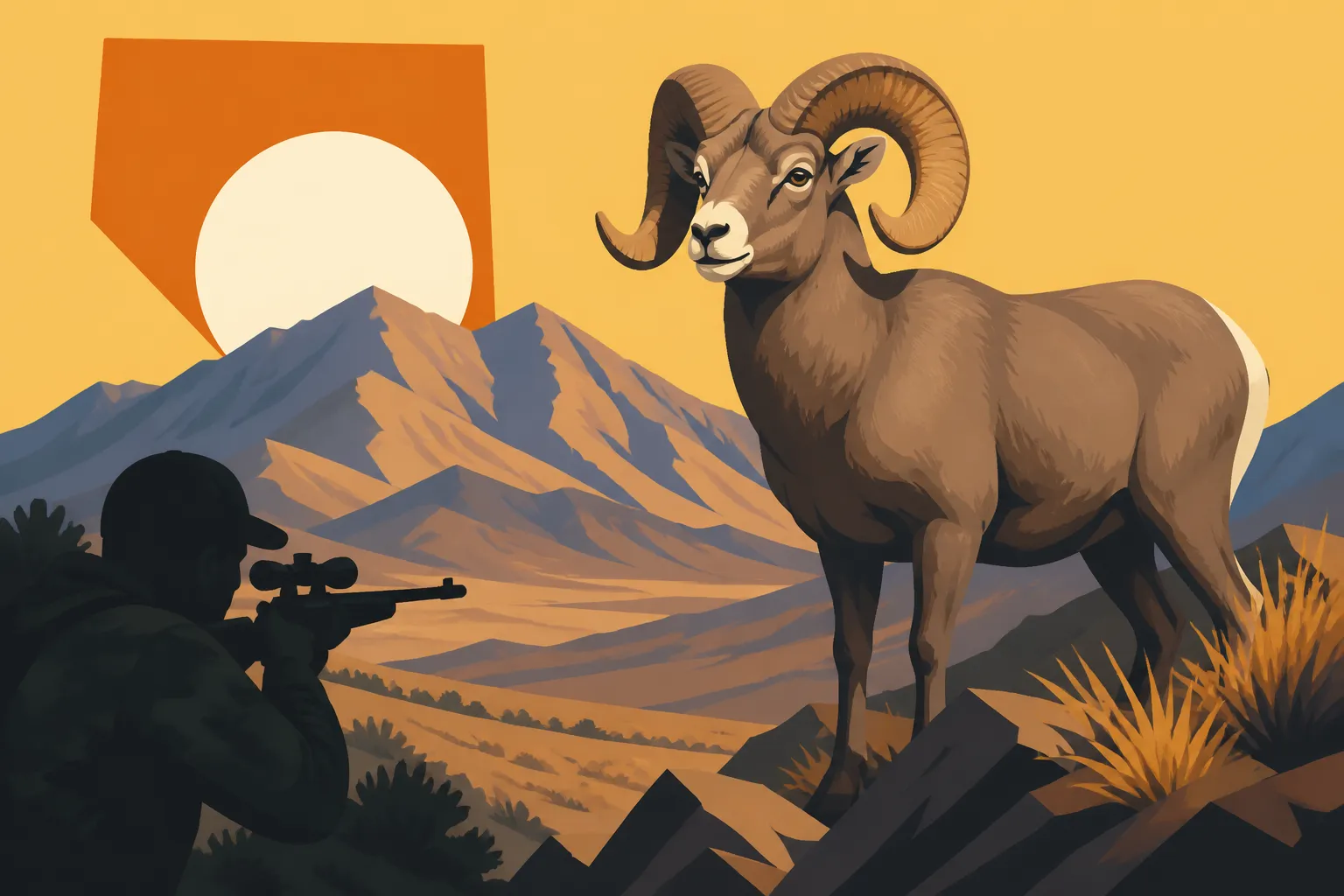
California Bighorn in Northern Nevada
Dreaming of chasing bighorn sheep in Nevada is a common aspiration for many hunters, but the sheer difficulty of drawing a tag, let alone knowing where to start your research on a specific subspecies, can feel incredibly overwhelming. This comprehensive guide aims to shed light on the elusive California Bighorn found in Northern Nevada, detailing their unique characteristics, preferred habitats, and the dedicated efforts that have brought them back from the brink, preparing you for the pursuit of this truly magnificent game animal.
The Unique World of California Bighorn in Northern Nevada
When you mention bighorn sheep, many people immediately picture the Desert Bighorn, the iconic symbol of Nevada's southern ranges. However, Northern Nevada is home to a different, equally impressive subspecies: the California Bighorn. Understanding what sets them apart and where they thrive is the first step toward appreciating the incredible challenge and reward of pursuing them.
Distinguishing California Bighorn from Their Cousins
California Bighorn (Ovis canadensis californiana) are one of three subspecies of bighorn sheep found in Nevada, distinct from their Desert (Ovis canadensis nelsoni) and Rocky Mountain (Ovis canadensis canadensis) cousins. While all bighorns share that unmistakable curved horn, there are subtle yet significant differences. California Bighorn tend to be a bit smaller in body size and often possess horns that are more tightly curled and less massive at the base compared to a Rocky Mountain Bighorn. Their coats typically range from light brown to tan, often with a darker brown saddle patch and a white rump patch, though color can vary with season and age. For an uninitiated hunter or even a seasoned veteran, simply distinguishing between them in the field can be a real challenge, requiring a keen eye and often powerful optics to make a definitive identification, especially when you're looking for a legal ram.
Behaviorally, while all bighorns are masters of their rugged domains, California Bighorn often exhibit a slightly different temperament shaped by their specific environment. They might be found in smaller, more fragmented herds compared to their Rocky Mountain counterparts, and their flight zones can sometimes be a bit wider, reflecting the more open and exposed nature of the terrain they inhabit. They rely heavily on their incredible eyesight and agility to evade predators, preferring to stick to the steepest, most broken country where a predator's advantage is minimized. This makes glassing for them a supreme exercise in patience and precision, as they can blend into their rocky backdrops with astonishing effectiveness.
The pursuit of a California Bighorn in Nevada is a truly prized hunt, representing not just a trophy but an incredible testament to conservation success. Each subspecies carries its own distinct charm and presents unique challenges, making the opportunity to draw a tag for any bighorn subspecies a once-in-a-lifetime event. For those lucky enough to secure a tag for the Northern Nevada herds, the hunt becomes an immersion into a world of stark beauty and incredible resilience, a chance to connect with an animal that embodies the wild spirit of the Great Basin's rugged peaks.
Key Habitats and Preferred Terrain
Northern Nevada's landscape is a dramatic tapestry of vast sagebrush basins interrupted by isolated, steep mountain ranges. It’s within these "island ranges" that the California Bighorn finds its sanctuary. While you might associate sheep with towering, snow-capped peaks, California Bighorn in this region often thrive in ranges that might not reach the same extreme elevations as those inhabited by Rocky Mountain Bighorn. Look for them in places like the Santa Rosa Range north of Winnemucca, the Jackson Mountains, or the Owyhee Mountains in the northeastern corner of the state. These ranges are characterized by incredibly steep, rocky slopes, often with sparse vegetation, deep canyons, and scattered timber pockets – precisely the kind of broken ground where bighorns feel most secure.
Their survival hinges on a delicate balance of factors within these harsh environments. Water sources, even small seeps or guzzlers, are absolutely critical, especially during the hot, dry summer months. California Bighorn will often concentrate their activity around these life-giving oases, making them prime areas for scouting and hunting during early seasons. The vegetation, though seemingly scarce, provides essential forage, consisting primarily of grasses, forbs, and browse species found on the steep slopes and in rocky draws. They are highly adapted to utilizing these nutrient-poor environments, moving between different elevation bands and aspects of the mountains to find the best available feed and escape extreme weather conditions.
How their range differs from other bighorn types is quite interesting. Unlike the Desert Bighorn, which can withstand scorching temperatures in true desert ranges, California Bighorn prefer slightly higher, more temperate mountain systems. And unlike the Rocky Mountain Bighorn that might be found in vast continuous ranges with timber and high alpine meadows, California Bighorn in Nevada are often confined to these isolated, "basin and range" style mountains. This makes their populations more susceptible to localized events like disease outbreaks or severe winters, and it also dictates their travel patterns, often keeping them within the confines of a single mountain range. Understanding these subtle differences is key to successful scouting and hunting. You're not looking for them in the dense timber of a national forest or the flat expanses of a sagebrush flat; you're focusing on those incredible, exposed rock faces and steep, broken ridges that define their world.
A Legacy of Resilience: Rebuilding Northern Nevada's Herds
The presence of California Bighorn in Northern Nevada today is not by chance; it’s a powerful testament to dedicated conservation efforts. Like many wildlife populations across the West, these magnificent animals faced severe challenges that pushed them to the brink.
Historical Decline and Conservation Efforts
The story of bighorn sheep across North America is often one of dramatic decline followed by remarkable recovery, and Northern Nevada's California Bighorn are no exception. Historically, vast herds of bighorn roamed many of the mountain ranges, but by the early 20th century, their numbers had plummeted. A perfect storm of factors led to this collapse: unrestricted hunting pressure, competition for forage with domestic livestock, and most devastatingly, the introduction of diseases from domestic sheep, against which wild bighorns had little to no immunity. Pneumonia outbreaks, in particular, repeatedly decimated herds, often wiping out entire age classes of lambs and adults. Habitat loss and fragmentation, while less pronounced in Nevada's remote ranges than in more developed areas, also played a role.
Recognizing the dire situation, the Nevada Department of Wildlife (NDOW) and its partners initiated ambitious conservation programs aimed at bringing bighorns back. A cornerstone of these efforts has been the establishment of robust transplant programs. Wild sheep, often sourced from healthy populations in other states or even from within Nevada, are captured and carefully relocated to suitable historic habitats that are currently unoccupied or have very low sheep numbers. These efforts require immense logistical planning, including aerial captures, veterinary checks, and ensuring appropriate release sites with adequate forage and escape terrain. Organizations like the Wild Sheep Foundation and local conservation groups have been absolutely instrumental in providing funding, volunteer support, and scientific expertise for these critical transplant operations, working hand-in-hand with NDOW biologists.
Beyond transplants, habitat improvement projects have played a vital role. This includes developing and maintaining remote water sources, known as guzzlers, which provide reliable water in arid environments, as well as prescribed burns or controlled grazing to enhance forage quality. Furthermore, strict management of domestic sheep grazing on public lands near bighorn habitat has been crucial in minimizing disease transmission. The journey has been long and arduous, marked by both successes and setbacks, but the perseverance of wildlife managers and conservationists has allowed hunters today to once again dream of pursuing these iconic animals. It’s a powerful reminder that responsible hunting and proactive conservation are often two sides of the same coin, working together for the benefit of wildlife.
Current Population Status and Management Strategies
Today, the California Bighorn herds in Northern Nevada are generally considered stable, though they continue to face challenges. While the success of transplant programs has allowed populations to rebound in several key ranges, ongoing threats like disease outbreaks, particularly pneumonia, remain a primary concern. A single disease event can quickly decimate a herd, wiping out years of growth and hard work. Predation from mountain lions and coyotes also impacts lamb survival, though it rarely poses a threat to established adult populations. Drought conditions, a recurring theme in the Great Basin, can reduce forage availability and stress animals, making them more susceptible to disease. NDOW continuously monitors herd health through aerial surveys, ground observations, and disease testing, allowing them to respond quickly to emerging issues.
NDOW employs a science-based approach to managing these precious herds, balancing conservation goals with sustainable hunting opportunities. Population trends are carefully analyzed, looking at metrics like lamb-to-ewe ratios and ram-to-ewe ratios to assess herd productivity and overall health. Harvest objectives are then set, aiming to maintain healthy populations while providing a limited number of tags for mature rams. This is where the strict Ram Curl Requirements Nevada Enforces come into play, ensuring that only older, fully mature rams are targeted, allowing younger rams to contribute to herd genetics and reach their full potential. For example, a ram might need to be at least ¾ curl before it's considered legal, though this can vary by unit and regulation cycle.
The management strategies directly impact tag allocation, which is why bighorn tags are among the rarest and most coveted in the West. NDOW's objective is not to maximize harvest but to ensure the long-term health and viability of the species. This means that even with stable populations, the number of tags issued for California Bighorn is always very small, sometimes only one or two tags per unit each year. This scarcity underscores the tremendous privilege of drawing a bighorn tag and reinforces the critical role that hunters play in funding these conservation programs through license and tag fees. Every dollar spent contributes directly back to the health and future of Nevada's bighorn sheep.
Navigating the Nevada Bighorn Draw: A Hunter's Quest
For most hunters, the journey to a Nevada bighorn sheep hunt begins years before they ever set foot on the mountain, specifically in the complex and often frustrating world of the tag draw. Drawing a California Bighorn tag in Northern Nevada is truly a quest, demanding patience, strategy, and a healthy dose of luck.
Understanding the Odds and Application Process
Let's be blunt: drawing a bighorn sheep tag in Nevada is one of the toughest draws in the Lower 48. The demand far, far outstrips the supply, leading to astronomical odds that can feel disheartening. Many hunters apply for decades without ever seeing their name come up. This extreme difficulty is a direct reflection of the limited number of tags available for these carefully managed herds. You might find units with a single non-resident tag, or sometimes no non-resident tags at all, highlighting just how precious these opportunities are. It's a true testament to the "once-in-a-lifetime" nature of this hunt. To get a realistic picture of your chances, studying the Nevada Bighorn Sheep Draw Odds from previous years is absolutely essential, and resources like GoHunt often compile this data in an easily digestible format.
Nevada utilizes a bonus point system for its big game draws, which slightly improves your odds over time, but it's important to understand how it works for bighorn sheep. For every year you apply and are unsuccessful, you accrue one bonus point for that species. In the draw, your total number of bonus points is "squared" and then added to one additional entry for the current year. This means someone with four bonus points would effectively have (4*4)+1 = 17 entries in the draw, compared to a first-time applicant's single entry. While this system does favor long-term applicants, the sheer number of applicants often means that even with a significant number of points, drawing a bighorn tag remains a long shot. Consistency is key; missing a year means you don't accrue a point, effectively resetting your progress in the race against other dedicated applicants.
When it comes to the application itself, there are several financial considerations. First, you'll need a Nevada Combination License, which is a prerequisite for applying for any big game tag. For non-residents, this license alone carries a significant fee. Then there's an application fee per species, which for bighorn sheep, is higher than for deer or antelope. If you are successful in drawing the tag, then the full Nevada Bighorn Sheep Tag Pricing will be charged, which for non-residents, runs into the thousands of dollars. It's a substantial investment, even before you consider hunt expenses. Knowing these costs upfront allows you to budget accordingly and mentally prepare for the financial commitment involved in pursuing one of the continent's most challenging and rewarding big game hunts.
Critical Season Windows and Hunt Unit Information
Once you've decided to embark on the drawing journey, understanding the season structure and how units are designated for California Bighorn is paramount. The Nevada Bighorn Sheep Season Windows typically open in the late summer or early fall, often in August or September, and can run into late November or early December, depending on the specific unit and hunt code. Early seasons often present hotter weather but allow for more daylight hours and can be prime for finding rams around predictable water sources. Later seasons bring colder temperatures and potentially snow, which can concentrate sheep but also make access and hunting conditions significantly more challenging. Each season window has its unique set of advantages and disadvantages that serious applicants will weigh carefully.
Reading unit boundaries and identifying prime areas is a crucial homework assignment for any hopeful bighorn hunter. Nevada's hunt units are often vast and encompass diverse terrain, but for California Bighorn, you'll be looking at specific mountain ranges within those units. For instance, Unit 031 or parts of Unit 032 cover the Santa Rosa Range, a known stronghold for California Bighorn. Unit 041 includes the Jackson Mountains, another prime area. It's not enough to simply look at the unit number; you need to understand the specific geographic features within that unit where the sheep are likely to be found. Detailed topographic maps, satellite imagery, and past harvest data are your best friends in this research phase. Online mapping tools with public land layers are indispensable for this kind of advanced scouting.
The role of e-scouting tools, especially from platforms like GoHunt, cannot be overstated in this process. These tools allow you to virtually explore a unit from the comfort of your home, identifying potential sheep habitat, escape routes, water sources, and access roads. You can overlay different layers to see land ownership, historical fire data, and even recent satellite imagery to understand the current landscape. By meticulously studying these digital maps, you can narrow down vast units to specific drainages or ridge lines that hold the highest potential for sheep. This level of preparation is absolutely critical for a bighorn hunt, where every minute on the mountain is precious, and knowing where to focus your efforts can make all the difference in a successful outcome. It means you're not going in blind, but with a well-researched strategy, saving valuable time and energy in the rugged, unforgiving terrain.
The Hunt Itself: Tactics for Success in Steep Country
Drawing a California Bighorn tag in Northern Nevada is a monumental achievement, but the real work—and adventure—begins when you step onto the mountain. These hunts are physically and mentally demanding, requiring specialized tactics to navigate the steep, unforgiving terrain and outwit one of North America's most astute game animals.
Mastering Optics and Glassing Techniques
If there's one piece of advice that echoes across all bighorn sheep hunting, it's "bring the best glass you can afford, and learn how to use it." Bighorn sheep live in country that demands long-range observation. Their tan coats blend seamlessly into the rock and sage, and they often bed in positions that offer commanding views while remaining incredibly difficult to spot. This is why Spotting Scope Power for Open Country is absolutely crucial; you'll want a quality spotting scope, often with magnifications ranging from 20-60x or even higher, paired with a sturdy tripod. High-quality binoculars (10x to 15x) are also indispensable for initial scanning and closer work.
The art of glassing for sheep is more than just looking through a lens; it's a patient, methodical process. Many successful sheep hunters employ a "grid glassing" method, systematically breaking down vast hillsides into small, manageable squares and thoroughly scanning each section before moving to the next. You're not just looking for the whole animal; you're looking for an antler tip, a patch of white rump, or a subtle movement that gives them away. Set up your tripod in a comfortable, stable position on a vantage point that allows you to see deep into drainages and across opposing slopes. Patience is truly a virtue here; you might spend hours glassing a single area only to move 100 yards and discover a ram you had previously missed.
Finding hidden sheep in rugged terrain often means thinking like a sheep. Where would they bed to stay safe from predators? Where is the sun hitting just right for warmth, or where is the shade deepest to escape the midday heat? Sheep often bed in high, inaccessible areas with escape routes, making them incredibly tough to spot unless you are looking for specific shapes or colors that are out of place. This often means returning to the same vantage point at different times of the day, as changing light conditions can reveal what was previously hidden. With practice, your eyes will begin to pick up subtle cues, and the satisfaction of spotting a ram miles away in a vast expanse of rock and sage is an unparalleled reward.
The Physical and Mental Demands of a Bighorn Hunt
Drawing the tag is just the beginning; the real test comes on the mountain. Pursuing California Bighorn in Northern Nevada's steep, rocky ranges is an incredibly demanding physical challenge. You'll be gaining and losing thousands of feet in elevation daily, often traversing loose scree slopes, steep rock slides, and knife-edge ridges. Your ability to move efficiently and safely through this unforgiving terrain is paramount. Therefore, Preparing Physically for Long Glassing Days and strenuous stalks is non-negotiable. Begin a rigorous fitness regimen months in advance, focusing on cardiovascular endurance, leg strength, and stability exercises. Hiking with a weighted pack on steep trails is excellent preparation.
Beyond the physical, the mental demands of a bighorn hunt are equally intense. Long days of glassing, often without seeing a single sheep, can be discouraging. Missed opportunities, sudden weather changes, or simply the sheer scale of the landscape can test your resolve. Perseverance is absolutely key; sheep hunting is often a grind, a chess match against an animal perfectly adapted to its environment. You need to be able to stay positive, keep pushing forward, and maintain focus even when exhaustion sets in. This mental fortitude often separates successful hunters from those who give up when the going gets tough.
Safety considerations are also paramount in this remote and rugged country. Sprained ankles, falls, or exposure to harsh weather are real risks. Always carry a well-stocked first-aid kit, know your limits, and consider bringing a satellite communication device for emergencies, as cell service is non-existent in many of these areas. Proper layering, sturdy boots, and plenty of water are essential for managing the extreme temperature swings and difficult footing. A bighorn hunt pushes you to your limits, but for many, it's precisely that challenge that makes the eventual success so profoundly rewarding.
Ram Curl Requirements and Ethical Shot Placement
One of the most critical aspects of bighorn hunting in Nevada is understanding and adhering to the specific ram curl requirements. These regulations are in place to ensure the sustainable harvest of mature rams, allowing younger animals to contribute to the gene pool and grow to their full potential. While regulations can vary, a common rule is the "¾ curl" requirement, meaning the tip of the horn must break a plane extending from the top of the horn's base to the top of the eye. Some units might have "full curl" rules, where the horn tip must grow past the base of the eye. It is your responsibility as the hunter to know and correctly identify a legal ram, which can be incredibly challenging at a distance. This is where high-quality optics and careful, repeated observation become invaluable. The NDOW regulations on Ram Curl Requirements Nevada Enforces are very specific and failing to meet them can result in severe penalties.
Field judging a bighorn ram, especially when it's miles away, requires a practiced eye. Look for indicators of age, such as broom (wear on the horn tip), heavy bases, and the length and tightness of the curl. Take your time. Don't rush to judgment. If possible, watch the ram from multiple angles and compare it to known images of legal rams. Take photos or video through your spotting scope to review and confirm with your hunting partners or guide. The last thing you want is to make a mistake on such a coveted tag. When in doubt, let it walk; there's no shame in passing on a ram if you're not 100% certain it's legal.
When the moment of truth arrives, ethical shot placement is paramount. Bighorn sheep are incredibly tough animals, and a wounded animal in steep country can be nearly impossible to retrieve. Aim for the vital zone—the shoulder and lung area—to ensure a quick and humane kill. Practice shooting from various positions (prone, kneeling, using shooting sticks or a bipod) and at different angles, mimicking the kind of shots you might encounter in the field. Be prepared for follow-up shots. After the shot, observe the animal's reaction closely and listen for sounds. Once the animal is down, the difficult work of retrieval begins. Be methodical and safe when approaching a downed animal in steep terrain, always keeping an eye on your footing. This entire process, from judging to shot placement and retrieval, is a testament to your preparation, skill, and commitment to ethical hunting.
Considerations for Your Northern Nevada California Bighorn Adventure
A California Bighorn tag isn't just a hunt; it's an expedition into some of Nevada's most remote and challenging landscapes. Proper planning for logistics, especially given the remote nature of these units, can make or break your trip, as can deciding whether a guide is the right choice for your once-in-a-lifetime opportunity.
Planning Logistics for Remote Terrain
Hunting California Bighorn in Northern Nevada means venturing far off the beaten path, into country where services are nonexistent and assistance is hours away. Your vehicle preparation is absolutely critical. A high-clearance, four-wheel-drive vehicle is a must, equipped with robust tires, a full-sized spare, and the necessary tools for roadside repairs. Carrying extra fuel is non-negotiable, as gas stations can be hundreds of miles apart. Beyond vehicle reliability, you need to be self-sufficient. This includes carrying ample water for drinking, cooking, and hygiene; a minimum of one gallon per person per day is a good starting point, but in hot early seasons, you might need more. Non-perishable food, navigation tools (GPS, paper maps, compass), and emergency supplies like blankets, a shovel, and a fire starter should always be in your pack.
Camping considerations are often dictated by the remote and primitive nature of these hunt units. Many bighorn habitats are within Bureau of Land Management (BLM) lands or National Forests, which generally allow dispersed camping. However, always verify local regulations, especially concerning fire restrictions, which are common during dry periods. Choose a camp location that is sheltered from the wind, offers good drainage, and is within a reasonable distance from your glassing areas. Respecting wilderness boundaries, if you are hunting near one, means understanding and adhering to regulations regarding motorized vehicle use and Leave No Trace principles. Everything you pack in must be packed out, including all trash and human waste, especially in sensitive high-country environments.
Emergency communication is another vital logistical concern. Cell phone service is largely nonexistent in the remote mountain ranges where California Bighorn reside. Investing in a satellite messenger device (like a Garmin inReach or Zoleo) is highly recommended. These devices allow you to send and receive text messages, share your location, and initiate an SOS signal in a true emergency, providing a critical lifeline when you're far from any help. Don't rely on being able to "hike to cell service" – it simply doesn't exist in much of this country. Being prepared for every contingency, from a flat tire to a medical emergency, is part of the responsibility of hunting in these wild and beautiful places.
Guide Services and Support for a Once-in-a-Lifetime Hunt
For many hunters, especially those traveling from out of state or those who are new to sheep hunting, deciding to hire a guide for a California Bighorn hunt is a serious consideration. While a do-it-yourself hunt offers immense personal satisfaction, the logistical challenges, the rarity of the tag, and the specialized knowledge required often make a professional guide a worthwhile investment. Nevada Bighorn Sheep Guided Hunts are common, and for good reason: experienced guides often have years, if not decades, of experience in specific units, intimately knowing the terrain, sheep movements, and where to find legal rams. They handle much of the logistical burden, from camp setup and cooking to packing out your animal, allowing you to focus solely on the hunt.
The cost expectations for a guided Nevada sheep hunt are substantial, often ranging from $15,000 to $30,000 or even more, depending on the outfitter, the length of the hunt, and what services are included. This is an investment that needs to be carefully researched and budgeted for. When looking for a reputable outfitter, don't just consider the price. Ask for references from past clients and check their success rates, particularly for the unit you've drawn. Verify that they are properly licensed by the Nevada Department of Wildlife (NDOW) and have the necessary federal land permits for the areas you'll be hunting. A good guide will be transparent about their services, costs, and their approach to sheep hunting. You want someone who prioritizes ethical hunting, safety, and a quality experience over just a trophy. For more details, looking up Cost Expectations for a Nevada Sheep Hunt can provide specific figures.
The value of a guide's experience in specific units and with sheep behavior cannot be overstated. They spend countless hours scouting, have a deep understanding of sheep patterns, and can often spot rams that a less experienced hunter might overlook. Their expertise in field judging a ram, confirming its legality, and executing a safe and effective stalk can be the difference between success and failure on a hunt you may only get once in your lifetime. While hiring a guide is a significant financial commitment, for many, it's considered an essential part of maximizing the chances of success and ensuring a safe and memorable experience on one of North America's most challenging and sought-after hunts.
Disclaimer
Please note that hunting regulations, season dates, and tag quotas are subject to change. Always consult the most current Nevada Department of Wildlife (NDOW) regulations and official proclamations before planning and embarking on any hunting trip. This guide is intended for informational purposes only and does not supersede official state wildlife laws.