Nevada Bighorn Sheep Guided Hunts
Drawing a Nevada bighorn sheep tag is, for many hunters, the ultimate lottery win, a once-in-a-lifetime opportunity that often comes after years, sometimes decades, of applying. When that coveted notification finally lands in your inbox, the excitement is quickly followed by the daunting realization: now you have to hunt a bighorn in some of the most rugged, unforgiving terrain in North America. This guide is here to walk you through the world of guided Nevada bighorn sheep hunts, helping you understand what to expect, how to choose a reputable outfitter, and how to maximize your chances on this incredible adventure.
The Challenge and Reward of Nevada Bighorn Sheep
Let's be real, a Nevada bighorn sheep hunt isn't like heading out for your local whitetail. It's an expedition into vertical country, often far from roads and services, where the sheep are perfectly adapted to melt into the rocky landscape. This isn't just a hunt; it's a test of wills, physical endurance, and sheer determination.
The Rarity of a Nevada Bighorn Tag
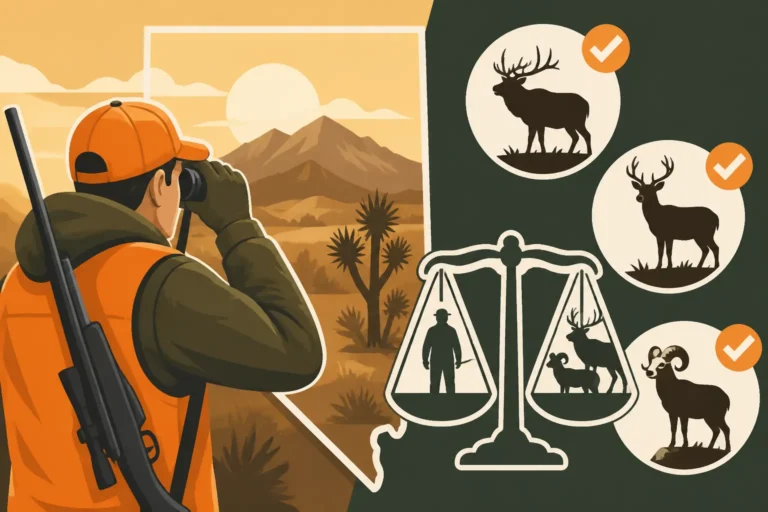
The first hurdle, and arguably the biggest, is simply drawing a tag. Nevada has some of the toughest draw odds in the West for bighorn sheep. Hunters often apply for years, diligently building bonus points, all hoping for that one chance. It's truly a "tag of a lifetime" because, once you draw a bighorn tag in Nevada, you can't draw another of the same subspecies. And Nevada, uniquely, offers hunts for all three bighorn subspecies found in North America: Desert, California, and Rocky Mountain bighorns. This makes the draw even more intricate, with specific units allocated to different subspecies. Understanding these nuances before you even apply is crucial, as the terrain and typical ram behavior can vary significantly between, say, a Desert bighorn unit in the scorching south and a Rocky Mountain bighorn unit in the high, rugged eastern ranges.
When that tag notification finally arrives, it's easy to be overwhelmed. The planning suddenly shifts from "if" to "how." You've invested so much time and effort into just getting the tag; now the real work begins to make that investment pay off. The sheer scale of the units, the vertical nature of the terrain, and the incredible elusiveness of these rams can feel truly intimidating to anyone who hasn't spent extensive time specifically hunting bighorns.
Why a Guide for a Once-in-a-Lifetime Hunt?
For many, the thought of hiring a guide for a hunt feels like an extravagant luxury, or perhaps even "cheating." And for some species or situations, a DIY approach might be perfectly suitable. But when it comes to a Nevada bighorn sheep hunt, the stakes are profoundly different. You've earned a tag that you'll likely only hold once in your life. This isn't the hunt to cut corners on.
The value a seasoned guide brings to a Nevada bighorn hunt is immense. Firstly, there's the terrain. Nevada's sheep country is often brutal – steep, loose, rocky, and often remote, with significant elevation changes that can test even the most fit individual. Guides spend countless hours scouting these units, learning the travel corridors, bedding areas, and water sources that sheep utilize. They know how to read the wind and thermals in these complex environments and, most importantly, how to spot sheep that seem to appear from nowhere and vanish just as quickly. Secondly, judging a bighorn ram, especially at distance, requires a sharp eye and deep experience. You don't want to make a mistake on your one opportunity. A guide's expertise in judging ram age and horn curl requirements is invaluable, ensuring you pursue a legal and mature ram that meets your trophy expectations. Finally, guides handle the logistics. From packing in gear and camp to the demanding work of retrieving a downed ram from incredibly difficult country, their support allows you to focus solely on the hunt itself.
Understanding Nevada's Bighorn Outfitters
The decision to hire a guide for your Nevada bighorn hunt means entrusting your once-in-a-lifetime opportunity to someone else. It's critical to understand how these professionals operate and what standards they must meet.
Licensing and Federal Permits
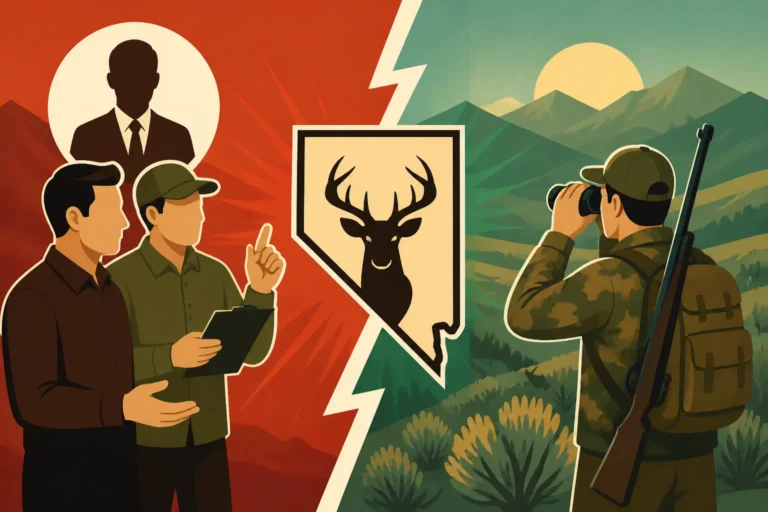
In Nevada, anyone guiding hunters for compensation must be licensed by the Nevada Department of Wildlife (NDOW). There are different levels of licenses, with a "Master Guide" typically having the most extensive experience and often a broader scope of operations. This state license is a foundational requirement, ensuring guides meet certain experience, safety, and ethical standards. However, given that the vast majority of bighorn sheep habitat in Nevada is on federal land—managed by agencies like the Bureau of Land Management (BLM) and the U.S. Forest Service (USFS)—a state license alone isn't enough.
Nevada guides also need federal permits to operate on these public lands. Nevada Guides Need Federal Permits on Top of a State License These federal permits are often specific to certain management areas or even specific hunt units. This means a guide might be licensed by the state, but only permitted to operate in certain federal land districts. It’s a complex system designed to manage commercial activity on public lands, and a legitimate guide will have all their ducks in a row. When vetting a guide, always ask about their state license number and their federal land permits. You can often cross-reference this information with NDOW and the relevant federal land management agency offices. This verification process is crucial for your peace of mind and to ensure you're dealing with a legitimate operation. How to Verify a Nevada Guide License
Types of Guided Bighorn Hunts
Bighorn sheep hunts are intense, and outfitters offer different levels of service to match the demands of the terrain and the preferences of their clients.
-
Fully Guided Hunts: This is the most comprehensive option and generally the standard for bighorn sheep. A fully guided hunt typically includes the guide's expertise, all necessary backcountry gear, camp setup (which could be anything from a comfortable base camp to spike camps far up a canyon), meals, and transportation within the unit (often involving 4×4 vehicles, ATVs, or even horses to get to trailheads). Once a ram is down, the guide and their team will handle field dressing and packing the animal out, which can be an epic undertaking in itself. You'll be with your guide for the entire duration of the hunt, benefiting from their continuous knowledge and support. This option is designed to minimize your logistical worries and maximize your focus on the hunt.
-
Drop Camps: While less common for bighorn sheep due to the extreme mobility often required, some outfitters might offer drop camp services in certain units. In this scenario, the outfitter uses horses or ATVs to pack you and your gear into a remote location, sets up a basic camp, and then leaves you to hunt independently. They return on an agreed-upon date to pack you and any harvested animal out. This is a significantly more physically demanding and self-reliant option, requiring hunters to possess advanced backcountry skills, navigation abilities, and the fitness to self-recover an animal from rugged terrain. For a species as challenging and as valuable as bighorn, most hunters opt for the full guidance. However, for those with extensive experience and specific unit knowledge, it can be a way to access remote areas without the full cost of a guided hunt. Drop Camp Against Fully Guided
-
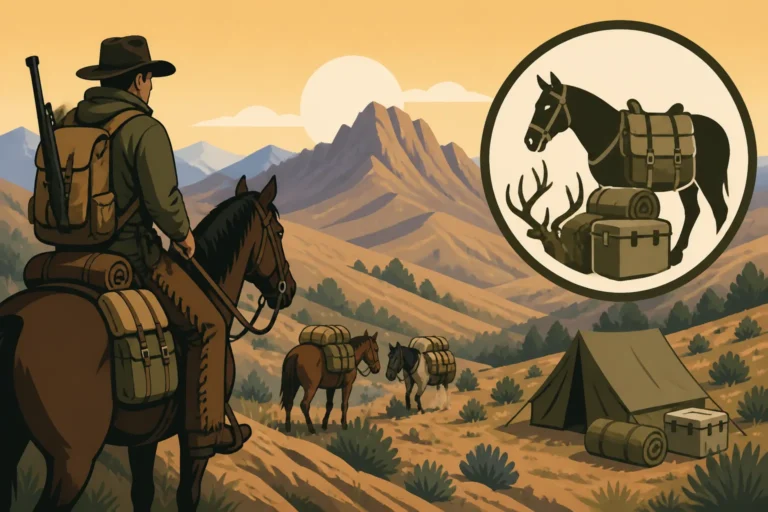
Pack String Outfitters: In certain extremely remote or rugged units, access might be limited to horseback. Some outfitters specialize in using pack strings to get deep into roadless country, often setting up spike camps that move with the hunters. These outfits are invaluable for accessing areas where vehicle travel is impossible or prohibited due to wilderness designations. The reliance on horses adds another layer of skill for the hunter, as comfort and experience riding horses become part of the preparation. When considering a bighorn hunt, especially in designated wilderness or wilderness study areas, confirming the outfitter's ability to operate and transport in such terrain is paramount.
Cost and What to Expect from a Bighorn Hunt
Let's address the elephant in the room: a guided Nevada bighorn sheep hunt is a significant financial undertaking. It's not for the faint of heart or light of wallet, but understanding the investment helps set realistic expectations.
The Investment in a Nevada Sheep Hunt
The "all-in" price of a Nevada bighorn sheep hunt starts with the tag itself. Non-resident tag prices are substantial, and that's after paying application fees for years. Then comes the outfitter fee. Without going into specific numbers (which can fluctuate year to year and depend heavily on the outfitter's reputation, success rates, and the unit you're hunting), understand that a guided bighorn hunt in Nevada will represent one of the highest financial investments you'll ever make for a hunt. This is reflective of the rarity of the tag, the difficulty and danger of the terrain, the immense amount of time and resources an outfitter invests in scouting, and the highly specialized skills required to find and harvest these animals.
When you're comparing outfitters, make sure you understand exactly what their quoted price covers. Many outfitters provide detailed breakdowns, but there are always "hidden" or excluded costs you need to budget for. What Outfitter Prices Almost Never Include These commonly include:
- Travel to/from the rendezvous point: You'll be responsible for getting yourself to a pre-determined meeting spot, which could be a specific airport, a small town, or a remote trailhead.
- Licenses and Tags: The outfitter fee never includes the cost of your hunting license or the sheep tag itself. These are your responsibility to acquire through the draw.
- Meat Processing and Shipping: Once the ram is field-dressed, getting the meat processed and shipped home is usually on you. This can be a significant cost, especially for cooler care in warmer early season hunts.
- Taxidermy: If you plan to have your ram mounted, that's a separate expense.
- Tips for Guides and Camp Staff: Tipping is customary in the hunting industry and can add a substantial amount to your overall cost. Always factor this into your budget.
- Personal Gear: Your weapon, optics, clothing, and other personal items are not included.
Here’s a simplified breakdown of typical cost components:
| Cost Component | Description | Responsibility |
|---|---|---|
| Nevada Hunting License | Required for all hunters, resident or nonresident. | Hunter (purchased annually) |
| Nevada Bighorn Tag | The species-specific tag, acquired via the draw. | Hunter (drawn or purchased) |
| Outfitter Fee | Guide services, camp, food, in-unit transport, field care. | Hunter (paid to outfitter, often in installments) |
| Travel Costs | Airfare, vehicle fuel, lodging before/after the hunt. | Hunter |
| Personal Gear | Rifle/bow, ammunition, clothing, boots, optics, sleeping bag, etc. | Hunter |
| Meat Processing | Skinning, quartering, cooling, packaging, and shipping meat. | Hunter (often with guide assistance on field care) |
| Taxidermy | Mounting the cape and horns. | Hunter |
| Guide/Staff Gratuities | Tips for the guide(s) and any camp support staff. | Hunter (customary 10-20% of hunt cost) |
| Unexpected Expenses | Extra nights in hotels, emergency supplies, last-minute gear, satellite phone. | Hunter |
Success Rates and Expectations
It’s easy to get caught up in the excitement and assume that hiring a guide guarantees a ram. While reputable outfitters certainly increase your odds dramatically, nothing is ever guaranteed in hunting, especially for an animal as elusive as bighorn sheep in Nevada's vast terrain. Nevada Bighorn Sheep Draw Odds
An ethical outfitter will tell you that a guided hunt is about providing the best possible opportunity to harvest a ram, not a guarantee. Success rates vary by unit, weather conditions, ram populations that year, and critically, the physical and mental preparedness of the hunter. You're hunting wild animals in their natural, often brutal, environment. There will be long days of glassing, grueling climbs, and maybe even adverse weather. A ram might be spotted only to disappear into a labyrinth of cliffs.
When evaluating outfitters, ask about their historical success rates for the specific unit you drew. An outfitter might have a great overall success rate, but if they rarely hunt your unit, that general statistic might not apply. Ask for references, and actually call them. Inquire about their experience, the challenges they faced, and whether they were satisfied with the overall effort and professionalism, regardless of whether they harvested a ram. A good outfitter prioritizes the overall experience and effort, not just punching a tag. They’ll also be honest about the physical demands and the inherent challenges of sheep hunting.
Choosing the Right Bighorn Guide for You
Selecting an outfitter for your Nevada bighorn sheep hunt is one of the most critical decisions you'll make. It's not just about finding a guide; it's about finding the right guide for you.
Vetting Potential Outfitters
Start your research early, ideally as soon as you get that draw notification, or even before if you're planning for potential future hunts. There are various ways to find guides: online directories like BookYourHunt, hunting forums, recommendations from friends, or even by contacting NDOW for lists of licensed outfitters. Platforms like BookYourHunt can be a good starting point for discovery, allowing you to browse different outfitters and their advertised services. However, always treat these as a jumping-off point for direct, in-depth communication.
Once you have a shortlist, it's time to dig deep. Here are some key questions to ask:
- Experience in Your Specific Unit: This is paramount. Does the guide have a proven track record of hunting bighorns in your specific unit or adjacent units with similar terrain and sheep behavior? Knowing the specific nuances of a unit – access points, typical ram locations, seasonal movements, and water sources – is invaluable.
- References: Ask for a list of recent clients (ideally from the last 1-3 years) who hunted bighorns with them. Then, call those references. Ask about the guide's professionalism, their knowledge of the area, their physical conditioning, their equipment, and how they handled challenges or unexpected situations.
- Team and Support: Will you be hunting with the main outfitter, or one of their assistants? How many guides are typically on the hunt? What kind of support staff (cooks, wranglers) will be available?
- Hunting Style and Philosophy: Discuss their preferred hunting style. Is it primarily glassing-intensive? Do they prefer spike camps or a centralized base camp? Do they emphasize getting close or taking longer shots? Ensure their approach aligns with your preferences and capabilities.
- Communication: How do they communicate during the off-season and leading up to the hunt? Are they responsive to emails and calls? Good communication is a sign of professionalism and will be crucial for coordinating details.
- Emergency Preparedness: In remote bighorn country, emergencies can happen. Ask about their first aid training, emergency communication devices (satellite phones, inReach devices), and evacuation plans.
Booking and Contract Considerations
Once you've chosen an outfitter, you'll enter the booking phase. Most outfitters require a deposit to secure your spot, often a percentage of the total hunt cost. The remaining balance is typically due closer to the hunt date.
Review the contract thoroughly before signing. Pay close attention to:
- Payment Schedule and Methods: Understand when payments are due and what forms of payment are accepted.
- Cancellation and Refund Policy: This is critical, especially given the rarity of bighorn tags. What happens if you need to cancel? What if the outfitter needs to cancel due to unforeseen circumstances? Most importantly, what if you fail to draw the tag for the unit you applied for? Some outfitters offer refunds or the ability to roll over your deposit to the following year if you don't draw, while others have stricter no-refund policies. Be absolutely clear on this. Booking Before Nevada Draw Results Post
- Services Included/Excluded: Reconfirm everything that is and isn't covered by the outfitter fee to avoid any surprises.
- Liability Waivers: Most outfitters will require you to sign a liability waiver. Read it carefully so you understand the risks involved.
Consider using resources like GoHunt not just for draw odds, but also for unit research that can help you have more informed conversations with potential guides. Understanding the general terrain and access of your unit beforehand will allow you to ask more pointed questions and better evaluate a guide's specific experience in that area.
Preparing for Your Nevada Bighorn Adventure
Your guided hunt might handle many of the logistics, but your personal preparation is key to your success and enjoyment. This is not a hunt to show up unprepared for.
Physical and Mental Conditioning
Bighorn sheep hunting in Nevada is often considered one of the most physically demanding hunts in North America. The terrain is relentlessly steep, often loose, and involves significant elevation gains and losses, sometimes at higher altitudes that can affect those not accustomed to it.
- Physical Training: Your fitness regimen needs to be serious and sustained. Focus on:
- Cardiovascular Endurance: Hiking with a loaded pack on steep inclines and uneven terrain. Think stair climbing, trail running, or incline treadmill work.
- Strength Training: Emphasize leg and core strength for climbing, stability, and carrying heavy loads (like a ram's cape and meat).
- Foot and Ankle Strength: Crucial for navigating rocky, uneven terrain without injury.
- Simulated Conditions: If possible, train in conditions that mimic the hunt – hiking in your hunting boots, with a pack, on steep trails. Preparing Physically for Long Glassing Days
- Mental Toughness: Beyond the physical, you need mental fortitude. There will be frustrating days, long periods without seeing sheep, and moments of exhaustion. Being mentally prepared to push through discomfort and maintain a positive attitude is just as important as physical strength. Sheep hunts are often as much a mental game as a physical one.
Gear and Logistics
While your guide will provide much of the communal gear, your personal equipment choices are vital.
- Optics: Bighorn sheep hunting is primarily a glassing game. Invest in high-quality binoculars (10x-15x) and an excellent spotting scope (20-60x or higher) with a sturdy tripod. These are your most important tools for finding and evaluating rams. Spotting Scope Power for Open Country
- Footwear: This cannot be overstated. You need bombproof, comfortable, and well-broken-in boots suitable for extreme mountain terrain. Waterproofing is a must. Bring a backup pair if possible.
- Layering System: Nevada weather can be unpredictable, even in the mountains. Be prepared for everything from warm sun to freezing temperatures, wind, and sudden storms. A versatile layering system that includes a good base layer, insulating mid-layers, and a waterproof/windproof outer shell is essential.
- Weapon: Discuss your weapon choice with your guide. Ensure your rifle is zeroed correctly and you are proficient with it at various distances, especially uphill and downhill. For archery, ensure your bow is properly tuned and you've practiced extensively in field conditions.
- Hydration and Nutrition: Carry a reliable hydration system and plenty of water. Your guide will likely carry extra, but personal hydration is your responsibility. Pack high-energy snacks for the long days. Water You Must Carry on a Desert Day Hunt
- Emergency Kit: While guides carry extensive kits, a small personal kit with blister care, pain relievers, and any personal medications is prudent. A headlamp with extra batteries is non-negotiable.
- Meat Care: Discuss with your guide how they plan to field dress and pack out the ram. Consider bringing game bags and being prepared for rapid cooling of the meat, especially during warmer early seasons. Getting Meat Cooled on an Early Season Hunt
By meticulously preparing both your body and your gear, you significantly increase your chances of having a successful and truly memorable Nevada bighorn sheep hunt.
Disclaimer
This article is for general informational purposes only and does not constitute professional advice. Laws, prices and regulations vary by location and change over time. Consult a qualified professional for guidance on your specific situation.