Cost Expectations for a Nevada Sheep Hunt
Drawing a coveted Nevada bighorn sheep tag is truly the hunt of a lifetime for most of us, a dream many apply for for decades. But once that success notification hits your inbox, the next big question often looms large: "Okay, what's this actually going to cost me?" It's a valid concern, as a sheep hunt isn't just another trip to the deer stand; it's a significant financial commitment. This guide will walk you through the various expenses you can expect, whether you're going fully guided or attempting a do-it-yourself adventure, helping you understand the real shape of the investment.
The Initial Investment: Licenses, Applications, and Points
Before you even dream of spotting a ram through your binos, there are foundational costs associated with simply getting into the draw and being eligible to hunt. These are the expenses that often fly under the radar until you're deep into the application process.
The Combination License and Application Fees
To even apply for a bighorn sheep tag in Nevada, you'll first need to purchase a non-refundable Nevada Combination License. This license is your ticket to applying for any big game species in the state. On top of that, each species you apply for carries its own application fee. For sheep, these fees tend to be on the higher end, reflecting the rarity and desirability of the tag. It's a small but necessary hurdle, and remember, these are non-refundable, so if you don't draw, that initial outlay isn't coming back. Think of it as your lottery ticket purchase, with a significantly better potential payout. Keep an eye on the calendar, because Nevada Applications Run March 23 to May 13 each year. The Nonresident Nevada Combination License Price also needs to be factored in, as it's a prerequisite to any application.
The Value of Bonus Points
Nevada operates a bonus point system, which is absolutely critical for drawing a trophy tag like bighorn sheep. For every year you apply for sheep and don't draw, you earn a bonus point. These points are squared in the draw, meaning they dramatically increase your odds over time. Many hunters, especially nonresidents, spend years, sometimes even decades, accumulating points before they finally draw that coveted tag. You can even choose to Buying Nevada Points Without Applying to Hunt, which allows you to build points without committing to a specific hunt unit application each year. This long-term strategy means your "initial investment" actually spans many years of purchasing points, even if you're not actively hunting a particular season. It's a patience game, and each point purchased is a financial commitment towards that distant dream hunt.
The Tag Itself: A Dream Come True, With a Price
Once you beat the odds and your name is pulled in the draw, the true cost of your bighorn sheep hunt comes into focus: the tag fee itself. This is often the single largest upfront expense, and it's substantial, reflecting the incredible opportunity you've earned.
Nonresident Tag Costs
For nonresident hunters, a Nevada bighorn sheep tag carries a very significant price tag. We're talking about an investment that easily runs into the several thousand dollar range. This isn't just a few hundred bucks like a deer tag; it's a premium price for a premium animal in a state known for its trophy opportunities. This fee is only charged after you successfully draw, but it’s a charge that will certainly make your credit card company take notice. When considering Nevada Nonresident Tag Pricing by Species, you'll quickly see that sheep stand alone at the top, a testament to their allure and management. This expense is a necessary part of the dream, but it's one you must be financially prepared for when that draw notification arrives.
Resident Tag Costs
Even for Nevada residents, the cost of a bighorn sheep tag represents a substantial financial commitment compared to other resident tags. While generally more affordable than nonresident tags, it's still far from a casual expense. A resident sheep tag will be a significant outlay, more akin to a resident elk tag than a deer tag. While you might be used to the more modest fees for Resident Nevada Elk Tag Cost or a general deer tag, a bighorn sheep tag is in a different league entirely. It underscores the value placed on these incredible animals and the unique hunting opportunity they represent, even for those who call Nevada home.
Professional Guidance: To Guide or Not to Guide?
One of the biggest decisions, and often the biggest cost differentiator, for a Nevada sheep hunt is whether to hire a professional guide. For many, especially on a once-in-a-lifetime hunt like bighorn, a guide is seen as an essential investment to maximize success and navigate the extreme terrain.
The High Cost of a Guided Sheep Hunt
There's no sugarcoating it: a guided bighorn sheep hunt in Nevada is one of the most expensive guided big game hunts you can undertake. The costs typically range from a significant five-figure sum and can even climb higher, depending on the outfitter, the unit, and the duration of the hunt. Why so high? It's a combination of factors: the extreme difficulty of sheep hunting, the specialized knowledge required, the remote and rugged terrain, the high-end equipment involved (horses, mules, satellite communication, top-tier optics), and the sheer dedication and physical effort from your guide. These guides often spend months scouting, sometimes years, to know where the rams are and how to get you to them. It's a true expedition. Nevada Sheep Guides and the Tag of a Lifetime often work on these hunts, providing unparalleled expertise. Many hunters use platforms like BookYourHunt to research and compare reputable outfitters, getting a sense of the market rates and what's included in such a premium experience.
What's Typically Included (and Excluded)
When you look at the price tag for a guided sheep hunt, it's easy to assume everything is covered. However, it's crucial to understand what's usually included and, just as importantly, what isn't.
Typically Included:
- Guide Services: One-on-one or two-on-one guide ratio.
- Camp & Food: Backcountry camp accommodations, often wall tents or spike camps, with meals provided.
- Field Preparation: Initial field dressing and caping of your animal.
- In-Hunt Transportation: Horseback riding, pack string support, or ATV/UTV use to access remote areas within the hunt unit.
Typically Excluded (and these add up quickly!):
- License and Tag Fees: These are always separate and paid directly to the state.
- Personal Hunting Gear: Your rifle, ammo, optics, clothing, boots, backpack, sleeping bag, etc.
- Travel to Nevada: Flights, fuel, vehicle rental, and any overnight stays before or after the hunt.
- Meat Processing & Shipping: Getting your meat from the field to a processor, cutting, wrapping, and shipping it home.
- Taxidermy: If you're pursuing a trophy ram, the cost of taxidermy is a separate, significant expense.
- Gratuities (Tips): It's customary to tip your guide and any camp staff. This can add a notable percentage to your total cost, so budget for How Much to Tip a Hunting Guide.
- Hotels Before/After Hunt: You'll likely need a hotel night or two in a gateway city like Reno or Las Vegas, or a smaller town near your hunt unit.
As you can see, What Outfitter Prices Almost Never Include can add thousands of dollars to your total hunt cost. Don't be caught off guard; clarify all these details with any potential outfitter.
DIY vs. Guided: Breaking Down the Hidden Costs
The thought of a do-it-yourself (DIY) sheep hunt might sound like a budget-friendly alternative to a guided trip, but it's important to be realistic. While you avoid guide fees, you're essentially becoming your own outfitter, and that comes with its own set of significant expenses and a massive investment of time and effort.
The "DIY" Misconception
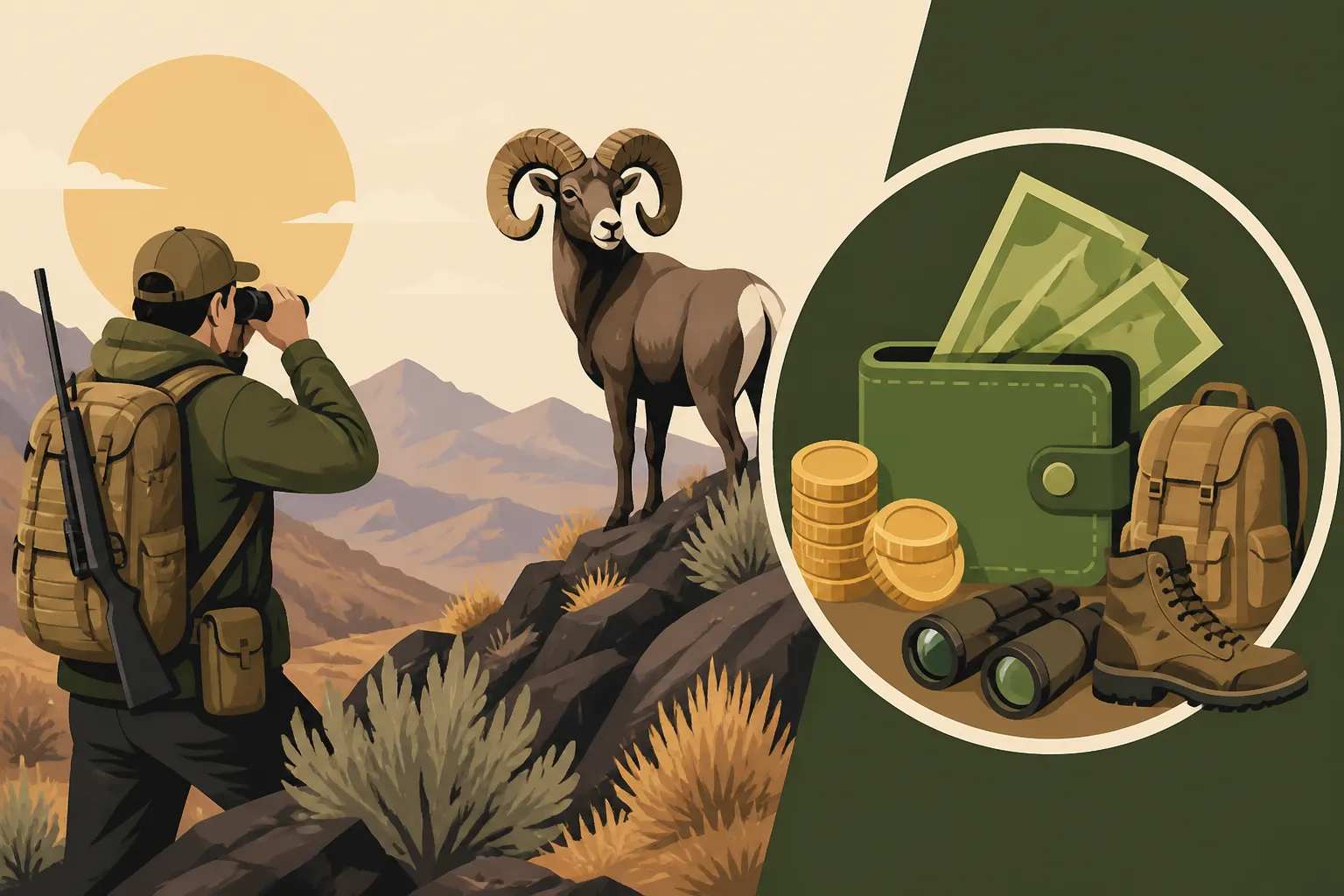
Many hunters mistakenly believe a DIY sheep hunt is "cheap." It's not. It simply shifts the financial burden from a guide's fee to your personal gear, logistics, and time investment. To even contemplate a DIY sheep hunt in Nevada, you need top-tier equipment that can withstand extreme conditions and perform reliably. This includes:
- High-End Optics: Spotting scopes, binoculars, and rangefinders with exceptional clarity and light-gathering capabilities are non-negotiable for spotting sheep at incredible distances in vast terrain. Optics Power for Nevada's Long Sightlines is crucial.
- Lightweight Backpacking Gear: Tents, sleeping bags, cooking systems, and packs built for multi-day excursions into roadless, steep country.
- Specialized Clothing and Boots: Layering systems for drastic temperature swings, durable mountain hunting boots that provide ankle support on sharp volcanic rock.
- Communication Devices: Satellite messengers or phones are essential for safety in areas with no cell service.
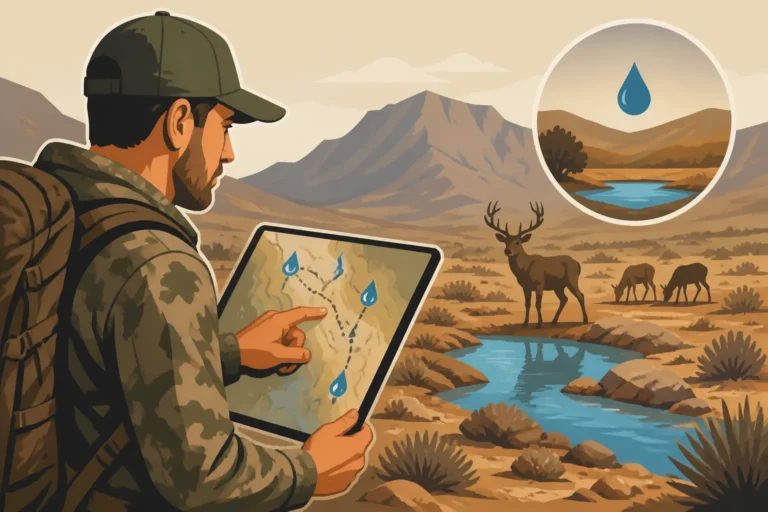
- Extensive Scouting: This often means multiple trips to the unit prior to the season, burning fuel, taking time off work, and investing in tools like GoHunt for e-scouting and data analysis.
All of these items represent a substantial upfront cost. While some items might already be in your arsenal, getting them all to the level required for a demanding sheep hunt can easily equal a significant portion of a guided hunt's cost, spread out over years of acquisition. And the physical preparation? You'll be Preparing Physically for Long Glassing Days and long, steep hikes.
Travel and Logistics
Nevada is a vast state, and sheep country is rarely close to major population centers or paved roads. Getting to your hunt unit and moving around within it can be a major expense:
- Fuel & Vehicle Maintenance: You'll be covering hundreds, if not thousands, of miles on rough, unmaintained dirt roads. Your vehicle needs to be reliable, capable, and adequately fueled. Expect significant wear and tear. Carrying extra fuel and Carrying Extra Fuel on a Nevada Hunt is often necessary. Vehicle Prep for Remote Nevada Roads is not just a suggestion; it's a necessity.
- Lodging: Depending on how far your hunt unit is, you might need hotel stays on the way in and out. While camping on BLM land is often free, if you're flying in and renting a vehicle, you'll still have those initial and final nights to cover.
- Food: Planning and purchasing meals for the duration of your hunt, especially if you're backpacking, adds up. Dehydrated meals are convenient but can be pricey.
Post-Harvest Expenses
The costs don't end when you pull the trigger. Once your ram is on the ground, a new set of expenses kicks in:
- Meat Processing: Unless you plan to butcher it yourself, you'll need to pay a local processor. This involves getting the meat from the field to them, often in challenging conditions, ensuring proper cooling, especially on early season hunts. Field Dressing in August Heat requires careful planning to prevent spoilage.
- Packing Out: If your ram is deep in roadless country, you might need to hire pack support (horses or mules) or rely on friends. This can be a significant logistical and financial challenge. Think about Packing an Animal Out of Roadless Country well in advance.
- Taxidermy: For a trophy ram, most hunters opt for a shoulder mount or full-body mount. These are specialized art forms and command significant prices, often thousands of dollars.
- Shipping: If you're a nonresident, shipping your meat and/or trophy back home can be complex and expensive. This might involve dry ice, specialized coolers, and air freight.
| Cost Category | Guided Hunt (Cost Heaviest) | DIY Hunt (Cost Heaviest) | Shared Costs (Regardless of Hunt Type) |
|---|---|---|---|
| Pre-Draw Expenses | Application Fees, Combination License | Application Fees, Combination License | Bonus Points, E-Scouting Tools (GoHunt) |
| Tag Fees | Tag Fee upon drawing | Tag Fee upon drawing | |
| Professional Services | Guide Fee, Camp Staff Tips | (N/A) | |
| Gear & Equipment | Personal Gear (Clothing, Boots, Rifle) | Top-tier Optics, Backpacking Gear, Sat-Comms, Specialized Clothing, Boots, Rifle | |
| Travel & Logistics | Travel to Nevada, Pre/Post Hunt Hotels | Vehicle Purchase/Maintenance, Fuel, Rentals, Extensive Scouting Trips, Pre/Post Hunt Hotels | |
| Post-Harvest | Taxidermy, Meat Processing, Shipping, Pack Out Support (if not included) | Taxidermy, Meat Processing, Shipping, Self-Pack Out Gear | |
| Miscellaneous | Contingency Fund | Contingency Fund | Emergency Gear, First Aid |
In conclusion, a Nevada bighorn sheep hunt, whether guided or DIY, is a substantial financial undertaking. There are no "cheap" sheep hunts. It's a premium experience for an iconic animal in incredibly demanding terrain. Thoroughly researching and planning for every potential expense, from the application process to the post-harvest details, is paramount. Ultimately, for those lucky enough to draw, the experience itself often transcends the financial investment, becoming a priceless memory forged in the rugged beauty of Nevada's high desert mountains.
Disclaimer
This article is for general informational purposes only and does not constitute professional advice. Laws, prices and regulations vary by location and change over time. Consult a qualified professional for guidance on your specific situation.